Brief
Paper toys are essentially what their name suggests; they are toys made of paper. Find some specific artists who design paper toys and document examples of their work in your log. What is the purpose of paper toys? Who is their target audience? What is the draw to making paper toys as opposed to buying pre-made toys?
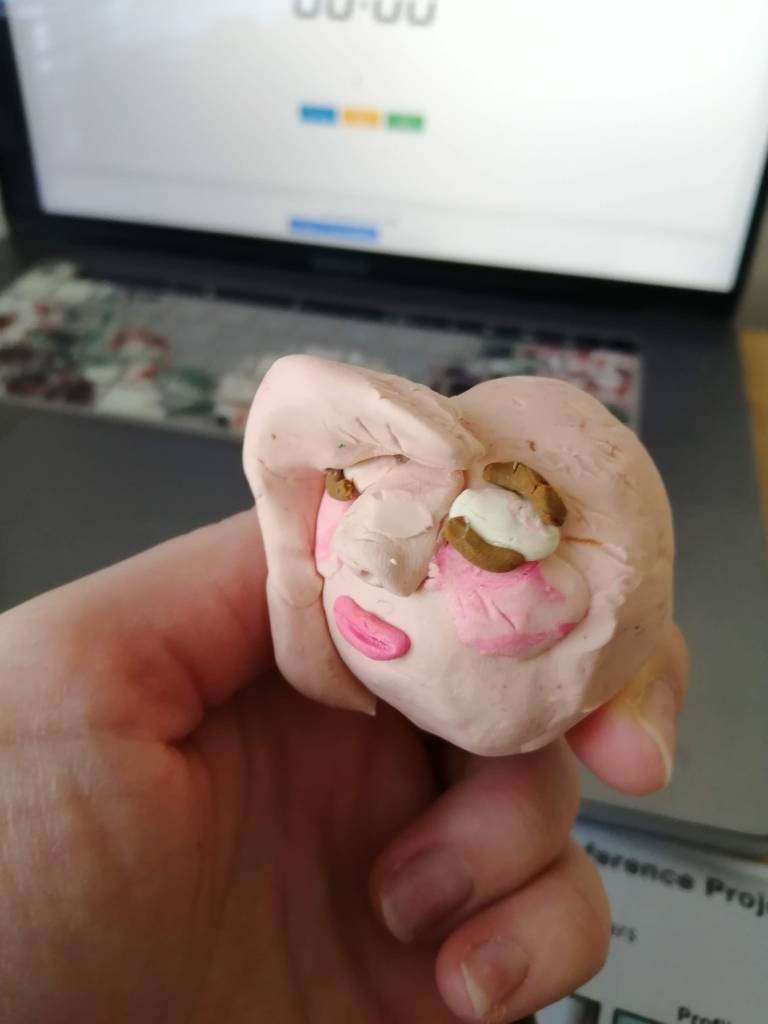
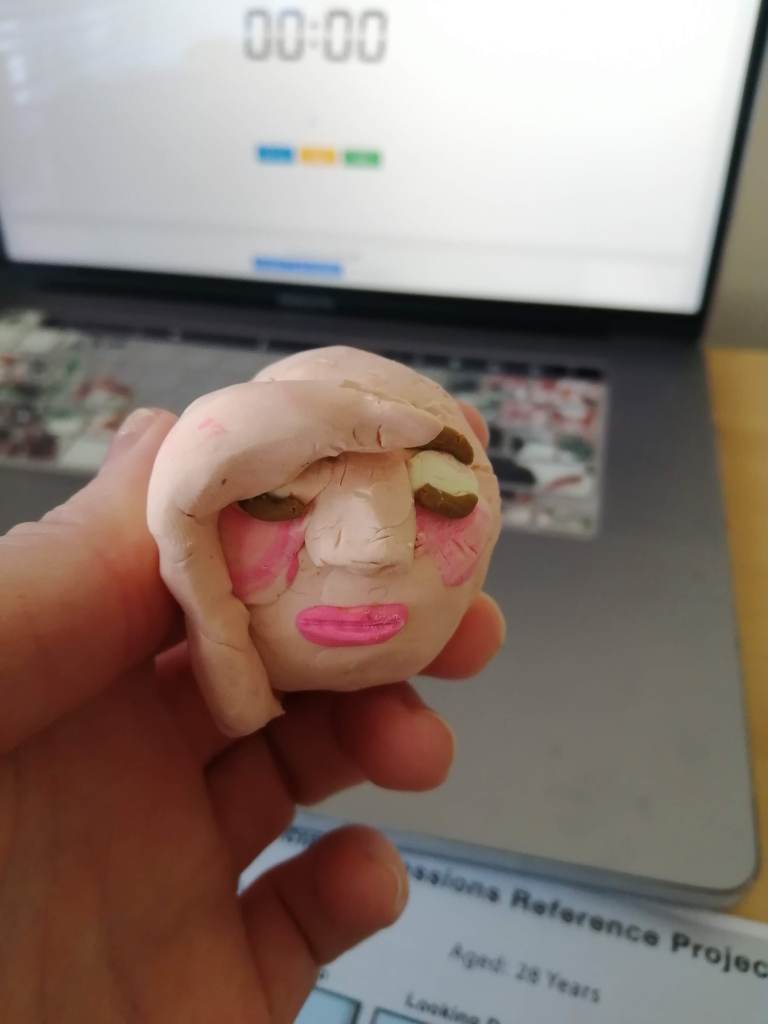
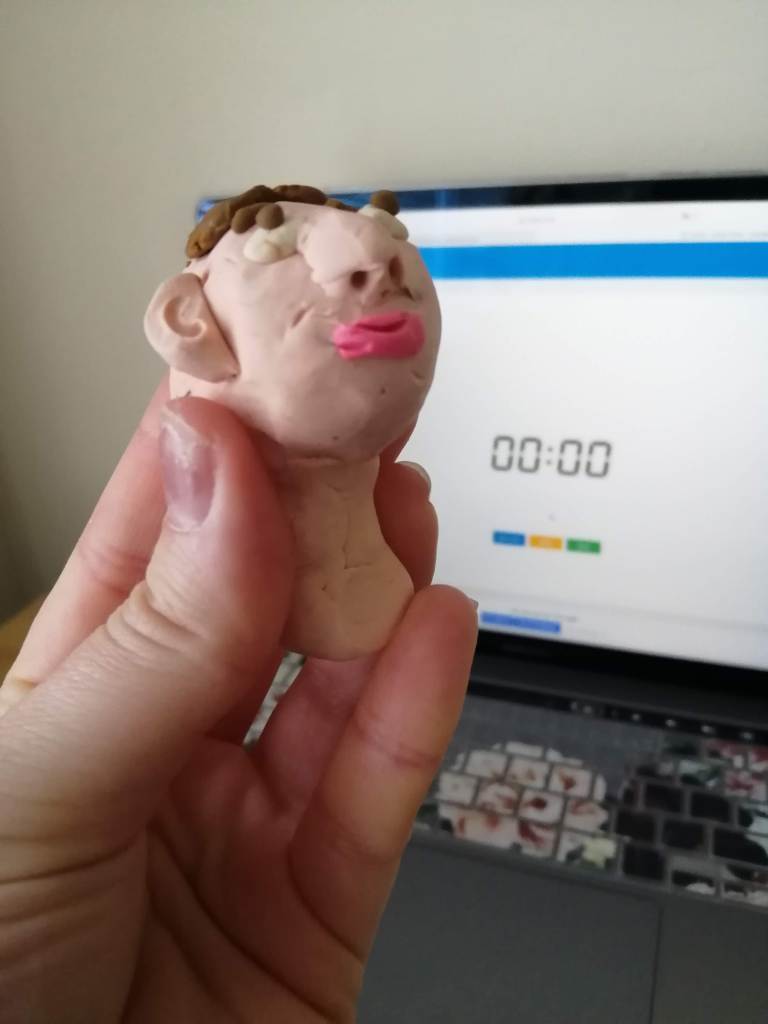
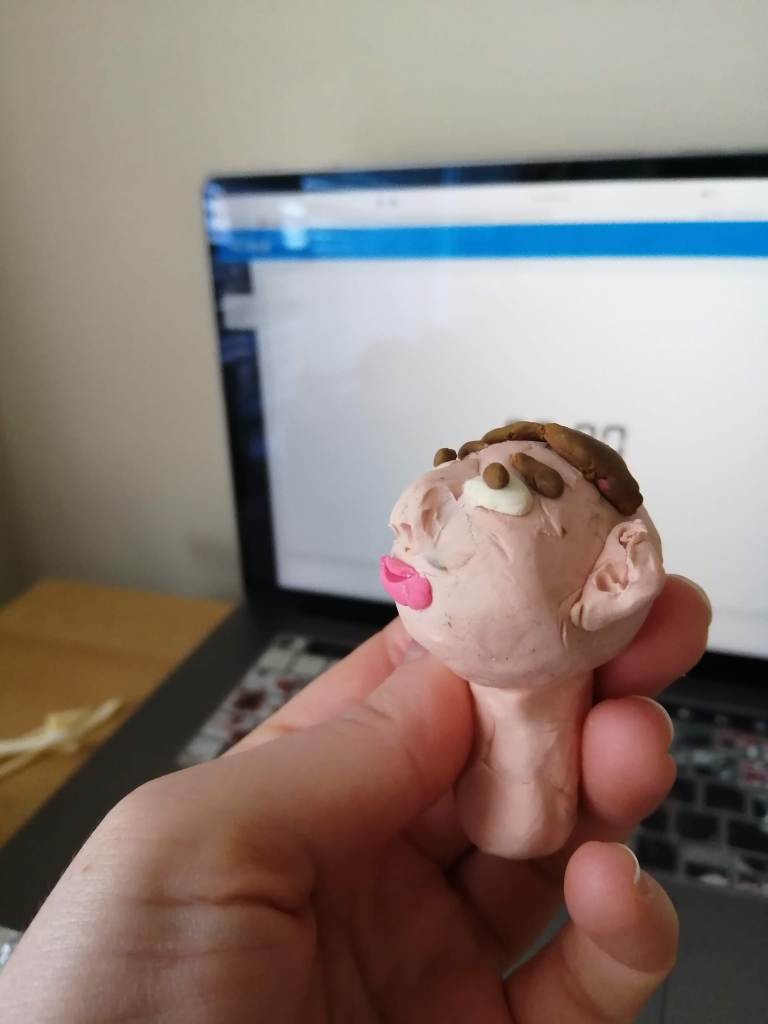
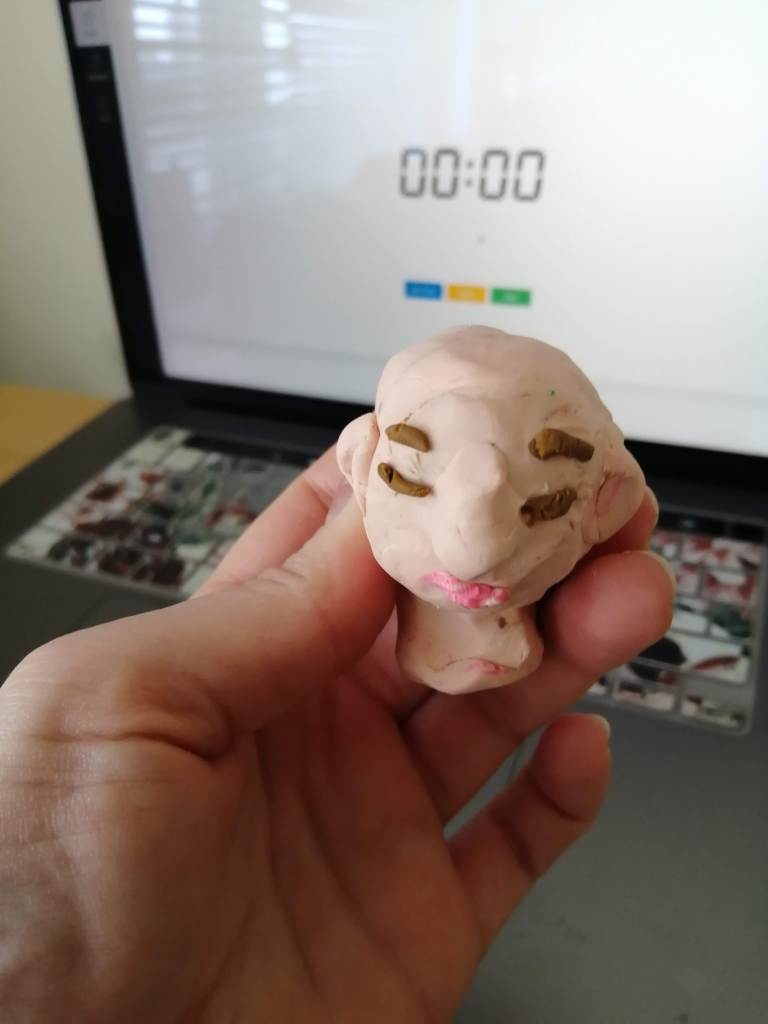
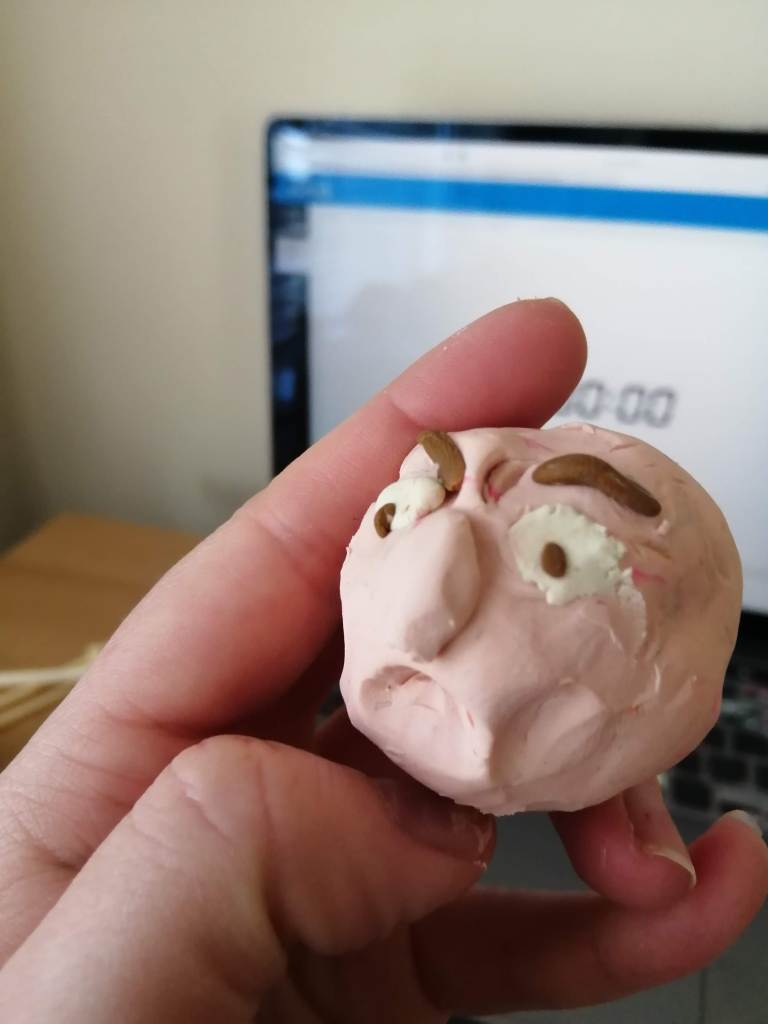
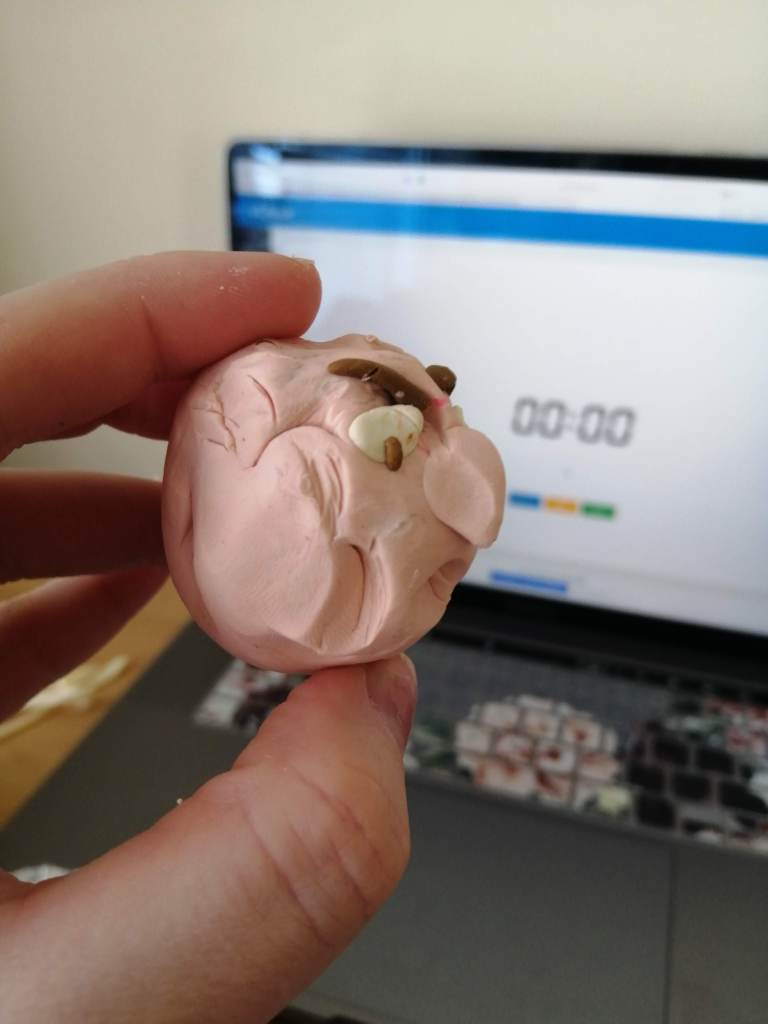
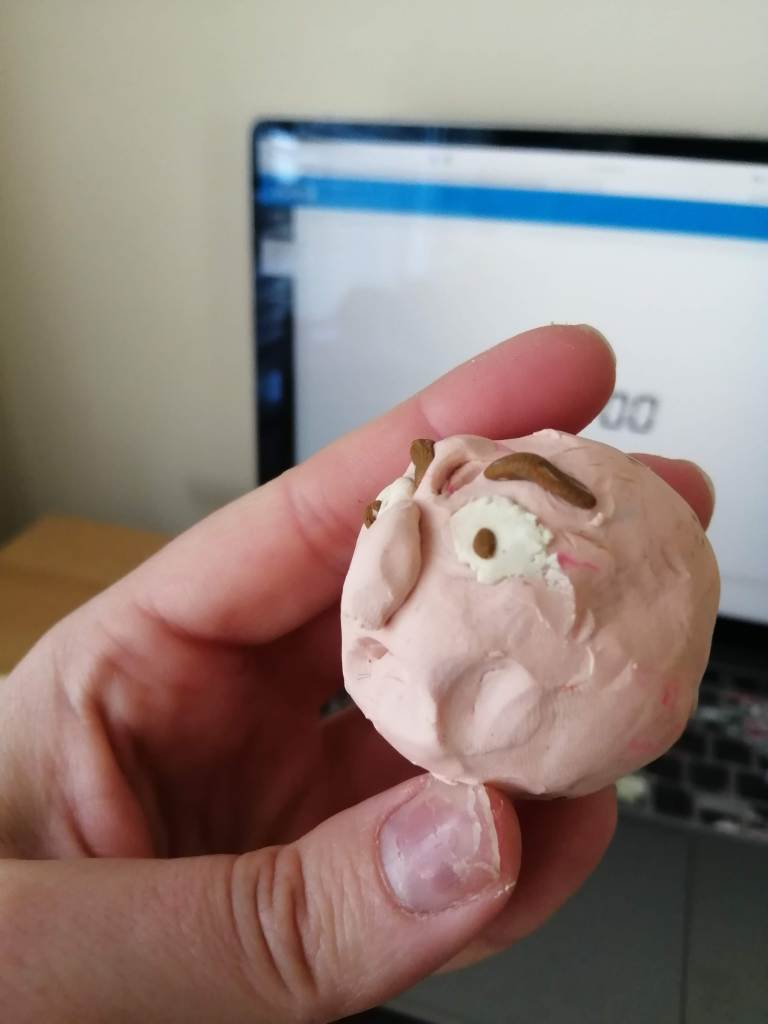
Visual Skills 2: Visual Exploration p106
Keywords from the brief
- Find some specific artists who design paper toys and document examples of their work in your log
- What is the purpose of paper toys?
- Who is their target audience?
- What is the draw to making paper toys as opposed to buying pre-made toys?
Seth
The first artist I examined was Gregory Gallant, a Canadian cartoonist better known by his cartoon name Seth. After seeing a few documentaries and reading about him, I realised that he is an artist who frequently writes graphic novels on the ordinary issues of life, such as people attempting to determine whether their lives have been successful.
Here’s one of the documentaries I watched in which he talks about his artworks. His large collection of projects caught my interest because he not only does commission work, but he also explores a variety of other artistic interests for personal enjoyment. These include a rubber stamp diary, a sketchbook, and he is developing a model city called The City of Dominion.
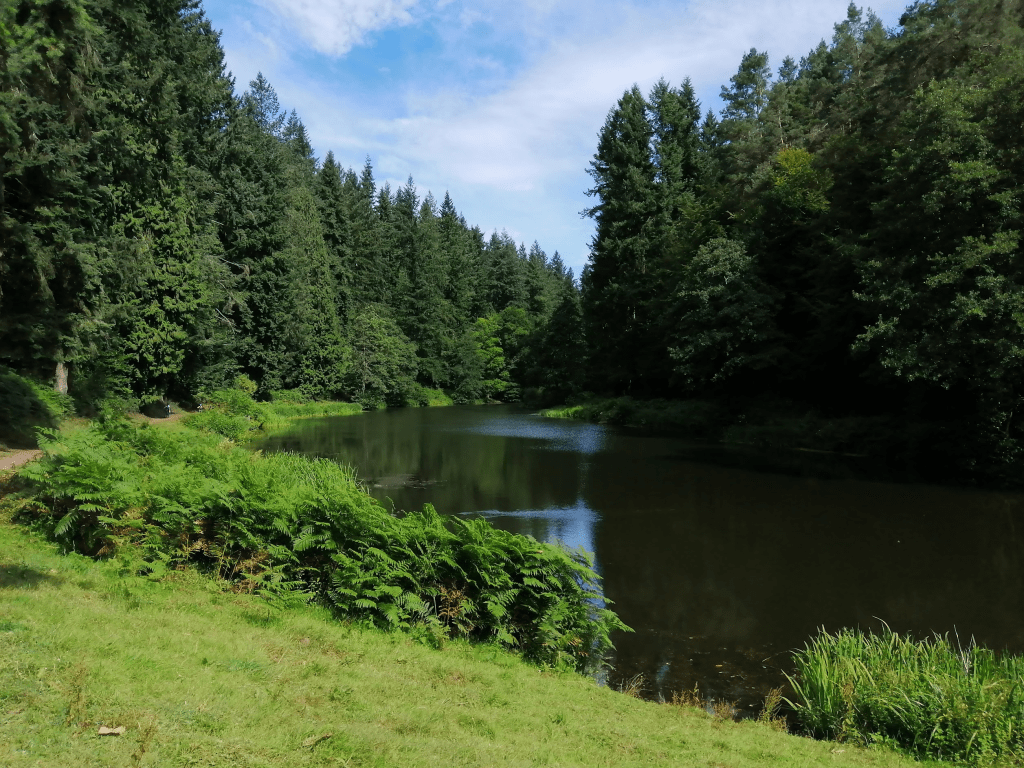
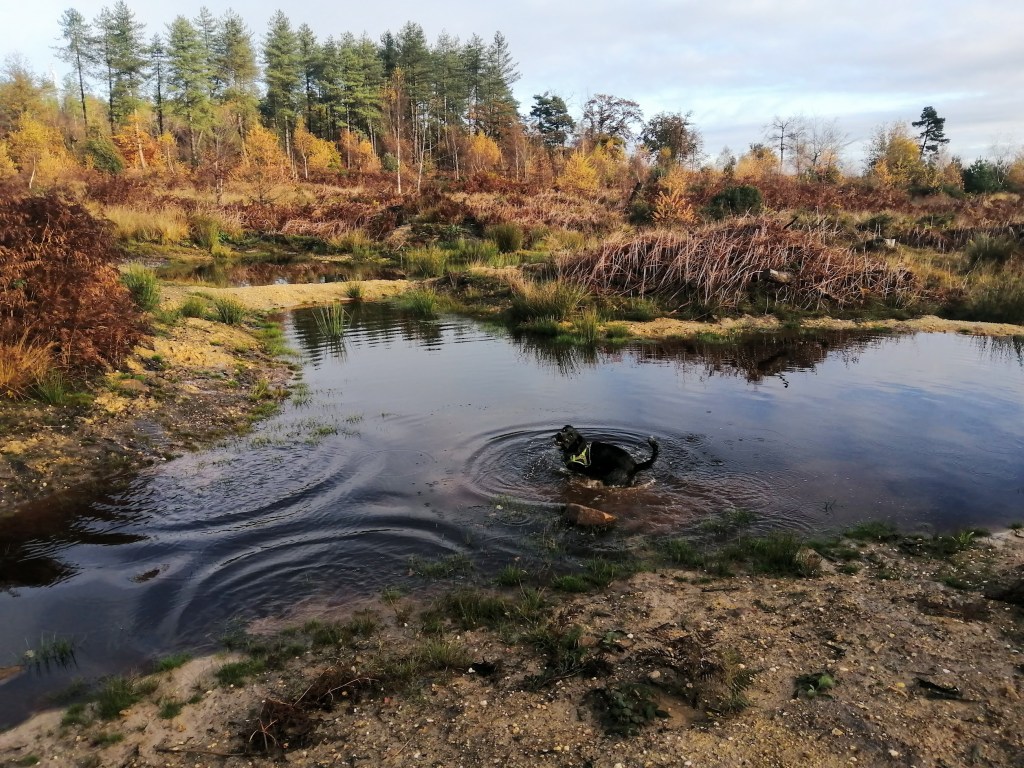
Throughout the documentary, I enjoyed his short animated film called The Creek. It reminded me of a local site called Soudley Ponds. In the 1930s and 1940s, villagers used man-made diving boards to swim during hot summer days. Today, however, it is a nature reserve full of fish and crayfish, as well as a place where people may take a stroll and view the stunning scenery.
I wanted to post a photo of people swimming in the ponds, but couldn’t find one. However, I was able to find some old images of the surrounding area and a woman describing what it used to be like on Facebook.
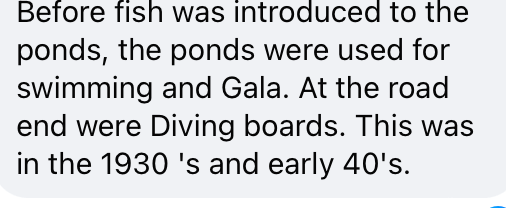
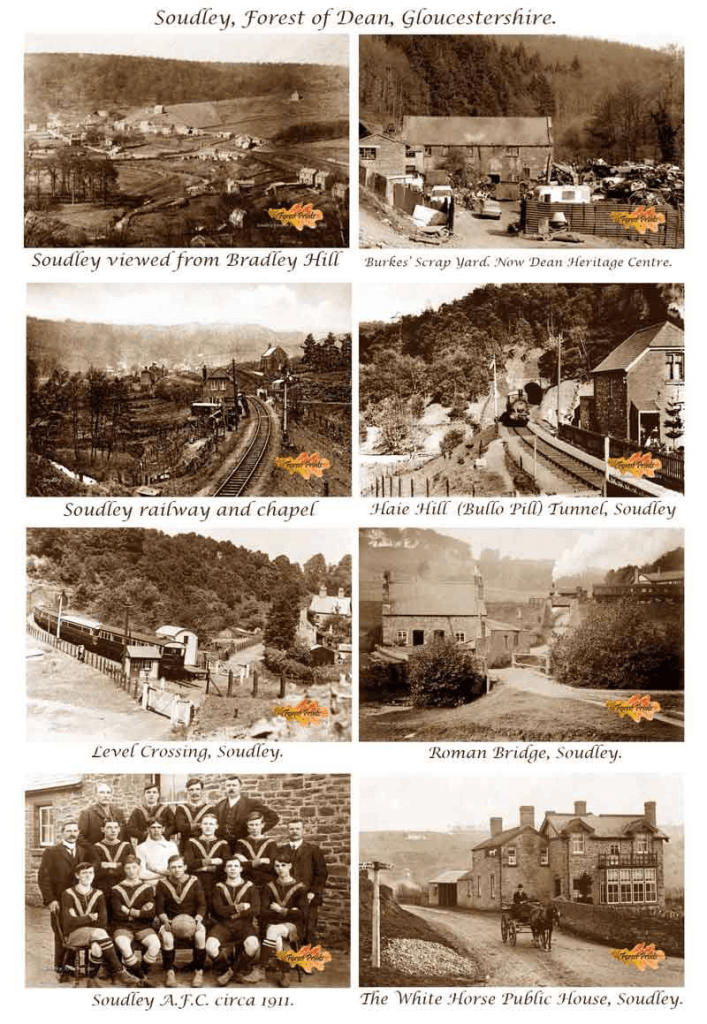
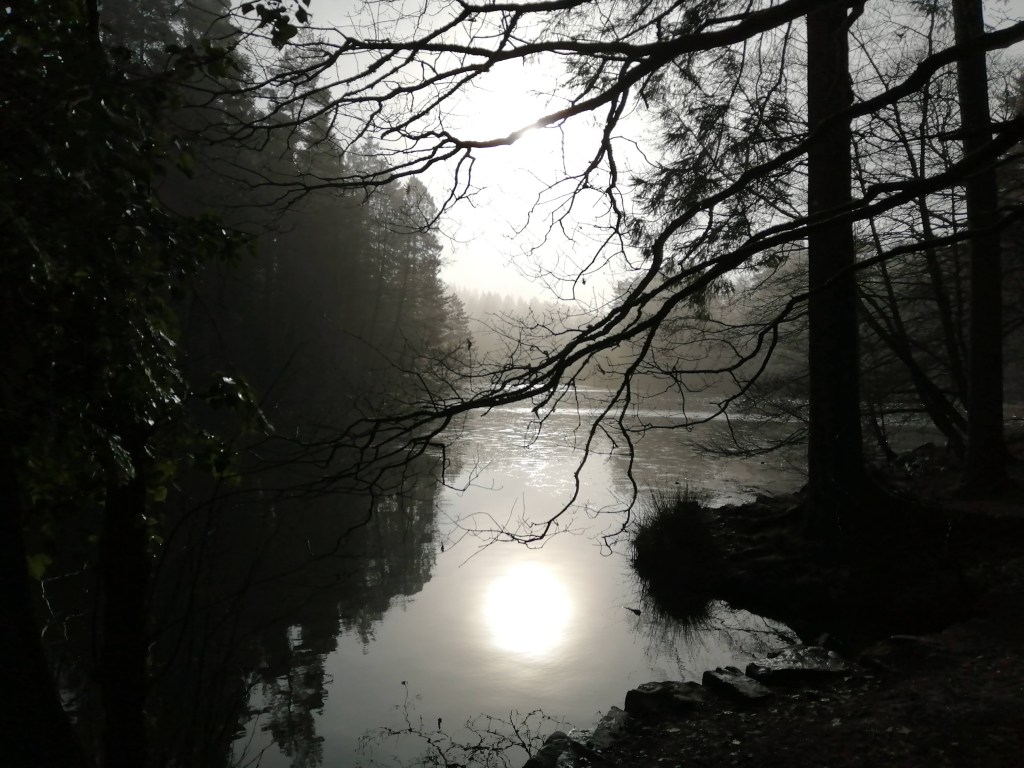
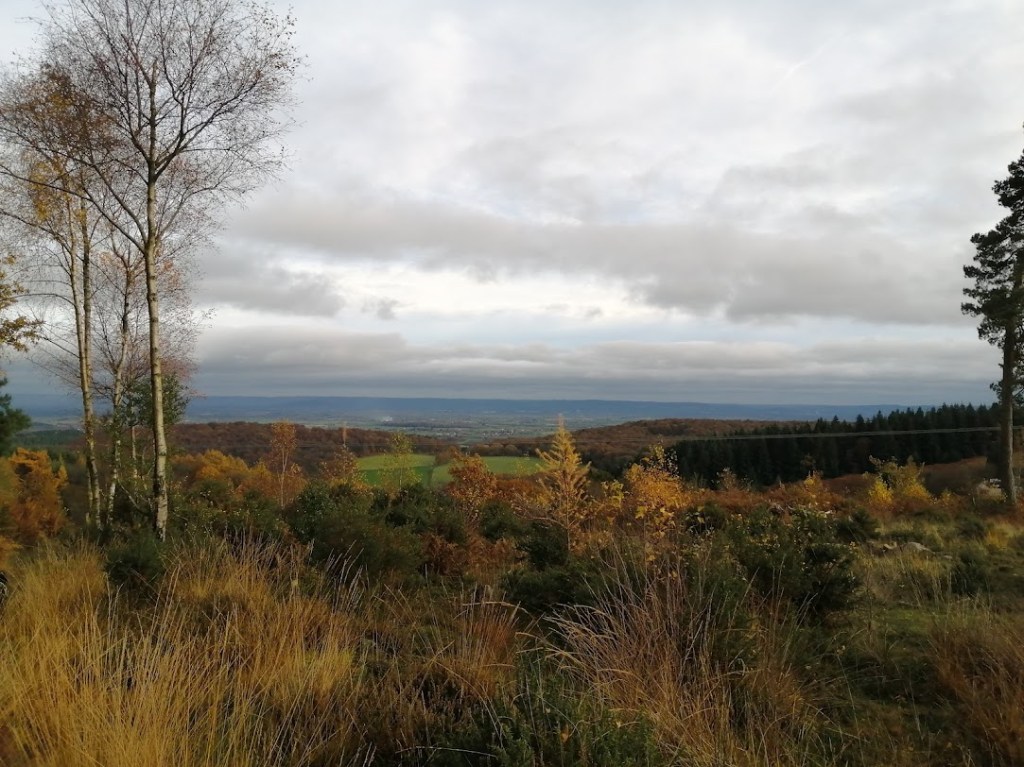
Below is an a photograph I took recently of Soudley ponds.
Reflecting on Seth’s work, I think he is so successful because of his sheer determination and he is alway developing his artistic practice. Also, his written storytelling is as good as his artwork, which brings emotional depth to his graphic novels. The combination of the two enhances the overall storytelling experience. Looking at his artistic technique, he employs clean lines and a muted colour palette to create a vintage feel to his work.
Steve Monger
The next artist I have the pleasure of researching is one of my former tutors from one of my previous units at the OCA. Not only is he an OCA tutor, but also a Graphics and Senior Lecturer at Bristol University. In his spare time, Stephen investigates photographic representations of location and is particularly interested in how photography might overlap and merge with other types of representation such as digital drawing and 3D modelling.
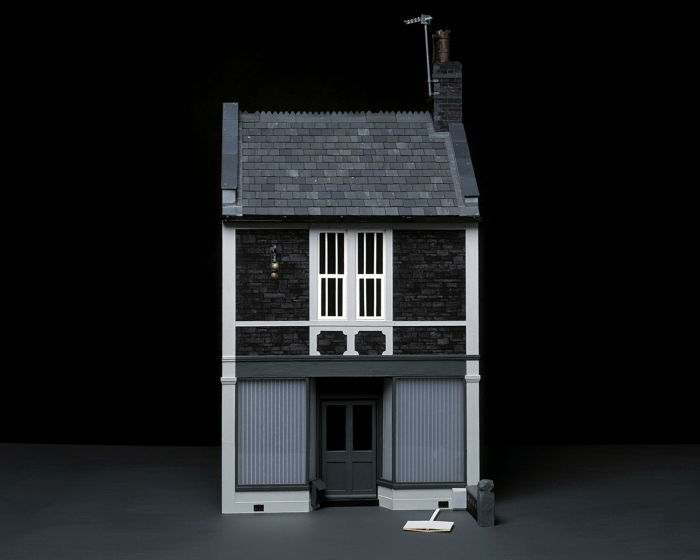
This leads me to the model making of buildings Stephen has produced using cardboard. Although part of his work included photography he also created many sculptures of building to show the viewer the different details that was otherwise inaccessible by the use of photography alone. Below are some photographs of one of these paper sculptures.

Thomas Demand
Similarly to Stephen, Thomas is a an artist who also builds realistic models of buildings. However, these are life-sized models of spaces and buildings using a selection of paper and cardboard. Interestingly, he then photographs these models and after destroys them so the photograph is the only record left.
Below is an interesting documentary I watched about Thomas’s work.
After watching it I was quite amazed at the sheer dedication and detail he puts into his art work, often taking weeks to construct them. What sets his work apart from other artists is not just the craftsmanship but also the depth of meaning within each piece. One example is called “Yellowcake”.
For this project, Thomas meticulously reconstructed the scene of the 2001 event involving the Embassy of the Republic of Niger in Rome, using paper and cardboard. It was at the Embassy information regarding Saddam Hussein’s alleged attempt to purchase uranium “yellowcake” was stolen.
Below is one of the photographs of his reconstruction.
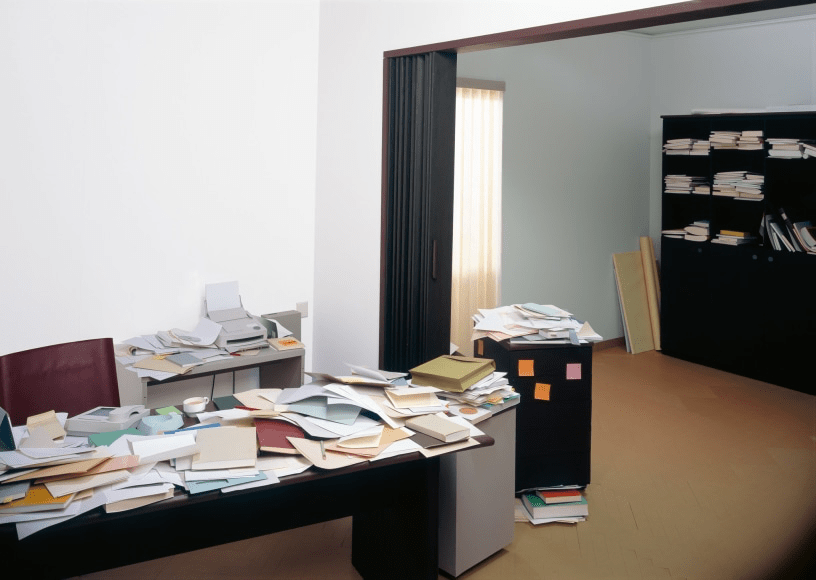
Through Demands craftsmanship and series of photography he invites viewers to think about the narrative and subsequent consequences of the event, which was the invasion of Iraq by the U.S. The fact that the alleged proof of Saddam’s attempt was later revealed to be forged adds a sense of tragedy to the narrative.
Looking at Demand’s interpretation of this event through his artwork offers people a different kind of engagement compared to a brief news report. I personally find it more thought provoking, intimate and memorable.
Amy Bennett
The final artist I researched is Amy Bennett, an American artist who has a unique approach when creating narrative paintings. This consists of constructing paper models and using them as reference material to observe and paint from. She often uses these models to create detailed and surreal scenes that explore themes of suburban life. By using these paper models, Bennett can explore different viewpoints and compositions before starting her painting.
Each painting shows a different aspect of everyday life in a way that is both familiar and thought-provoking. In the video I watched below she states ” It’s a bit like being a fly on the wall, observing people and their interactions without them knowing.” (Bennett, 2011). This gives her paintings a vulnerability that is both captivating and intimate.
As a mother and wife, she has used the many challenges this brings, as well as the joys of life, as inspiration for her artwork. This can be seen in her work called “Nuclear Family,” which captures the complexity of love and relationships as well as the difficulties of family struggles.
Below is a photograph of one of the paintings from the series “Nuclear Family.“
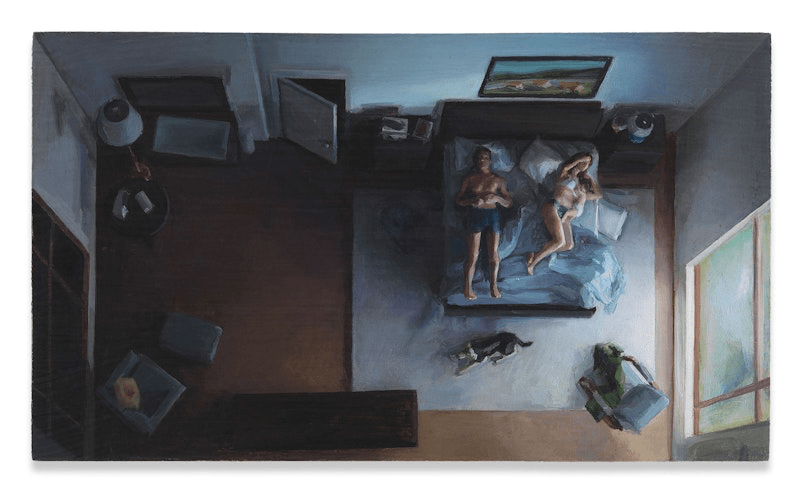
Her artistic style often features bold colours, abstract shapes, buildings and people. These elements combine to create a unique and engaging image. Looking at these works reminds me of my own experiences as a mother and wife and has prompted me and I should think others to reflect on everyday life.
What is the purpose of paper toys?
The purpose of paper toys is to provide entertainment and creative expression for children and adults alike. Not only is it easily accessible but as shown in this research task it also allows for endless creative possibilities.
Who is their target audience?
It depends on the artist who is making the paper toys and their intention for them. The target audience could be any age. It could be designed for pure enjoyment. On the other hand, the target audience might be to engage viewers in a political or cultural matter. To spread important messages and spark conversations. The artist may also aim to promote social change and awareness through their work.
What is the draw to making paper toys as opposed to buying pre-made toys?
There are many benefits to making paper toys, which are:
- The pure satisfaction of making something with your own hands that can be played with or explored.
- Making paper toys allows for customisation and creativity in design, as discussed in Amy Bennett’s research.
- From an environmental perspective, paper toys are more sustainable than plastic alternatives and can be easily recycled at the end of their life cycle.
- Personally I would appreciate a handmade paper toy skilfully made, more than a bought plastic toy because to me it would hold more sentimental value.
- In some cultures paper toys hold significance values for example the long-standing tradition of origami that originating from Japan.
References
Bennett, Amy. “Amy Bennett.” Www.amybennett.com, 2021, http://www.amybennett.com/home.html.
Bennett, Amy . “Artist Amy Bennett.” Www.youtube.com, Anthony Paget , 26 July 2011, youtu.be/yodJPR5hGic. Accessed 28 Mar. 2024.
Brownstein, Bill. “Film Animates the Life of Comic Book Creator Seth.” The Gazette, Bill Brownstein, 8 Oct. 2014, montrealgazette.com/entertainment/arts/film-animates-the-life-of-comic-book-creator-seth. Accessed 26 Mar. 2024.
Chamberland, luc. “Seth’s Dominion.” Www.youtube.com, 13 Mar. 2024, youtu.be/EJMKBiJuO6I. Accessed 28 Mar. 2024.
Demand, Thomas . “Thomas Demand: Animations | Exhibition | DHC/ART.” Www.youtube.com, 18 Jan. 2013, youtu.be/M-itI67quhE. Accessed 28 Mar. 2024.
Hoffman, Eric, et al. Seth: Conversations. Perlego, University Press of Mississippi, 4 Feb. 2015, http://www.perlego.com/book/561986/seth-conversations-pdf. Accessed 28 Mar. 2024.
kurkdjian, guillaume. “Amy Bennett.” Wertn.com, 22 May 2019, wertn.com/2019/05/amy-bennett/.
Maher, Daniel. “Amy Bennett Looks at the Complexities of Suburban Family Life in Her Miniature Paintings.” Www.itsnicethat.com, 10 Apr. 2019, http://www.itsnicethat.com/articles/amy-bennett-nuclear-family-art-100419. Accessed 28 Mar. 2024.
Monger, Stephen. “About : Stephen Monger.” Www.stephenmonger.com, 1995, http://www.stephenmonger.com/index.php/info/about/. Accessed 28 Mar. 2024.
—. “Mr Stephen Monger – UWE Bristol.” People.uwe.ac.uk, people.uwe.ac.uk/Person/StephenMonger. Accessed 28 Mar. 2024.
Shane, Robert R. “Amy Bennett: Nuclear Family.” The Brooklyn Rail, 4 Sept. 2019, brooklynrail.org/2019/09/artseen/Amy-Bennett-Nuclear-Family. Accessed 28 Mar. 2024.
Tylec, Laurie . “Acquisition: Thomas Demand “Embassy I,” from the Series “Yellowcake.”” Www.nga.gov, 30 Oct. 2020, http://www.nga.gov/press/acquisitions/2020/demand.html. Accessed 26 Mar. 2024.
Wehr, Anne. “Thomas Demand.” Frieze, 1 Apr. 2008, http://www.frieze.com/article/thomas-demand-1. Accessed 28 Mar. 2024.
Illustration list
Fig. 1 Facebook post (2017) [Facebook, screenshot] At:https://www.facebook.com/ForestBygoneHistory/photos/a.10150369899392595/10154391365347595/?type=3 (Accessed 26/03/2024).
Fig. 2 Old photos of Soudley village. (2017) [Facebook, screenshot] At:https://www.facebook.com/ForestBygoneHistory/photos/a.10150369899392595/10154391365347595/?type=3 (Accessed 26/03/2024).
Fig. 3 Fowler, G. (2024) Soudley ponds [Photograph, landscape] In possession of the author: Forest of Dean.
Fig.4 Monger, S. (2008) The making process of Pawnbroker [Paper sculpture] At: http://www.stephenmonger.com/index.php/the-prawnbroker/ (Assessed 26/03/2024).
Fig.5 Monger, S. (2008) The Pawnbroker [Paper sculpture] At: http://www.stephenmonger.com/index.php/the-prawnbroker/ (Assessed 26/03/2024).
Fig. 6 Demand, T (2007) Lemoncake [Paper sculpture] At: https://www.303gallery.com/gallery-exhibitions/thomas-demand?view=slider#7 (Accessed 25/03/2024)
Fig. 7 Bennett, A (2018) Animals [Painting] At: www.itsnicethat.com/articles/amy-bennett-nuclear-family-art-100419. (Accessed 26/03/2024).


















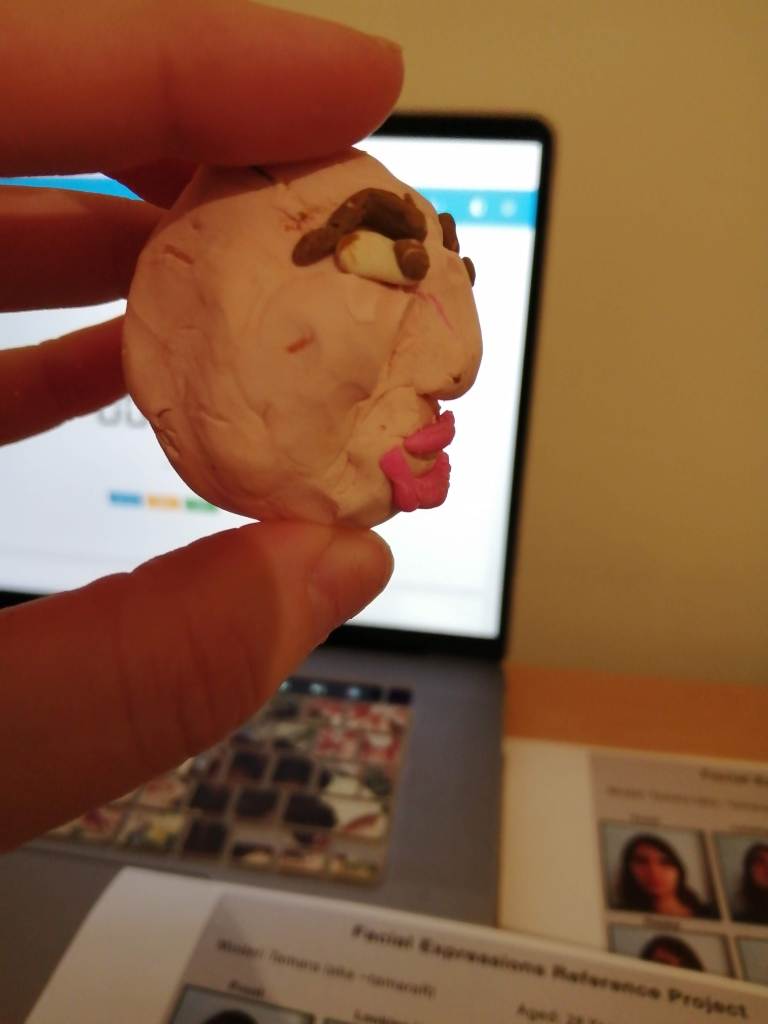
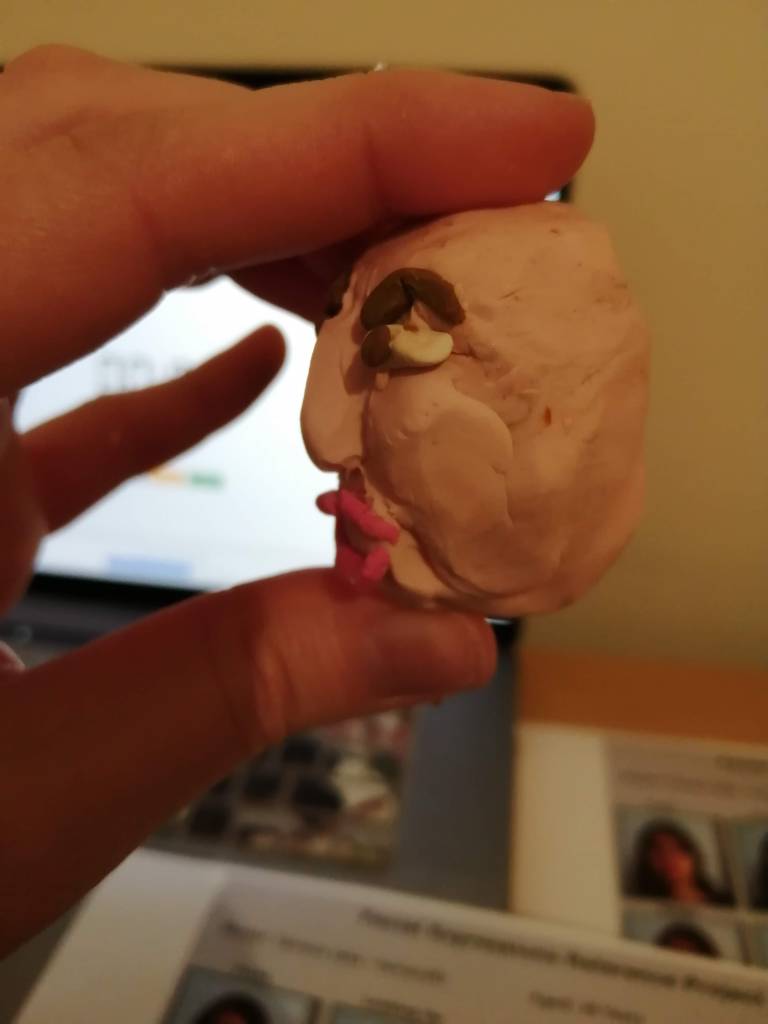

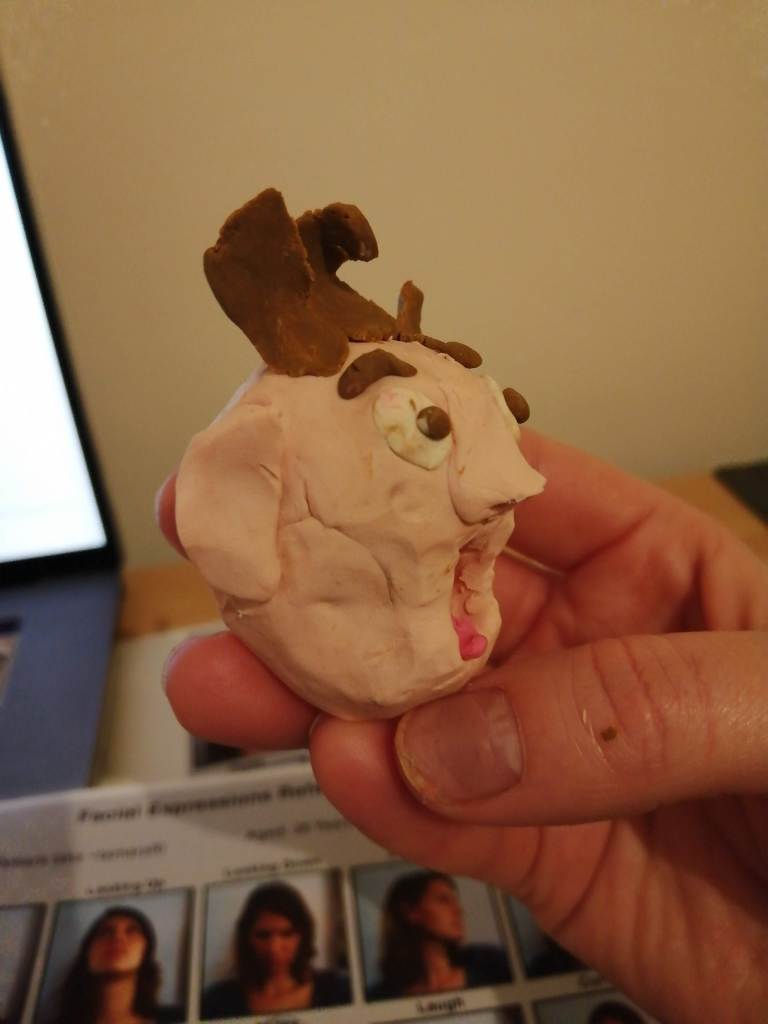
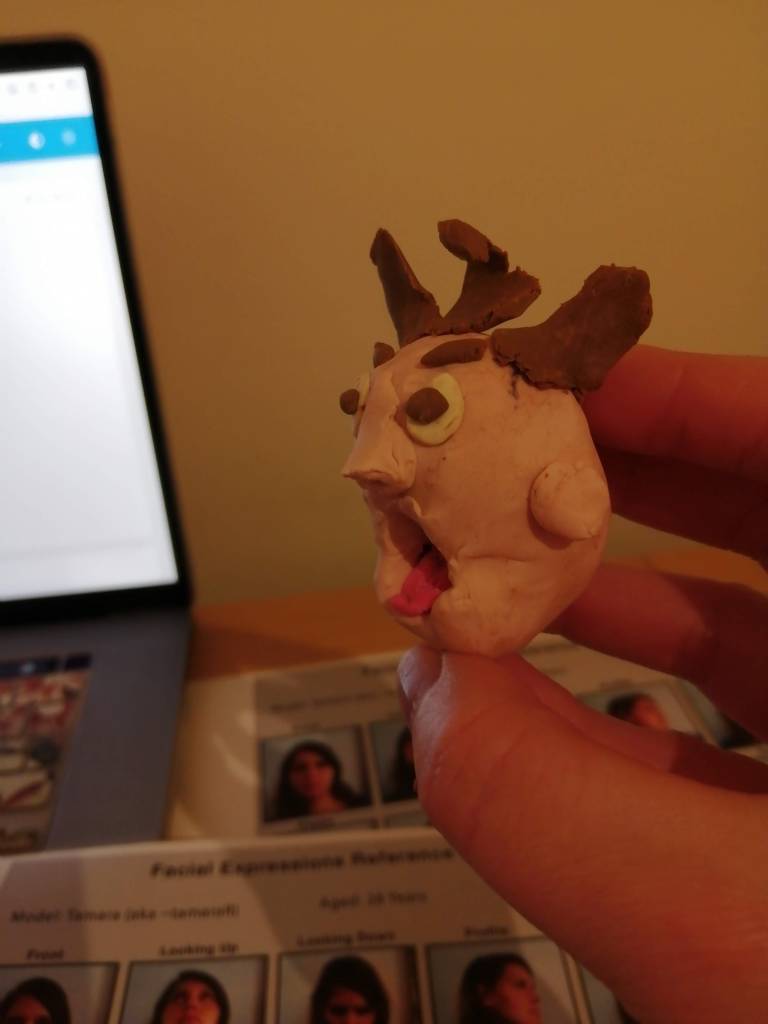










































 Visual Skills 2