Categories
Coursework Part Five: Personal Project

Exercise 3:​ Creating Connections

Brief

Up to now you have been reflecting on and collating what you have produced in this unit. Now take the 10 images you uploaded in the last exercise and print them off – you could print off several versions at different sizes to give you lots of visual options. For this exercise you are going to mix up and combine selected elements to create new images. If you are comfortable with software you may decide to complete this exercise digitally.

Lay out your printed images somewhere so that you can look at them together. This is similar to the ‘Cut Ups’ exercise in Part Two but this time all of the imagery is of your own making. Arrange your composite drawings to create connections between them. You could choose to group elements from different drawings together to see what happens, or elements from a few of your photographs. Or you could mix up part of a drawing with part of a photograph and part of a painting. You might like a figure in one image and a landscape in another – put them together to see what new story or narrative they create. Be as experimental as you can. When you have made 10 new composite images upload them to your blog and reflect on the process in writing on your learning log.

Visual Skills 2: Visual Exploration p129

Keywords from the brief

  • Take the 10 images you uploaded in the last exercise and print them off
  • Mix up and combine selected elements to create new images.
  • You may decide to complete this exercise digitally.
  • Arrange your composite drawings to create connections between them.
  • Be as experimental as you can.
  • Reflect on the process in writing on your learning log.

Here is a link to my last exercise that contains the ten selected images.

To see all the images I had chosen up front, I first made an online mood board of them. I then started experimenting with different compositions and digitally segmenting certain areas of each image. Here are the finished drawings made from different portions of the earlier pictures.

One

For the first image, I combined a character I drew for the exercise Slow and a background I painted for Assignment 4. It excited me, as I could see possibilities for a new story. To show my idea, I then wrote a paragraph for the story and made a mockup.
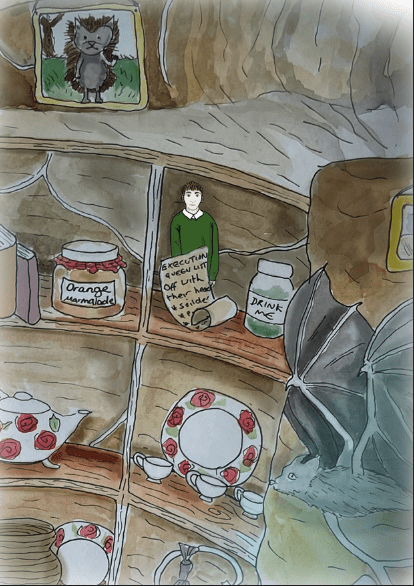
Fig. 1 schoolboy down the rabbit hole (2024)
Fig. 2 schoolboy down the rabbit hole mockup (2024)

Two

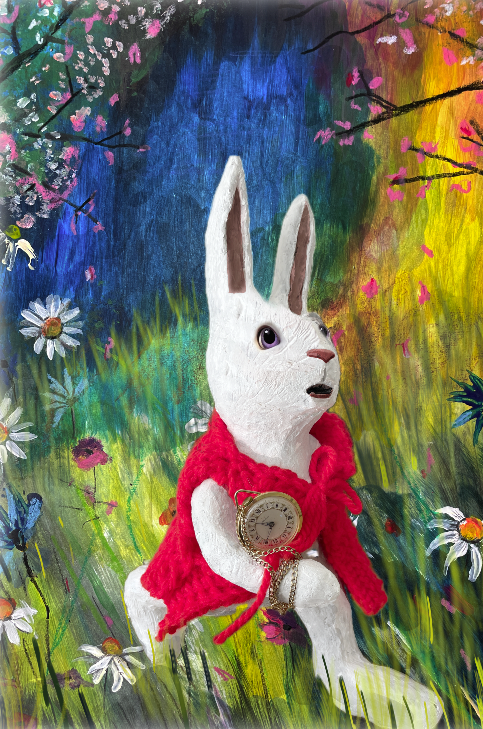
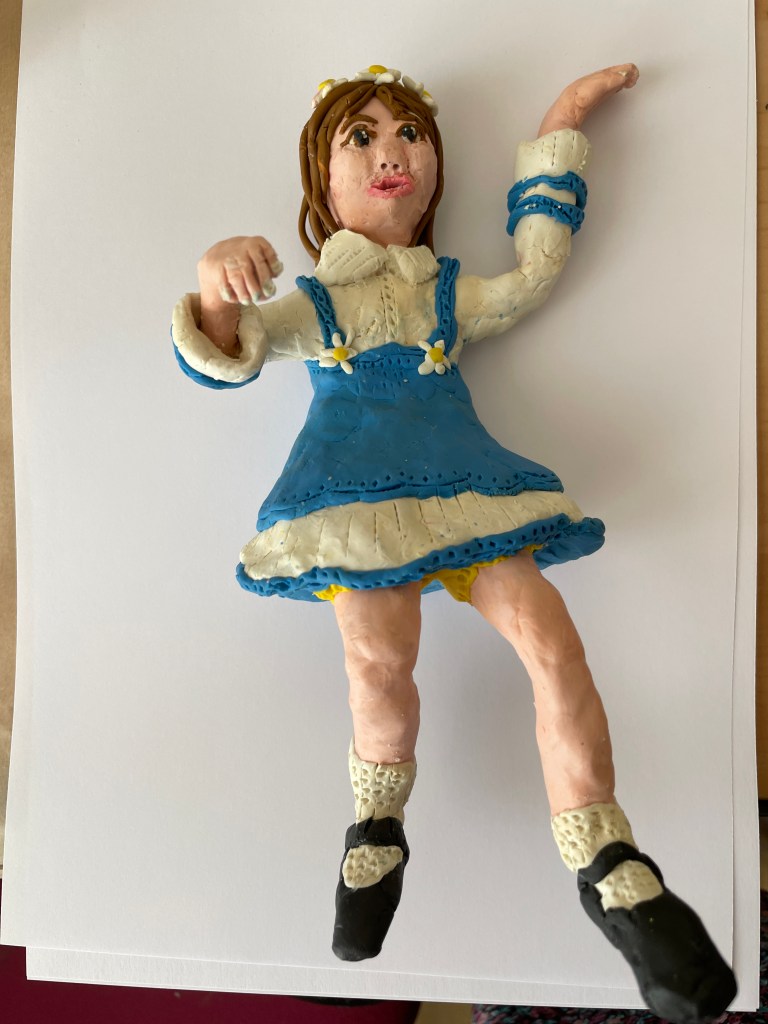
For the next illustration, I experimented with a different composition. I did this by combining the background from  assignment four with the two clay sculptures. It was interesting to focus on the fleeing rabbit instead of the earlier detailed drawing.
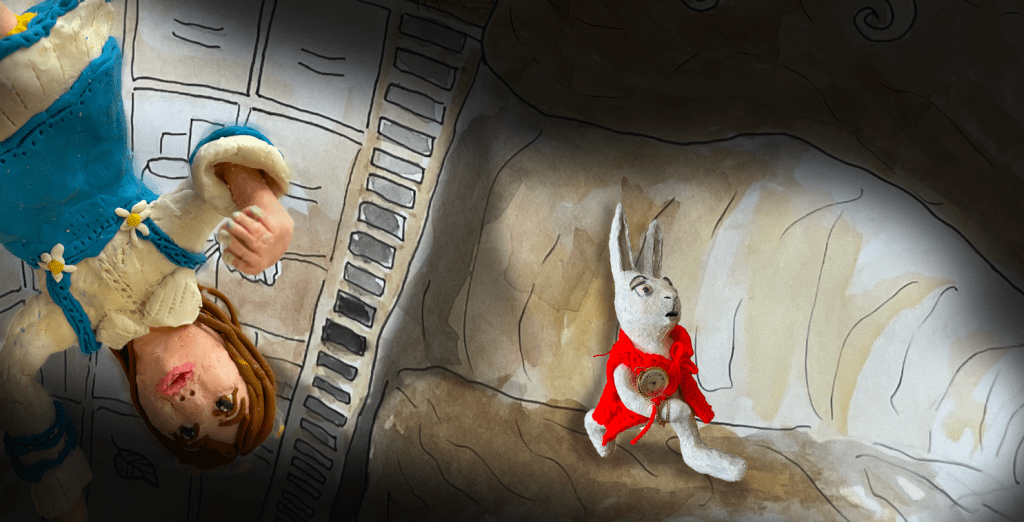
Fig. 3 Fleeting Rabbit (2024)

Three

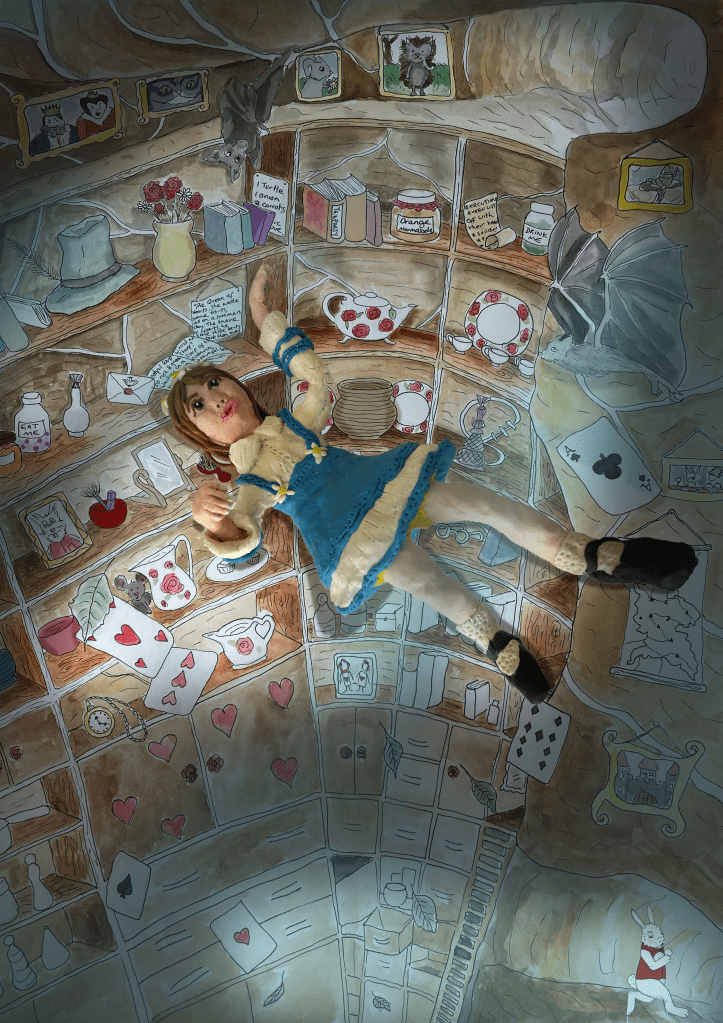
For this illustration, I combined the drawing of a house from the Slow exercise, where I created a comic, with the background and white rabbit drawing from Assignment 4.
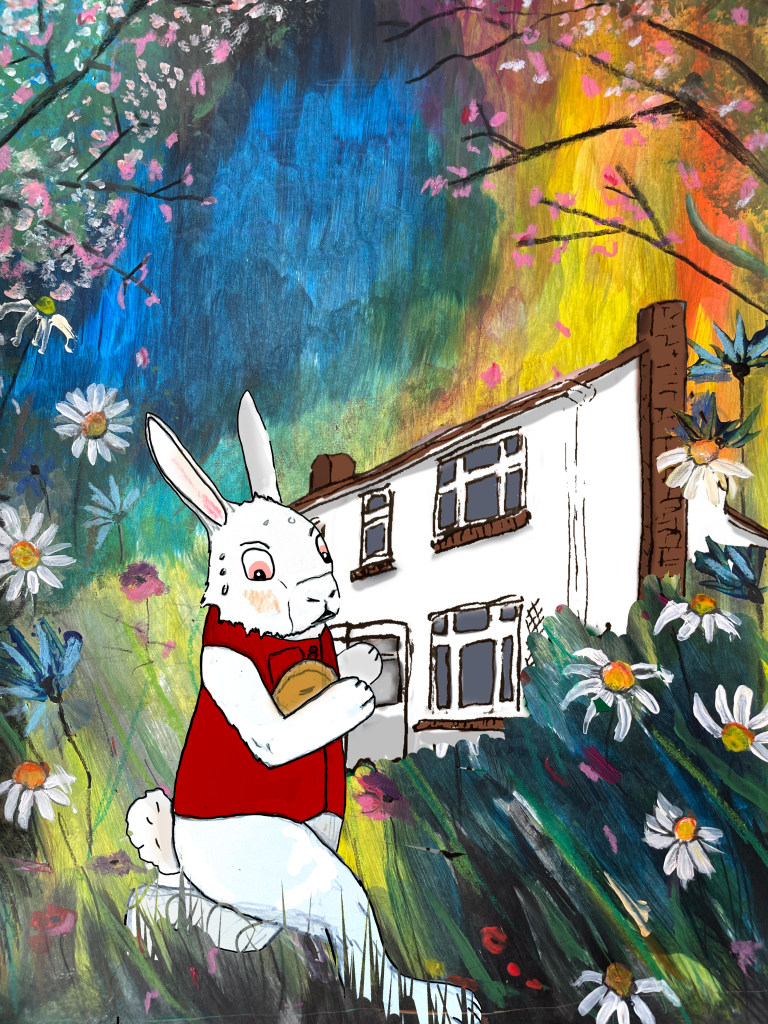
Fig. 4 Rabbit going home (2024)

Four

This drawing incorporates elements from assignment 4’s background with the painting I completed for an exercise in part three.
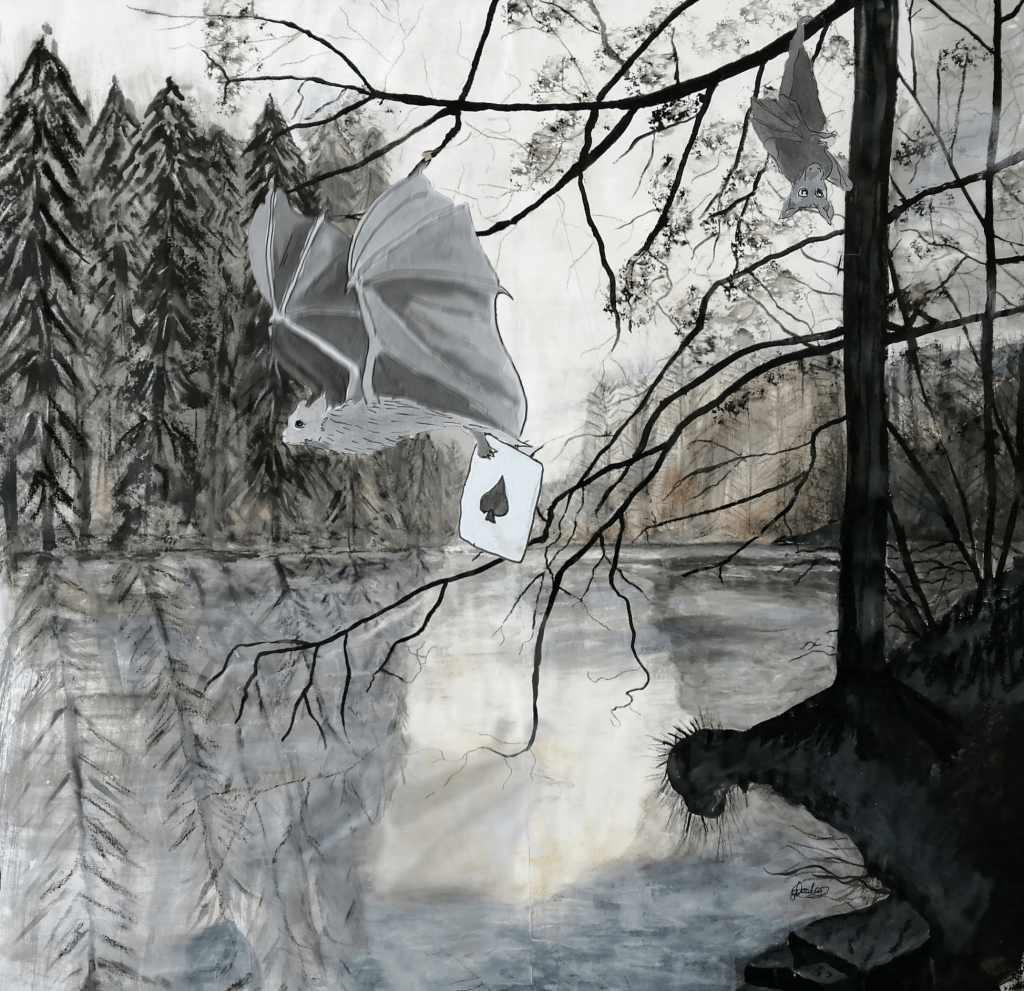
Fig. 5 Bats (2024)

Five

This drawing incorporates elements from assignment 4’s background with a character I drew for the exercise: Slow. I then added the text ontop of the painted shape.
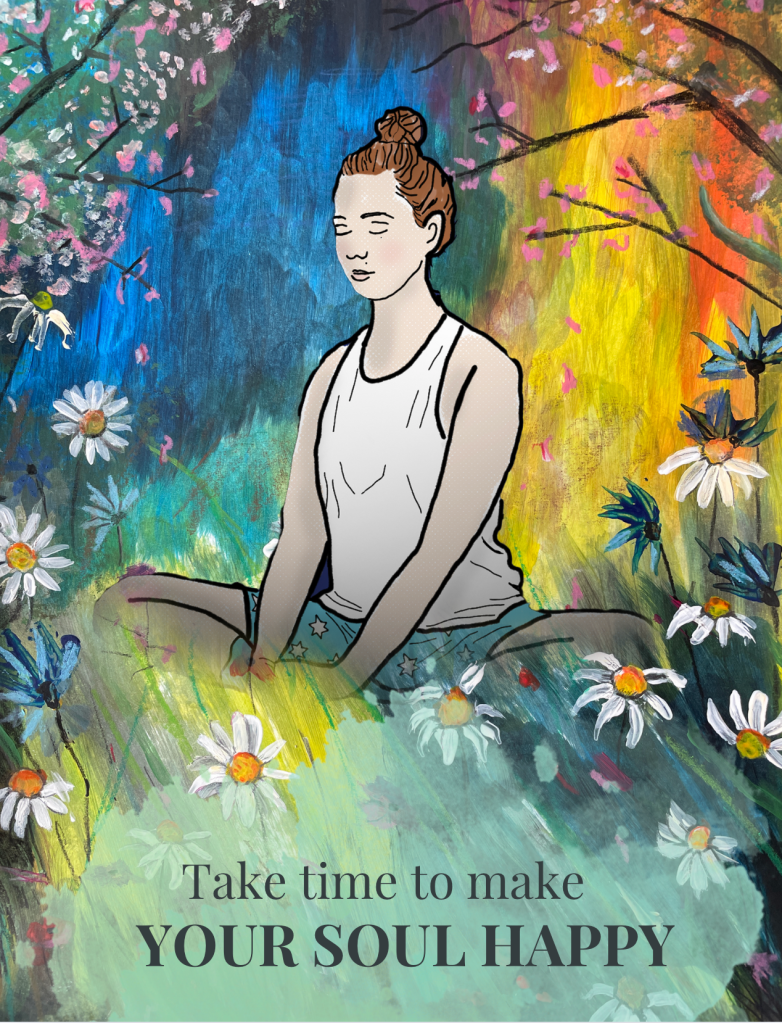
Fig. 6 Take time to make your soul happy (2024)

Six

This drawing incorporates elements from part two and part four. The alice clay sculpture can be faintly seen in the water.
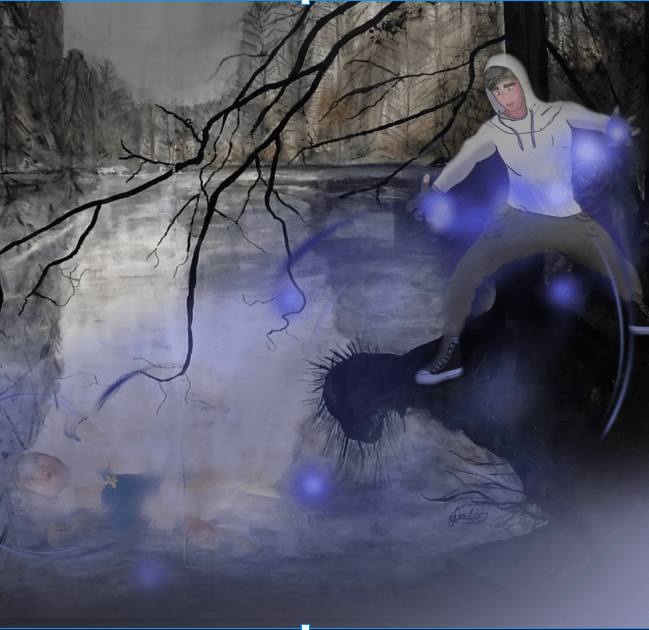
Fig. 7 Wizard saving Alice (2024)

Seven

This drawing incorporates elements from part two and and assignment four.
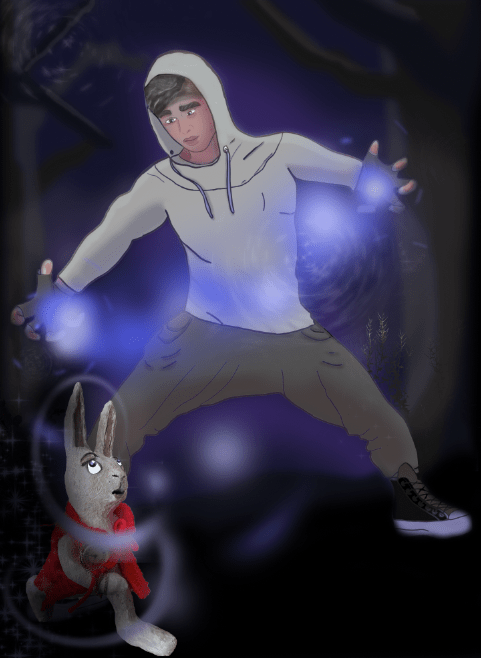
Fig. 8 Wizard capturing the rabbit (2024)

Eight

This drawing incorporates elements from part three and four.
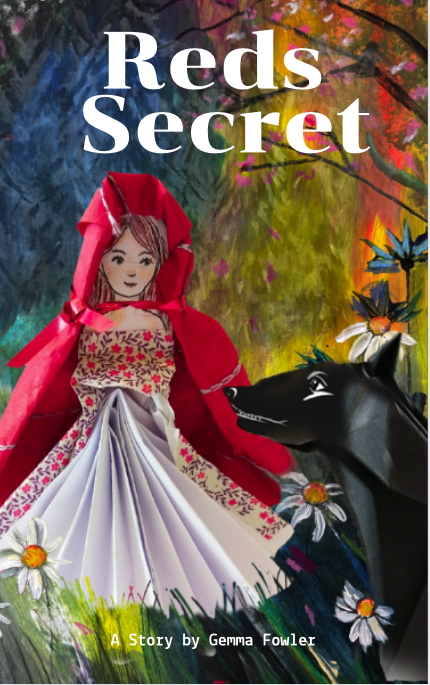
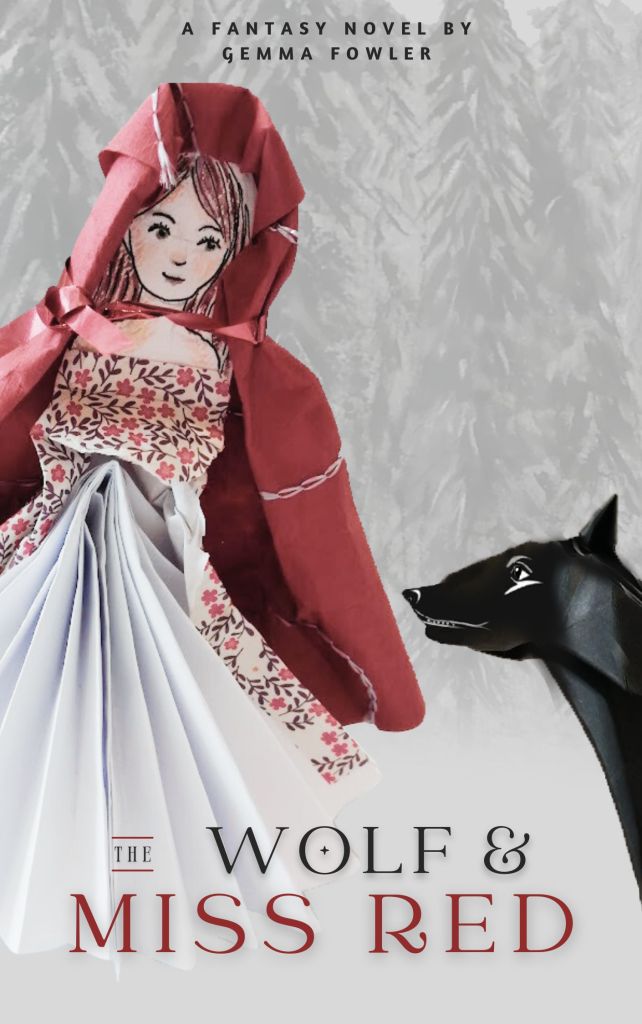
Fig. 9 Reds Secret (2024)

Nine

This image incoperates ellements from each part of the unit. It reminded me of some of the dreams I have had in the past.
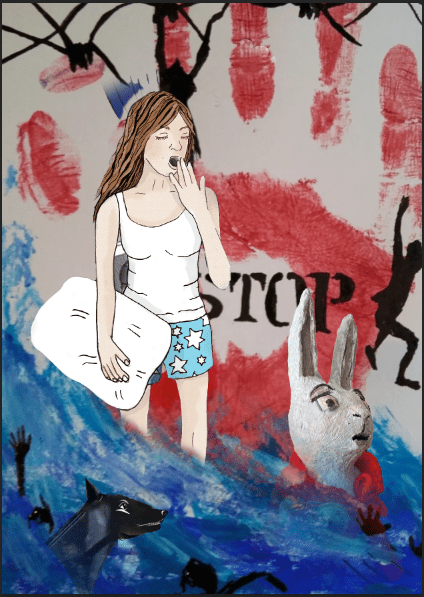
Fig. 10 Am I dreaming (2024)

Ten

This illustration incoperates elements from part two and four.
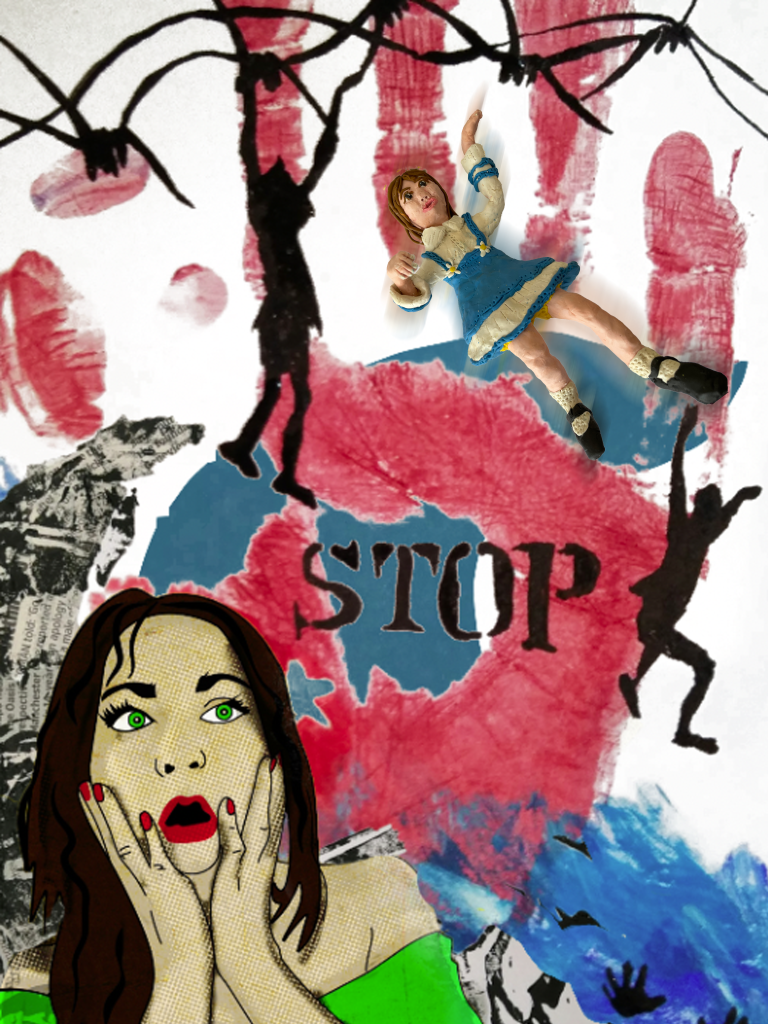
Fig. 11 Stop (2024)

Reflection

The process of combining different elements from various past images has allowed me to explore new perspectives and create unique visual narratives. By digitally segmenting certain areas, I was able to play with composition and create unexpected connections between the original artworks. Overall, this exercise has pushed me to think outside the box and experiment with my creativity in a new way. The final images show a blend of colours, textures, and shapes that were not originally present in the individual images. From all of the new illustrations my favourites are number one, seven and eight as I think they could be used in childrens books.

List of illustrations

Fig. 1 Fowler, G (2024) schoolboy down the rabbit hole [mixed media] In possession of the author: Forest of Dean, UK.

Fig. 2 Fowler, G (2024) schoolboy down the rabbit hole mockup [digital artwork] In possession of the author: Forest of Dean, UK.

Fig. 3 Fowler, G (2024) Fleeting Rabbit [mixed media] In possession of the author: Forest of Dean, UK.

Fig. 4 Fowler, G (2024) Rabbit going home [mixed media] In possession of the author: Forest of Dean, UK.

Fig. 5 Fowler, G (2024) Bats [mixed media] In possession of the author: Forest of Dean, UK.

Fig. 6 Fowler, G (2024) Take time to make your soul happy [mixed media] In possession of the author: Forest of Dean, UK.

Fig. 7 Fowler, G (2024) Wizard saving Alice [mixed media] In possession of the author: Forest of Dean, UK.

Fig. 8 Fowler, G (2024) Wizard capturing the rabbit [Digital illustration and clay sculptute] In possession of the author: Forest of Dean, UK.

Fig. 9 Fowler, G (2024) Reds Secret [mixed media] In possession of the author: Forest of Dean, UK.

Fig. 10 Fowler, G (2024) Am I dreaming [collage] In possession of the author: Forest of Dean, UK.

Fig. 11 Fowler, G (2024) Stop [collage] In possession of the author: Forest of Dean, UK.
Categories
Coursework Part Five: Personal Project

Exercise 2:​ Creative Audit


To think about my final assignment I looked back through all of my artwork created for this unit and identified the works that I think are particually successful.

 To do this I reviewed my sketchbooks, as well as the finished pieces and  read back over my reflective statements and notes in my learning log for each part of the course and made notes.

Part One – What was involved 

  • In Part One of the course I considered my workplace, working process, concepts and ideas key to visual thinking like flow, and play and how they can be used to develop thinking and making processes.
  • For one of the tasks, I illustrated my ideal studio, which I liked not just picturing but also creating humour by including my son and pets in the illustration. 
  • For the assignment, I created an A2 playful illustration by making purposeful markings of varying sizes and shapes from one corner of the paper to another with various mediums. Once finished, I chose sections representing distinct feelings and created additional images.

What I learnt during Part One 

  • To not be afraid of making mistakes 
  • That random mark-making can be an effective method for conquering the blank page and generating fresh ideas.
  • Doodling on a page allowed me to select little portions and create fresh illustrations with emotional significance that I could envision being utilised for various items.

Part Two – What was involved 

In part two I developed these concepts and ideas to examine several approaches to generate ideas and visual thinking through controlled, randomised and accidental working methodologies. These included:

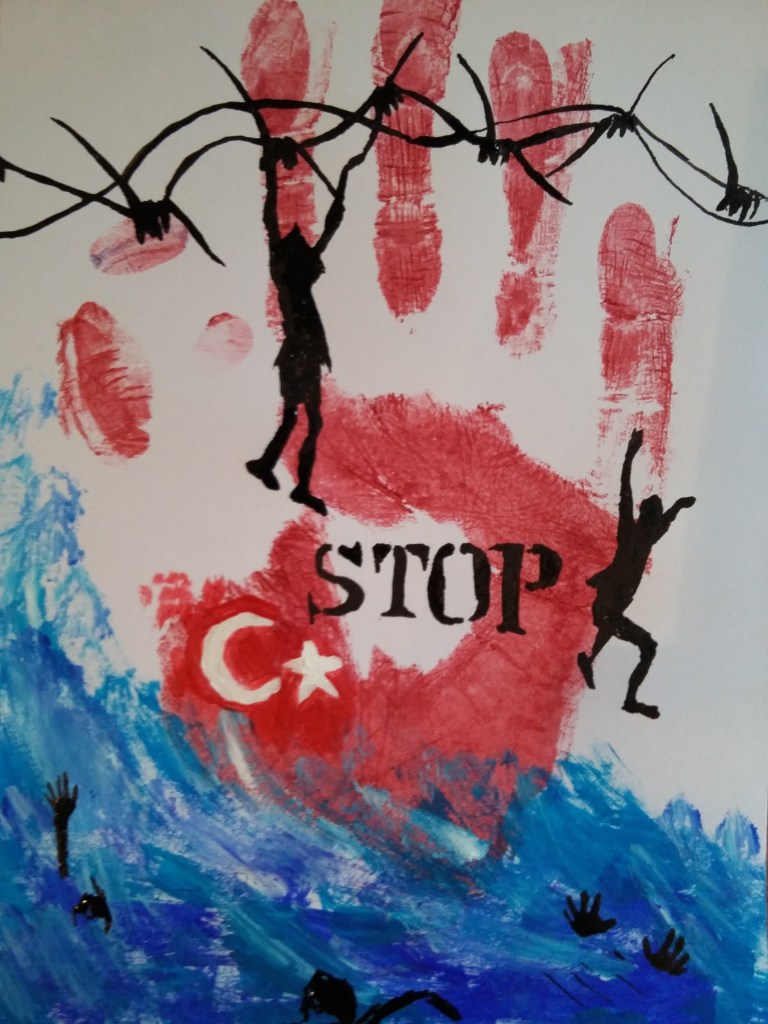
  • An exercise called Composing Pictures. This involved collaging existing works into something new. This included a successful, political collage. 
  • Creating collages from daily tabloids 
  • Creating a word poem by the use of a word processing application and then creating illustrations for each word and eventually combining them all into one coherent image.
  • Assignment 2 I created a video presentation of my work during the unit.
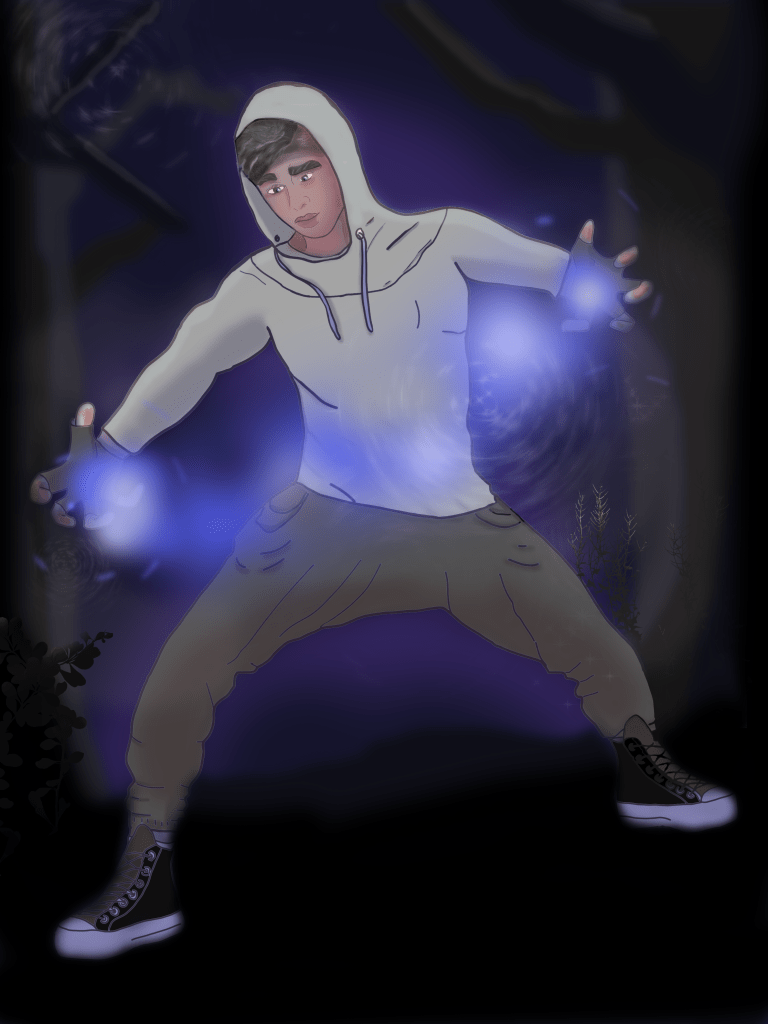
  • Playing the word association game by creating mind maps to help generate new ideas. This led to a successful illustration of a Wizard where I tested my technical skills. 
  • Choosing a word and making a list of all the different manifestations that a word can take. Then I made each manifestation into illustrations.
  • Multi-dimensional thinking strategies.

What I learnt during Part Two

I have explored many concepts and attempted various methods to develop new ideas during this section of the course. I have learned a great deal from this. I am inspired to make illustrations that evoke emotions or convey a message somehow because of them.

It has also taught me not to be afraid to do new things, even if I don’t end up with the greatest piece of art, since it will lead to other opportunities and further my artistic development. 

During part two, I created a comfort zone illustration by writing down topics that make me uncomfortable and comfortable and categorising them into different coloured circles. I concluded that I should repeat this exercise to evaluate if my skills and weaknesses had changed.  Below is the original.

First, I edited the original, deleting all unrelated topics, and then created a new one focusing solely on my illustration concerns and skills to see if anything changed. 

I was pleasantly delighted that several topics have now moved into my comfort zone rather than the danger zone, proving to me that I have grown as an artist over this course and gained more confidence than I thought possible.  

Part three

  • In part three I examined various technical, stylistic and creative processes and explored and experimented with the ideas of duration, scale and movement through creative making. These included:
  • Paper folding where I learnt skills in Origami and tested my perseverance.
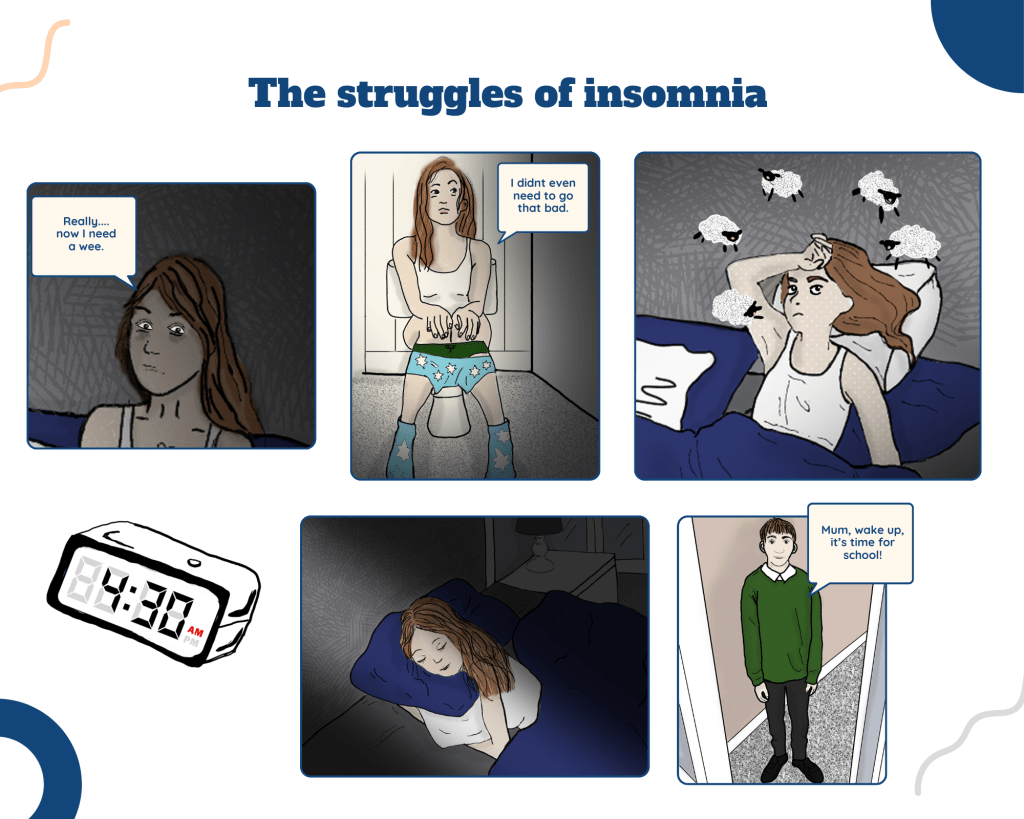
  • Created a comic based on my own experiences with the struggles of Insomnia.
  • I created rapid portraits of facial expressions using plasticine and found my love of sculpture again.
  • Continuous line sketches 
  • Assignment three I created an animation about a ballet dancer struggling with the torments of bullies. 

What I learnt during Part Three

  • To make time to play and have fun experimenting 
  • I have found my love of working with clay again.
  • I have strengthened my hand and eye coordination by practising continuous line drawing.

Part four

In Part Four I selected one of three possible themes to develop my own visual research, experimentation and creative process culminating in a body of original artwork. Working with the theme ‘ Imagination’ This assignment brought my observational skills, innovative strategies and making methods together to fully develop my ideas and concepts into a coherent body of artwork. 

The assignment was based on my interpretation of some of the scenes from Alice in Wonderland 

What I learnt during Part Four

  • The importance of asking for feedback on my work 
  • I enjoy creating work from my imagination 
  • This assignment has proved that I want to become a children’s book illustrator because of how much I have enjoyed it. 
  • I have developed a unique artistic style. 

After I selected 10 pieces of work I have made in this unit I think are particularly successful. These are shown below including a link to an animation I made.

By doing this, I have identifyed what has worked during the course and can see how I can build upon the work I have produced so far.

Additionally, to help me visualise my work altogether I have produced a small vitual gallery. This can be seen by clicking on the link below.

Virtual Gallery

Categories
Part Five: Personal Project Reflection on tutor feedback

Exercise 1: Reflection on Part Four

When I finished Assignment 4, I was concerned about what my tutor would think of my work. For as long as I can remember, I’ve felt like my work isn’t good enough. However, after receiving feedback from my tutor, I understood that my concerns were unfounded because the tutor provided great feedback. This event led me to be more confident in my abilities. I’m more motivated to keep working hard on this course. It gave me a huge boost of confidence and assured me that I was on the right course with my studies. 

The concept of imagination that I chose for the assignment is so broad that it encouraged me to think outside the box by employing mind maps and primary research. For the first time, this led my work to reflects my personal style. 

Reflecting on my visual approach to the task, I would proceed in the same manner that I would with the research. Visiting Oxford helped me engage with the story on a different level. Throughout the journey, I imagined myself as Alice in a variety of settings, including visiting the river she would have taken boat rides on, seeing the fields she would have played in, and the inspiration around Oxford that led Lewis Carroll, all of which helped me channel those ideas into my artwork. 

The final images’ strengths are that they demonstrate perspective, movement, attention to detail, and expression against a complex background. The illustrations’ flaws could be improved by working on more refined facial expressions with the sculptures I produced, as well as paying closer attention to detail with the sculptures. This might be accomplished by adding whiskers to the rabbit and more detail to the fur. This could be accomplished by researching human or animal facial anatomy to create more realistic depictions. 

The work’s scale was suitable for assignment four, but going forward, I’ll need to make sure I set up the right size at the start of the project to prevent it from unintentionally becoming distorted in any way. For example, if I want my work to be used as book illustrations or merchandise.