For this question, I had to read and answer the following questions.
What do you need to be creative?
I have always had a strong will to be creative. I used to create clay sculptures, Fimo jewellery, write stories, create games, and make pottery on my kick wheel potter’s wheel that my dad and I had restored when I was a young child. Combined with continual painting, drawing, and reading. Yet, I had little skill or interest in anything academic, especially maths. Therefore a good imagination, which I inherited from my love of reading, is important to help be creative. Yet, it also demands perseverance and endurance. I can think of numerous occasions when a project I was creating failed. For instance, a pot I made on my potter’s wheel that was crooked. Or a painting where the paint merged in the wrong place.
I think what I am trying to convey is that to be creative; we need to be willing to attempt new things and explore new possibilities. A gorgeous sunset, a stroll through the woods, a recent artist piece, or something that happened throughout the day can all serve as inspiration for me to get started on my work.
Are there certain factors that are important for you to develop your work?
During this degree I have learnt a lot and have realised many factors that help me to develop. I have gained a lot of knowledge and have realised a lot of things that help me improve my work effectively. I wish I had known these things earlier, but that is progress all by itself.
Below is a list of the factors I have realised help me to develop my work.
Experimenting
The secret to discovering anything that works is experimentation. Regrettably, I do not do enough of this. Usually, this is because I did not allow enough time to include this into my practise.
Time management
This leads me to my next topic, which is time management. It is imperative I ensure that I provide enough time for study, blogging, experimenting, and creating. To allow myself time to take a break from my work. This is crucial because occasionally, after a break, when I return to my work, I can find fresh perspectives or a method to advance the project.
Research
I always undertake extensive study before starting any work, and it helps me to produce fresh ideas.
Environment
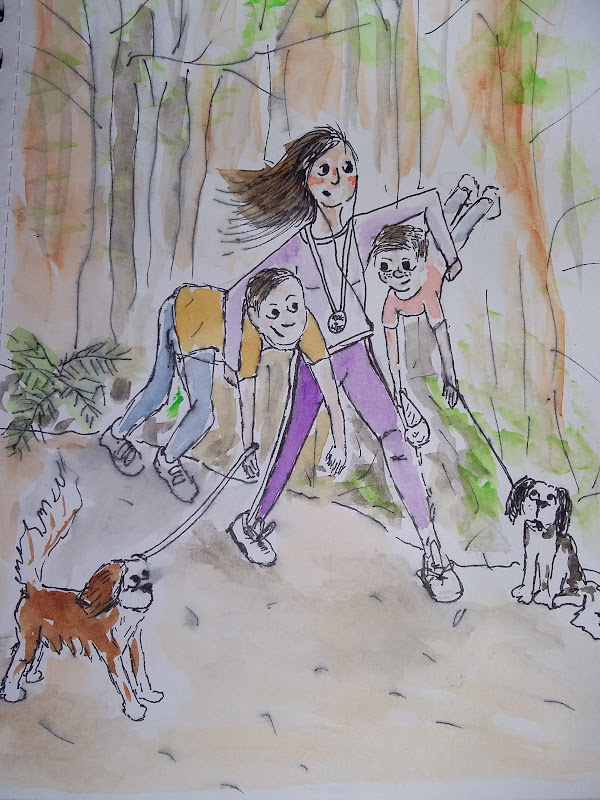
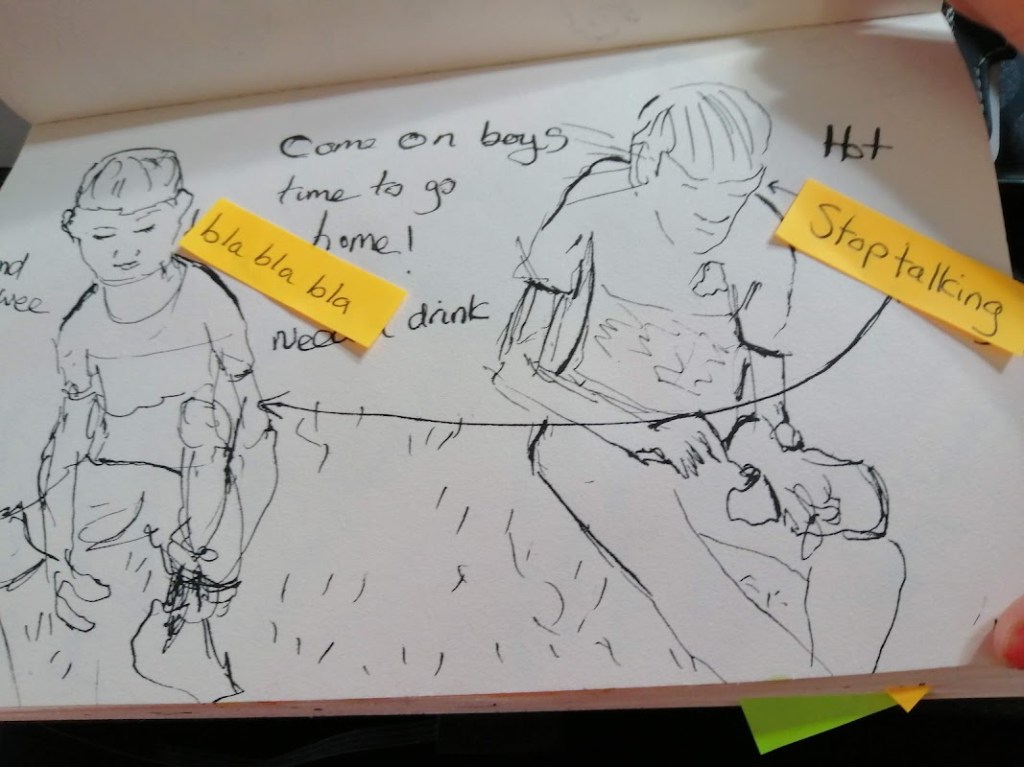
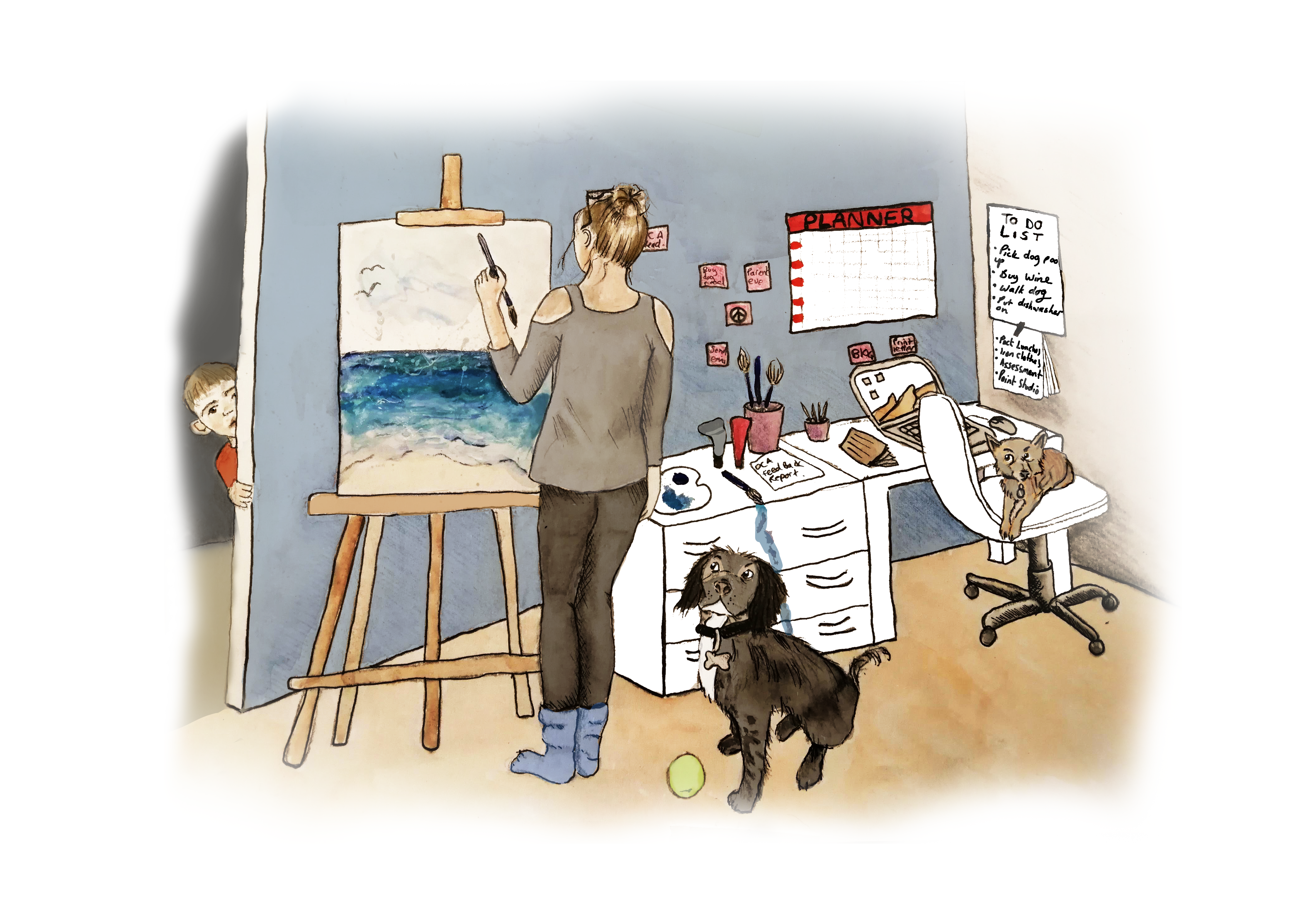
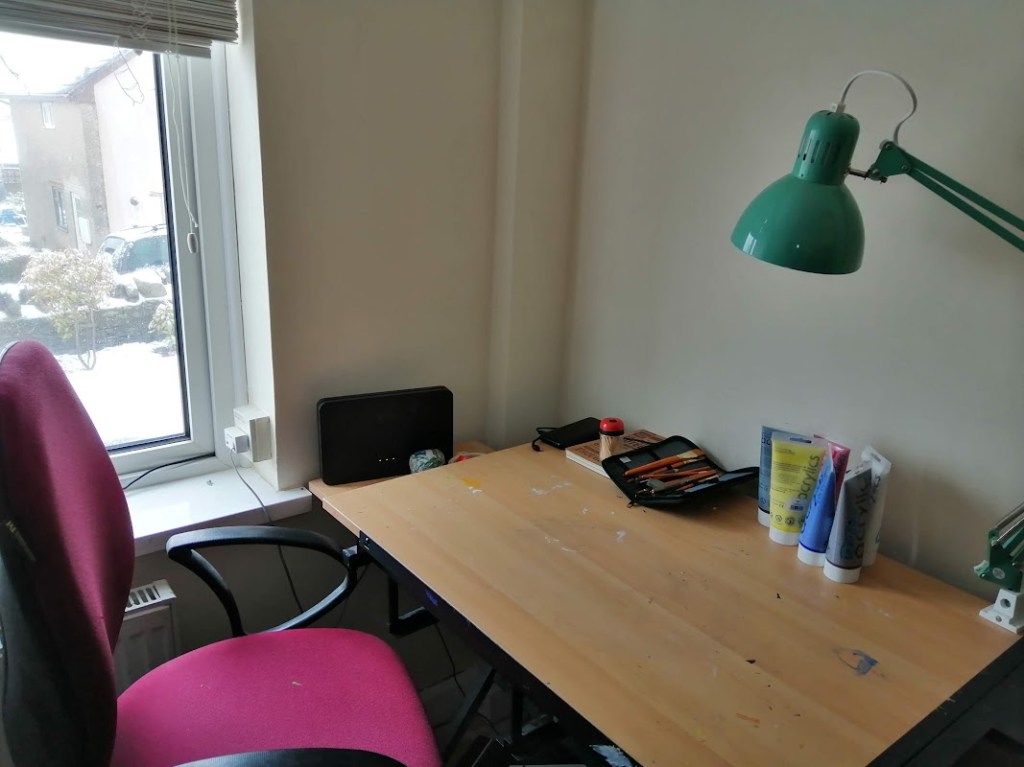
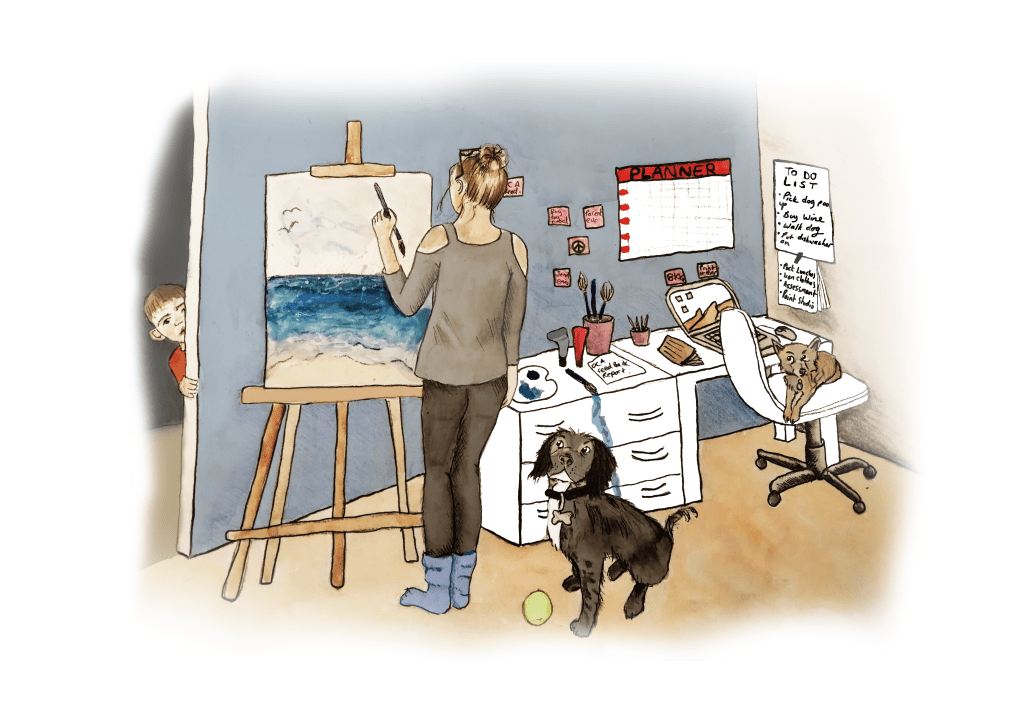
I need a comfortable workspace because I find it difficult to produce ideas while my kids are yelling and frequently fighting behind me. In addition, with my pets demanding my attention. This is the reason I am currently converting my children’s old playroom into a studio. It will improve my progress by having a room set up with inspiration boards, relaxing music, a creative workplace, and a peaceful environment to work in.
Collaboration
I was quite shy at the start of the course and did not want to share any of my artistic attempts. I thought I was not good enough and was afraid of other people’s judgements. Now, I no longer think in this way. It is crucial to share my work, and I frequently do this by uploading images of my projects to the Discord chat site. I also send pictures to my loved ones and friends. My peers’ feedback is extremely helpful to me. Yes, it is a little intimidating when I first upload my work because I obviously want people to appreciate it. However, they may spot something in the creative piece that does not work. It might be the composition, alignment, or typeface, and by showing my work to others, they get a different viewpoint and can provide their ideas. I may incorporate their ideas into my work and develop it accordingly.
When, where, and how do you work? How might you develop this approach further?
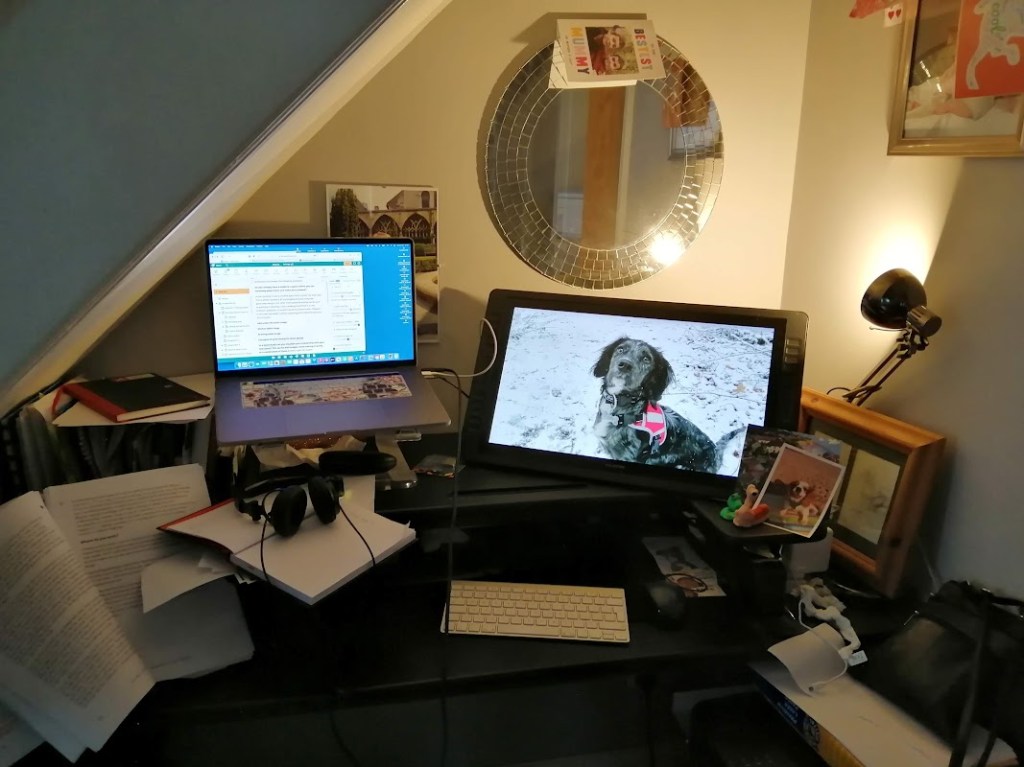
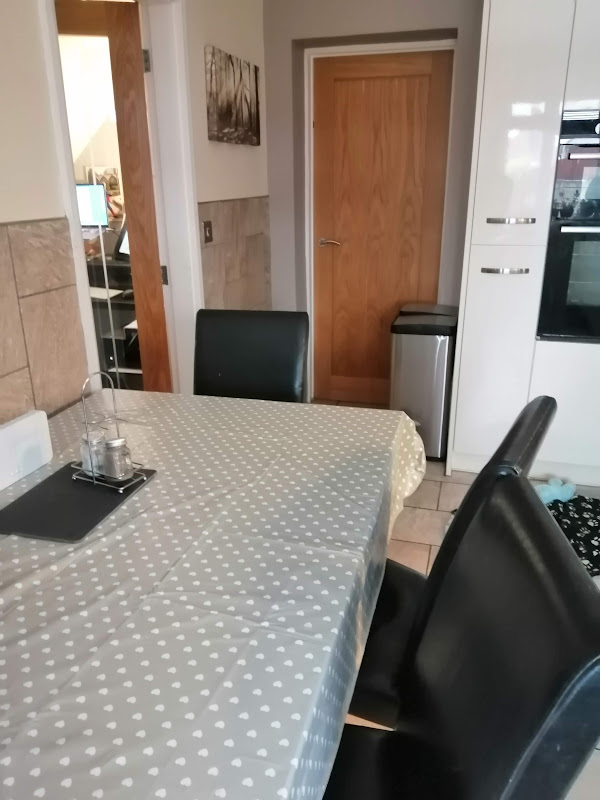
I work primarily under my stairs as was previously mentioned. Here, I conduct research, write blogs, and create computer-generated designs. I will, however, utilise the kitchen table or an art table that is in my children’s playroom when I need to be creative. I work primarily during my children’s school hours, but I also try to squeeze it in whenever and whenever I have free time.
Given your creative process, how do you best document your work? What kinds of questions do you use to reflect on your work?
Any time I finish a piece of creative work, I will take photos of it and post it to my WordPress blog. I will describe what I did followed by a reflection on what worked and what did not during the creative process. I have a lot of questions for myself when I consider my work, some of which might be as follows:
- What inspired me in the project, and how did that influence me?
- What method did I use, what techniques did I use?
- What were the biggest challenges I faced during the project and how did I overcome them?
- What about this work do I like the most, and how could I make it better if I were to do it again or work on something similar in the future?
- What did I learn while creating this piece, and how can I apply what I have learnt to future work?
- What do I want to explore or experiment with in future works, based on what I learned from this piece?
- How can I challenge myself creatively in my next project, and what new techniques or approaches do I want to try?
- Does the work contain a message or meaning and what impact do I hope it will have on others? (Depending on what the artwork is)
How important is reflection to your process?
In my process, reflection is important. But when I first started the degree, I did not understand why it was so helpful; instead, I just thought it was a hassle. However, I now realise that it helps in my ability to comprehend my own artistic process. It makes me aware of my weaknesses and strengths, which help me produce new strategies to use in future projects. Also, it reveals to my tutor where I am having trouble, so they may offer me advice. It is helpful to reflect on my work so I can explain to people why I did what I did and what the meaning was. Overall, it helps me grow my skills and artistic expression.
Can you develop new questions or prompts?
One question I realised I forgot to include above is, did I achieve what I set out to do? And if not why? This question then leads to, has my plan shifted or changed since starting, and if so, how?
What feedback have I received from people? Did this assist me in the development of the project?
How does this reflection help feed back into your making? How would you describe your creative process?
I am a little confused by this question because I feel like I have already answered it, but to sum up, the reflection process is helpful because it gives me a way to move forward. I can strengthen my weaknesses and develop skills that I might not have known I had if I had not thought about the project in detail.
What sort of stages do you go through to initiate and develop your ideas and work?
Understanding the brief
To start a project, I will read the brief, then create a list of keywords from the brief. This helps me to understand what the problem is and how to find the solution.
Collect information
Next, I will collect relevant information. These could be books, photographs or anything that will give me inspiration.
Research
I will research the topic first, but along the way sometimes my ideas shift and develop in a way I didn’t imagine. Therefore, I will need to continue to research throughout the project.
How important are restrictions to the process?
It is crucial to have limitations during the project. It is easy to get distracted by something and run out of time to do the remaining tasks on the project. For instance, as said above I spend a lot of time researching, which helps me produce ideas, but because I do it for too long, I frequently run out of time to experiment and explore.
Do you start with an idea or proposal, start making and see where it takes you, or work in a different way?
I would say yes, that is how I work. I do start with an idea and see what happens, but sometimes I wish I would explore more avenues.
Do you have any strategies to deal with creative blocks or obstacles? What does experimentation look like to you?
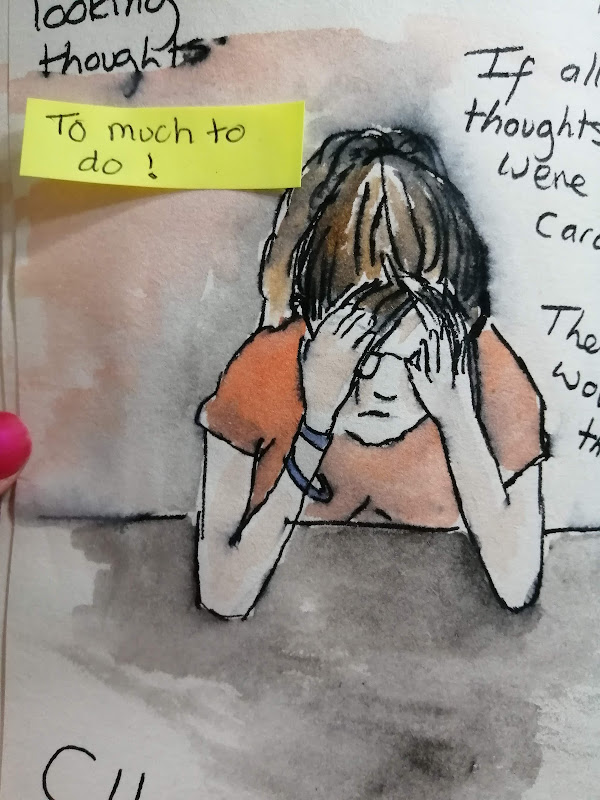
I need some help with this. I frequently get creativity blocks, at the start of a project. I do not handle it very well. I get discouraged and put off dealing with the obstacle. I am aware that this is not helping me.
Where do you work, what kind of physical spaces do you need? When do you work, and how best can you structure your time?
As said before, I am in the process of setting up a studio and work when my children are at school.
How do you draw on inspiration to feed your creativity?
I currently get inspiration from books, the internet, and Pinterest. I am aware, though, that I need to widen the places I find inspiration, such as museums and art galleries. Nevertheless, I have a tough time scheduling time for this because I squeeze study time into the week around collecting the children from school. Plus, I do not live close to any art galleries and the children’s activities fill the weekends. I could do with some tips on this from my tutor.

 Visual Skills 2