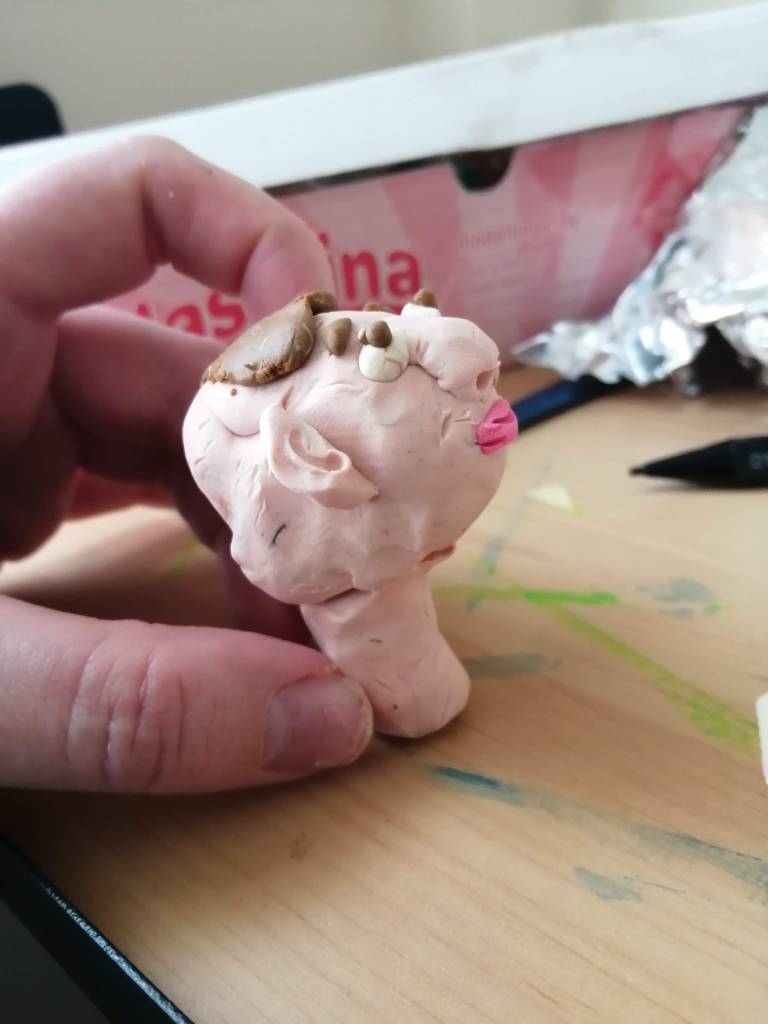
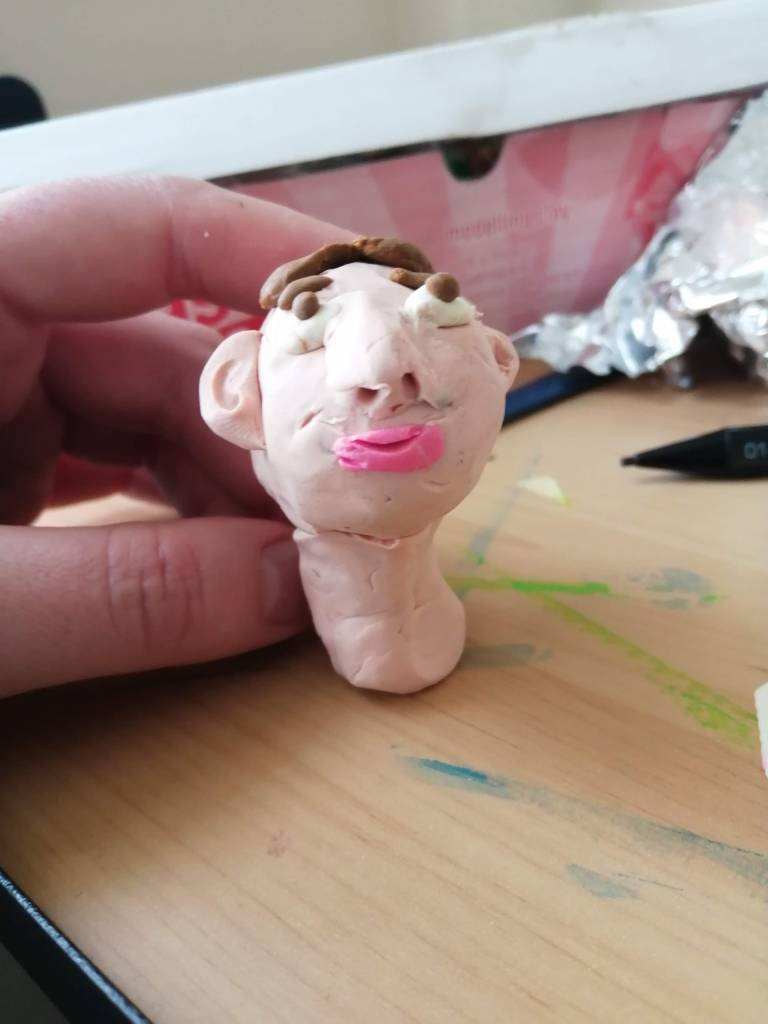
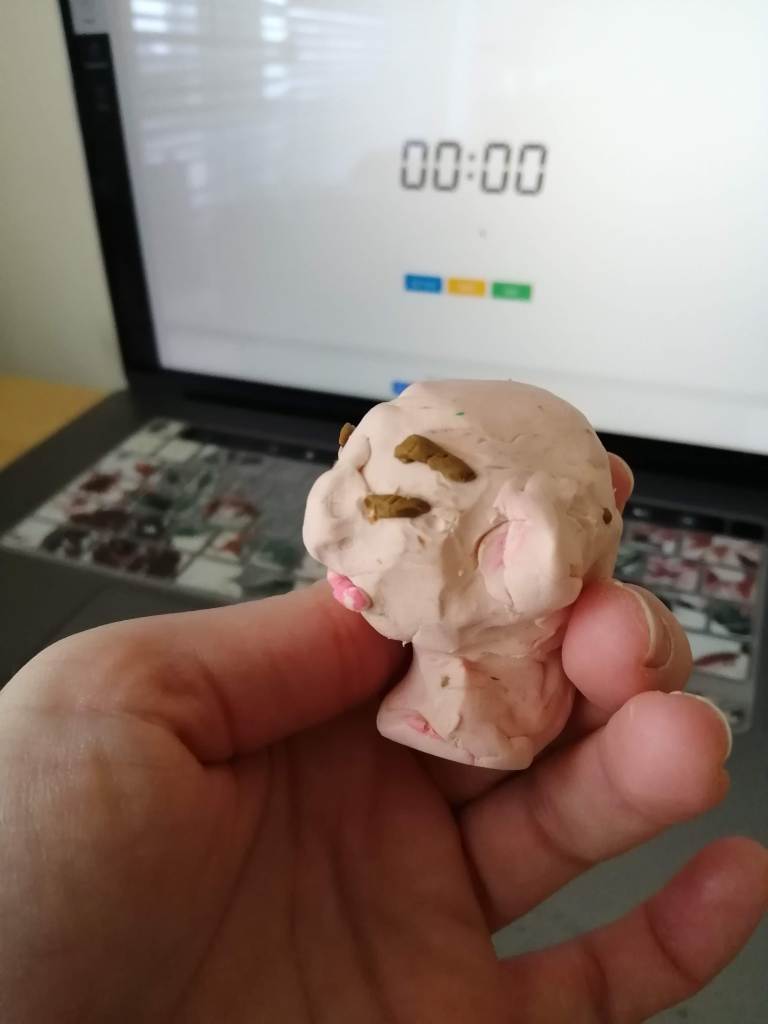
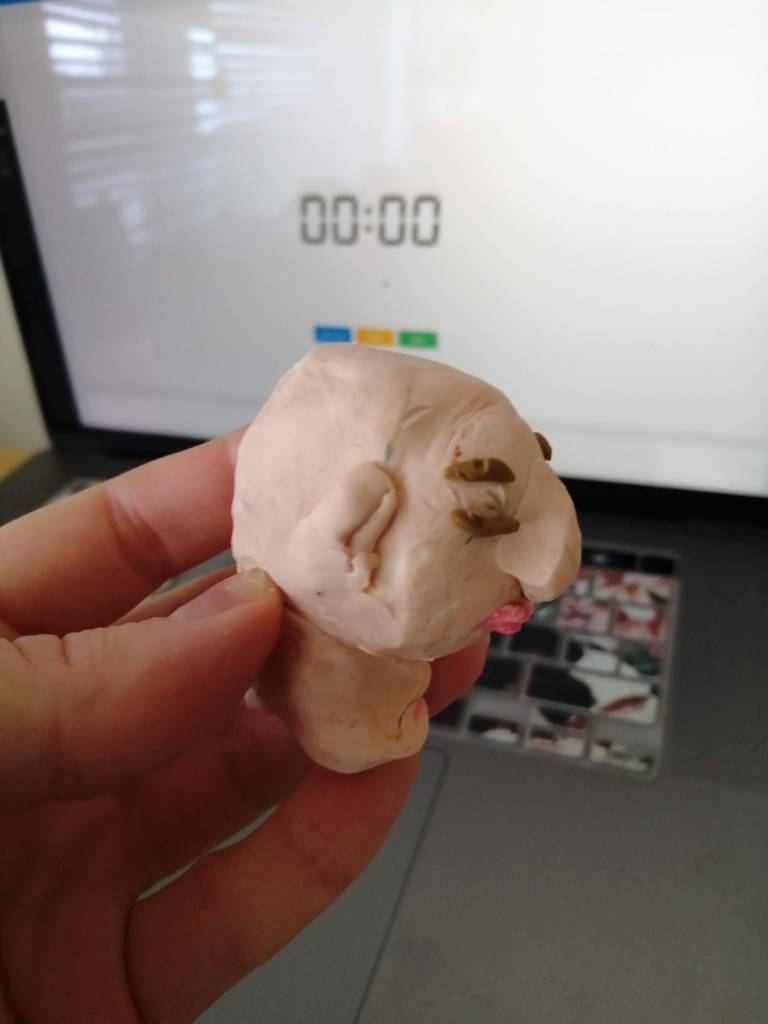
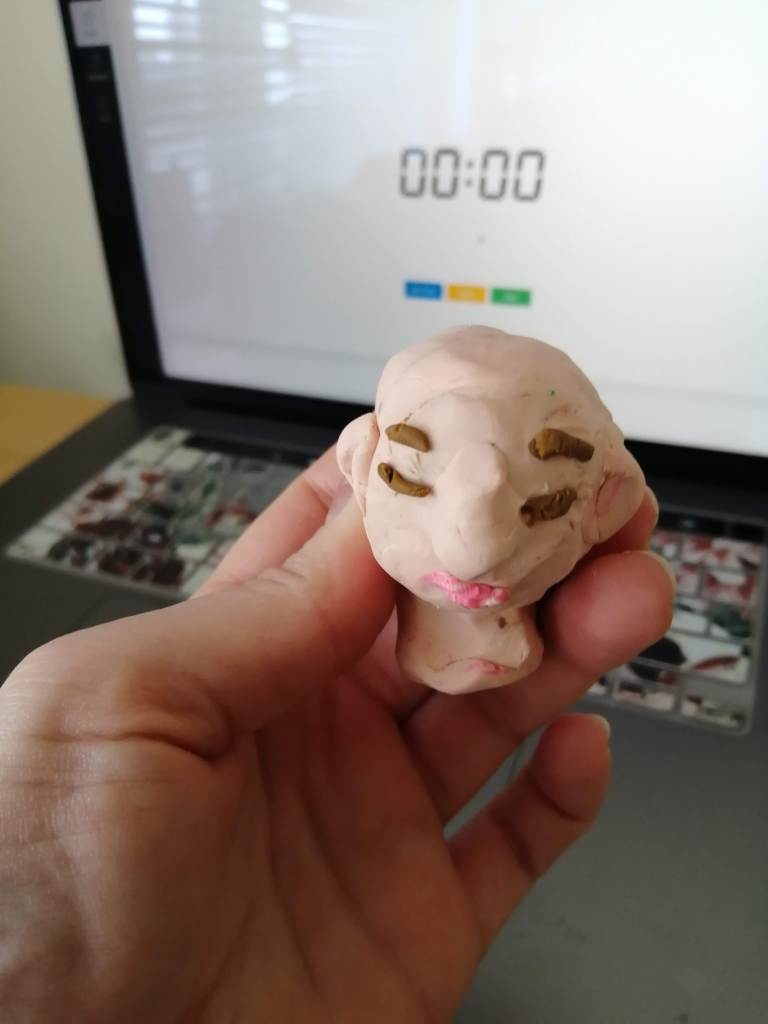
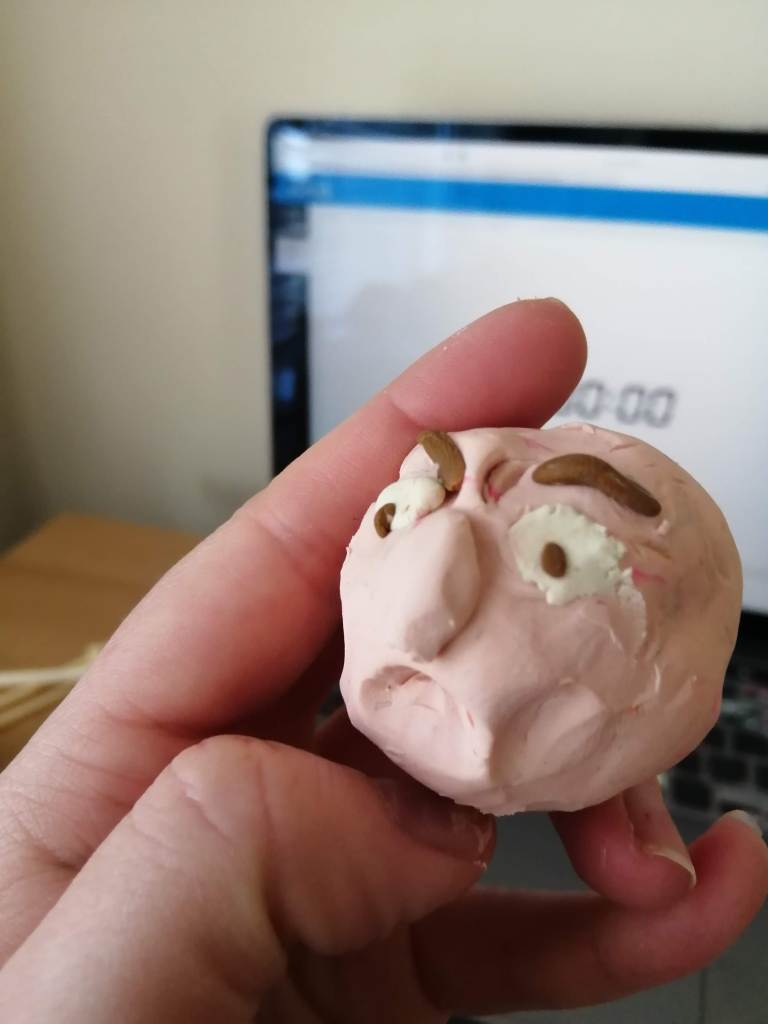
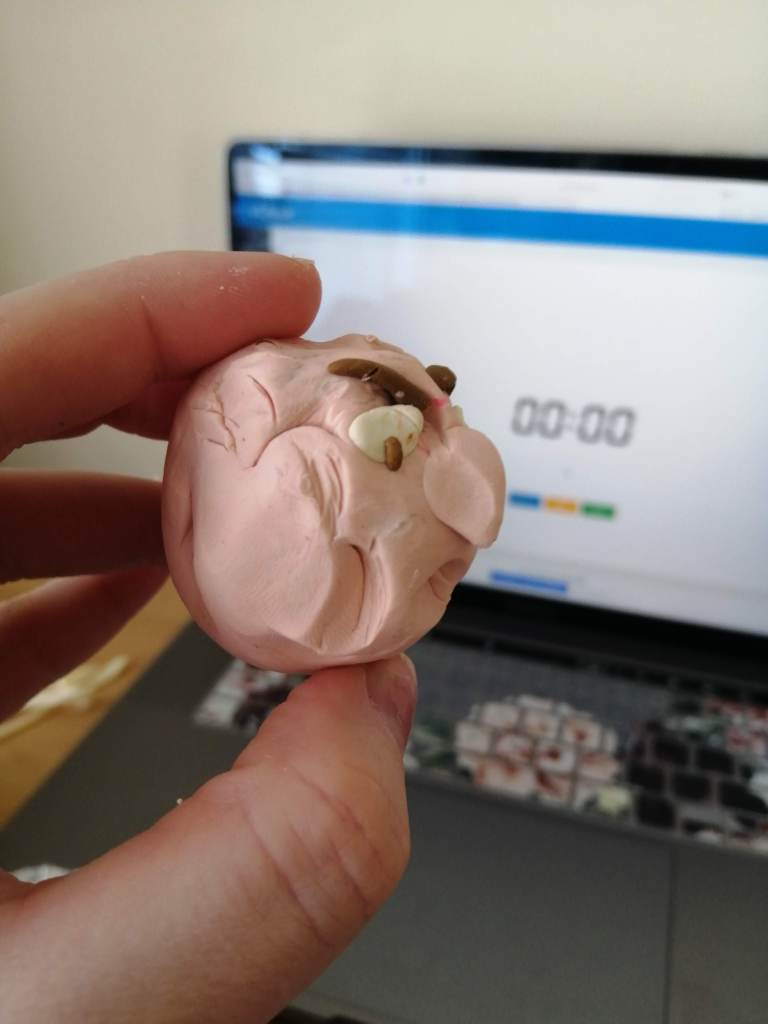
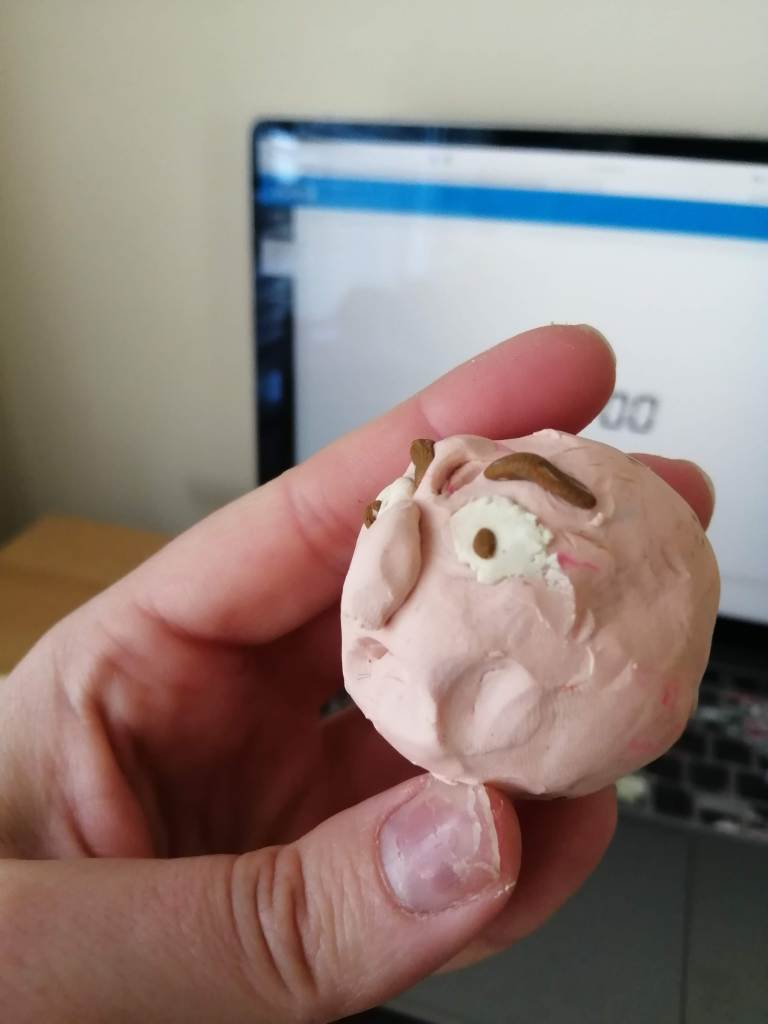
Categories
Coursework Part Three: Making

Exercise 4:​ Small

Option 3: ​Paper Folding

Brief

For this exercise, you will develop a set of characters in 3D form using paper folding. You could use traditional origami techniques to develop your characters, or you could investigate more contemporary paper toys using your own designs, or you could make up your own form of origami!

Once you have made your characters, record and reflect on your results in your learning log, what did you find most challenging? Is this a technique that you have worked with before? Would you attempt this again and if so would you change your approach?

104 Visual Skills 2: Visual Exploration

Keywords from the brief

Develop a set of characters in 3D form using paper folding

You could use :

  • Traditional origami techniques
  • Contemporary paper using your own designs,
  • Make up your own form of origami!

Originally, when reading this exercise, I imagined I would make some characters using the traditional folding techniques of origami. However, this is an art that can take years to learn, so I decided to research paper artists to see what other techniques could be used.

Mary Chau

The first artist I looked at was Mary Chau, who is a paper artist practicing in Vancouver, Canada. Her work consists of intricate layering of paper to create detailed paper characters and scenes that come to life with depth and dimension. Below are some examples of her work.
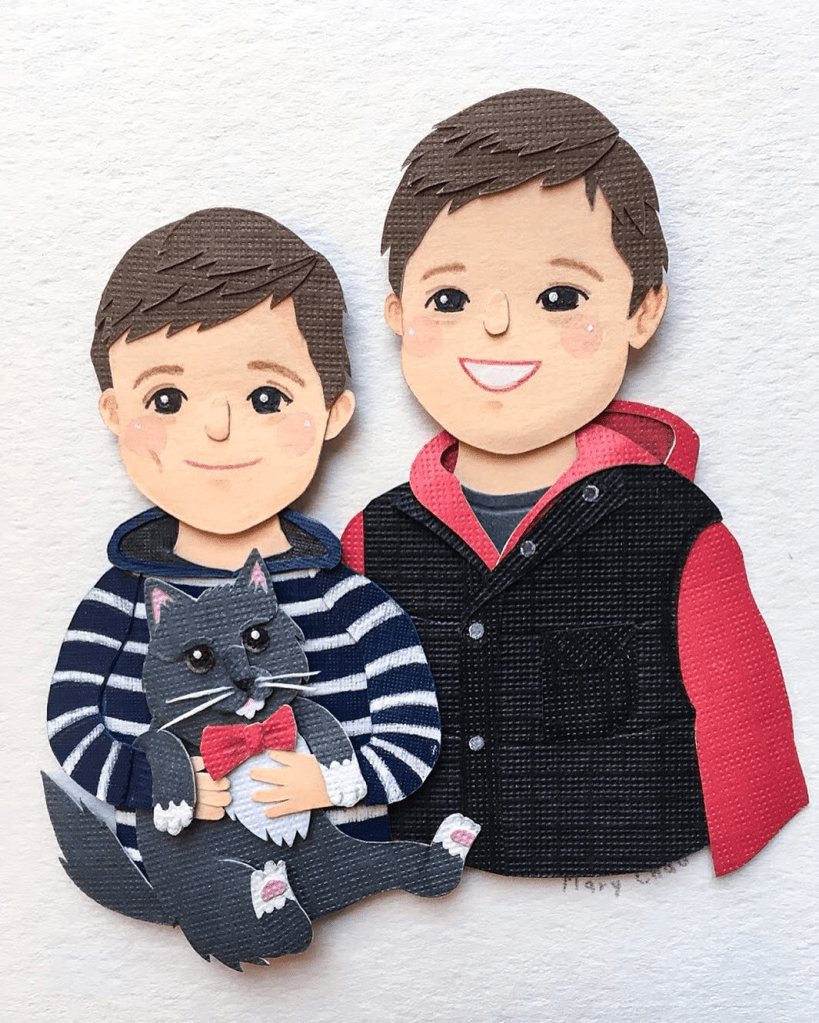
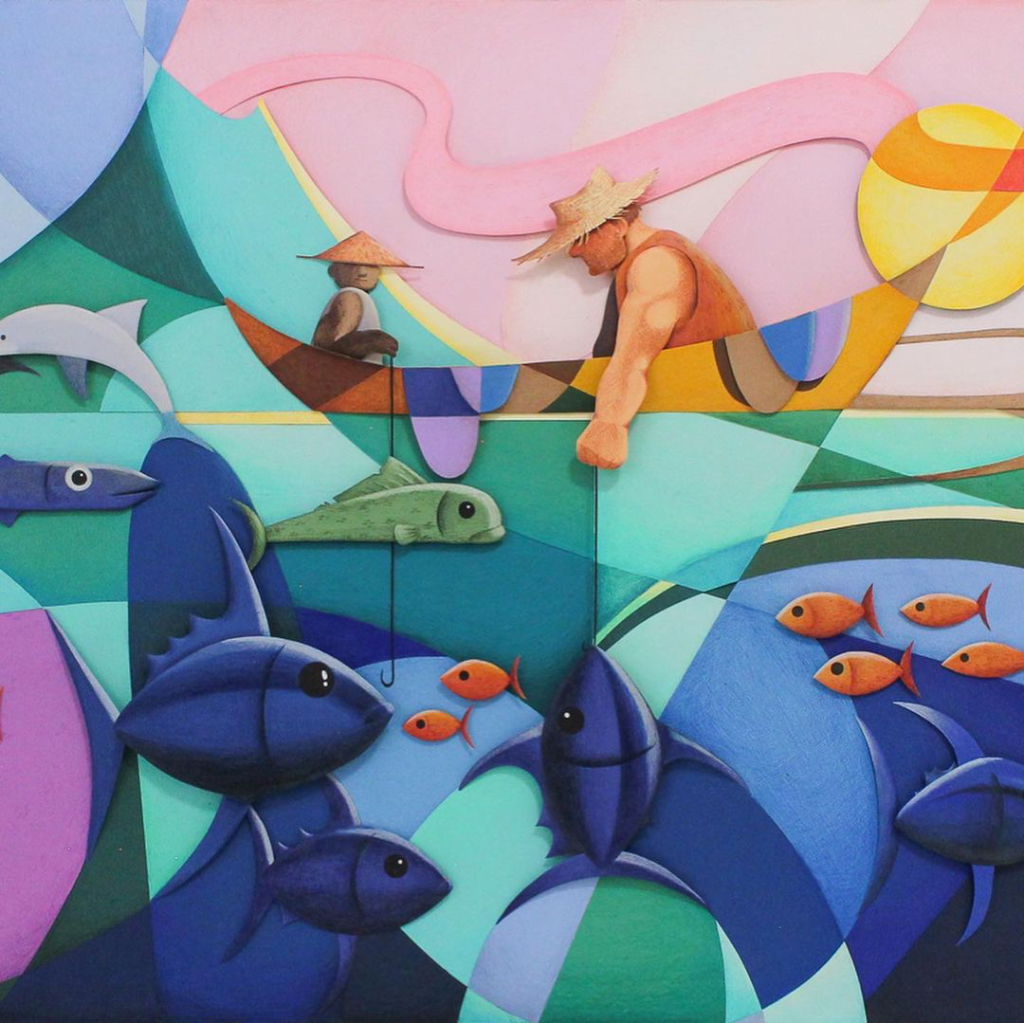
Fig. 1 Two boys (2017)
Fig. 2 Fishing (2022)
Fig. 3 Family portrait (2021)

The next artist I researched was Shelly Hanmo.

Shelly Hanmo

Shellt Hanmo, a self-taught illustrator based in Indianapolis, is another paper artist who creates stunning sculptures with delicate details, textures, and vibrant colours. What I find great about her work is that she uses materials sourced from recycled materials, such as old calendars and paper bags. It was not until Shelly was eighteen that she moved to the US from China. Therefore, Asian influences can be seen in her work, especially in recreating Asian folklore illustrations.

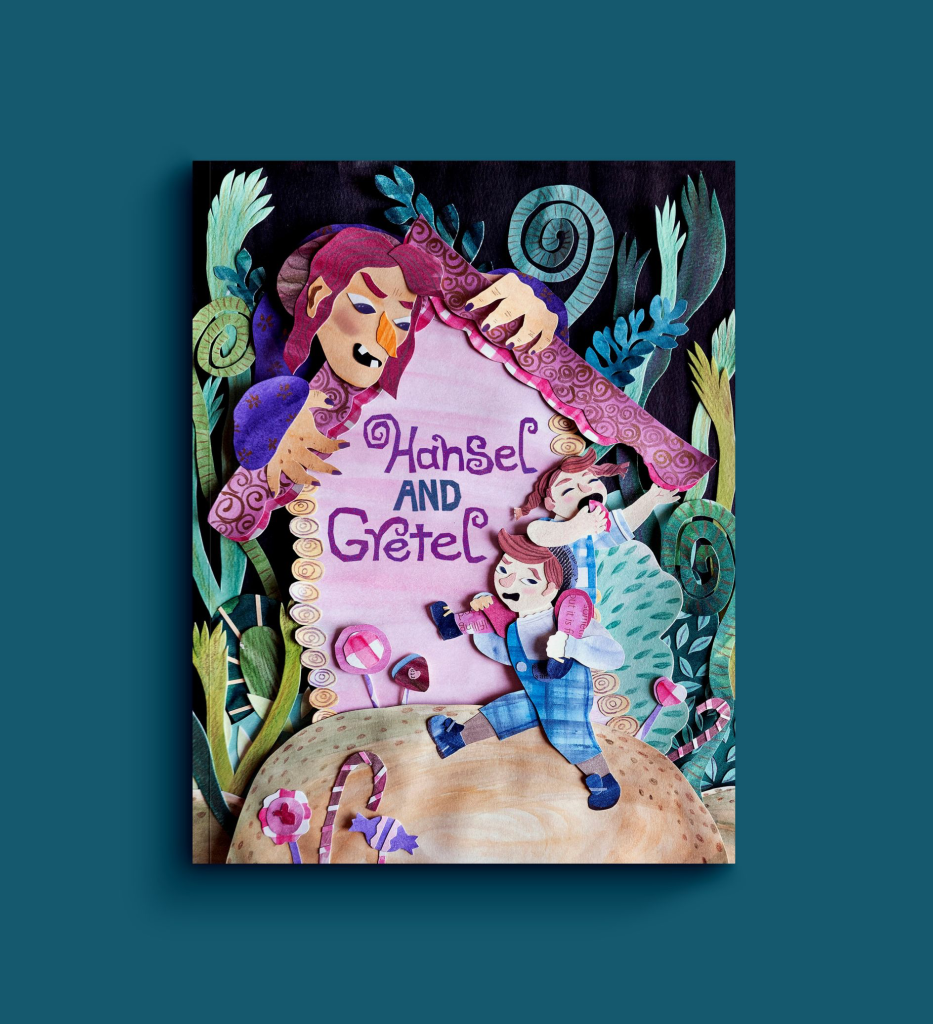
One of my personal favourite stories growing up as a child was Hansel and Gretal. It was lovely to see her interpretation of the story through her creative paper illustration for the front cover of this book.

Fig. 4 Hansel and Gretel (N.D)

The attention to detail and vibrant colours truly bring the story to life in a way that I have never seen done before. 

Martina Aiko

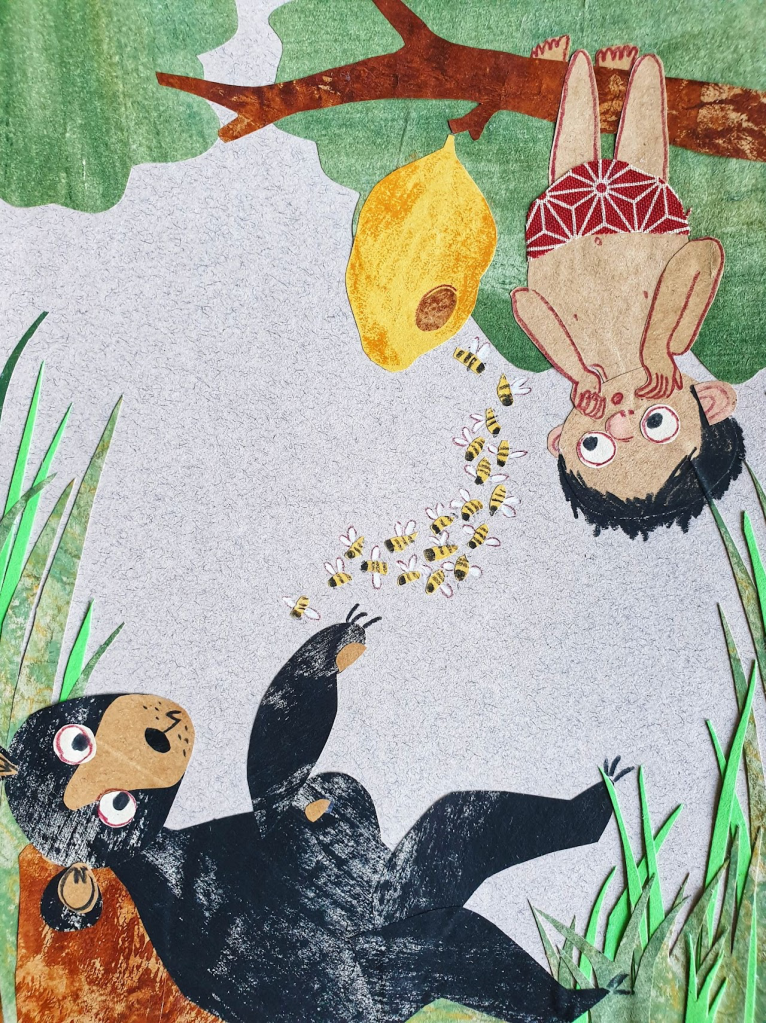
Finally, the last artist I researched is a Swiss illustrator and author called Martina Aiko. Again, this artist works in a very similar style to the previous two, creating illustrations entirely by hand. Her work consists of mixed media and collage. Like the other two artists, her style and intricate designs captured my attention immediately. Below are some examples of her work. You can see the attention to detail and creativity that go into each piece. The illustration below made me laugh, and I resonated with the image as it reminded me of doing pilates in my lounge, where my pet chihuahua Leo, he will often come and sit on me while I exercise. 
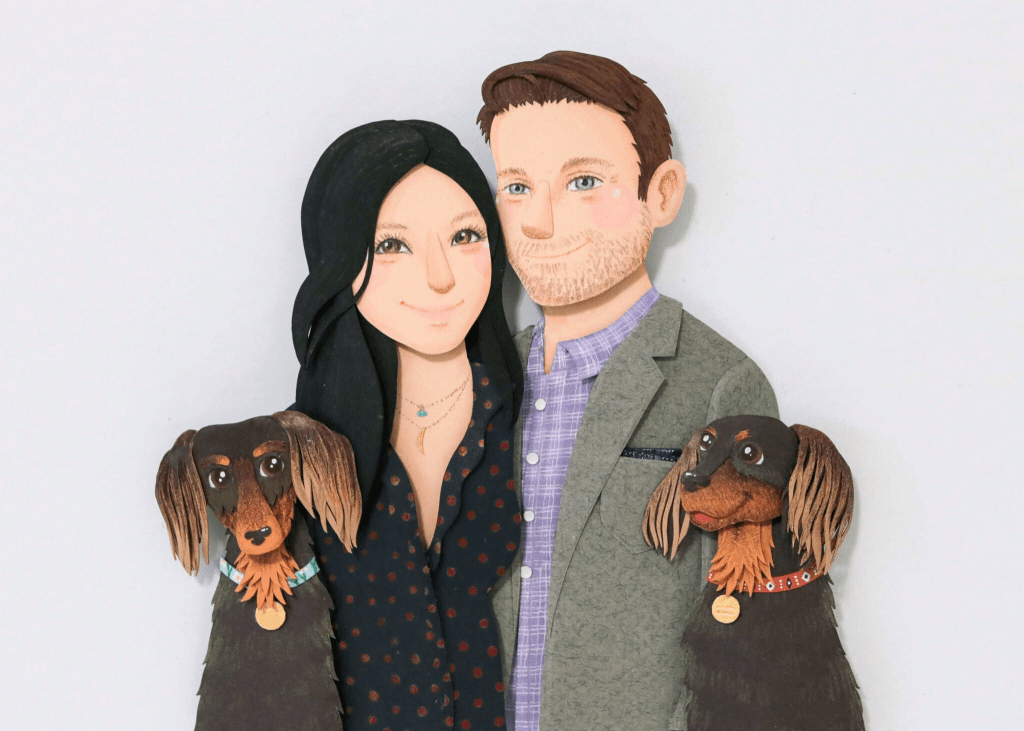
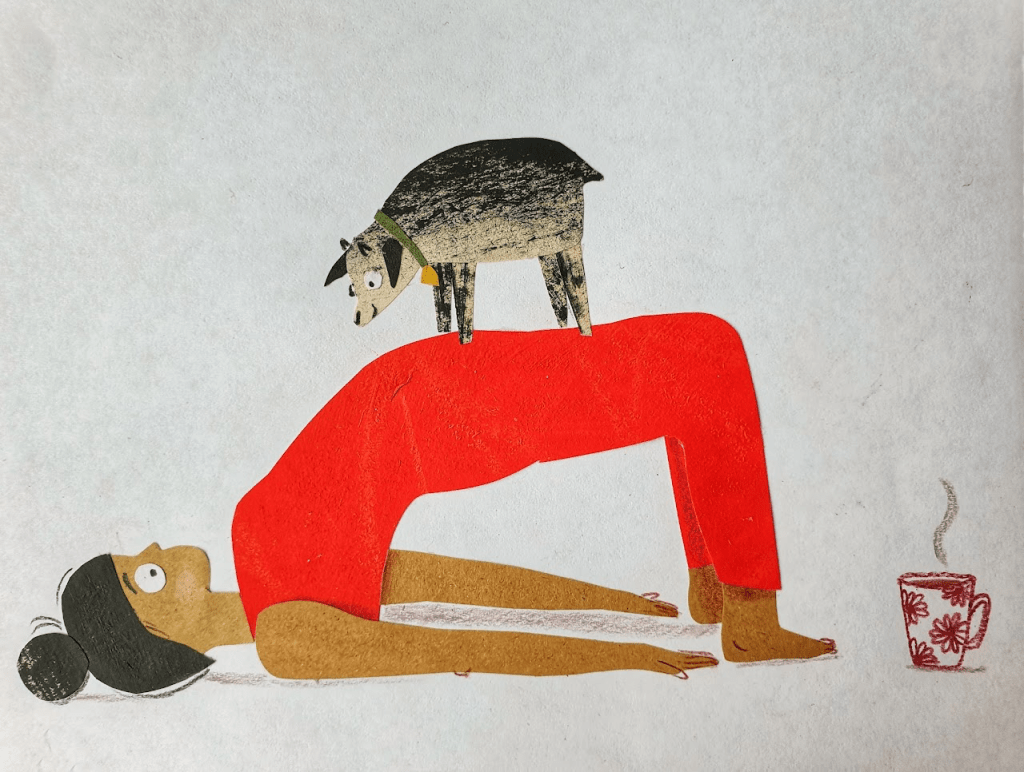
Fig. 5 Yoga (N.D)
Fig.6 Me and Leo (2024)

Other examples of Martina work.

Fig.7 Open pool (N.D)
Fig. 8 Beehive (N.D)

After looking at these artists’ works, I realised that, as much as I like them and their craftsmanship, their work is not quite 3D enough to use as an influence in my work. However, it is something I would like to try myself in the future. Therefore, I would like to experiment with more 3D techniques and incorporate them into my artistic style. I am excited to see how it will enhance my work and bring a new dimension to my art. Although I am a little nervous of this project I am determined to push my boundaries and hopefully evolve as an artist.

Going back to the brief I had For this exercise, it stated to create a set of characters in 3D form using paper folding. Therefore, I decided I wanted to attempt to make a human character out of origami. I looked at various tutorials and then settled on the one below to watch and follow. In the video, it explains the steps and techniques required to create the origami character.

However, I was a little naive, thinking it would be fairly simple. I quickly realised that origami requires a lot of precision, patience, and attention to detail to create intricate designs. I don’t know if it is a lack of practice or if having dyslexia plays a part in finding origami difficult, but I found it extremely hard to master the art of folding paper into complex shapes. However, being stubborn, I spent several days attempting to make the above character. The reason I liked this figure so much is because it reminded me of Little Red Riding Hood, and I thought if I could make it, then I could make other characters from the story and possibly create my own unique versions of the classic fairy tale.

Below are all my failed attempts at making the character.
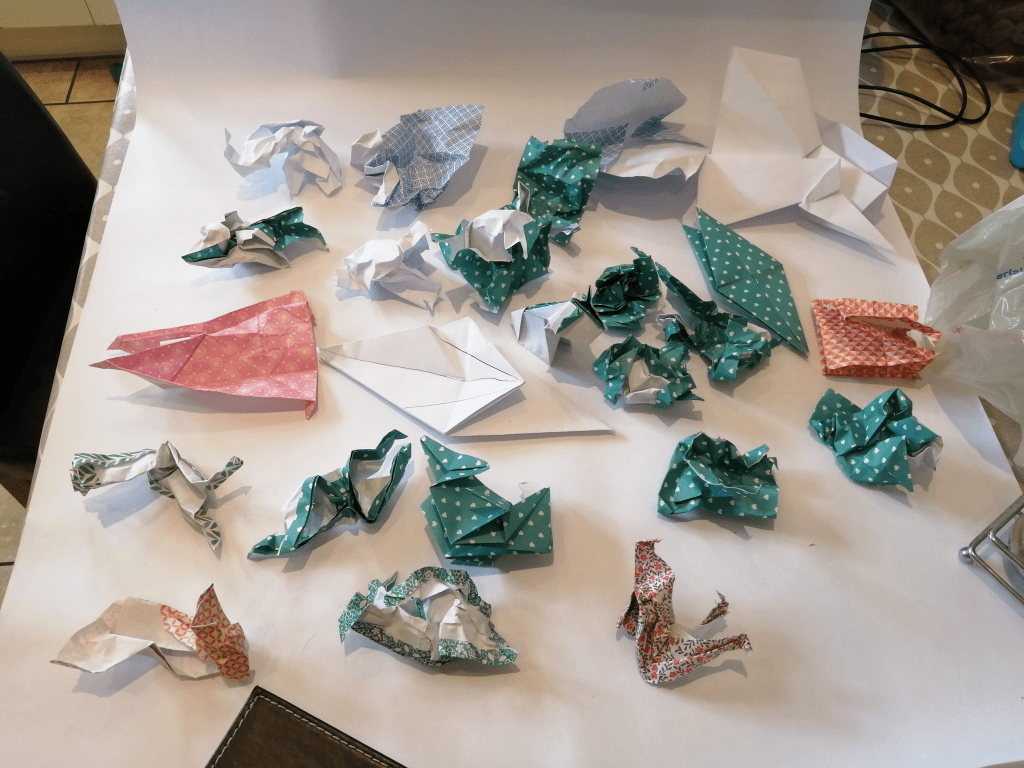
Fig. 9 Failed attempts (2024)

Although it is very frustrating, I am quite pleased with my determination and perseverance. Especially during half term when the children are at home and can be quite demanding, not only that I contracted COVID again. 

Fig. 10 Covid (2024)

Having to abandon the work for a few days because I was too sick encouraged me to attempt something else. Rereading the brief, I noticed that it did mention that I may create my own origami designs. That’s what I ultimately chose to do. Upon opening my scrapbook cabinet and discovering some red paper and cards, I decided to give it another go at creating an origami figure in my own unique way.
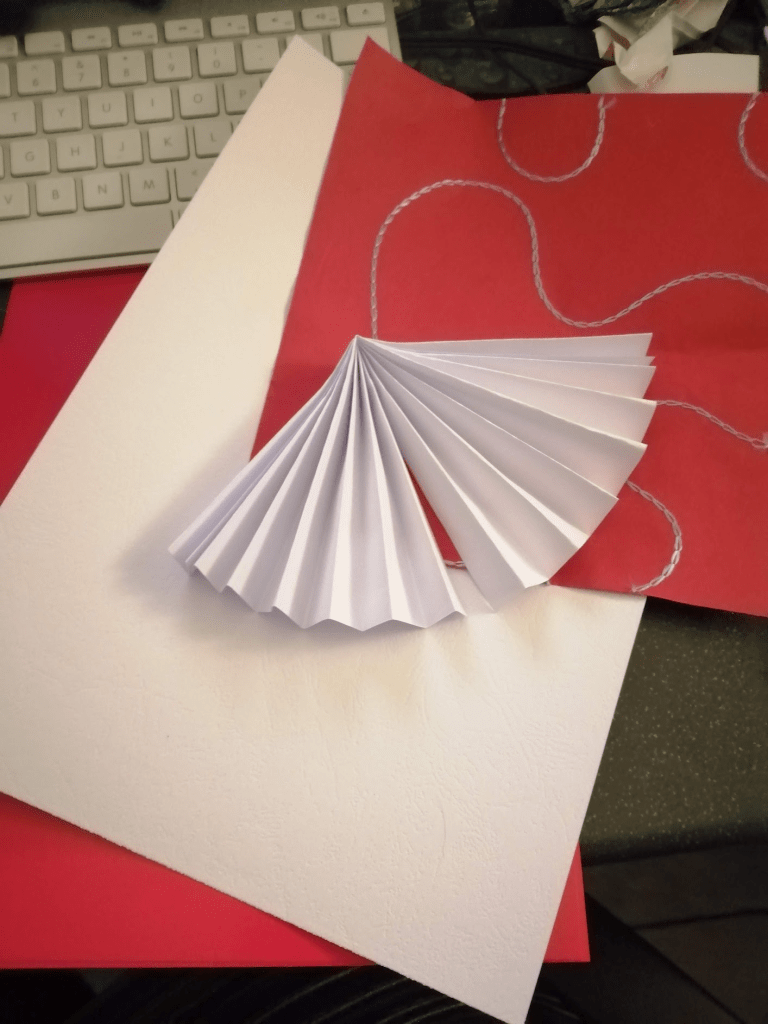
Fig.11 Paper fan (2024)

I started by making a paper fan, folding it in half, and then adhering the edges together. This looked like a skirt to me, so I covered a portion of it with origami paper that was decorated with lovely flowers and folded it into the paper.
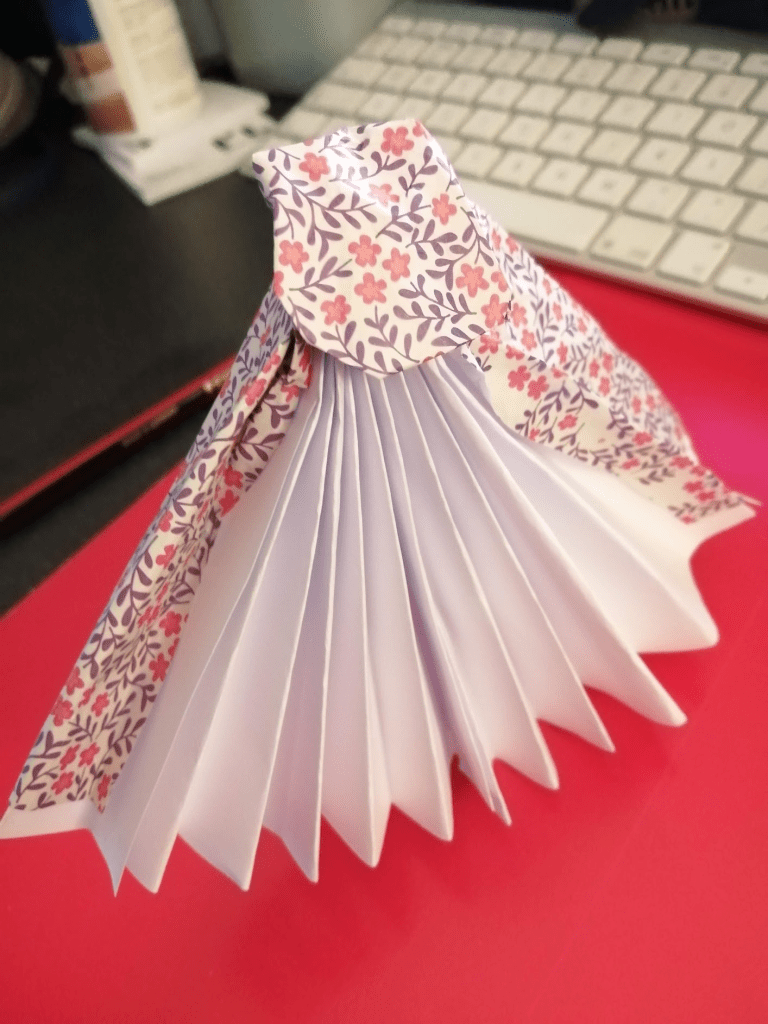
Fig.12 Decorated Paper fan (2024)

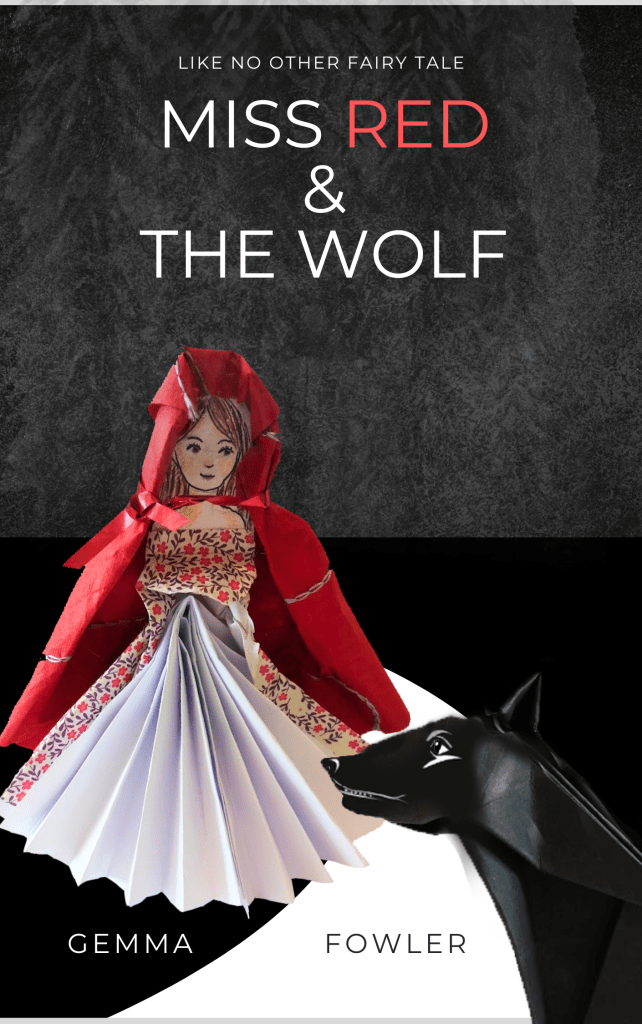
I then sketched the upper half of a little girl on a white card and attached it to the paper sculpture. Once dry, I then created a red cloke out of soft hand-made red paper and finished it off with a bow from my Christmas stationery. 

Below is the final paper character. 
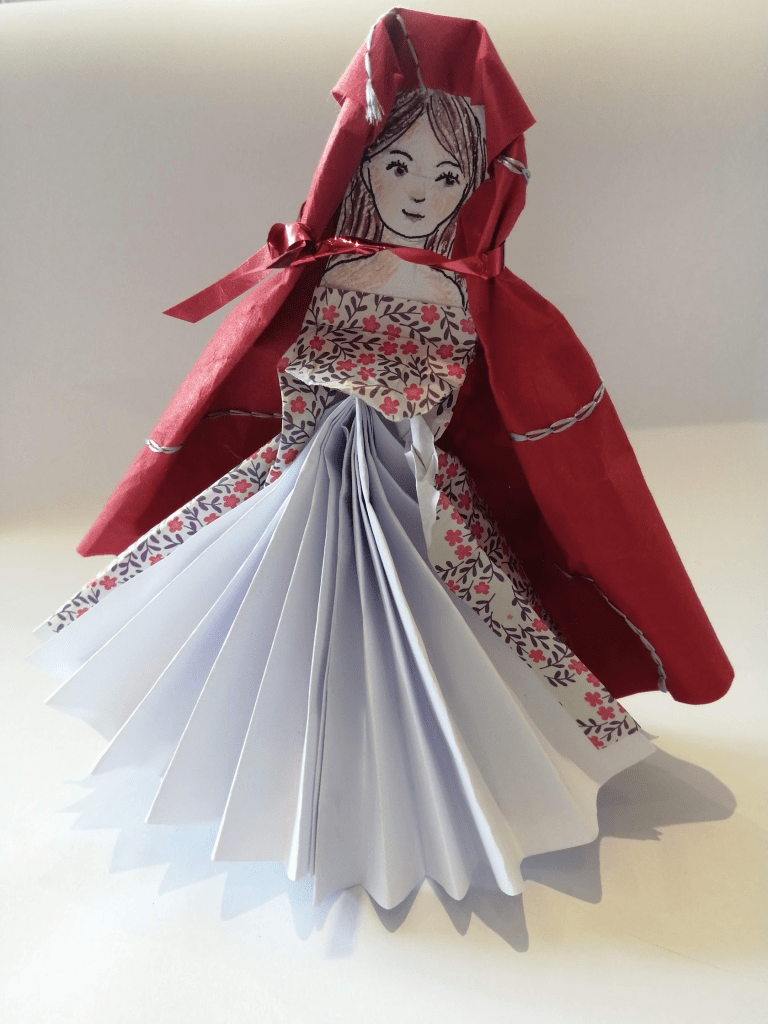
Fig.13 Girl paper sculpture (2024)

After being satisfied with the result I obtained earlier, I decided to try my hand at making an origami wolf. However, I underestimated the difficulty of the task again and ended up creating a sculpture that my husband thought resembled a cricket instead of a wolf. Nonetheless, I refused to give up and started again. 
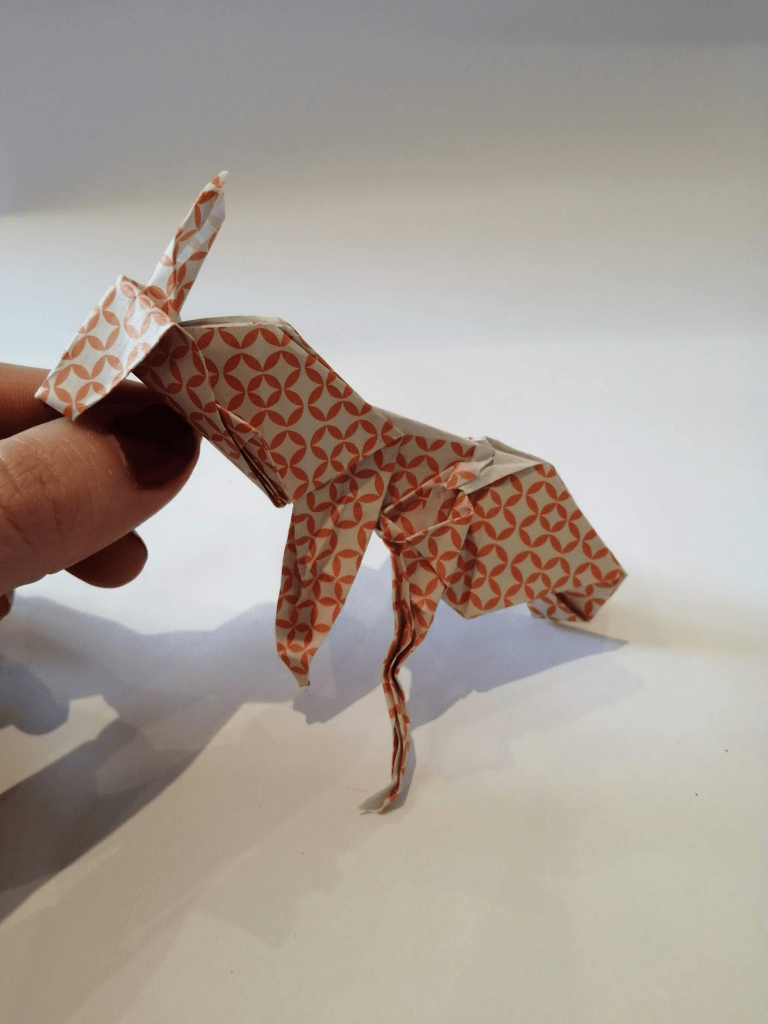
Fig.14 Wolf attempt (2024)

In the meantime, my eleven-year-old and sixteen-year-old children saw what I was doing and thought it looked easy. They decided to try creating the characters that I had found too difficult to make. To my frustration, both of them managed to create perfect origami sculptures in just one hour, despite it being their first attempt. Below are their sculptures.

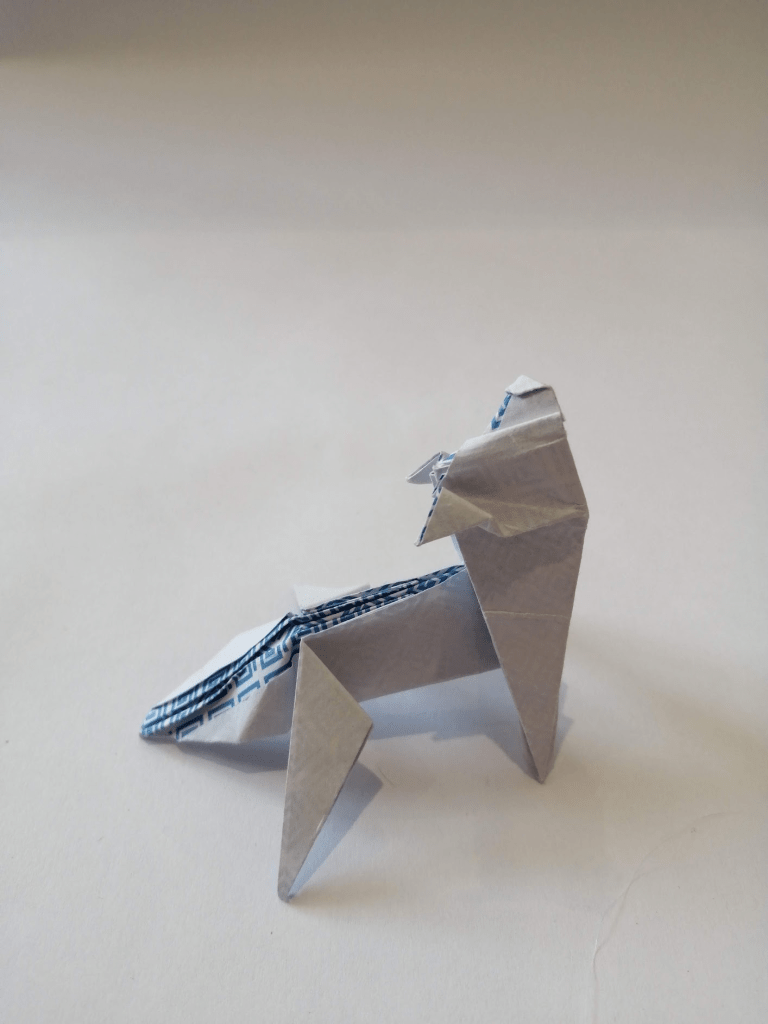
Fig. 15 Jake’s origami figure (2024)
Fig.16 Jake’s Origami Fox (2024)
Fig.17 Elliott’s origami figure (2024)

Jokingly, I said to them, “I don’t know whether to hug you or hit you.”

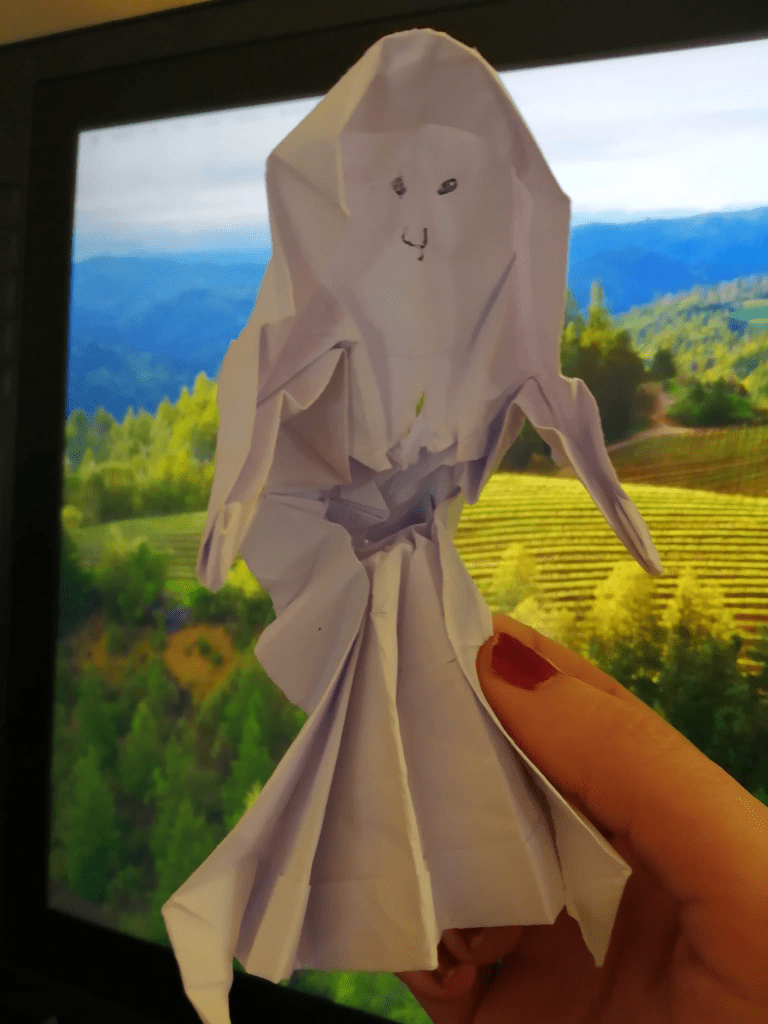
Not giving in, I decided to make one more attempt at making a wolf, and to my surprise, I managed it. I finally had a sense of accomplishment as I held up my completed origami wolf, or perhaps puppy?
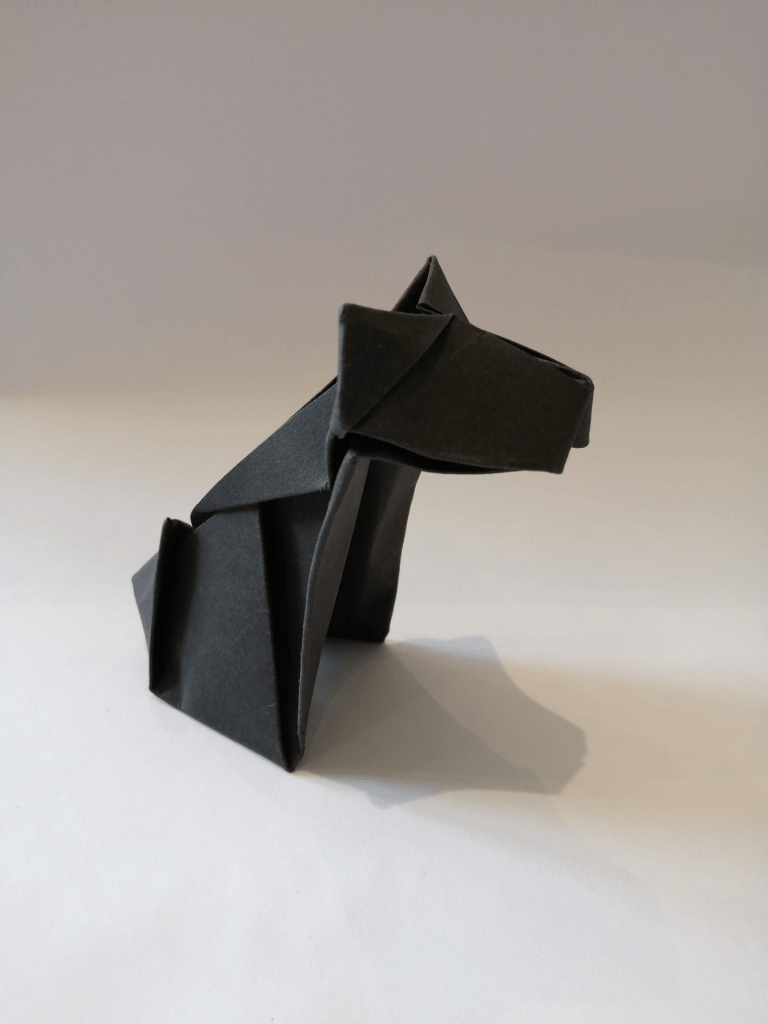
Fig. 18 Wolf (2024)

My children and I all laughed together at the irony of the situation, but deep down, I was grateful for the lesson in resilience that I had unintentionally taught them. While writing this, my youngest son is sitting in the other room, creating more origami figures. The sound of him folding the paper brings a smile to my face, knowing that he has learned the value of perseverance and determination from our previous experience.

Here is a short clip of what he has just made.

I realised it was time to stop making new characters after investing so much time in this exercise. I did, however, think back on the exercise and contemplate how having this skill would help me in the future with my creative work as an illustrator. Maybe I could make an illustration with the figures. This inspired me to learn how to make a woodland scene in Procreate. I noticed that as I dug deeper into learning how to utilise Procreate, my excitement for the possibilities it presented for my artwork grew. It excited me to think of my characters coming to life in a digital format, and I was looking forward to seeing them in a colourful forest scene. Below is the forest scene I created using Procreate. 
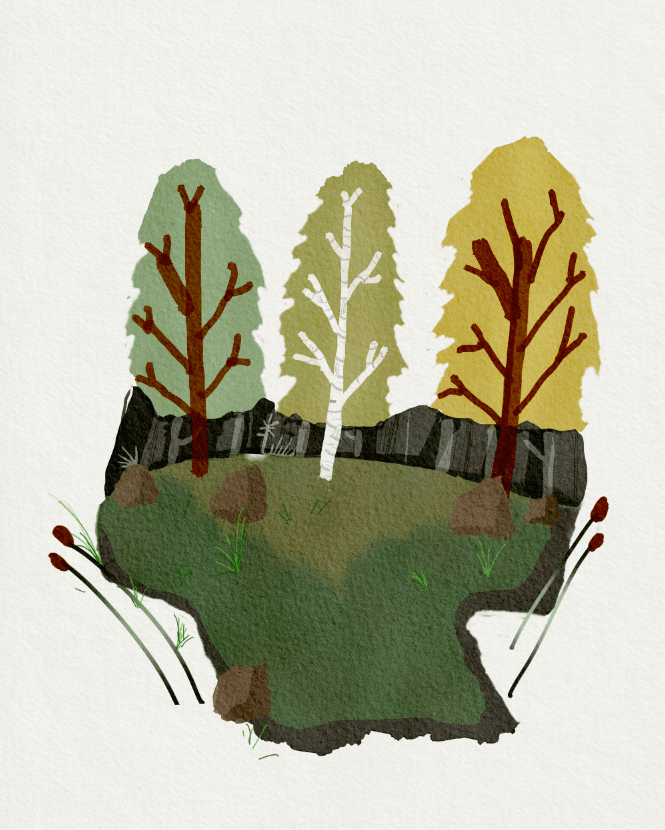
Fig. 19 Procreate forest scene (2024)

It also occurred to me that they may look good in a paper-cut design, so I created one in Adobe Illustrator to see what it looked like. Below is the result. 

Fig.20 Paper-cut design (2024)

Finally, I had a little play with the different elements I have created including trees I painted in the previous exercise.
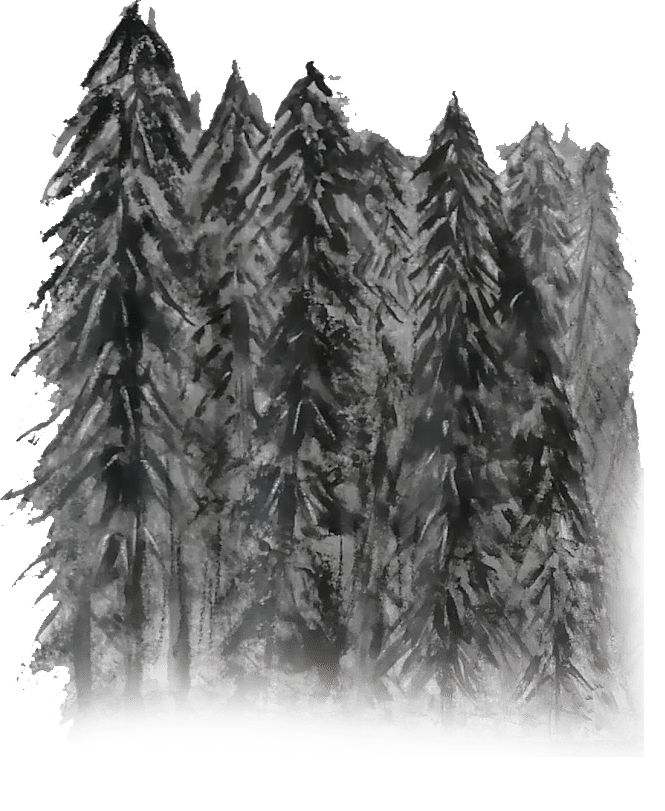
Fig. 21 Trees (2024)

and made various cover designs for a children’s book. Below are different experiments with cover designs.
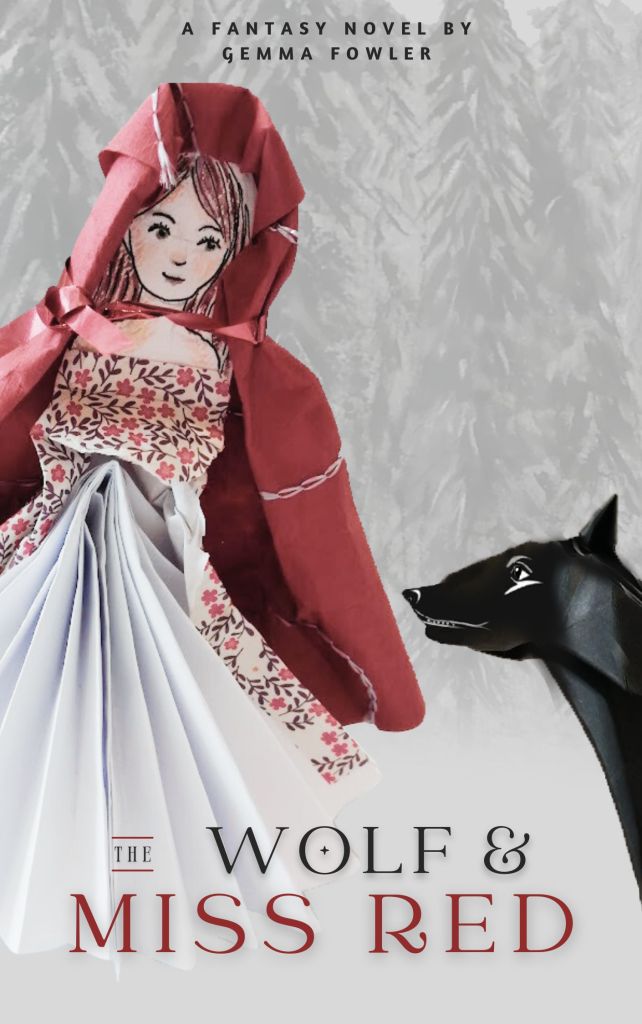
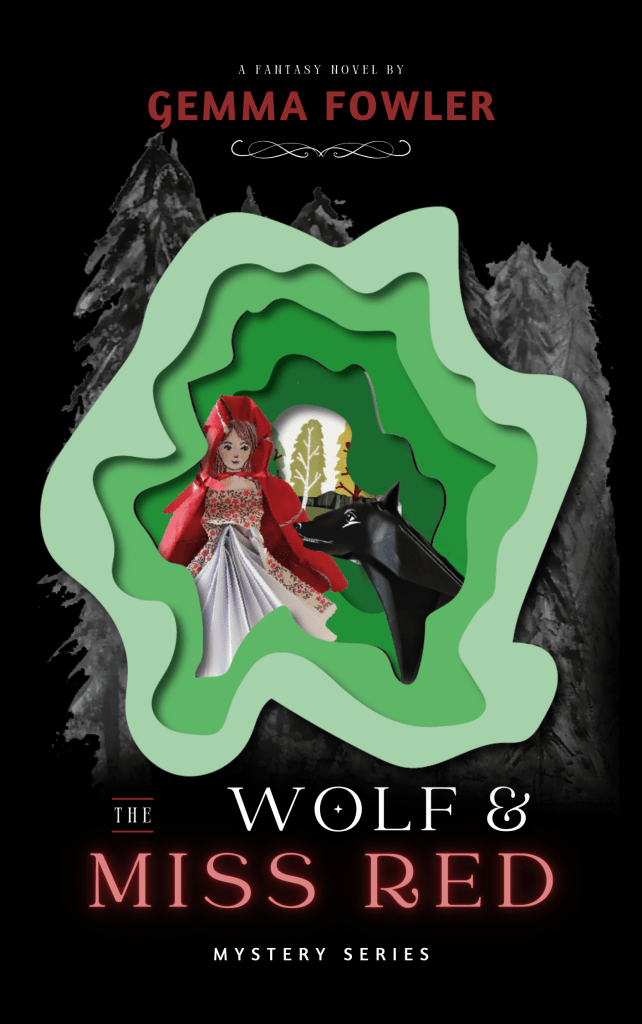
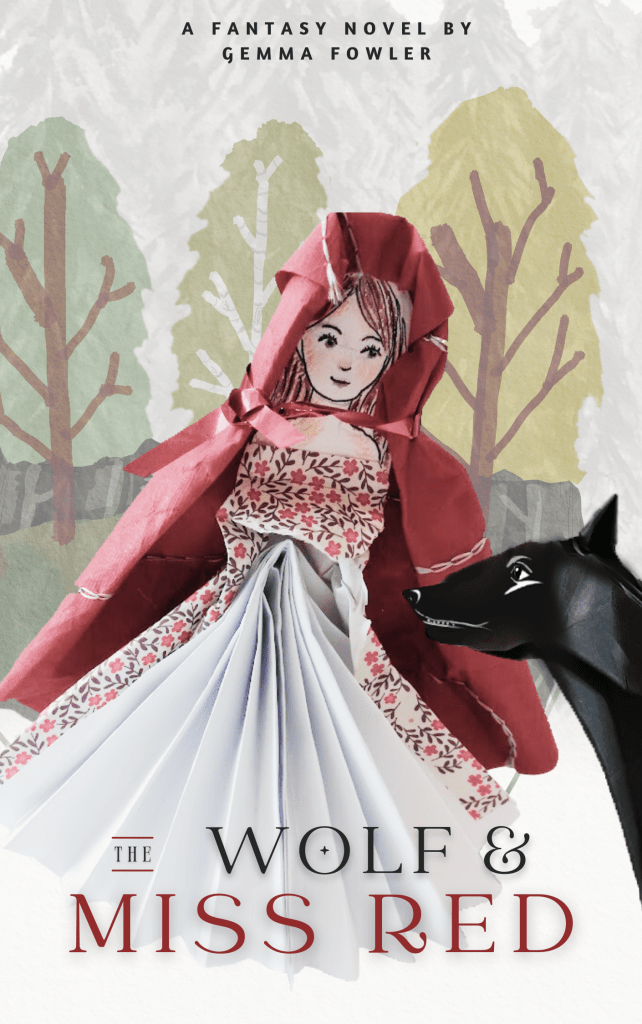
As I continued to experiment and play with different techniques, my excitement grew, and I created a final mockup design for an independent reader.
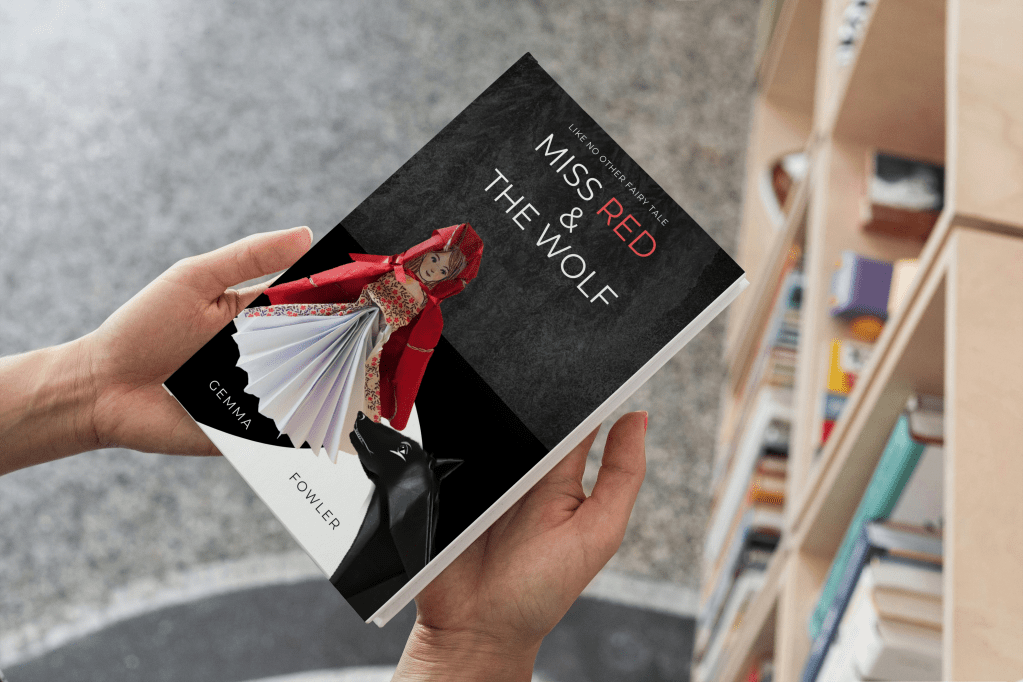
Fig.26 Mock-up book cover (2024)

The process of bringing my characters to life in different contexts was incredibly rewarding. I found that each design sparked new ideas. I am surprised and inspired by how far this exercise has pushed me as an artist.

References

Aiko, M. (n.d.). Martina Aiko. [online] http://www.martinaaiko.com. Available at: https://www.martinaaiko.com [Accessed 7 Apr. 2024].

Arts to Hearts Project. (2023). Captivating works of 10 Paper Artists that will leave you Fascinated! – Arts To Hearts Project. [online] Available at: https://artstoheartsproject.com/paper-artists/ [Accessed 7 Apr. 2024].

Calvin (2020). Watercolor Forest Tutorial in Procreate. [online] http://www.youtube.com. Available at: https://youtu.be/yP1r6noB6Q4?si=JWHERTrJBIXpGPKN [Accessed 7 Apr. 2024].

Canva (2024). Canva. [online] Canva.com. Available at: https://www.canva.com https://www.canva.com/mockups/mockup/d79fpdOoIVD.

Fowler, G. (2024). Origami Fidget Cube. [online] http://www.youtube.com. Available at: https://youtu.be/S_6Na5VsvgI [Accessed 7 Apr. 2024].

May, T. (2023). Shelley Hanmo’s paper collage creations summon Asian folklore and her love of music. [online] Creative Boom. Available at: https://www.creativeboom.com/inspiration/shelley-hanmos-exquisite-paper-collage [Accessed 7 Apr. 2024].

Origami, W. (2020). How to make a Paper 3D Human Girl Figure 【ORIGAMI】. [online] http://www.youtube.com. Available at: https://youtu.be/mHEZLeFOV5U [Accessed 7 Apr. 2024].

Illustration list

Fig. 1 Chau, M. (2017) Two boys. [Paper collage] Available at: https://artstoheartsproject.com/paper-artists/ [Accessed 7 Apr. 2024].

Fig. 2 Chau, M. (2022) Fishing [Paper collage] Available at: https://artstoheartsproject.com/paper-artists/ [Accessed 7 Apr. 2024].

Fig. 3 Chau, M. (2021) Family portrait [Paper collage] Available at: https://artstoheartsproject.com/paper-artists/ [Accessed 7 Apr. 2024].

Fig.4 Hand, S. (N.D) Hansel and Gretel [Paper collage] Available at: https://artstoheartsproject.com/paper-artists/ [Accessed 7 Apr. 2024].

Fig. 5 Aiko, M (N.D) Yoga [Paper collage] Available at: https://artstoheartsproject.com/paper-artists/ [Accessed 7 Apr. 2024].

Fig. 6 Fowler, G (2024) Me and Leo [photograph, landscape] In possession of the author: Forest of Dean. 

Fig. 7 Aiko, M (N.D) Open pool [Paper collage] Available at: https://www.martinaaiko.com/ [Accessed 7 Apr. 2024].

Fig. 8 Aiko, M (N.D) Beehive[Paper collage] Available at: https://www.martinaaiko.com/ [Accessed 7 Apr. 2024].

Fig.9 Fowler, G (2024) Failed attempts [photograph of origami attempts] In possession of the author: Forest of Dean

Fig.10  Fowler, G (2024) Covid [photograph] In possession of the author: Forest of Dean

Fig.11  Fowler, G (2024) Paper fan [photograph, of paper sculpture] In possession of the author: Forest of Dean

Fig.12  Fowler, G (2024) Decorated Paper fan [photograph, of paper sculpture] In possession of the author: Forest of Dean

Fig.13 Fowler, G (2024) Girl paper sculpture (2024) [photograph, of paper sculpture] In possession of the author: Forest of Dean

Fig.14 Fowler, G (2024) Wolf attempt (2024) [photograph, of paper sculpture] In possession of the author: Forest of Dean

Fig.15 Fowler, G (2024) Jake’s origami figure [photograph, of paper sculpture] In possession of the author: Forest of Dean

Fig.16 Fowler, G (2024) Jake’s origami Fox [photograph, of paper sculpture] In possession of the author: Forest of Dean

Fig.17 Fowler, G (2024) Elliott’s origami figure[ photograph, of paper sculpture] In possession of the author: Forest of Dean

Fig.18 Fowler, G (2024) Wolf [photograph, of paper sculpture] In possession of the author: Forest of Dean

Fig.19 Fowler, G (2024) Procreate forest scene [photograph, of paper sculpture] In possession of the author: Forest of Dean

Fig.20 Fowler, G (2024) Paper-cut design [photograph, of paper sculpture] In possession of the author: Forest of Dean

Fig.21 Fowler, G (2024) Trees [photograph, of paper sculpture] In possession of the author: Forest of Dean

Fig.22 Fowler, G (2024) Cover design 1 [digital illustration] In possession of the author: Forest of Dean

Fig.23 Fowler, G (2024) Cover design 2 [digital illustration] In possession of the author: Forest of Dean

Fig. 24 Fowler, G (2024) Cover design 3 [digital illustration] In possession of the author: Forest of Dean

Fig.25 Fowler, G (2024) Cover design 4 [digital illustration] In possession of the author: Forest of Dean

Fig.26 Fowler, G (2024) Mock-up book cover [digital illustration] In possession of the author: Forest of Dean
Categories
Coursework Part Three: Making

Exercise 3:​ Big

There were three options for this exercise, I chose option one, which was to produce a very large-scale drawing of a landscape.

Brief

For this option you should produce at least one very large-scale drawing of a landscape, either real or imagined. This should be at least A0 (84 x 119cm) in size (and ideally larger) either by sourcing some very large sheets of paper, or a roll of paper, or by taping a number of sheets of paper together.

You can choose to produce an observational drawing of a landscape or you can produce an imagined landscape using more abstract marks. You can use pencils, brushes and ink, or any mark-making implements using the medium of your choice.

Visual Skills 2: Visual Exploration: p95

Keywords from the brief

  • Produce a very large-scale drawing of a landscape real or imagined.
  • At least AO
  • You can use pencils, brushes and ink, or any mark-making implements using the medium of your choice.

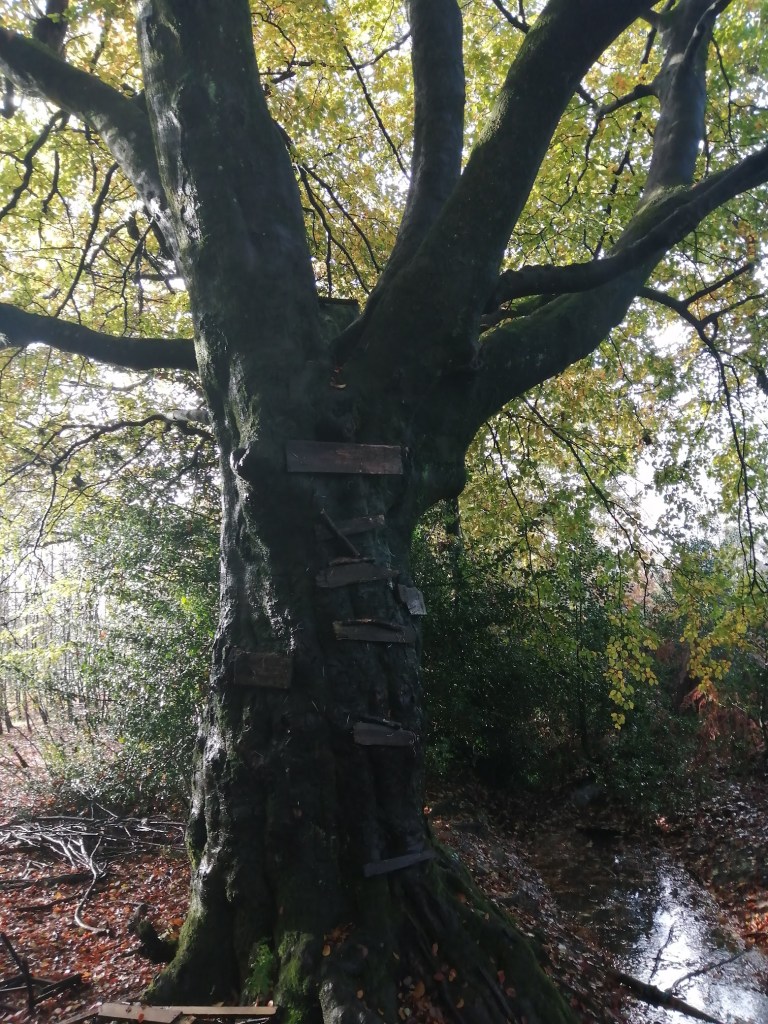
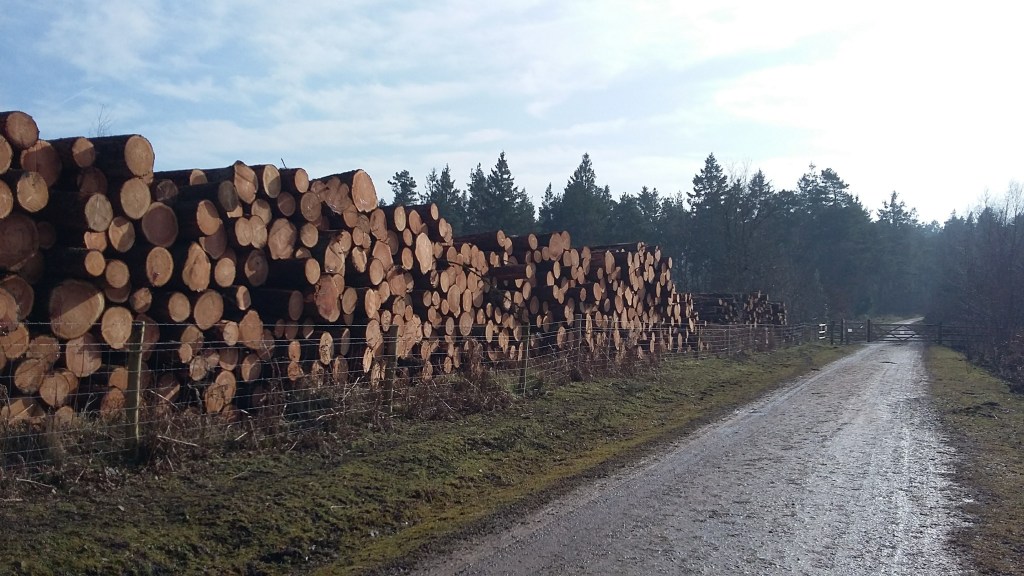
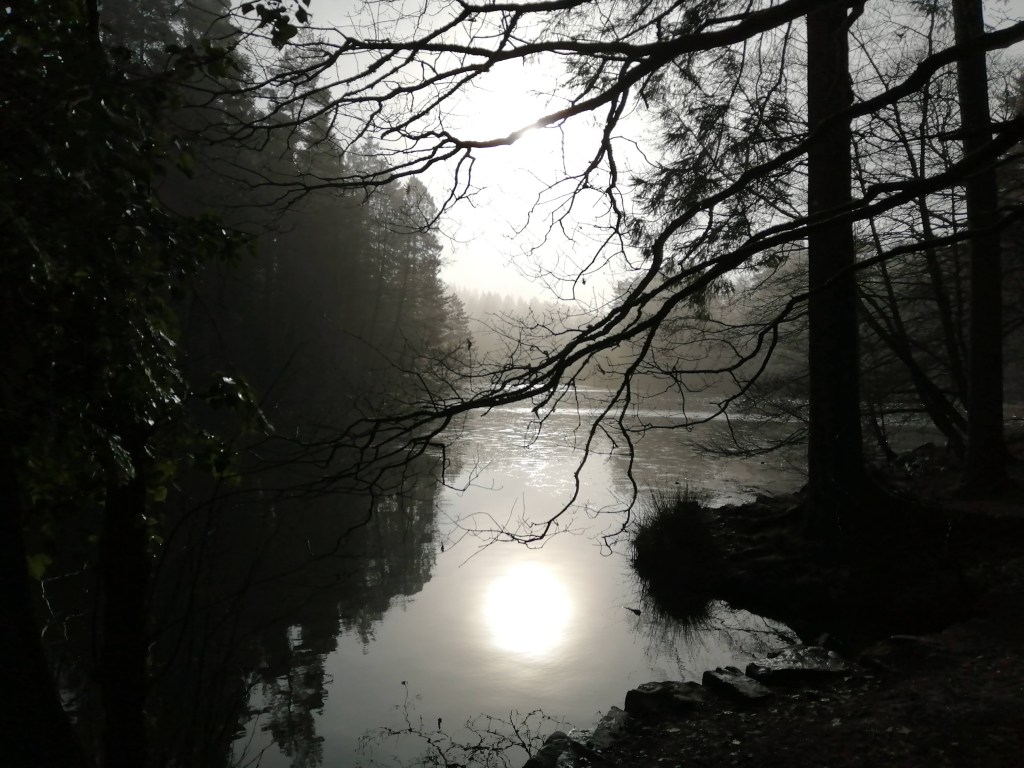
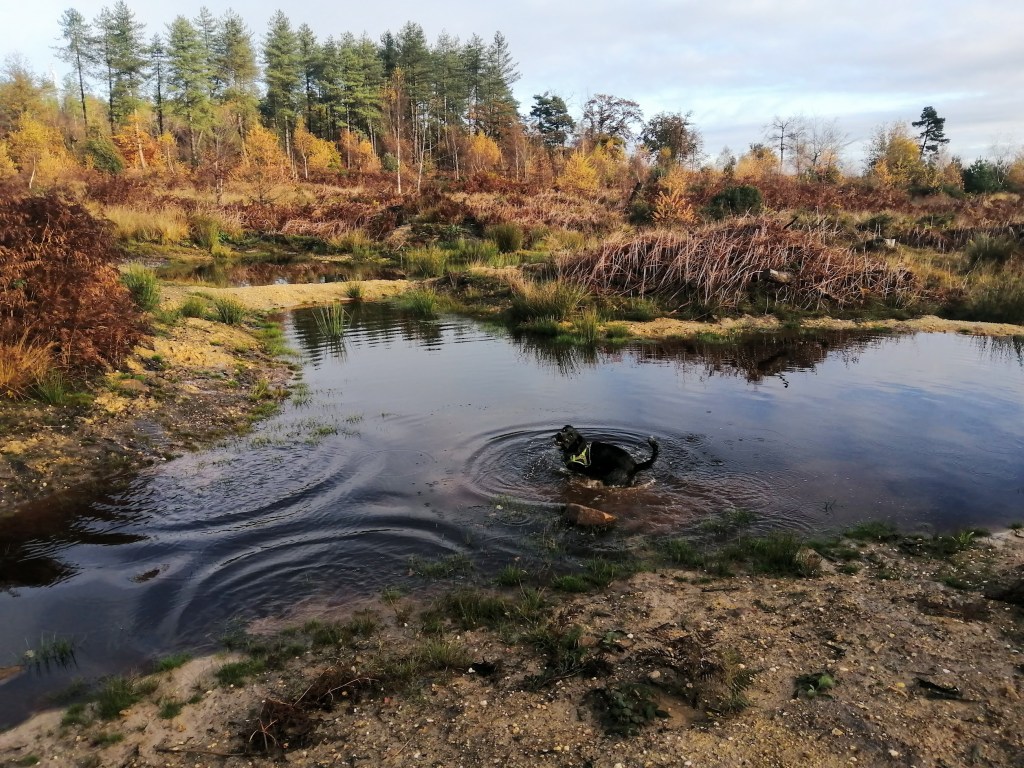
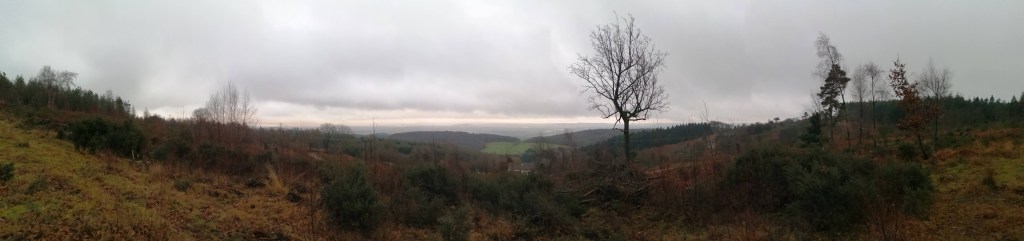
There were a number of places I had in mind for this landscape project. Luckily, living in the Forest of Dean I am surrounded by stunning scenery. With this in mind, I ventured out on a walk and took photo’s of areas I thought would make a beautiful painting.
Below are photos from my walk.

Fig. 1 Edgehills Bog (2024)
Fig.2 Edge hills view point (2024)
Fig. 3 The Cyril Hart Arboretum (2024)
Fig. 4 Old oak tree (2024)
Fig. 5 Working forest, logs (2024)
Fig. 6 Speech House lake (2024)

During a research task titled Large Scale Image-making, I looked into various artists and how they used different materials and their unique approach to large- scale image making, This inspired me to be more experimental with the materials I decided to use for my own making. One of the artists previously researched, is John Vertue. This artist is recognised for his large-scale landscape paintings in black and white. With him in mind, I chose the final photograph above because it was in black and white and used it as a reference for my landscape painting.

Unfortunately, I am located in a small village with limited amount of shops and sadly, there are no local art suppliers. Knowing I would need good quality paper for this exercise I drove twenty five miles to my nearest Hobby Craft. Here, I purchased two A1 mixed media pieces of paper and some acrylic paints. Once, home I was eager to start work but was apprehensive because the paper is so large. I didn’t know where to put it, I considered putting them on the floor, but I didn’t think it would help with getting the scale correct and I thought the work may get damaged either by my pet dogs or children.

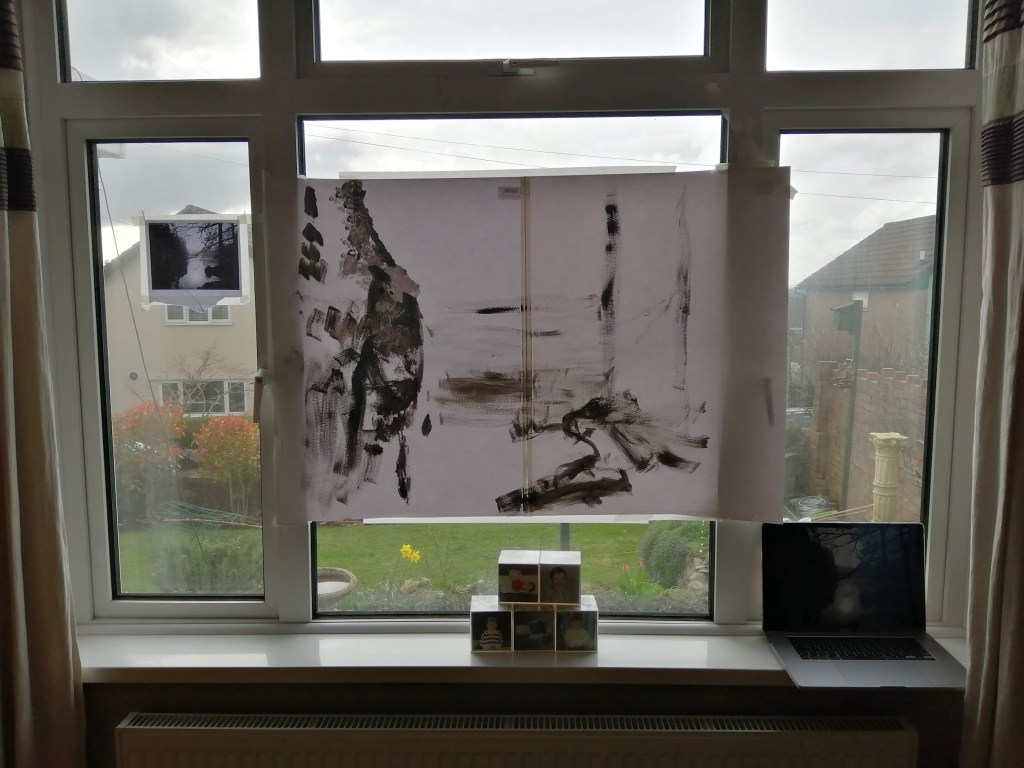
Instead, I taped the paper together using masking tape and then tapped it to my lounge window.

Fig. 7 Landscape painting set up 1 (2024)

Next, I began making swift marks with flowing motions from the whole use of my arm.
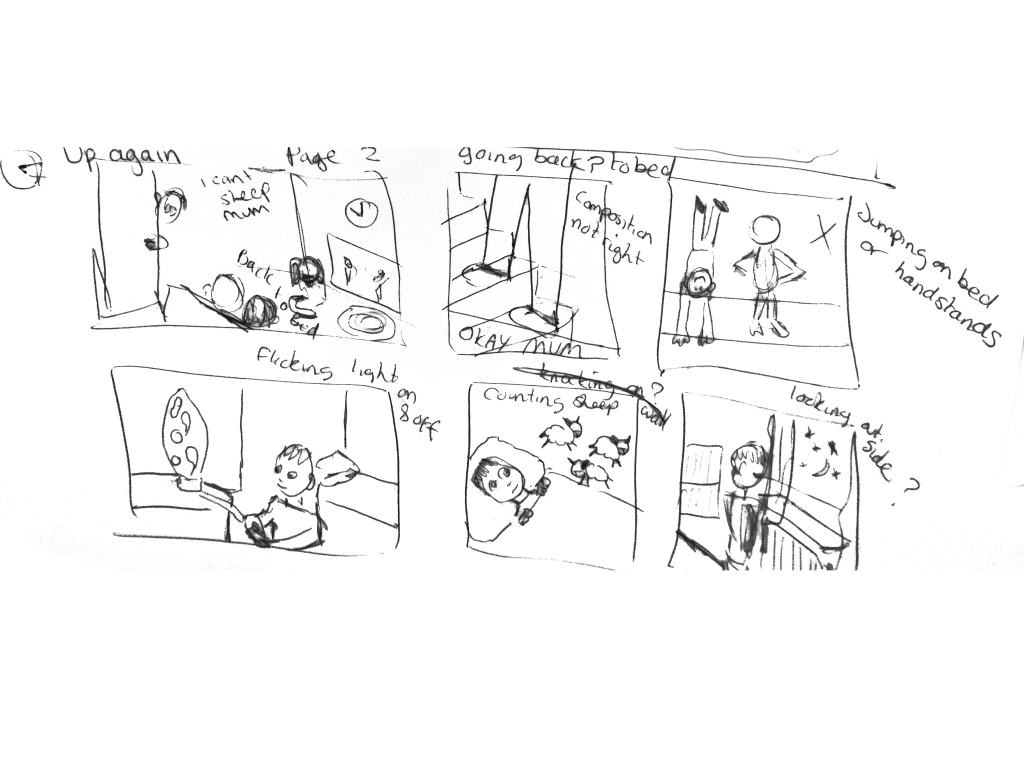
Fig. 8 Mark making (2024)

Sadly, the paper wouldn’t stay stuck to the window and the sunlight started to shine through making it difficult to see the work. Thinking about this more I took the paper down from the window and placed it on my drawing table in the other reception room. Continuing to work I regretted making such large dark brush strokes so soon and wasn’t happy with how the work was going. Therefore, I decided to leave the image and start again.
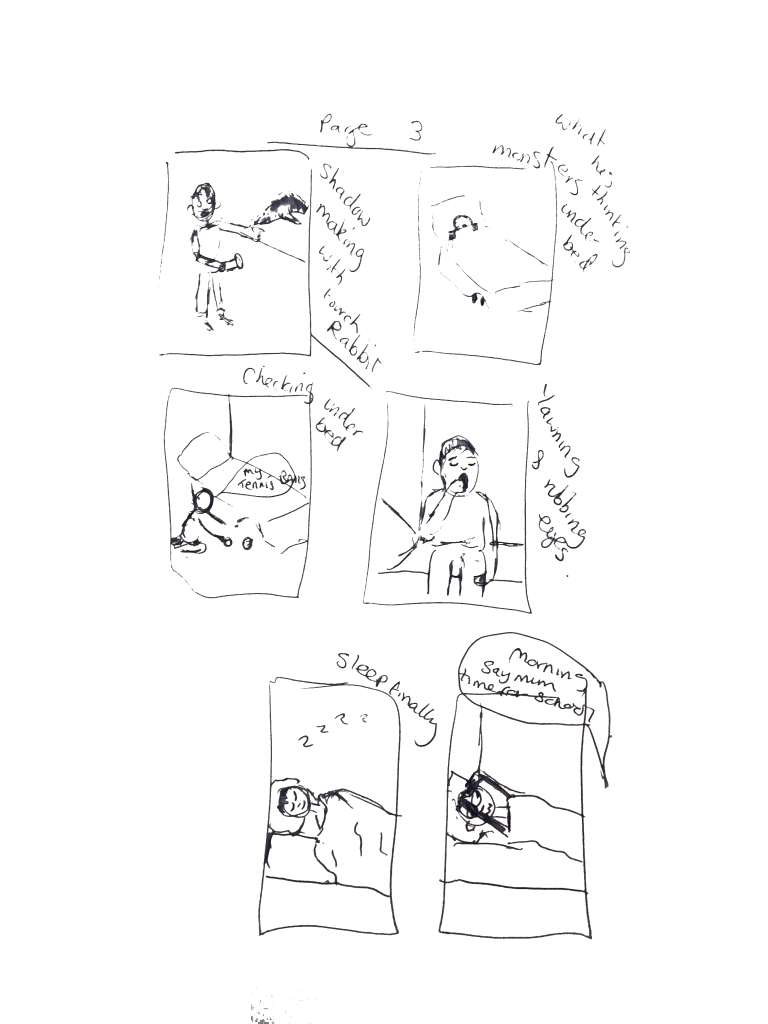
Fig. 9 Failure (2024)

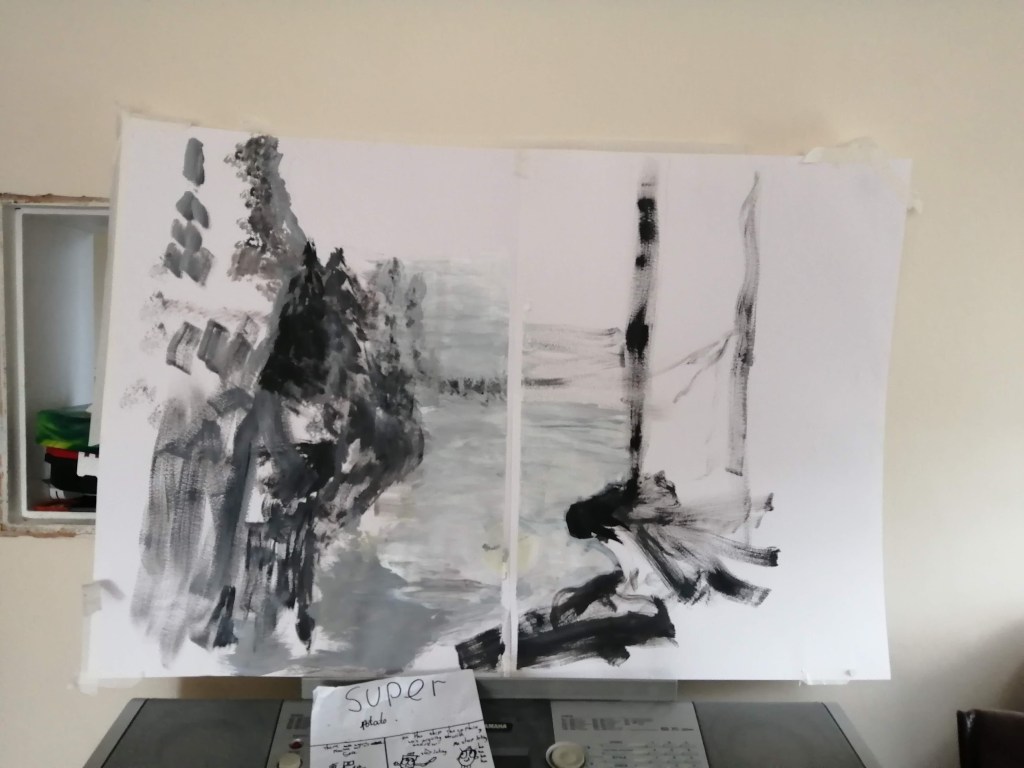
However, I showed it to a family member, laughing at how bad it was and was surprised that they actually liked it and said they knew the place of which I was painting. This made me feel a little better and more confident to start again. Unfortunately, I no longer had good quality paper and had to settle with what I had in the house, which was a roll of printing paper. This time I cut the paper to size again taping two pieces together and stuck it to the playroom wall using masking tape.

Fig. 10 New paper, staring again (2024)

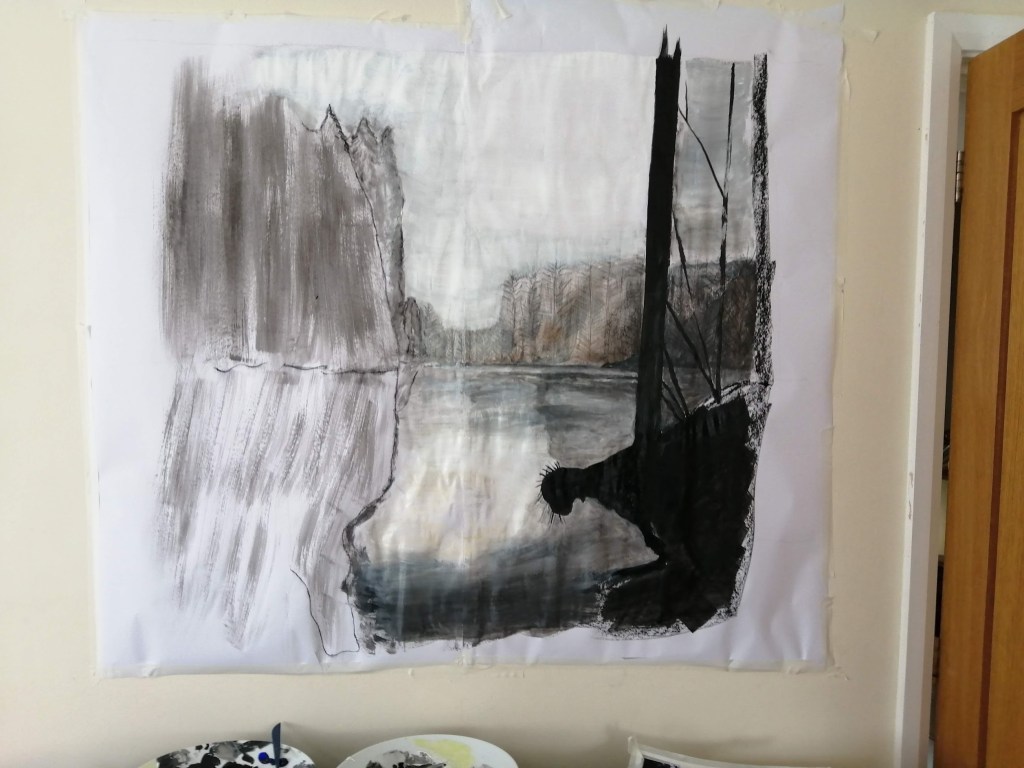
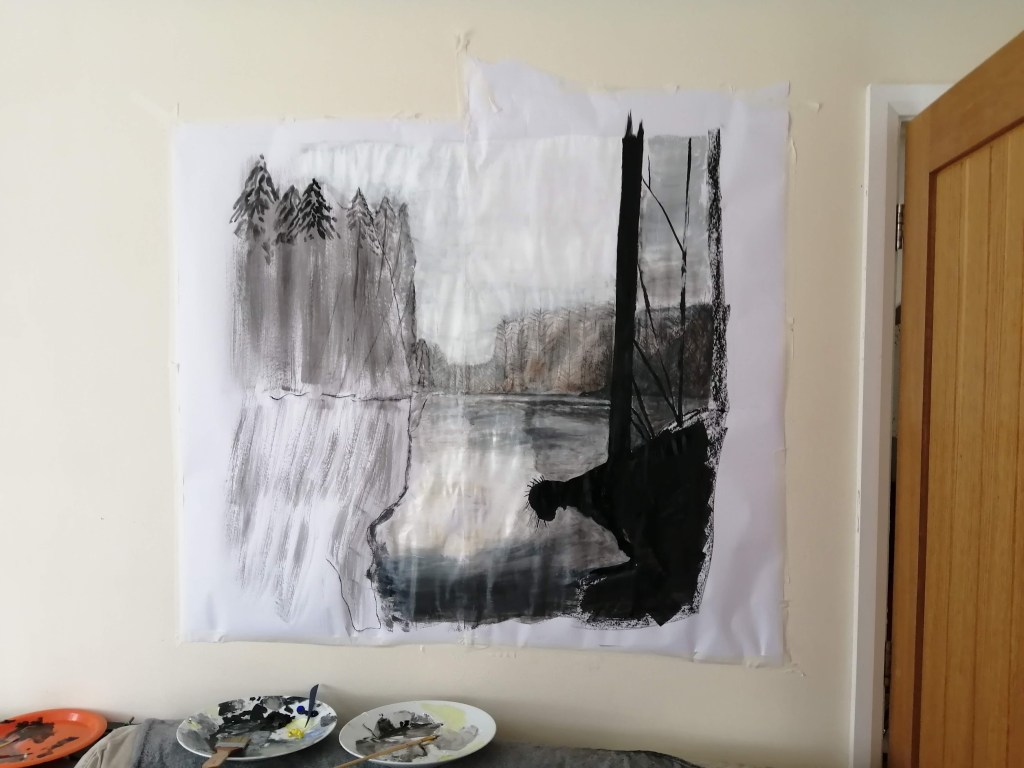
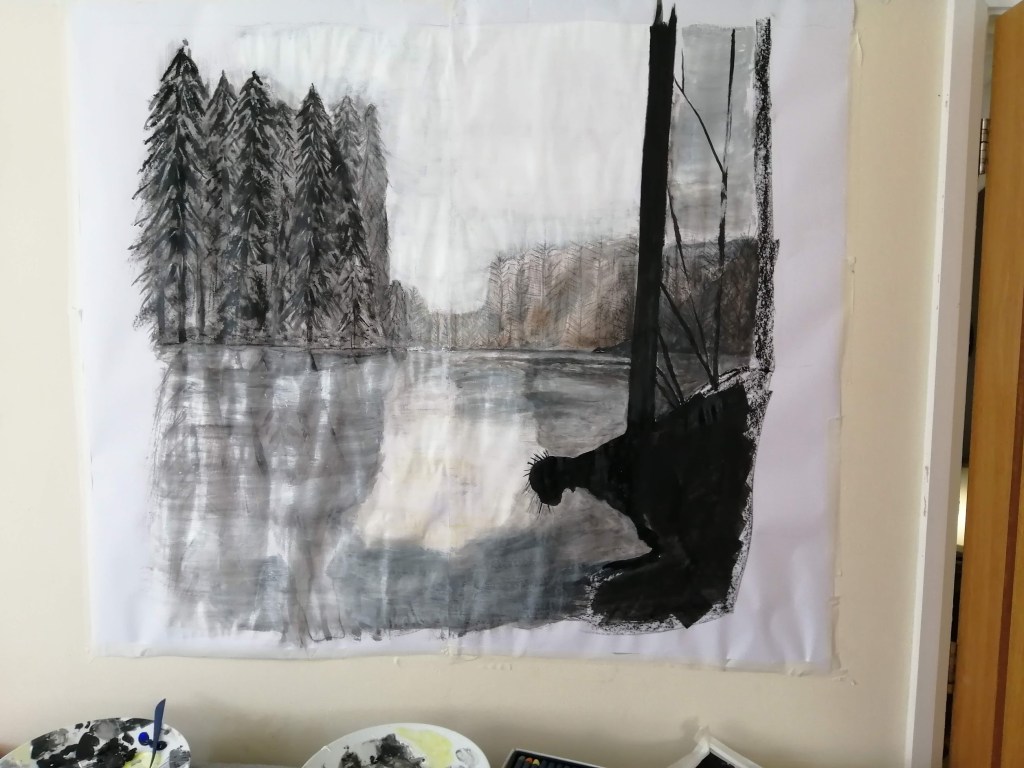
This time I was a little more cautious and decided to lightly sketch out a plan for the painting. Once all the landscape was planned out I began painting.
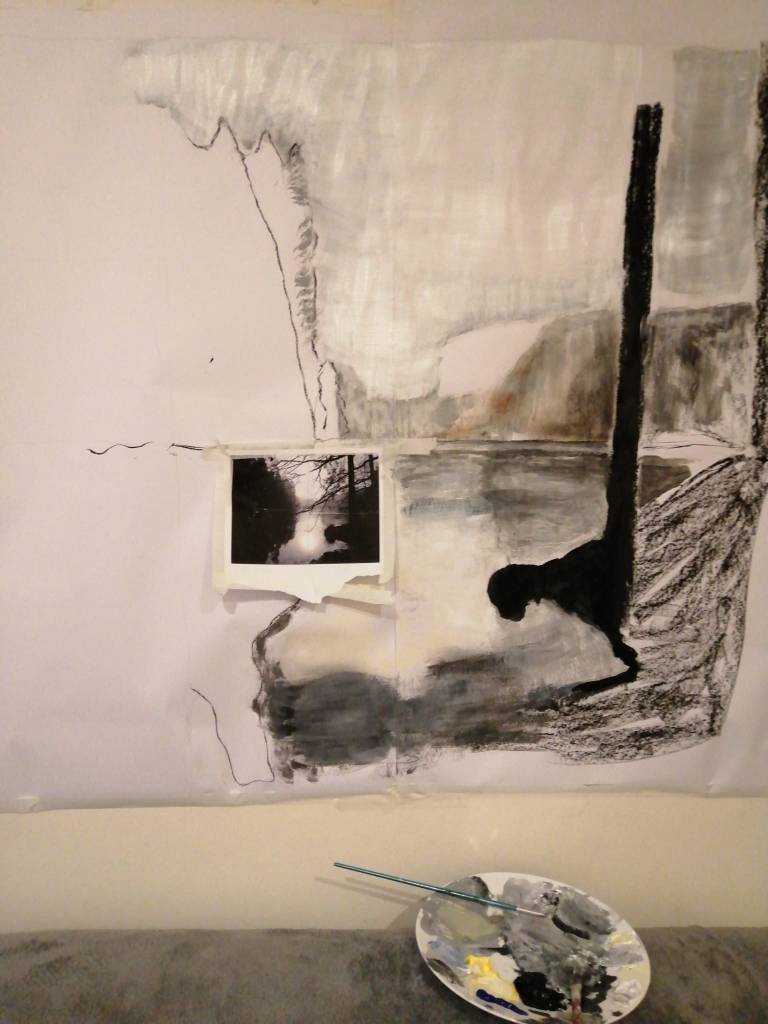
The mediums used to create the landscape painting were:

  • Acrylic paint
  • Selection of sponges
  • Charcoal
  • 2B pencil,
  • Pencil crayons
  • Chalk pastels
  • Oil pastels.
  • My finger
  • Different size brushes
Fig. 11 Painting process one (2024)
Fig 12. Painting process two (2024)
Fig 13. Painting process three (2024)
Fig 14. Painting process four (2024)
Fig 15. Painting process five (2024)

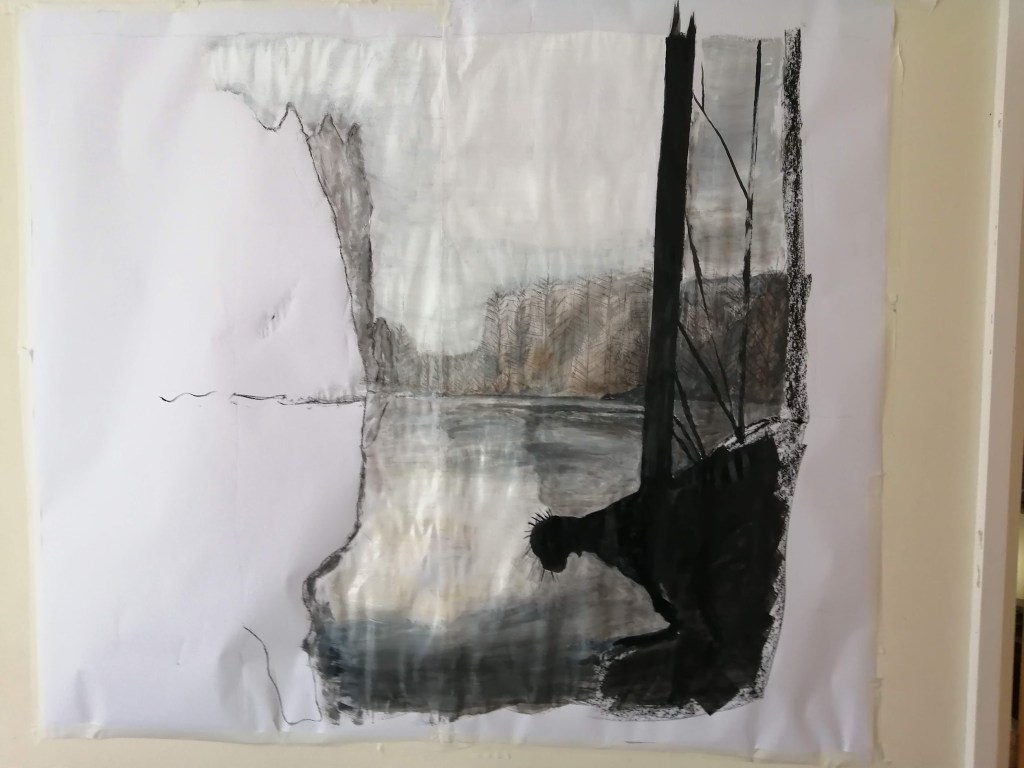
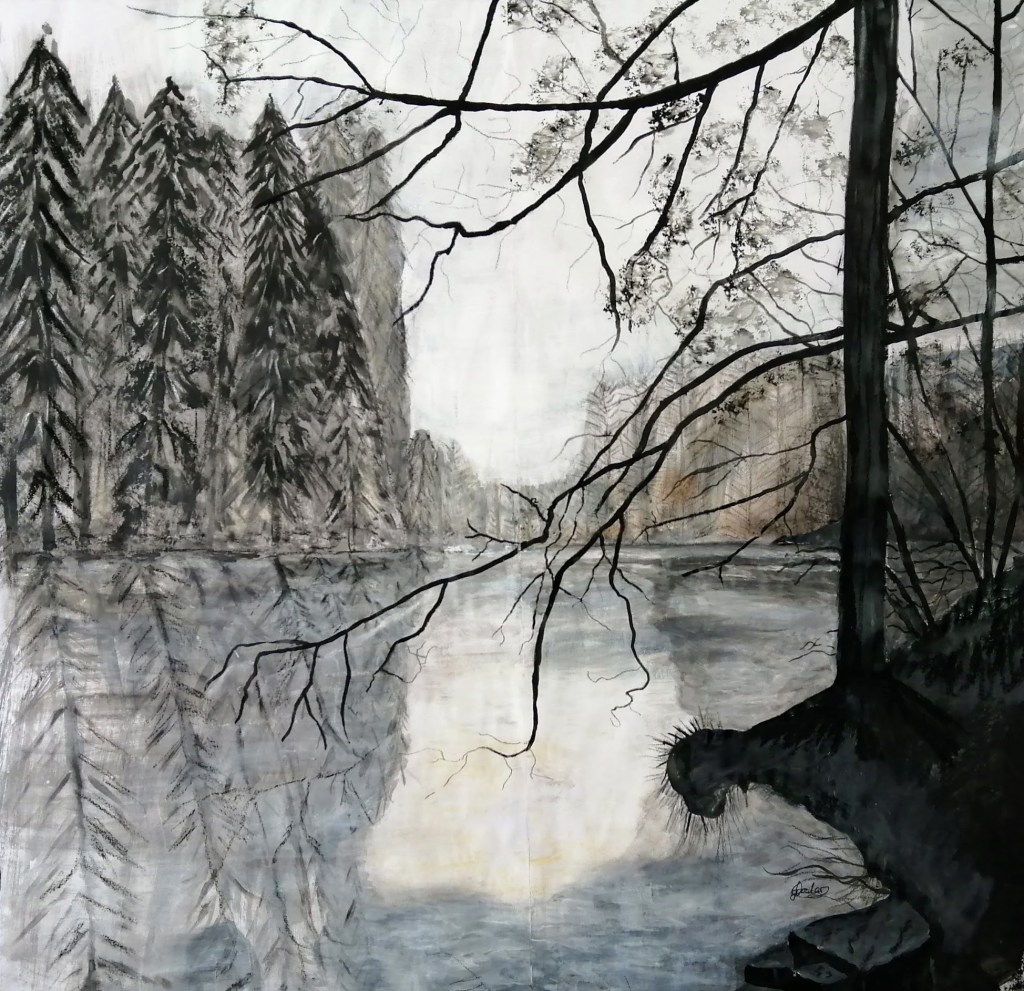
Final painting

Fig 16. Finished landscape painting of Speech House Lake (2024)

Reflection

What did you find most challenging?

There were a number of things I found challenging about this project. These were:

  • Working at a large scale (100cm x 100cm) and trying to figure out how to scale up each element correctly.
  • Using my house’s wall to place the sheets of paper was not ideal, and as my husband pointed out, it would not be advisable to do so again due to the marks left behind by charcoal dust. However, I was fine with using the wall because it was time for redecorating anyhow.
  • Working on thin sheets of paper was also problematic as it wasn’t a good choice when using mixed media. If I was to do this again I would make sure I purchase more of the mixed media sheets of paper incase of mistakes.
  • The photo I used for reference was not very good quality, so a lot of the painting I had to imagine and interpret in my own way. If I was to do this again I would either like to draw from life or have a better quality photograph.
  • Last but not least, I have never drawn or painted a natural environment other than a sea scene, thus this was the most difficult challenge of them all!
  • What made it even more difficult was trying to interpret the different elements in monochrome.

Is this an area of art practice that you have worked with before?

There has only been one time I have worked at a very large scale and that was twenty years ago when I worked for an aquatic shop as a tropical fish manager. At the time my boss wanted the shop to have a mural so I offered to paint it for him. This was a very large landscape scene, that showed rolling hills and rivers and covered the whole back wall of the shop. Unfortunately, they refurbished and extended the shop since then and it no longer exists. Sadly, I do not have any photographs of it anymore.


Would you attempt this again and, if so, how would you change or develop your approach?

Yes I would attempt this again. It was fun to be experimental and paint a landscape scene. I was quite surprised at the work I produced since it is my first time painting trees. Although it is not perfect, I am going to have it printed and framed to hang in my studio.

As said before, if embarking on a project like this again I would make sure I have quality paper and good reference photographs.

List of illustrations

Fig. 1 Fowler, G (2024) Edgehills Bog. [Photograph, landscape] in possession of: the author: Forest of Dean.

Fig. 2 Fowler, G (2024) Edge hills view point. [Photograph, landscape] in possession of: the author: Forest of Dean.

Fig. 3 Fowler, G (2024) The Cyril Hart Arboretum [Photograph, landscape] in possession of: the author: Forest of Dean.

Fig. 4 Fowler, G (2024) Old oak tree [Photograph, Portrait] in possession of: the author: Forest of Dean.

Fig. 5 Fowler, G (2024) Working forest, logs [Photograph, landscape] in possession of: the author: Forest of Dean.

Fig. 6 Fowler, G (2024) Speech House Lake [Photograph, landscape] in possession of: the author: Forest of Dean.

Fig. 7 Fowler, G (2024) Landscape Painting set up 1 [Photograph, landscape] in possession of: the author: Forest of Dean.

Fig. 8 Fowler, G (2024) Mark making [Photograph, landscape] in possession of: the author: Forest of Dean.

Fig. 9 Fowler, G (2024) Failure [Photograph, landscape] in possession of: the author: Forest of Dean.

Fig. 10 Fowler, G (2024) Failure [Photograph, landscape] in possession of: the author: Forest of Dean.

Fig. 11 Fowler, G (2024) Painting process one [Photograph, landscape] in possession of: the author: Forest of Dean.

Fig. 12 Fowler, G (2024) Painting process two [Photograph, landscape] in possession of: the author: Forest of Dean.

Fig. 13 Fowler, G (2024) Painting process three [Photograph, landscape] in possession of: the author: Forest of Dean.

Fig. 14 Fowler, G (2024) Painting process four [Photograph, landscape] in possession of: the author: Forest of Dean.

Fig. 15 Fowler, G (2024) Painting process five [Photograph, landscape] in possession of: the author: Forest of Dean.

Fig. 16 Fowler, G (2024) Finished landscape painting of Speech House Lake [Photograph, landscape] in possession of: the author: Forest of Dean.

Categories
Part Three: Making Research Points, Part Three: Making

Research Task:​ ‘Fast’ and ‘Slow’ Art

Brief

Search for and record your thoughts on the production of both ‘Fast’ and ‘Slow’ artworks in your learning log. What are some of the arguments for and against this kind of real-time viewing? Research these artworks and artists for different approaches in different creative contexts:

89
Visual Skills 2: Visual Exploration

I started doing research on the list of artists provided in the brief by googling them online.

Koyaanisqatsi

The first person I researched was Godfrey Reggio, who directed a film called Koyaanisqatsi in 1982. The title of the film I did not understand so I researched what the word Koyaanisqatsi means and discovered it is taken from the Hopi which are the westernmost group of Pueblo Indians, situated in what is now northeastern Arizona. The word means “life out of balance”.

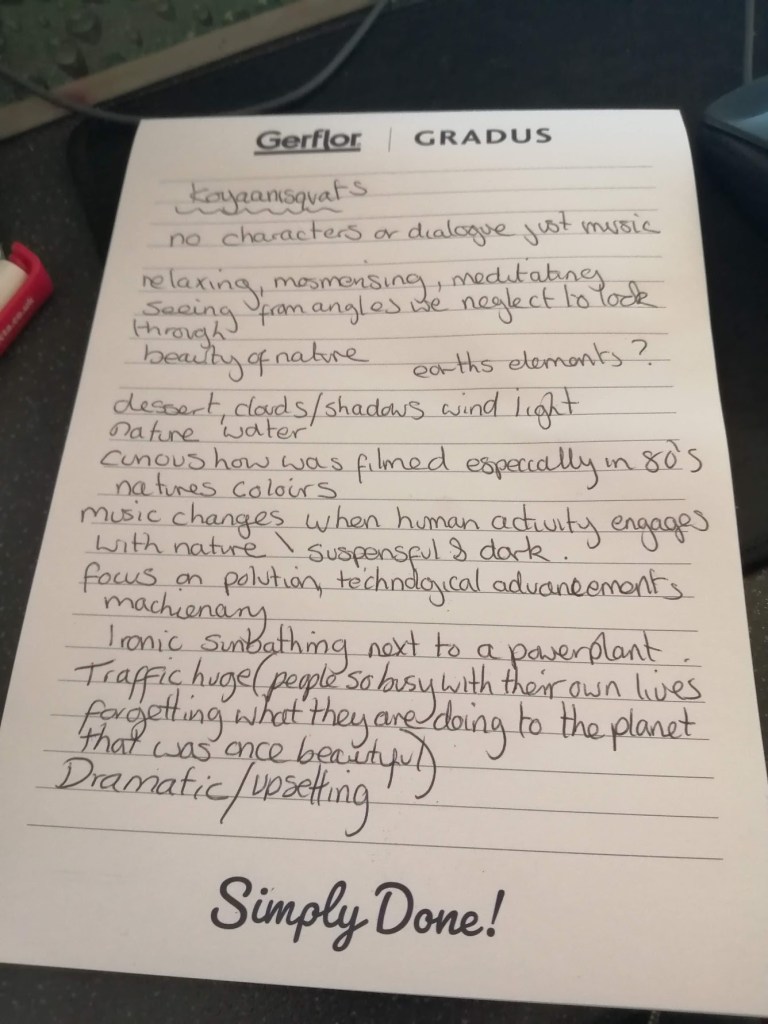
Next, I watched the film that is available at this link, https://watchdocumentaries.com/koyaanisqatsi/ and made notes whilst watching it.

Fig. 1 notes (2024)

The film is about a collection of visuals that capture a mix of natural landscapes, displaying all the different elements on our planet. It then transitions to scenes of human civilisation. From striking architecture to various technology advancements. The imagery I felt emphasises the profound impact of human activity. Throughout the film, there is a saddening emphasis on the damaging effects of pollution, warfare, and sights of abandoned structures. Sometimes parts of the film are sped up or slowed down which made it even more dramatic. Initially, I was apprehensive about how long the film is especially with it being only visuals and music. However, I found myself fascinated by the united relationship of the visuals and music.

Upon reaching the end of the film, I had a sense of sadness. It dawned on me how unknowingly, some of our actions over the years have brought devastation upon our world.

Next, whilst researching I found a documentary with Godfrey Reggio and Philip Glass explaining the making of the film.

It is an interesting video and it is clear Godfrey is a clever man with a high intellect. It was mentioned during the video “It is up to the viewer to decide on what they think about the film”. Godfrey also said “We live technology it is the air we breath, we are no longer conscious of its presents.” (Reggio, 2018).This statement is true and its is saddening to realise how we are so proud of our technological advancements but neglect to see the implications they are having.

Longplayer

Next, I looked at the work of Jem Finer’s project ‘Longplayer​’.

Researching the project Longplayer I discovered it is a unique piece of music designed to last 1,000 years, composed by Jem Finer, who is a musician and artist. It began playing by an algorithm played through a computer and was first played on 31st December in 1999 and will continue to play without any repetition until the year 2999. Apparently, the idea of the project was not about music but more about the experience of time. Longplayer resides in a lighthouse in Trinity Buoy Wharf in London.

Given the length of time this project is expected to last for causes various arguments for and against real-time viewing of Longplayer:

Arguments for real-time viewing of Longplayer.

Having music played nonstop for a millennium and considering the countless individuals who will have come and gone, who have heard and seen the music is quite remarkable. It’s a truly unique experience. Throughout the next millennium, viewers will be able to observe its progress. Experiencing Longplayer in real time might help people establish a relationship with time, as well as giving people space to reflect. It is evident from online research that people frequently travel great distances to visit Longplayer.

As can be seen in the video above, people are sitting about the bowls, enjoying the music, and even meditating there. As such, it provides a chance for people to join together and it makes it possible for people to gather, listen to the music, and converse about it. As a student myself, it is also a valuable educational tool allowing students to investigate and evaluate the artwork.

Arguments against real-time viewing:

Although I hope the project works, I don’t think the concept will last a millennium. People’s time will need to be dedicated to maintaining it. It’s also questionable if people will grow tired of the concept. One of the biggest issues I can see is the technical challenges that will come up. For instance, ensuring that it continues to play, adjusting to new technologies, and maintaining Longplayer.

Andy Goldsworthy’s sculptural practice.

Andy Goldsworthy is a British sculptor, photographer, and environmental artist known for his distinct sculptures and land art projects. His creations are often created in natural settings, including forests, riversides, and coastlines, and he frequently works with the environment, using materials sourced directly from the landscape such as rocks, leaves, branches, and ice. Through his art, Goldsworthy explores themes such as the relationship between humanity, nature and the passage of time.

Arguments For real-time viewing of Andy Goldworth’s artwork:

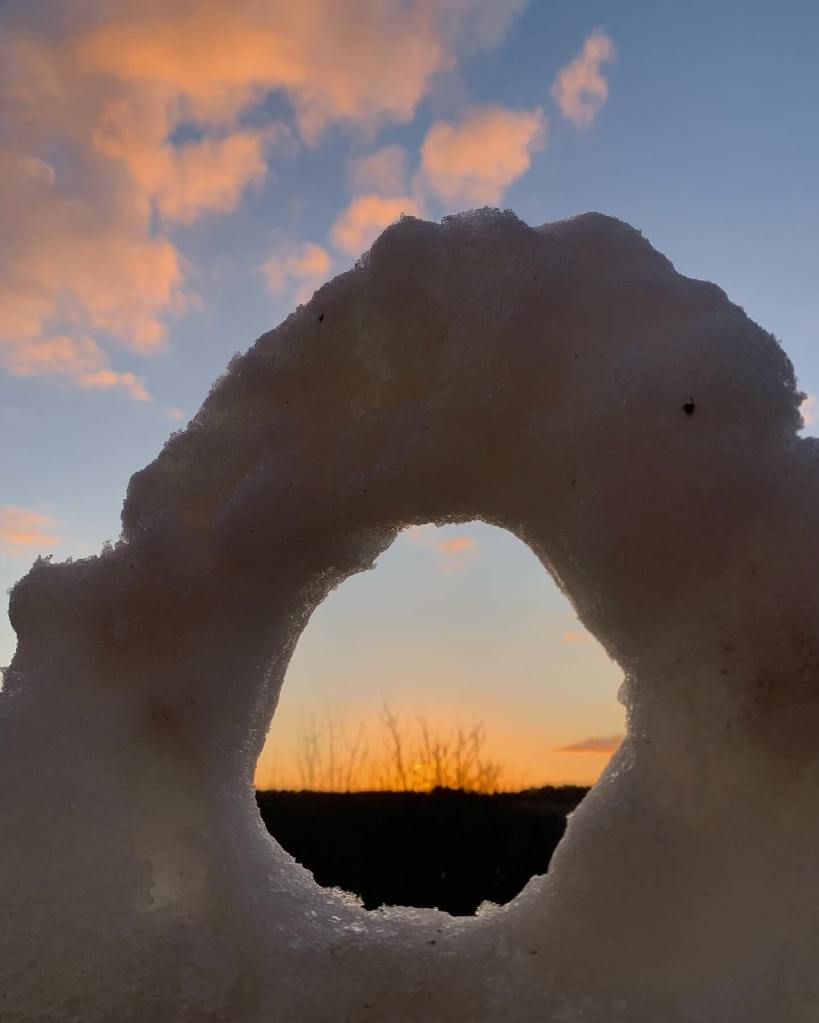
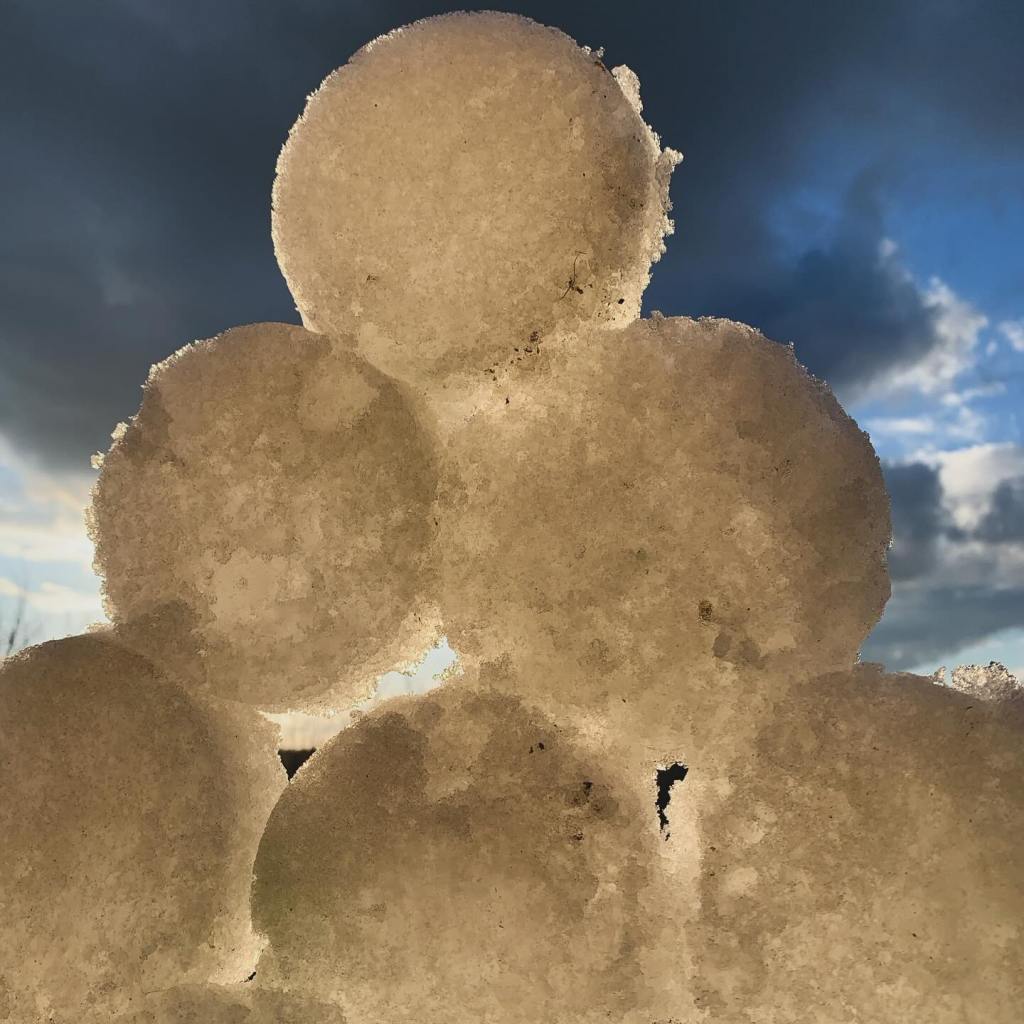
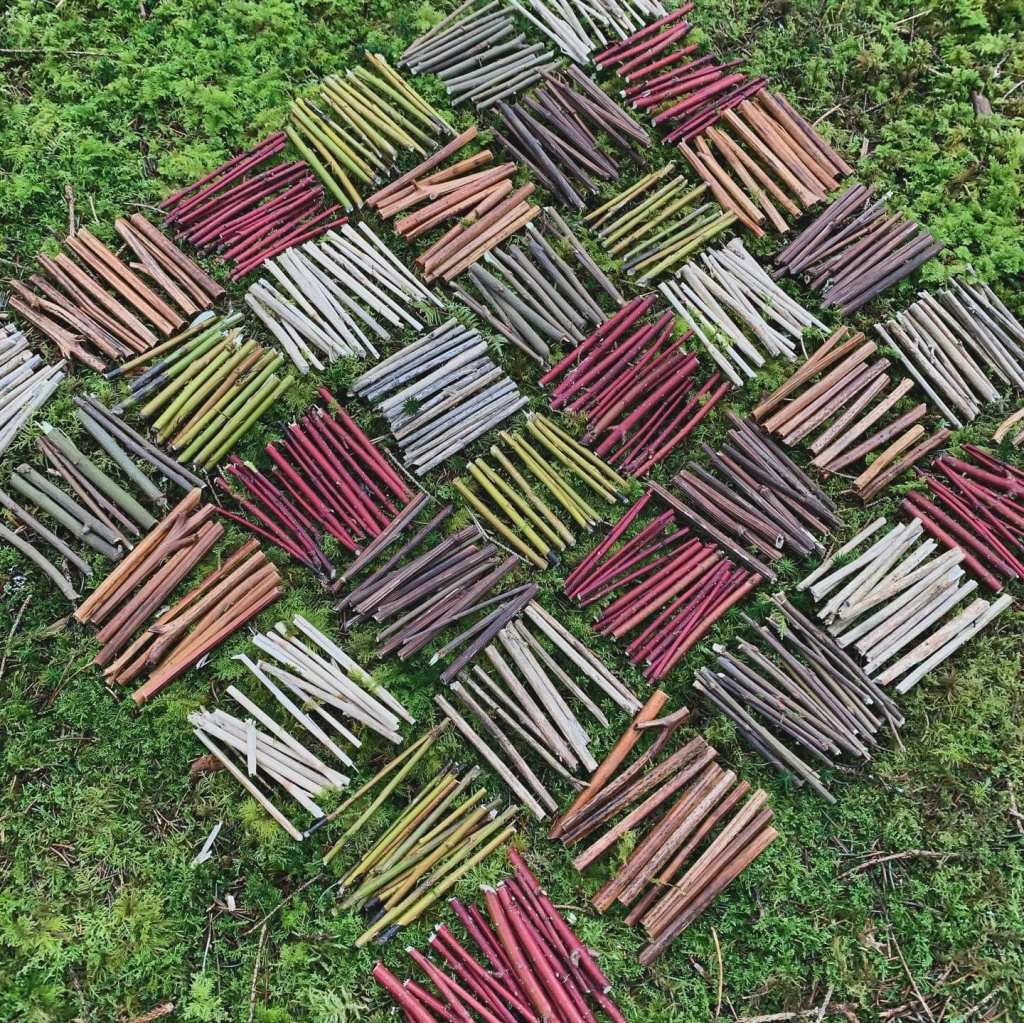
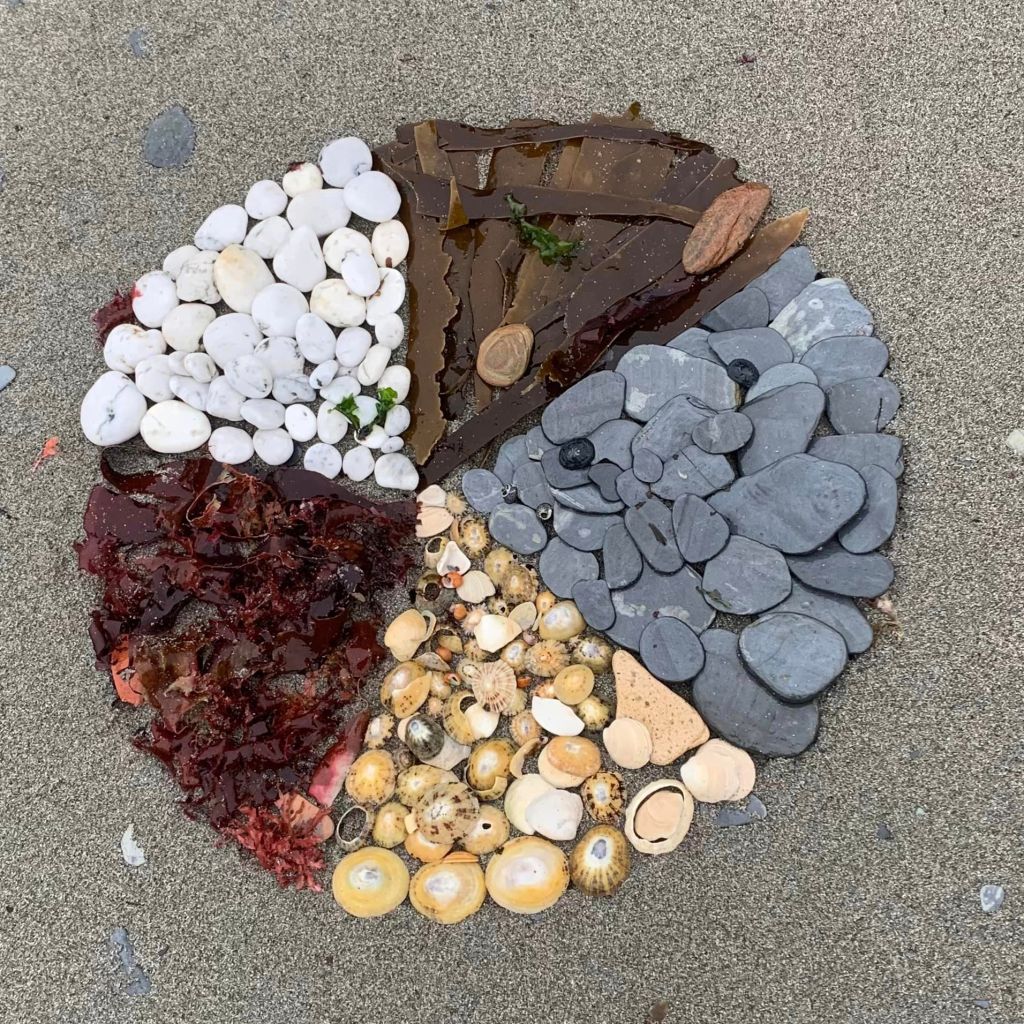
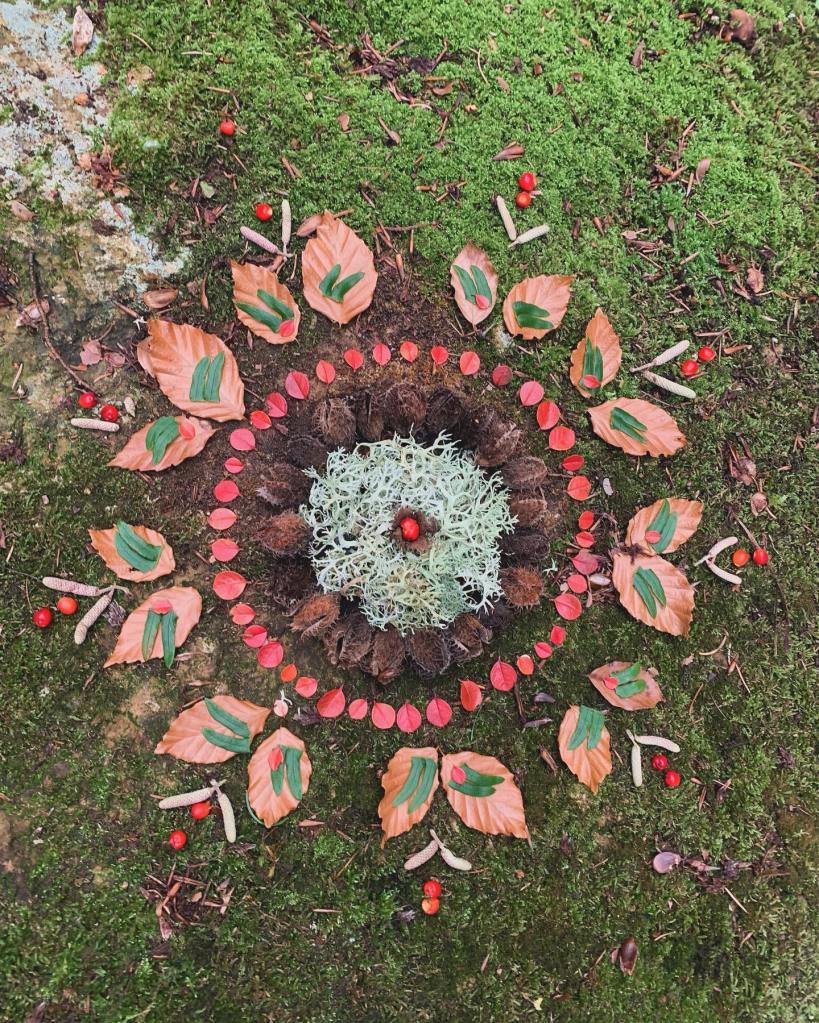
Goldsworthy’s art is about the concept of not lasting forever. People who viewing his work, with such a short time frame are reminded of the beauty of nature and its lifecycle and are given time to appreciate the natural world around them. Watching Andy work in realtime allows the viewer to understand his working practice and therefore gain an appreciation for his art. Also, stumbling across his work would create more of a sense of excitement. A friend of mine has been doing similar art whilst on her walks in the Forest of Dean, people are always excited to see and find her designs.

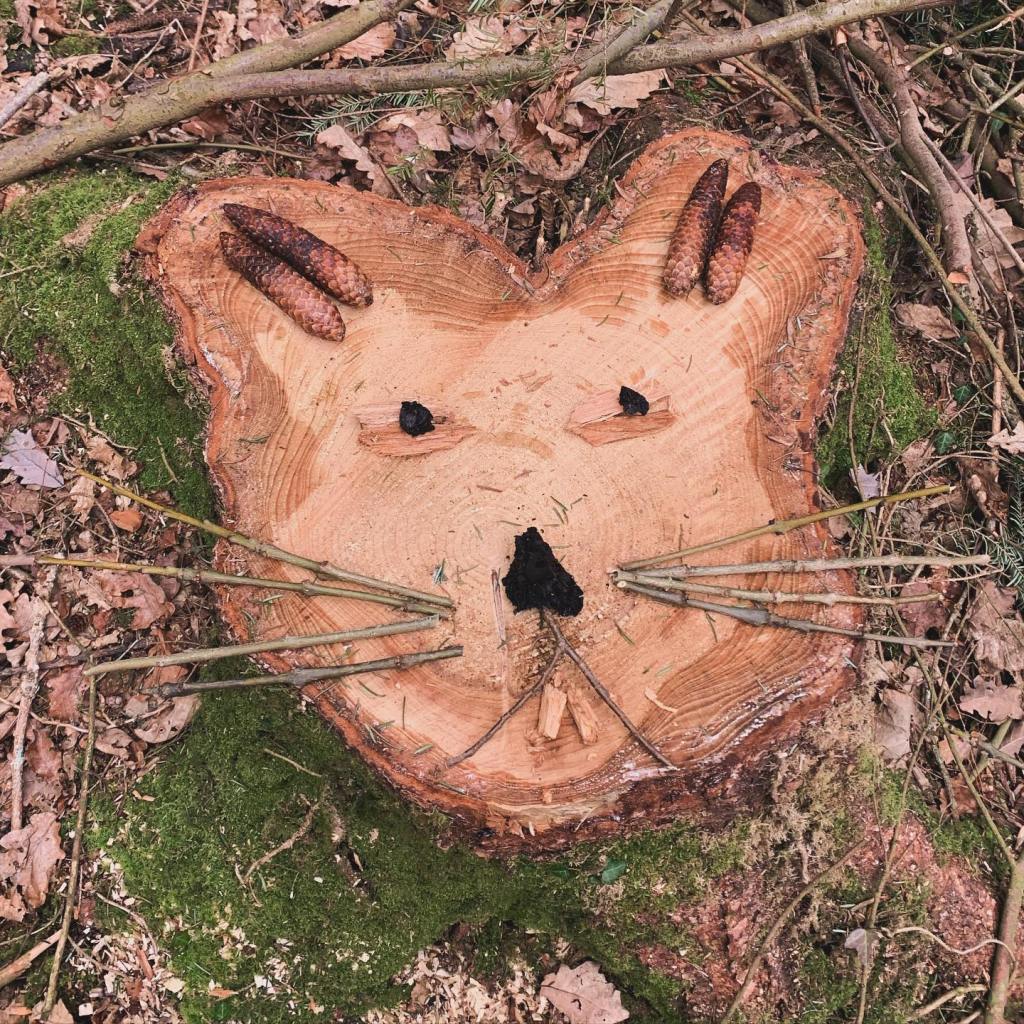
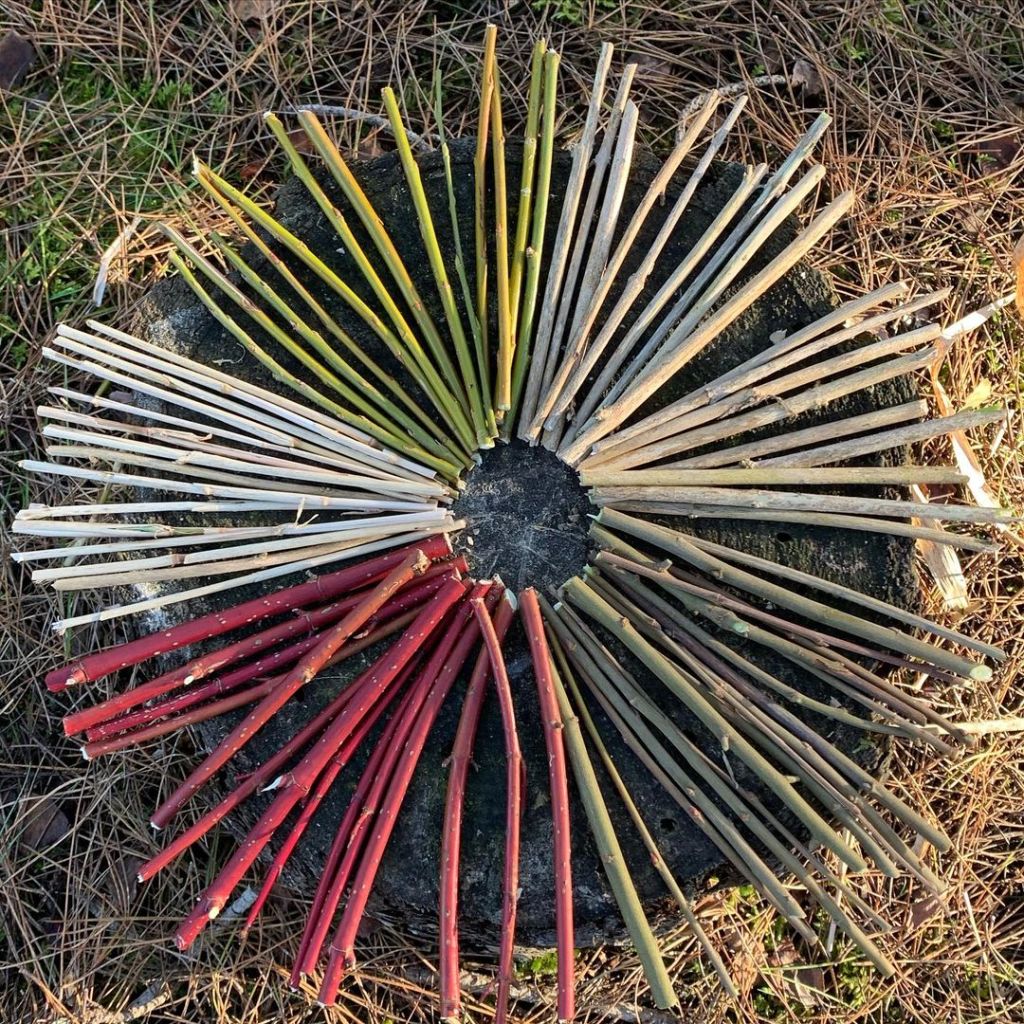
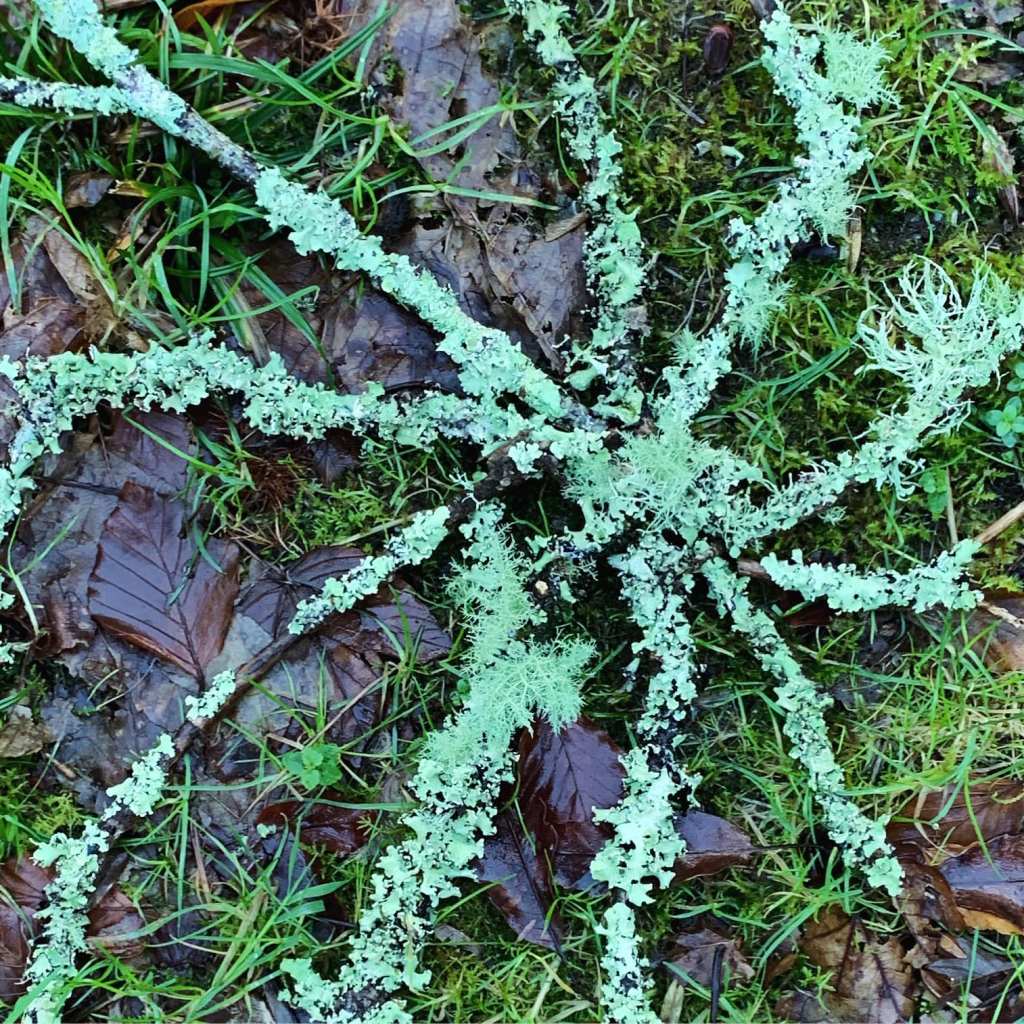
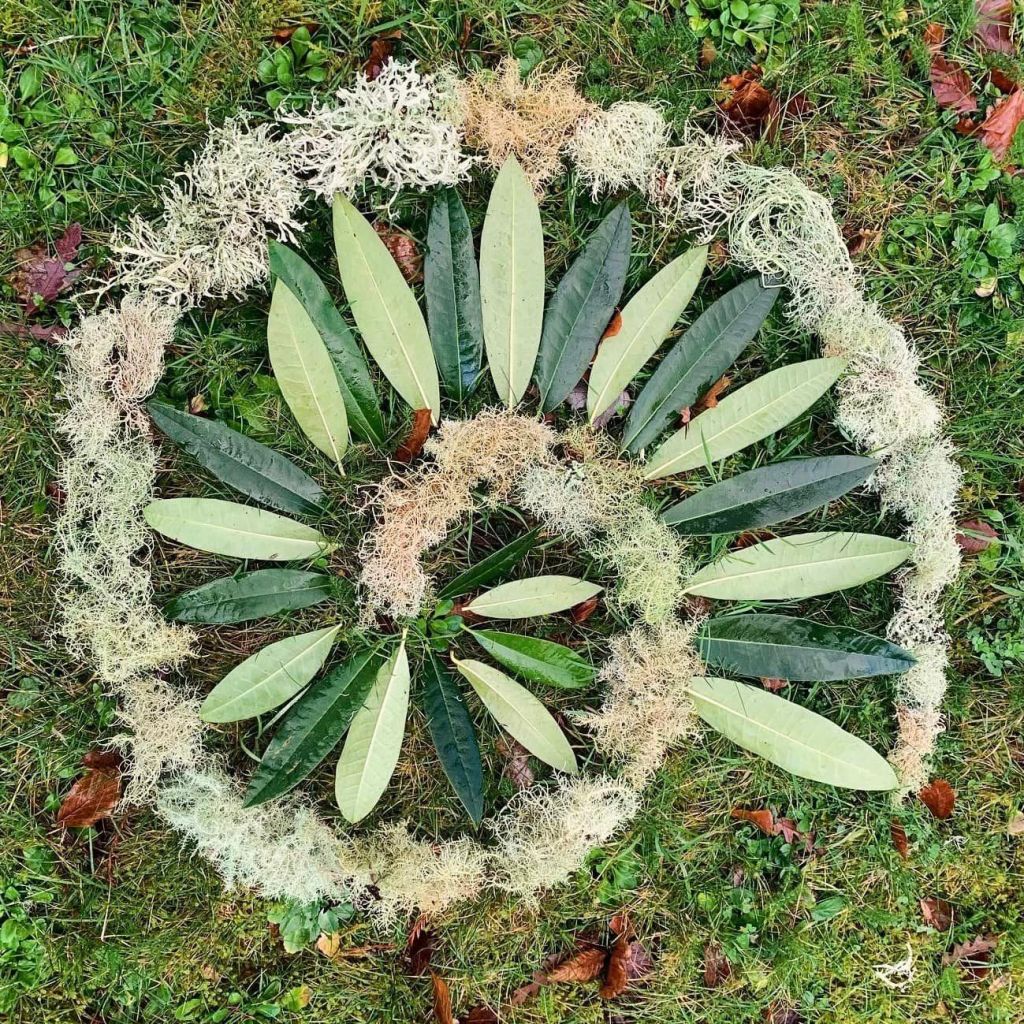
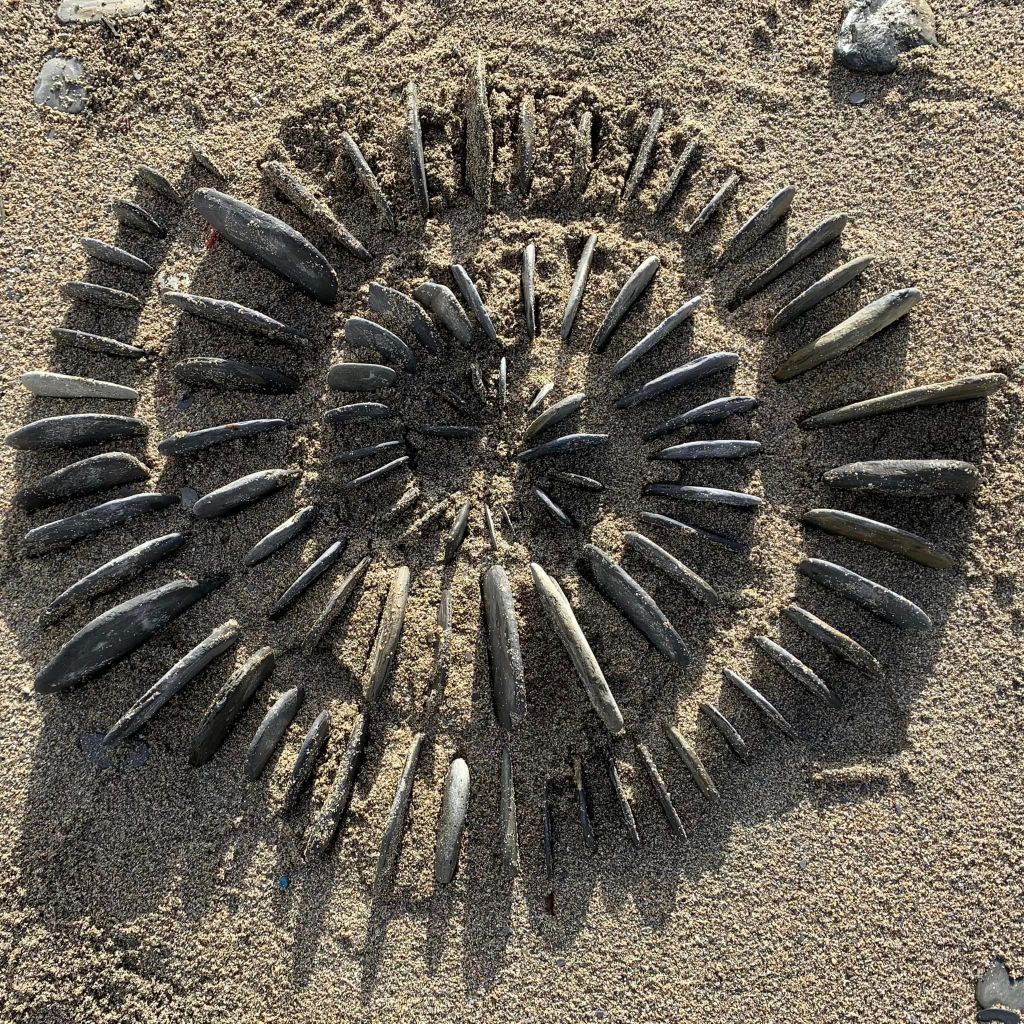
Below shows photographs of my friend Alisa Swanson’s artwork which I think is similar to Andy Goldsworth’s style.

Alisa Swanson’s artworks

Fig. 2 Snow circle (2024)
Fig. 3 Snowballs (2024)
Fig. 4 Patchwork sticks (2024)
Fig. 5 Animal face (2024)
Fig. 6 Coloured stems (2024)
Fig. 7 Moss (2024)
Fig.8 Leaf snail (2024)
Fig. 9 Pebbles (2024)
Fig. 10 Seaside circle (2024)
Fig. 11 Autumn (2023)

Arguments Against Real-Time Viewing:

Focusing on Goldsworthy’s real-time process may distract from the final artwork itself. Instead of appreciating the completed piece, viewers may become fixated on the artist’s actions.

From my own experience when I have had people watch me in real time create art work I have found it disrupting and distracting. Which possibly could affect his final artwork. The presence of an audience or observers may influence the artist’s decisions or alter the intended outcome of the artwork. However, this is a personal thought, and he may not feel this way when creating his works. Also, by watching him work there would be no mystery or excitement compared to stumbling upon it.

Marina Abramovic performance The Artist is Present’​ 

Out of all the people and creations I have researched this one personally is the most bizarre. The artist Marina Abramovic, sat motionless at a wooden table in a museum located in New York City, in 2010. Visitors were invited to sit across from her one at a time. The visitors were free to sit with her for as long as they wished, and they were encouraged to make eye contact with Abramović during their time together. This performance lasted 8 hours a day for three months.

However, when I watched the clip below, it made me reconsider my initial impressions of the performance. It was truly emotional and made me think is there more about the whole process of this project then I first thought. As Marina sat ready to meet her first guest she was unexpectedly greeted by her ex boyfriend and they sat for a minute gazing into each other’s eyes.

After careful consideration, I now believe through her art she is teaching people to be present in the moment, quiet their minds and to find time to connect with themselves and others. As most of the time people are so busy in their own fast pace lives they do not experience times like these. I also think it shows dedication and endurance from Marina to do such a project. After the effects of Covid it would be good to see how the same experience would affect people if they took part in the performance in 2024.

 While I was researching, I discovered some of Abramovic’s earlier works. One was her performance in the 1974 production of Rhythm 0. This performance scared and stunned me possibly even contributed to a nightmare I had the following night of reading about it. Without getting into specifics of the performances, I can say that she is devoted to her work as a performance artist and is willing to push herself to the limit.

Tehching Hsieh

Again, I was surprised by the next artist and his dedication to his art. Tehching Hsieh, is a Taiwanese artist most known for his five One Year Performances’​  These works are known as the following:

  • Cage
  • Time Clock
  • Outdoor
  • Rope
  • No Art

Time Clock

Below is a small documentary, discussing the work produced while creating the project, Time Clock. For this performance Tehching, punched a time clock every hour, for a whole year. Each hour he photographed himself which resulted in thousands of photos documenting the process. These photos were then sped up using film, that gave a better idea of the hardships he faced. Such as never having slept longer than fifty minutes, in a whole year. The philosophy of this piece was to document the passage of time. In his own words “You consume time until you die, every minute, every hour is different, you cannot go back, every time is different but also the same thing.” (Hsieh, 2014). In all of his performances he has pushed the boundaries of art and endurance, provoking viewers to consider the nature of time.

Next, I watched an interesting documentary of Tehching Hsieh, talking about all of the above works and his life story.

Reflection

From researching all of the above creators, a similarity can be seen between them all which is, their intention for the viewers to slow down and engage in a moment of shared presence, allowing for a deeper exploration of either the environment, time elapsing or the human experience within our world.

References

Berry, M. (2022). The Path of Performance: in Conversation with Tehching Hsieh. [online] http://www.youtube.com. Available at: https://youtu.be/DI7TjiHdEOQ [Accessed 11 Mar. 2024].

Blumberg, N. (2018). Andy Goldsworthy | Biography, Art, & Facts. In: Encyclopædia Britannica. [online] Available at: https://www.britannica.com/topic/Andy-Goldsworthy.

Borges, D. (2023). Marina Abramovic and Ulay – a Minute of Silence / the Artist Is Present (MoMA 2010 Performance HD). [online] http://www.youtube.com. Available at: https://youtu.be/op_AGbEBMro [Accessed 11 Mar. 2024].

Cohen, A. (2023). Andy Goldsworthy: Co-Authorship With the Earth through Land Art. [online] TheCollector. Available at: https://www.thecollector.com/who-is-andy-goldsworthy/.

Lader, R. (2013). The Artist Is Present and the Emotions Are Real: Time, Vulnerability, and Gender in Marina Abramovic’s Performance Art» Writing Program» Boston University. [online] http://www.bu.edu. Available at: https://www.bu.edu/writingprogram/journal/past-issues/issue-6/lader/.

Levin, J., Eshun, K., Wertheim, C. and Wertheim, M. (2019). Longplayer. [online] Longplayer.org. Available at: https://longplayer.org.

Mramoeba (2023). Longplayer. [online] Wikipedia. Available at: https://en.wikipedia.org/wiki/Longplayer [Accessed 10 Mar. 2024].

O’Hagan, S. (2010). Interview: Marina Abramović. [online] The Guardian. Available at: https://www.theguardian.com/artanddesign/2010/oct/03/interview-marina-abramovic-performance-artist [Accessed 11 Mar. 2024].

Payne, C. (2009). LongPlayer Live. [online] http://www.youtube.com. Available at: https://youtu.be/NhEI3FEvxU0 [Accessed 11 Mar. 2024].

Qatsi, K. (2001). Koyaanisqatsi. [online] Wikipedia. Available at: https://en.wikipedia.org/wiki/Koyaanisqatsi [Accessed 10 Mar. 2024].

Reggio, G. (1982). Koyaanisqatsi (1982) | Watch Free Documentaries Online. [online] Watchdocumetaries. Available at: https://watchdocumentaries.com/koyaanisqatsi/.

Reggio, G. and Glass, P. (2018). Godfrey Reggio & Phillip Glass on ‘Koyaanisquatsi’Filmschoolarchive. Available at: https://youtu.be/PK03KKcdzl0?si=rRnSmHL67r0hbLLg [Accessed 10 Feb. 2024].

Royal Academy of Arts (2023). Marina Abramović | Exhibition | Royal Academy of Arts. [online] http://www.royalacademy.org.uk. Available at: https://www.royalacademy.org.uk/exhibition/marina-abramovic [Accessed 11 Mar. 2024].

Sheetz, K. (2019). Hopi | People. In: Encyclopædia Britannica. [online] Available at: https://www.britannica.com/topic/Hopi.

Tehching Hsieh: One Year Performance 1980-1981 (201). Tehching Hsieh: One Year Performance 1980-1981. [online] YouTube. Available at: https://youtu.be/tvebnkjwTeU.

Tehching Hsieh: One Year Performance 1980-1981 (2014b). Tehching Hsieh: One Year Performance 1980-1981. [online] YouTube. Available at: https://youtu.be/tvebnkjwTeU.

Illustration list

Fig. 1 Fowler, G (2024) Notes. [Photograph] In possession of: Fowler, G: Forest of Dean, Gloucestershire.

Fig. 2 Swanson, A (2024) Snow circle. [Photograph] In possession of: Swanson, A: Forest of Dean, Gloucestershire.

Fig. 3 Swanson, A (2024) Snowballs. [Photograph] In possession of: Swanson, A: Forest of Dean, Gloucestershire.

Fig. 4 Swanson, A (2024) Patchwork sticks. [Photograph] In possession of: Swanson, A: Forest of Dean, Gloucestershire.

Fig. 5 Swanson, A (2024) Animal face. [Photograph] In possession of: Swanson, A: Forest of Dean, Gloucestershire.

Fig. 6 Swanson, A (2024) Coloured stems. [Photograph] In possession of: Swanson, A: Forest of Dean, Gloucestershire.

Fig. 7 Swanson, A (2024) Moss. [Photograph] In possession of: Swanson, A: Forest of Dean, Gloucestershire.

Fig. 8 Swanson, A (2024) Leaf snail. [Photograph] In possession of: Swanson, A: Forest of Dean, Gloucestershire.

Fig. 9 Swanson, A (2024) Pebbles. [Photograph] In possession of: Swanson, A: Forest of Dean, Gloucestershire.

Fig. 10 Swanson, A (2024) Seaside circle. [Photograph] In possession of: Swanson, A: Forest of Dean, Gloucestershire.

Fig. 11 Swanson, A (2024) Autumn. [Photograph] In possession of: Swanson, A: Forest of Dean, Gloucestershire.

Categories
Coursework Part Three: Making

Exercise 2: Slow

For this exercise I have to create a short comic strip based on the themes of slowness and pace.

Key words from the brief:

Option 3: A Comic Book

  • This option involves developing a simple narrative and then producing an illustrated storyboard in a comic book style
  • Have a look at a few comics or graphic novels and note down your thoughts on their respective styles in your log
  • Emulate one of the artists you have looked at in the production of your work, or you can work in your own style.
  • The theme of the exercise is based on slowness and pace
  • Keep it simple so that you can concentrate on making the panels of your storyboard interesting
  • Three page narrative, with either 6 or 9 panels per page.

Research

Before starting any sketchbook work I decided to do some research into comic books and comic book artists. Firstly, I looked at a comic called ‘Watchmen’ written by Alan Moore and illustrated by Dave Gibbons.

The Watchmen was originally a series of twelve comics that was published in 1986 – 1987, by DC Comics. Eventually it was complied together to make a graphic novel called’Watchmen’. Below is a lecture I watched from ArtsOne in which the teacher talks about the book. It was interesting to get a better understanding of the decisions that were made from an artistic point of view and getting a better understanding of the narrative of the comic.

Alan Moore  & Dave Gibbons – Watchmen

To get a closer look at the comics content and the illustrations, I looked at pages from Watchmen using Pinterest.

Key points noted from the lecture and my own interpretation of the artist.

  • Nine panel grid used throughout the book
  • Careful consideration of the composition of each panel
  • Capturing motion through the use correct use of composition and panel layout.
  • Realistic illustrations with a focus on facial expressions and body language.
  • Altering perspectives.
  • Overlapping pannels
  • Contrast of colours and emphasis on shadows and highlights.
  • Careful consideration of character design.
  • Detailed illustrations of architecture.
  • Muted colour palette enhances mood and atmosphere.

After I researched the illustrator Dave Gibbons and watched an interesting interview with him explaining his methods of working. I found it invaluable to see how he draws using Clip Studio Paint, I thought perhaps I could apply some of his methods to my own illustration work when I learn how to use Procreate, or perhaps Adobe Illustrator/ Photoshop.

Three points he recommended.

  • Be really good at your job
  • Be reliable
  • Be a nice guy.

Richard McGuire’s – Here

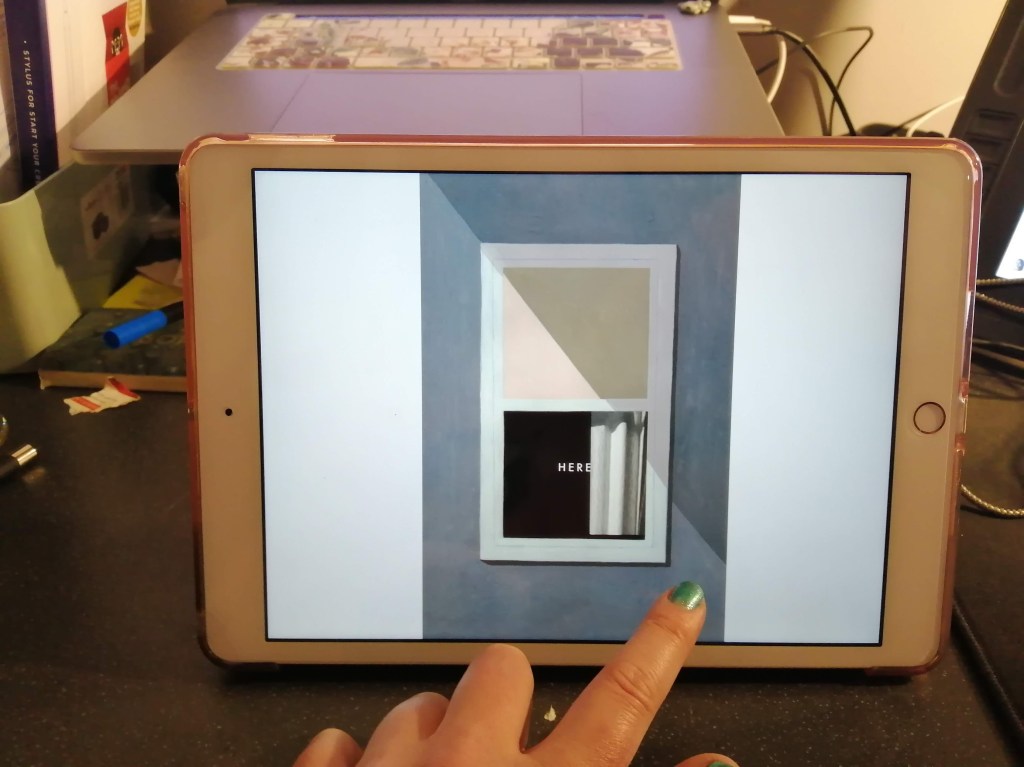
Next, I then looked into Richard McGuire’s graphic novel. It’s called “Here.” I found McGuire’s website online, and when I clicked on the link with the book information, I was astounded by the images and narrative displayed. It is one of the most imaginative books I have ever seen. Each page is organised in the same location, which is in the corner of a living room. The narrative effortlessly spans through many historical moments by jumping back and forth in time. The pages from the website excited me so much I had to buy the book.

Below are images from the book ‘Here’ that I downloaded to my iPad kindle app.

Upon completing the graphic novel, I became aware of how captivating and visually striking “Here” was—a study of space, time, and human behaviour as viewed through the lens of a single room. It is a fantastic source of inspiration for my illustration work and leads me to consider my relationship with my own home and the hidden secrets it may hold.

Notes that make the comic successful which I could apply to my own comic.

  • Single location
  • Minimalistic artwork to allow readers to understand the complex narrative
  • Line drawings
  • Limited colour pallette
  • Reoccuring graphics
  • Interconnecting panels, capturing the passage of time
  • Emotional connection (joy, sorrow, love)

Chris Ware’s – ‘Jimmy Corrigan: The Smartest Kid on Earth’.

Finally, I researched Chris Ware’s – ‘Jimmy Corrigan: The Smartest Kid on Earth’ by watching a couple of video reviews about the book and other research material.

Originally the story was a series of comic strips published in a weekly newspaper in Chicago, before being published as a standalone book in the year 2000. The narrative is based on a mid thirty’s man who is sad and lonely and constantly having to deal with his over bearing mother. Everything in his life is a little dull until one day he receives a letter from his estranged father asking to meet him. Jimmy then undertakes this trip and eventually meets his father. However, there is also a parallel story about his Grandfather who has a similar upbringing to Jimmy that is set in 1893.

Notes that make the comic successful which I could apply to my own comic.

  • Emotional connection
  • Relatable relationships
  • Passage of time
  • Grid based layout
  • Muted colour palette
  • Precise line work
  • Small lettering
  • Arrows to guide panels layout
  • Repetitive illustrations
  • Illustrates life

To get a better understanding of comics I read the book Studying Comics and Graphic Novels by Karin Kukkonen. The book goes into depths about how comics are laid out and how the viewer interprets the visual information in front of them.

Below are some notes I have made from the book to consider when creating my own comic.

  • Sometimes hand written text.
  • Emphasis on facial expressions.
  • Different postures of characters.
  • Size of lettering indicates if someone is shouting or talking quietly.
  • Character design Symbolism and metaphor.
  • Different perspectives in panels.
  • Gaze of the character can inform direction of page and importance.
  • Gestalt Theory- Similarity, Continuation, Closure, Proximity, Figure/ground, Symmetry and order.

Recently, I have purchased an iPad, having never owned one I am currently getting used to how to operate it. The main reason I purchased it was to learn how to use Procreate. Therefore I feel this exercise is a good opportunity to do so.

Idea generation

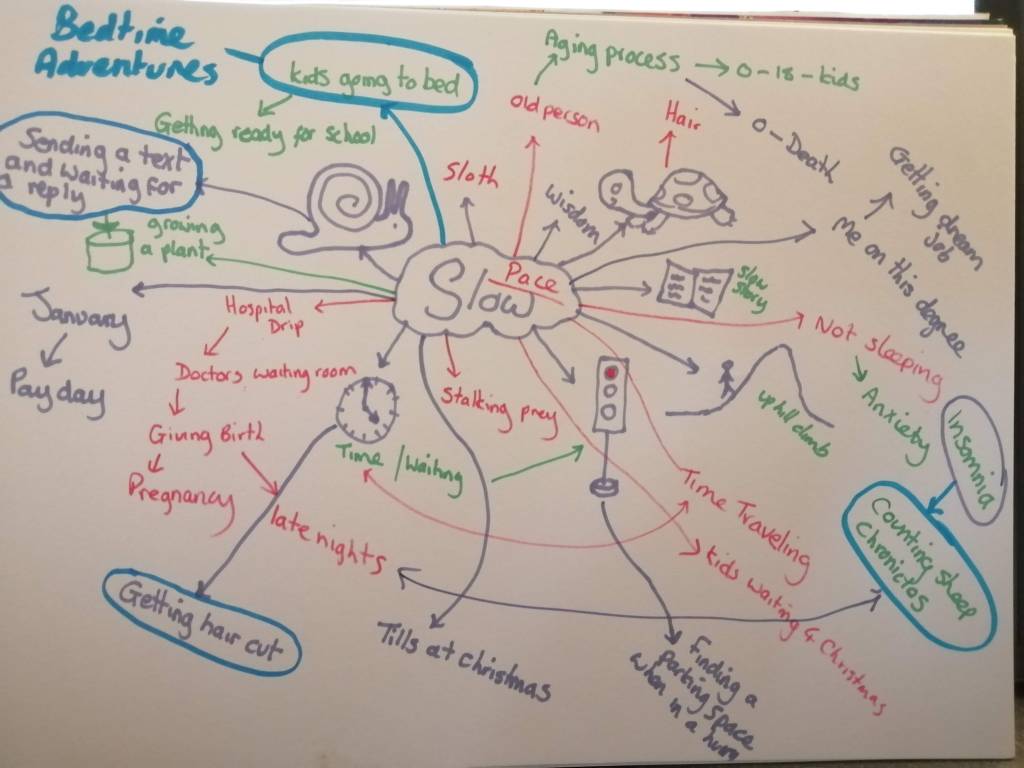
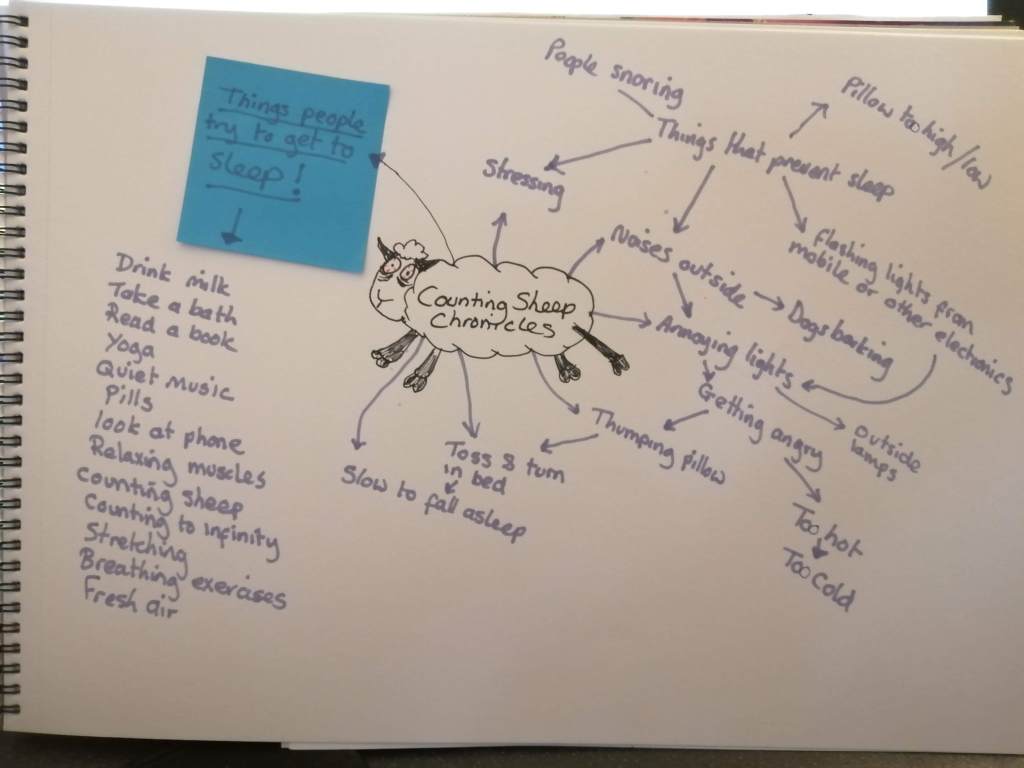
 Considering the word “slow,” I began creating a spider diagram.

The sentences circled in the mind map are ideas that I thought had the most promise for a short comic. After thinking carefully I decided to look more closely at the word insomnia. To this I created another mind map.

Idea development

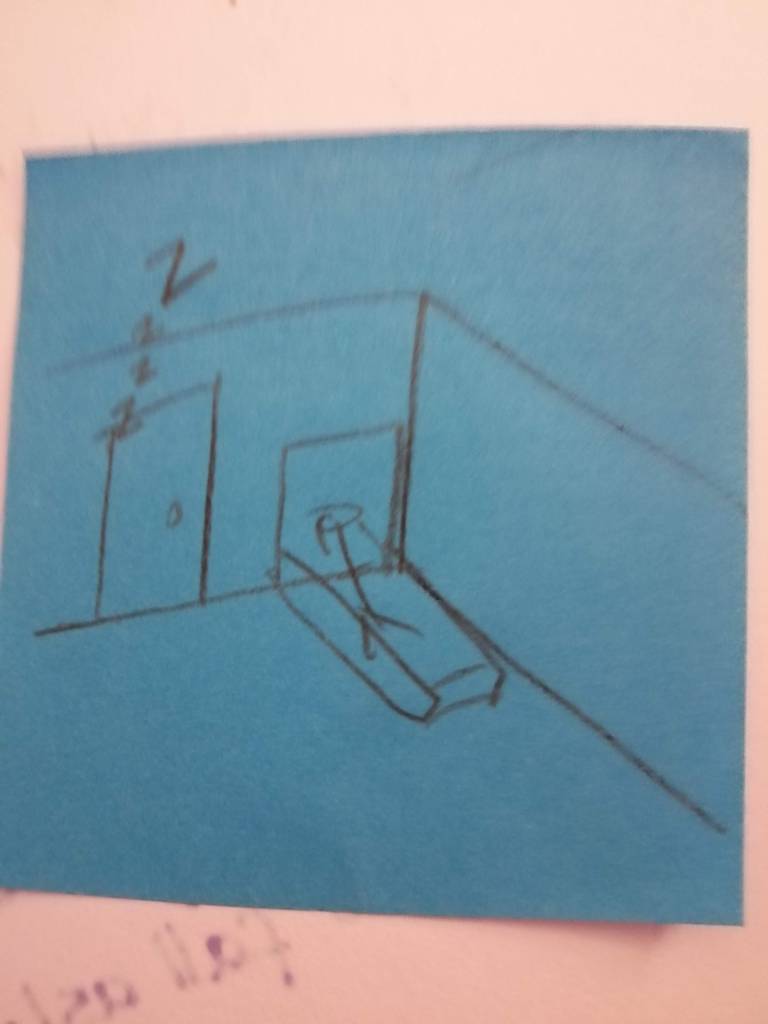
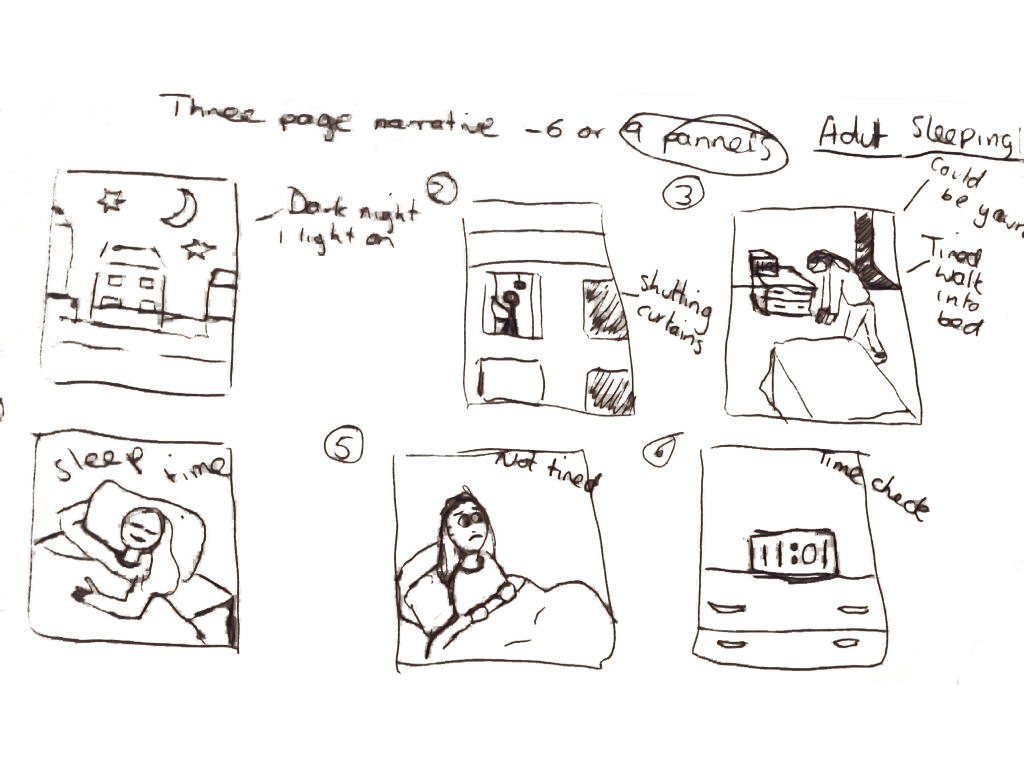
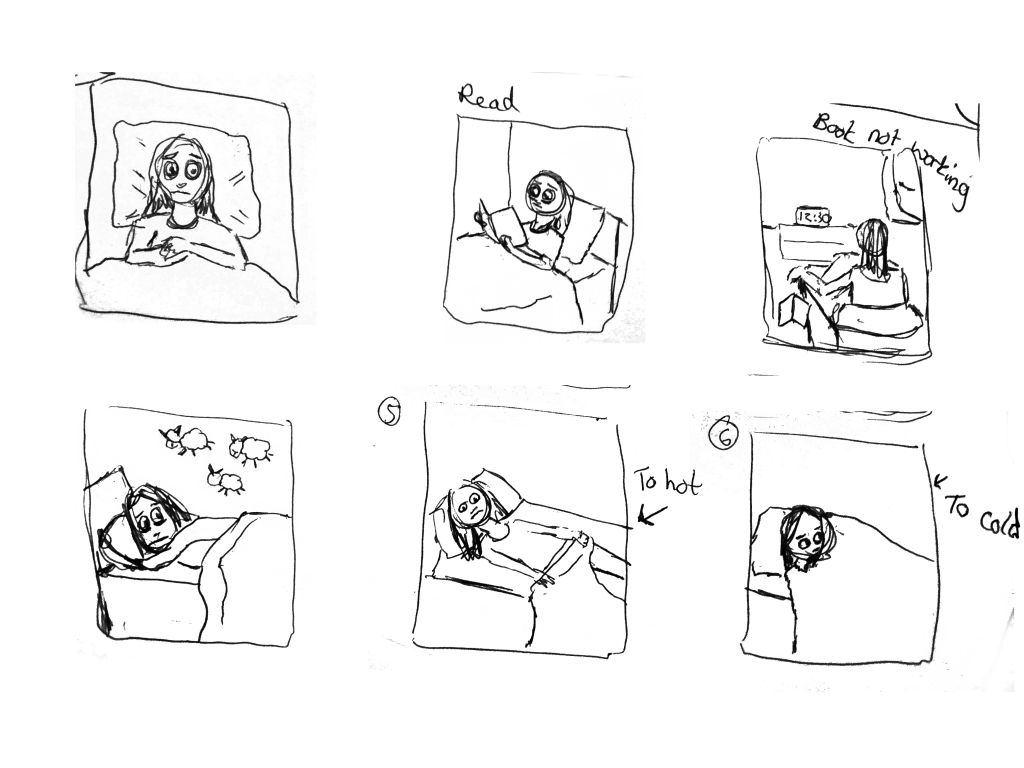
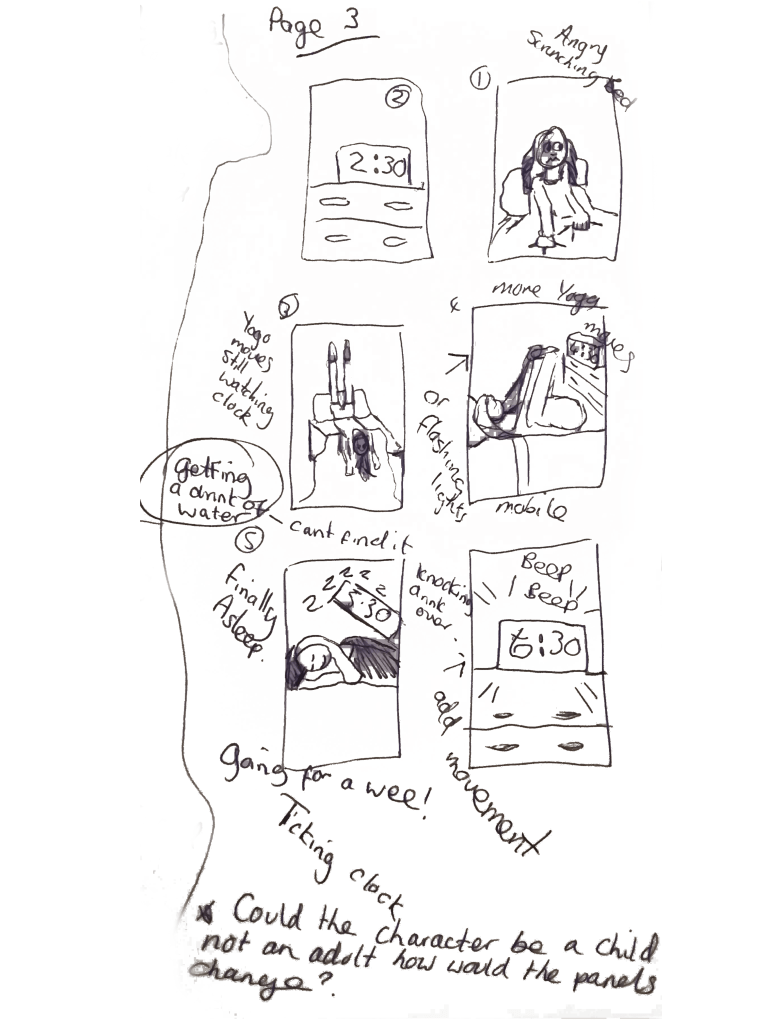
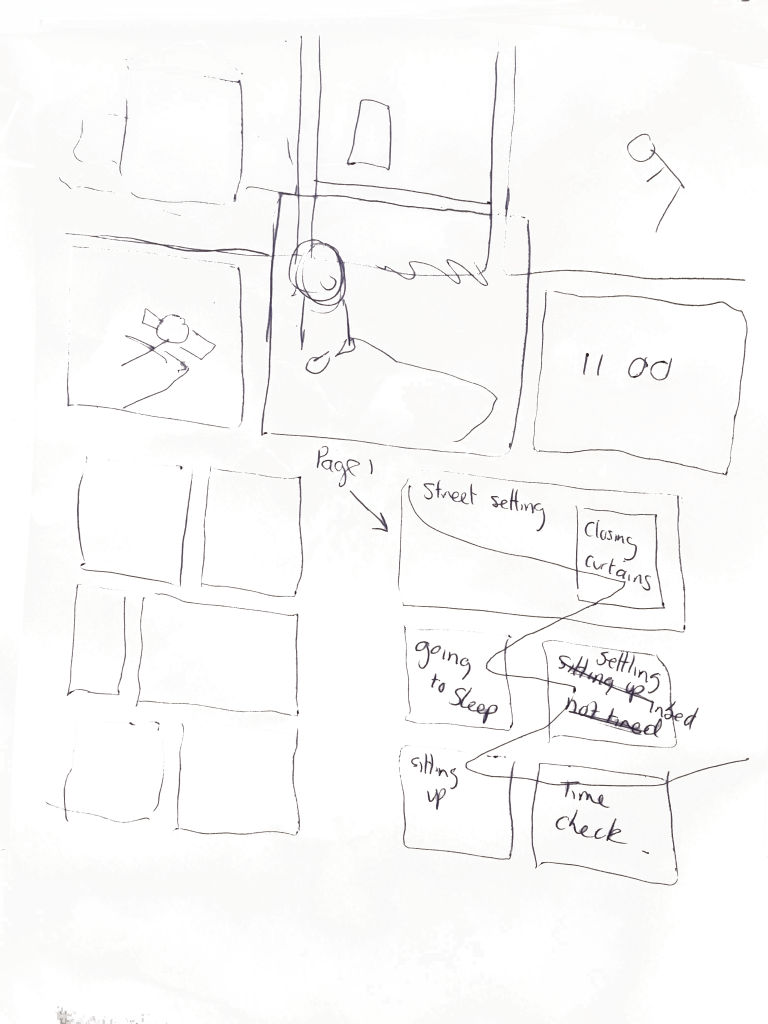
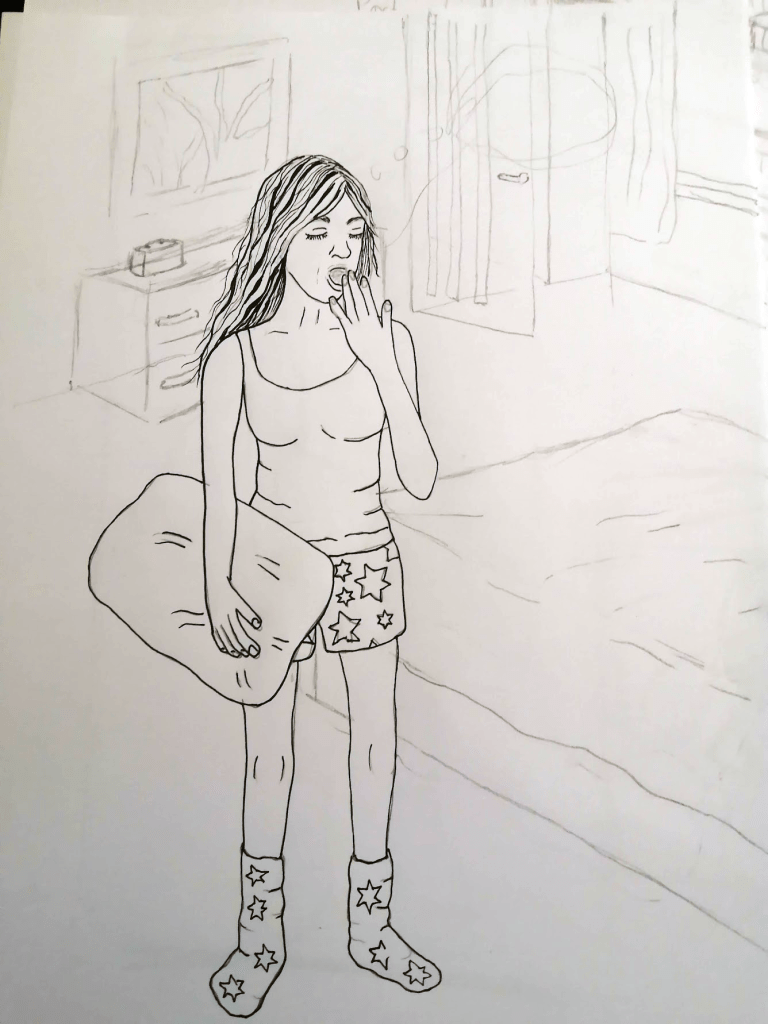
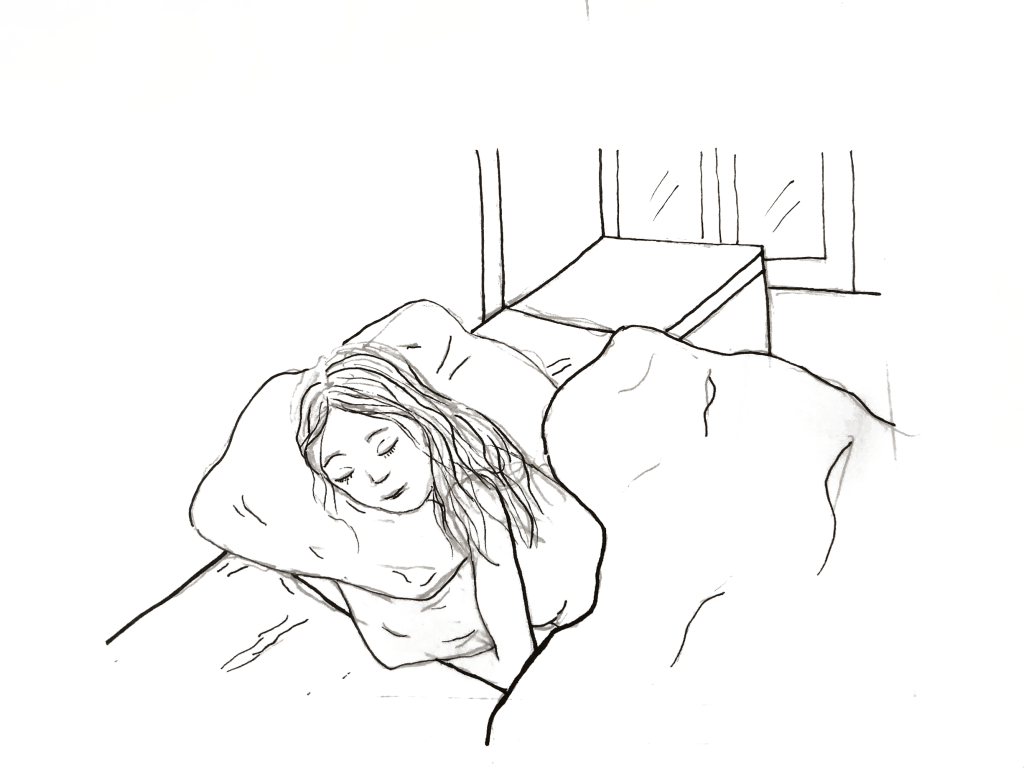
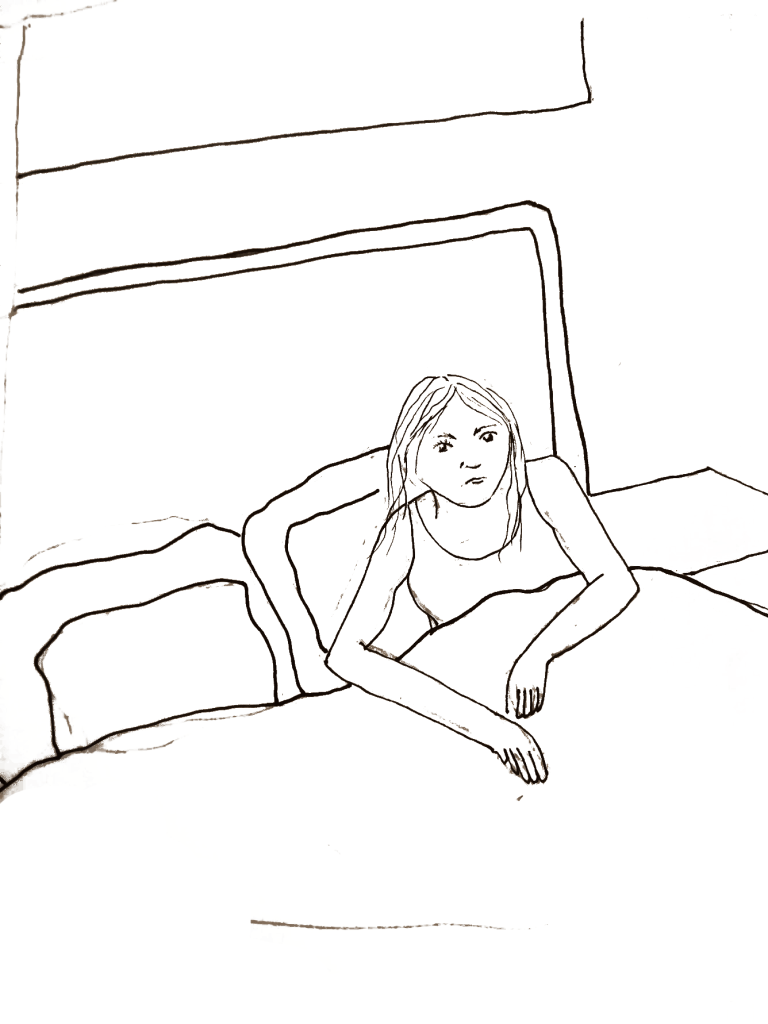
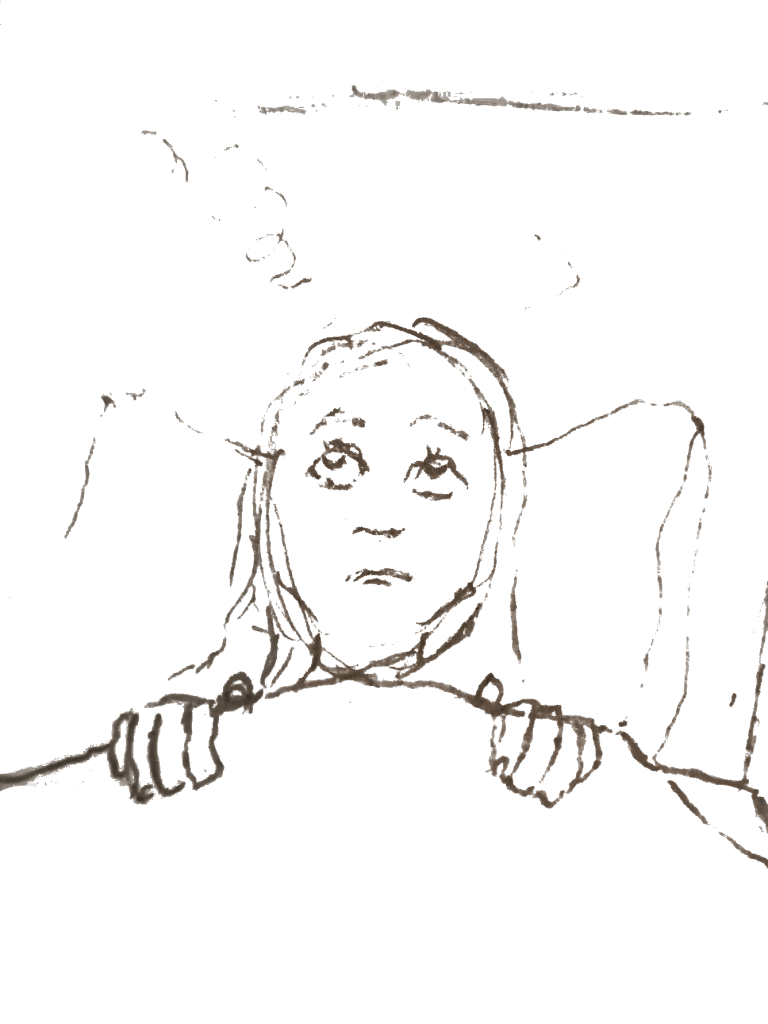
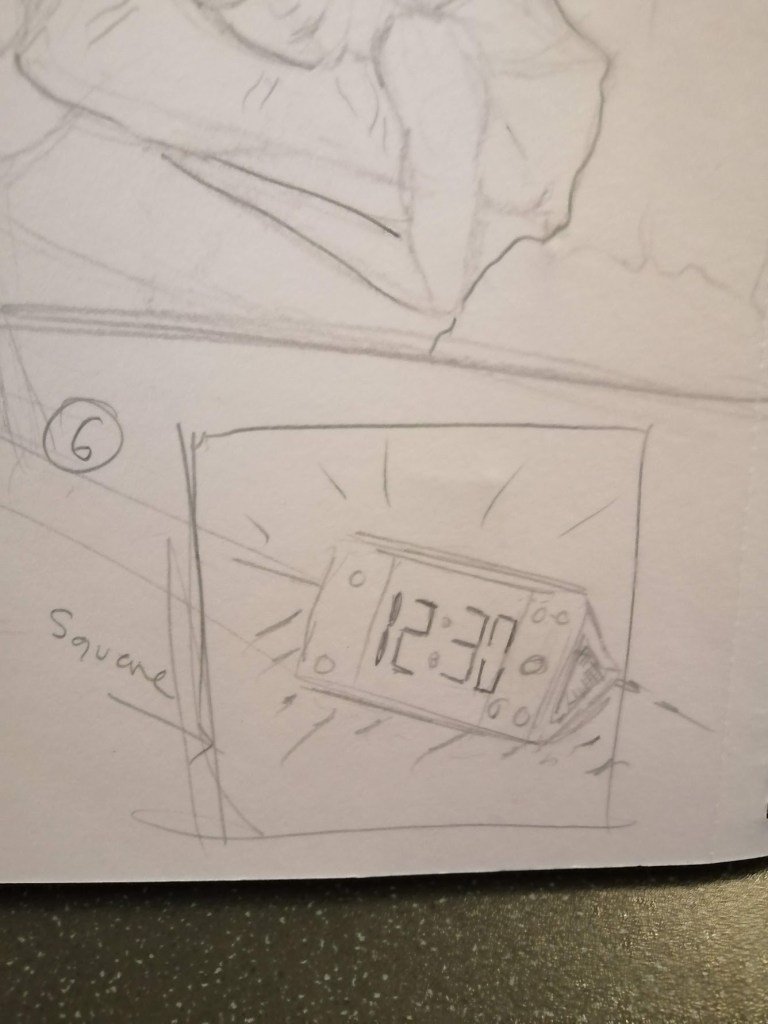
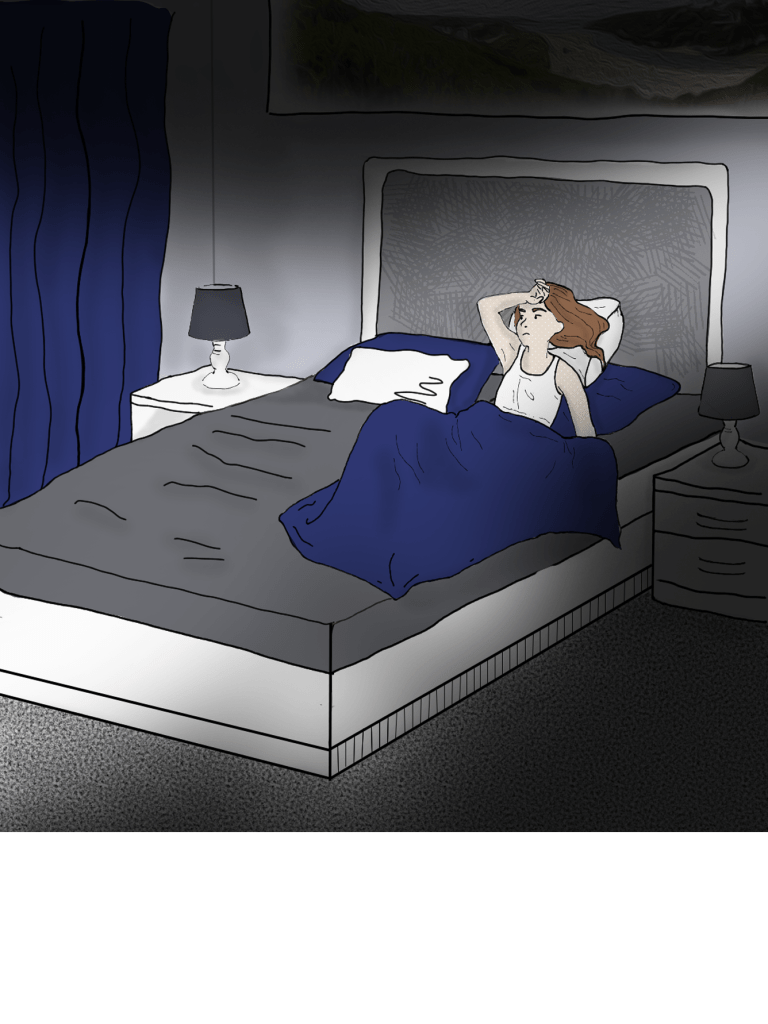
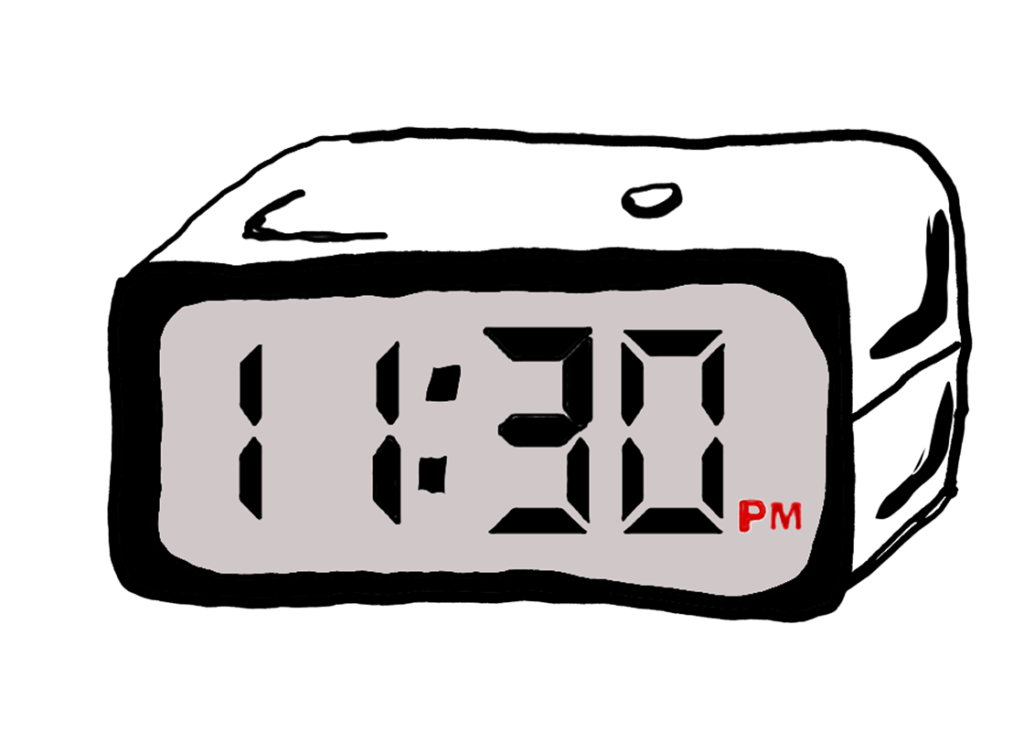
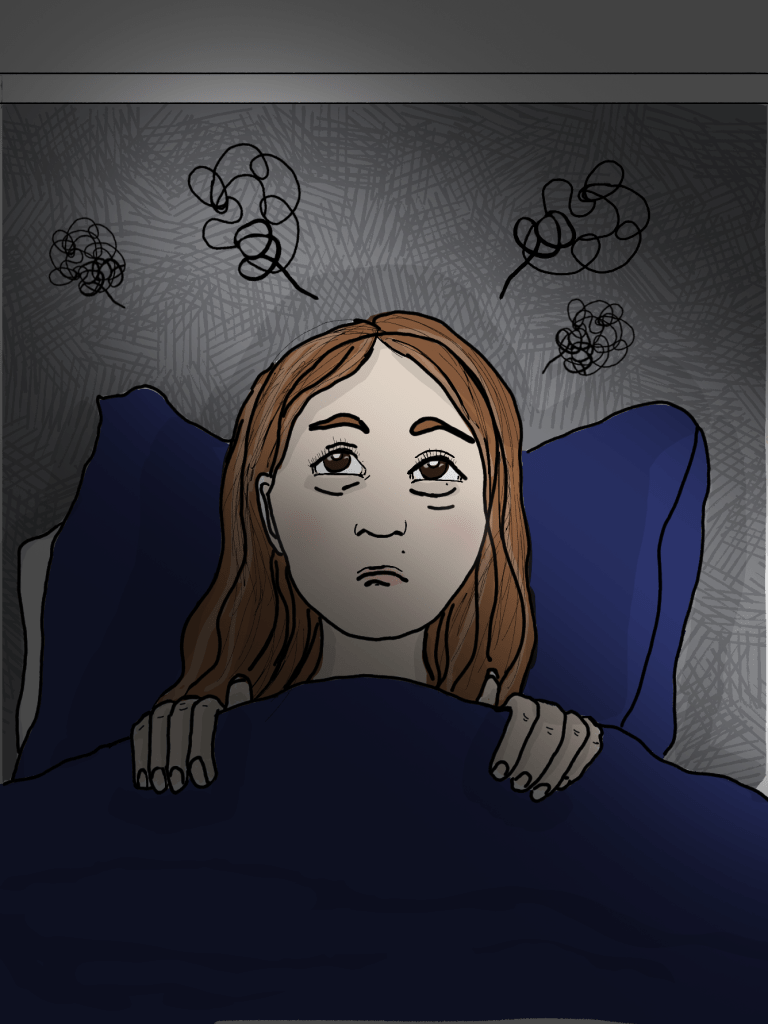
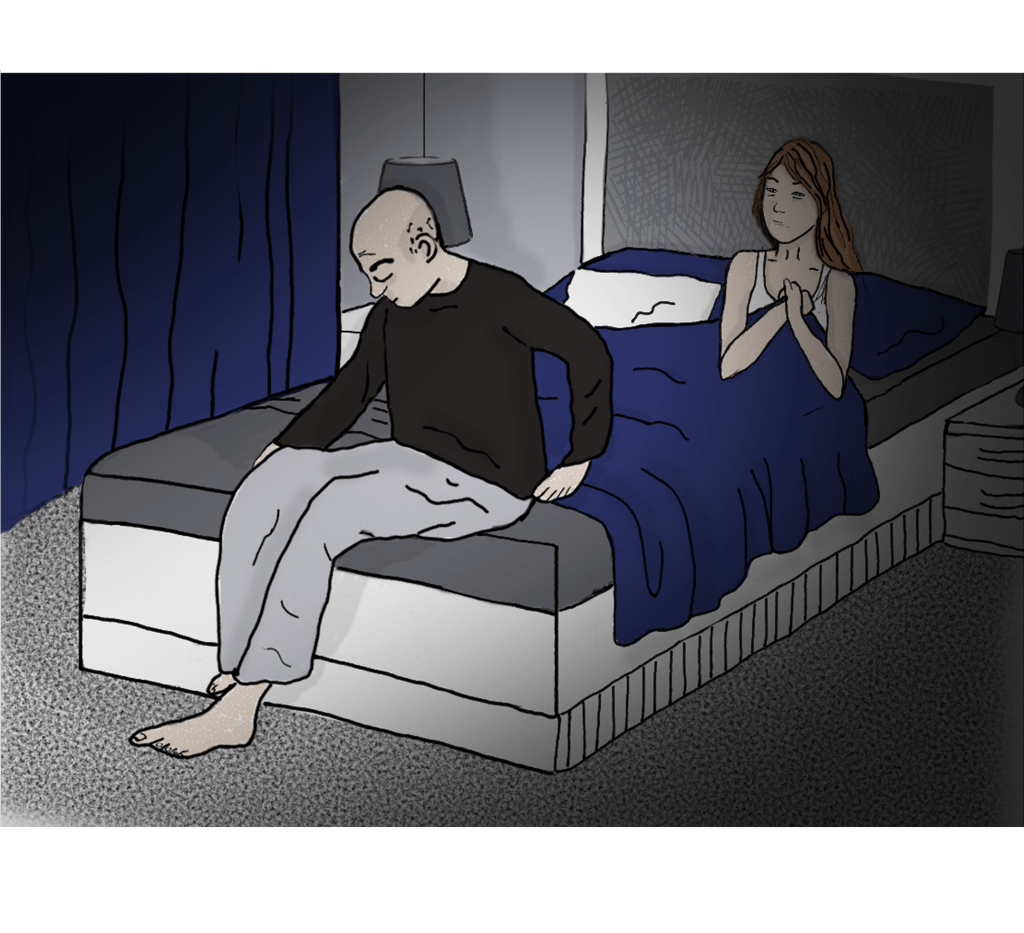
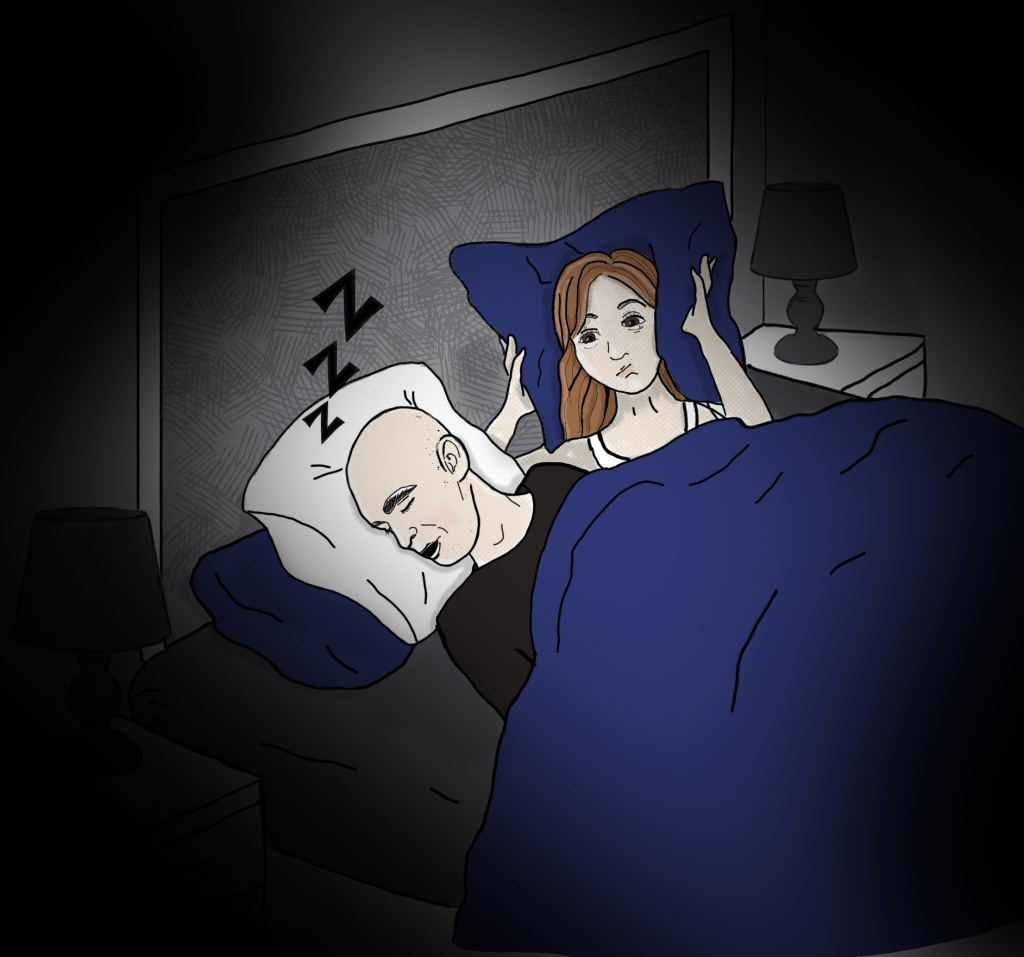
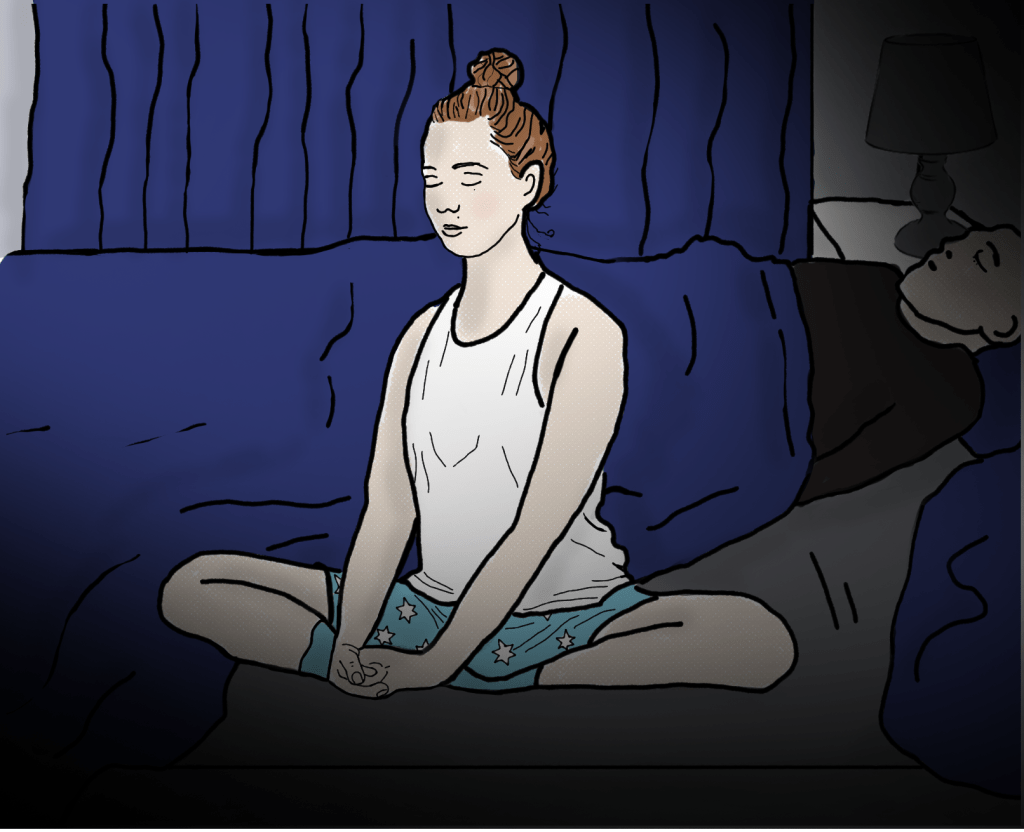
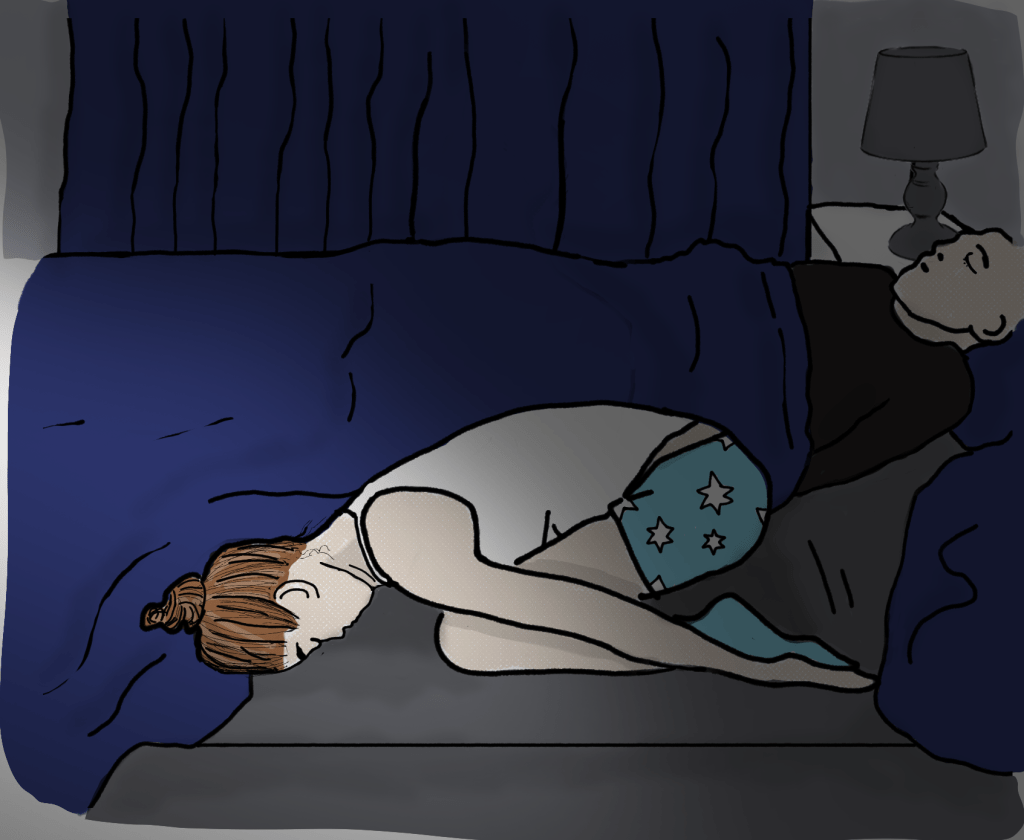
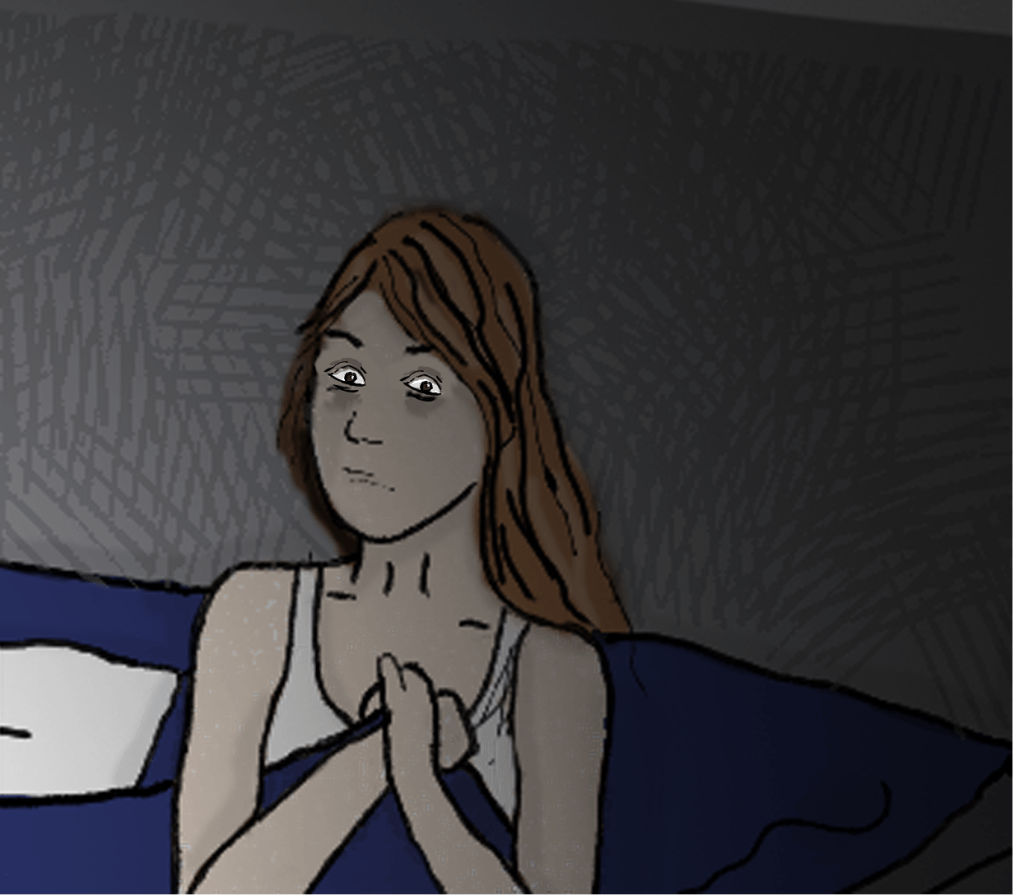
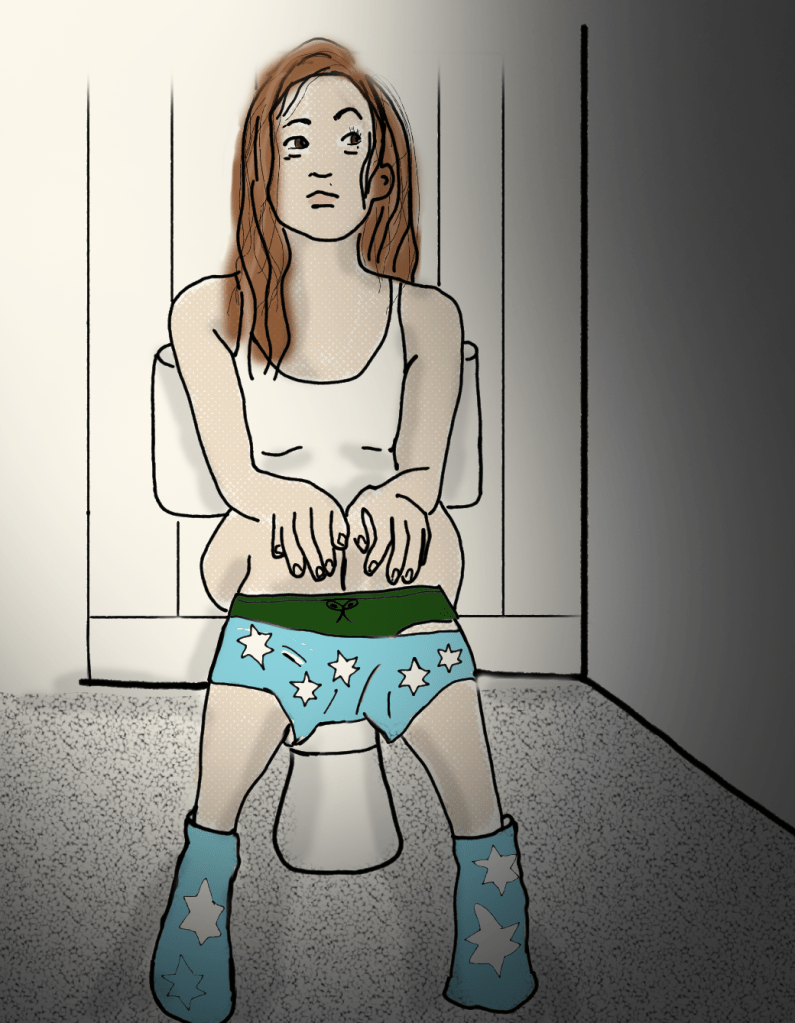
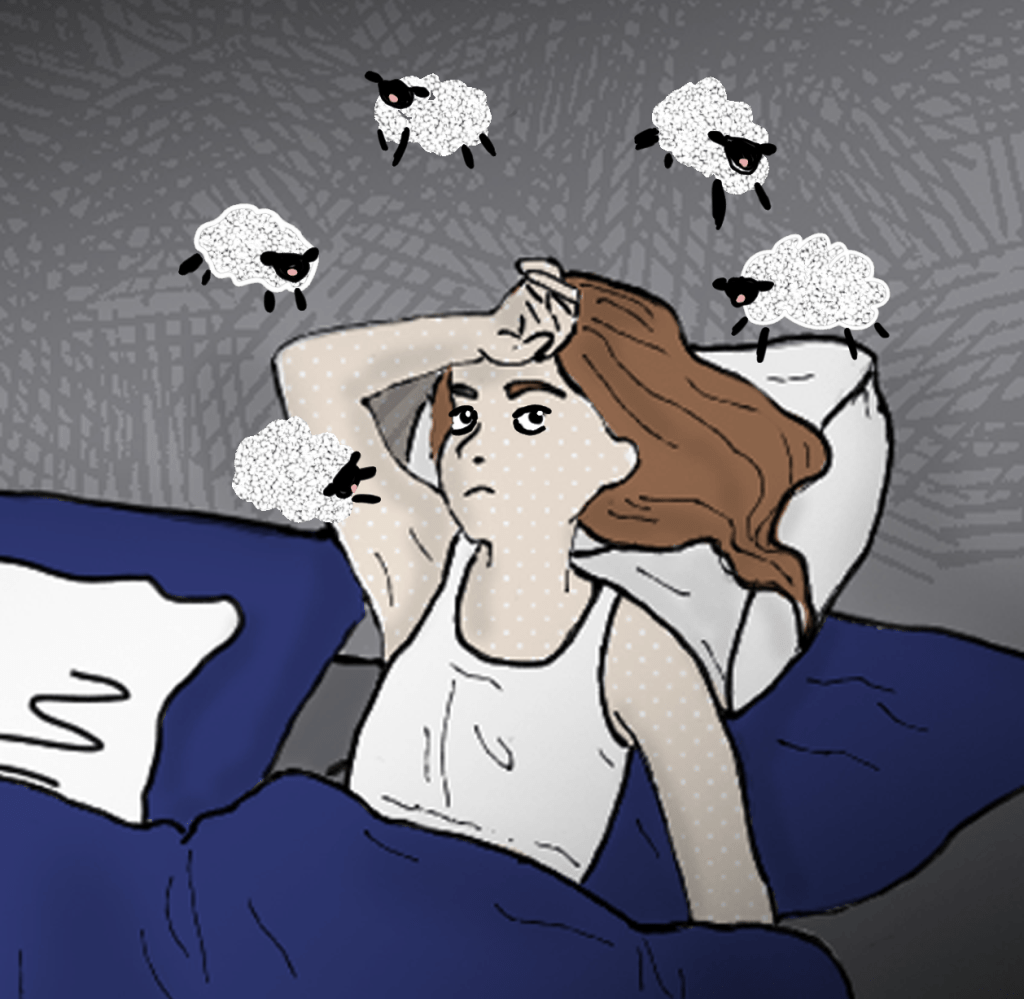
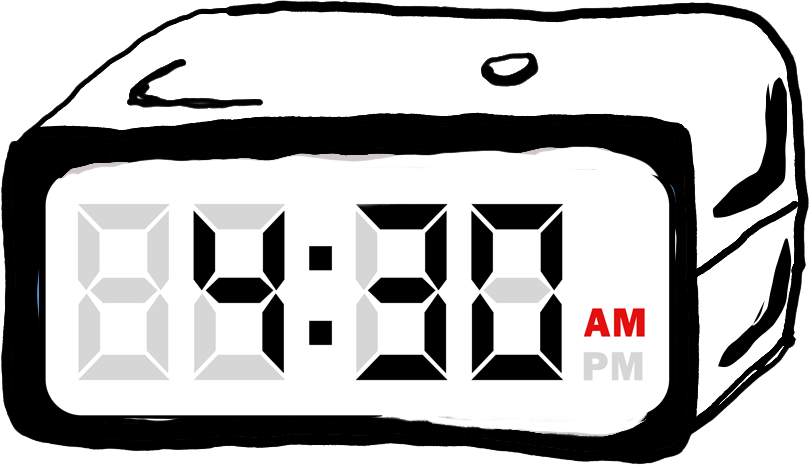
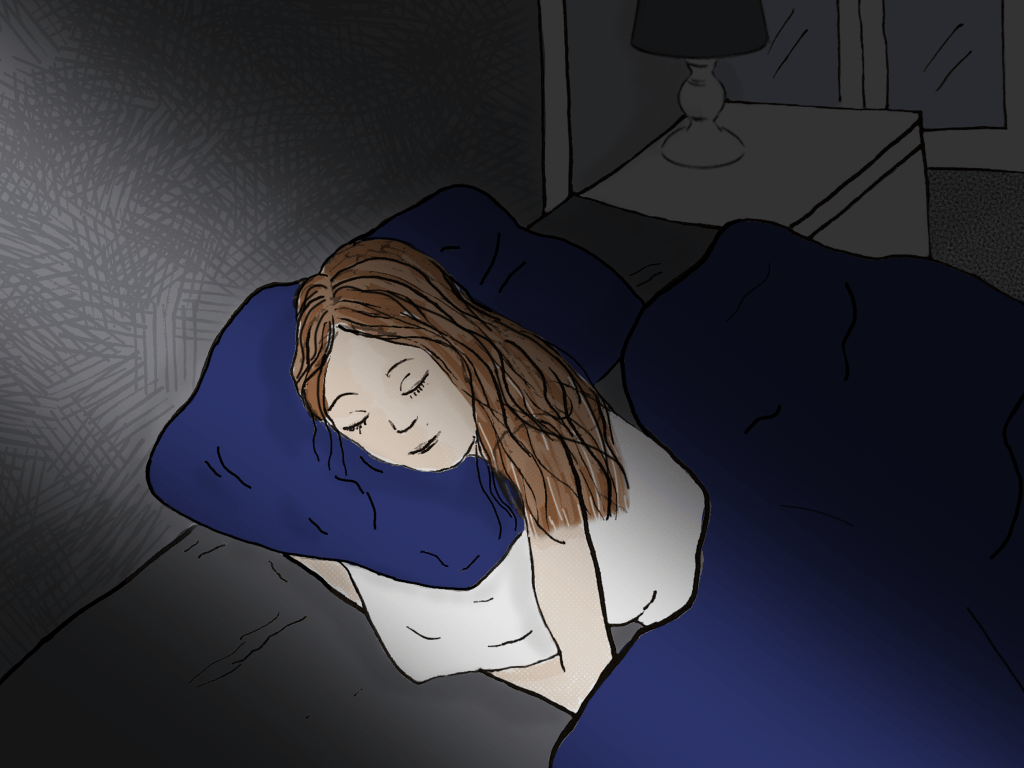
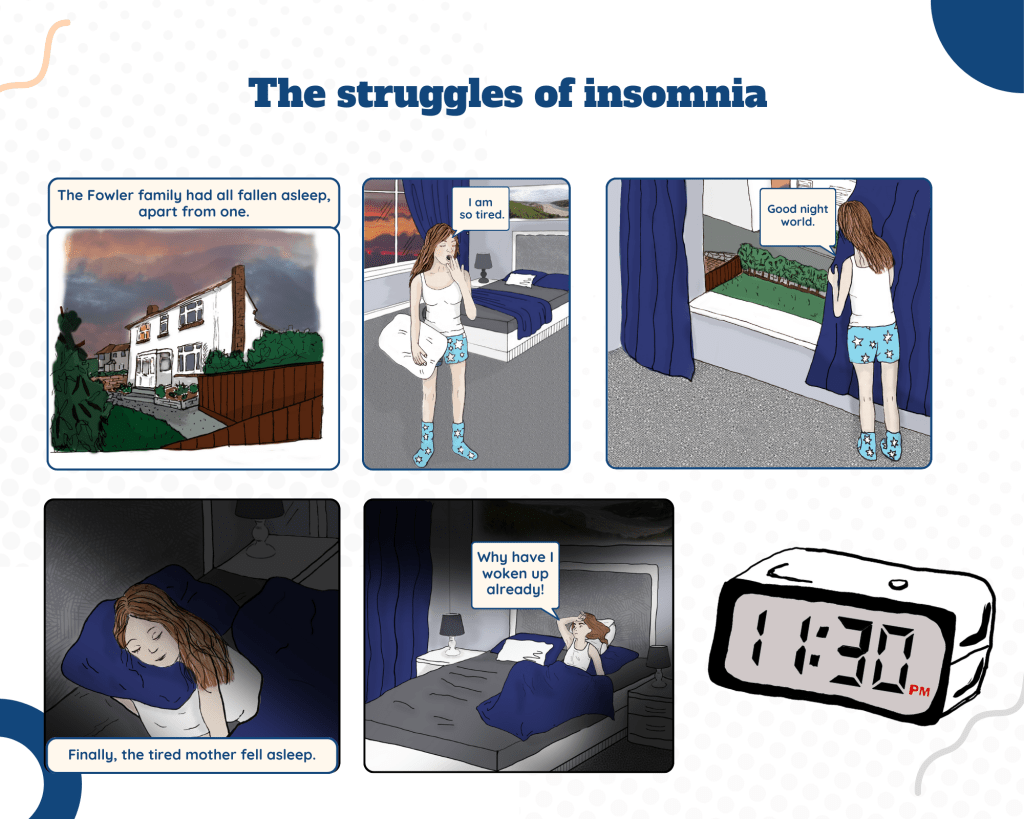
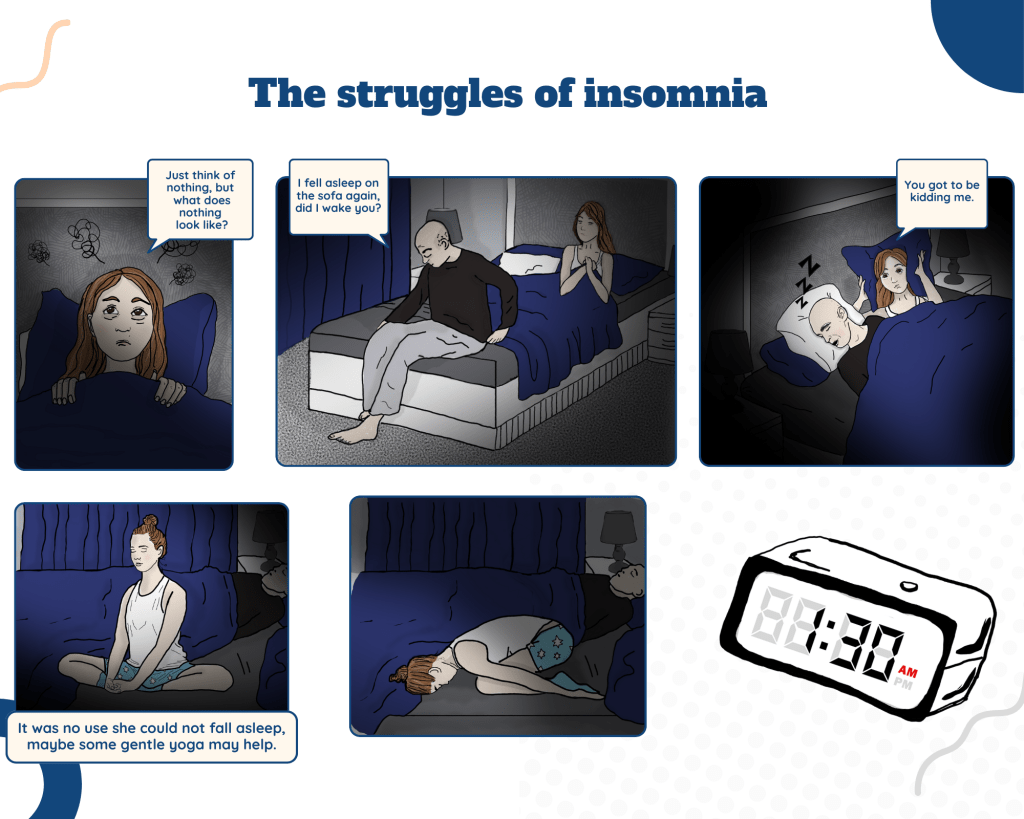
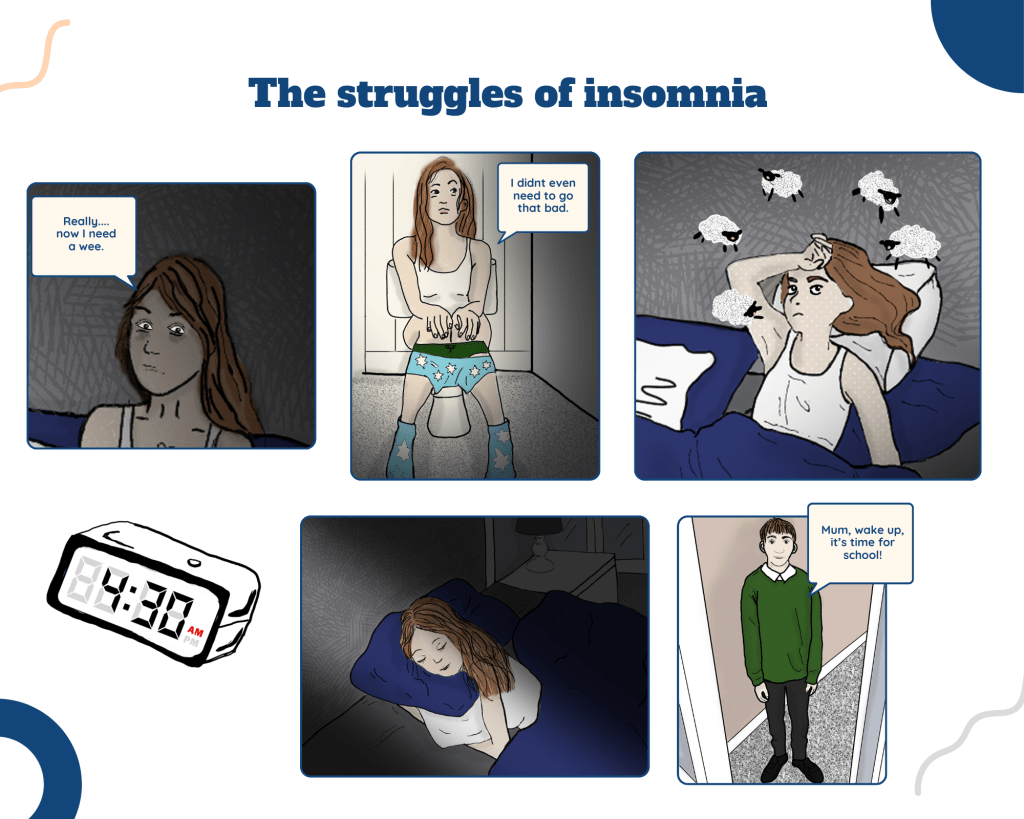
I began sketching out thumbnail ideas using the thoughts from the mind map above. I felt the idea, which centres on a tired mother and wife trying to go to sleep but is having trouble falling asleep, was suitable for the term “slow.”

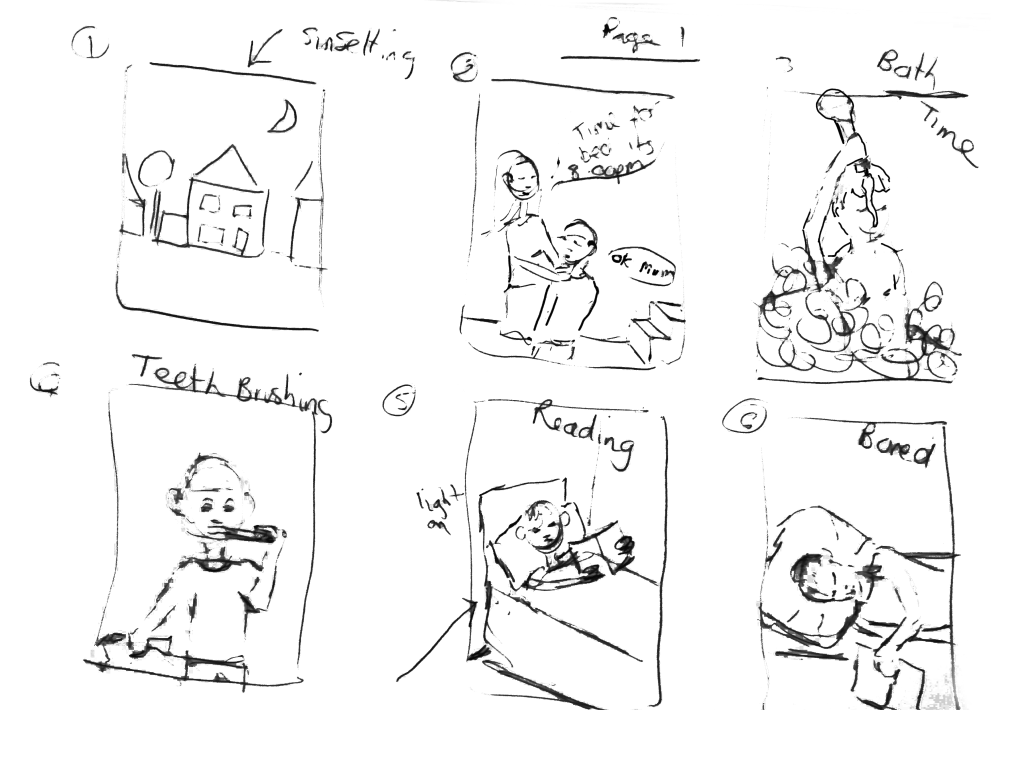
After sketching these ideas I also had a slightly different idea about a young boy who wouldn’t go to sleep. Again, I produced some thumbnail sketches for this concept too.

Comparing the two concepts I decided to go with the first idea about the tired mother/wife.

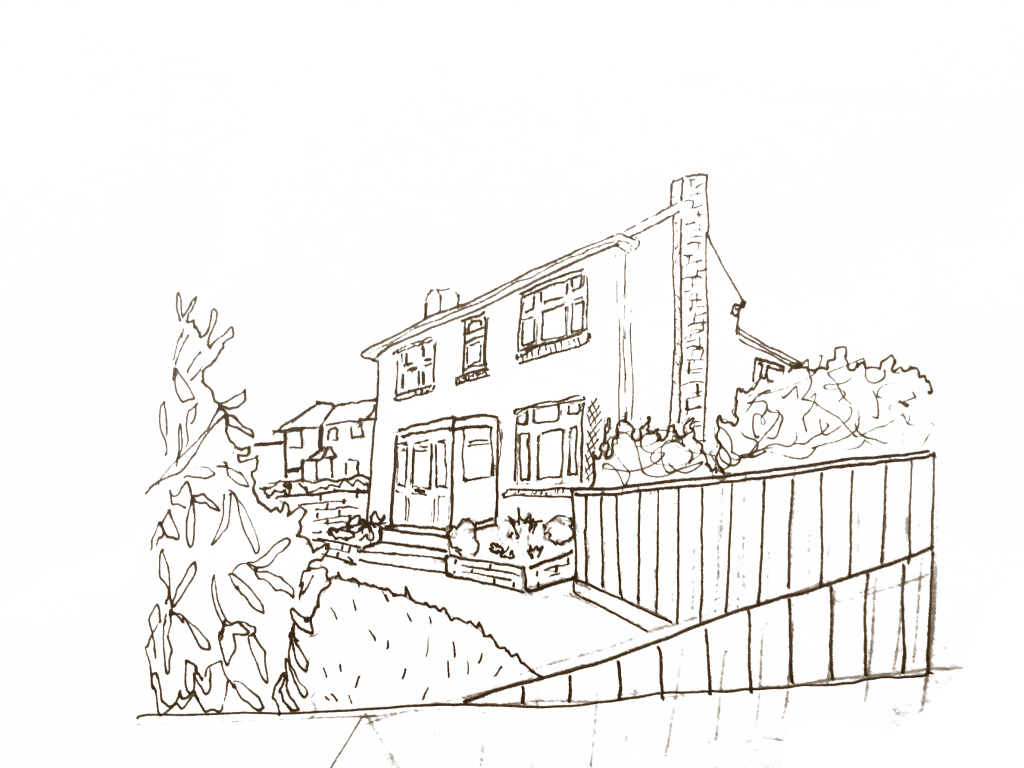
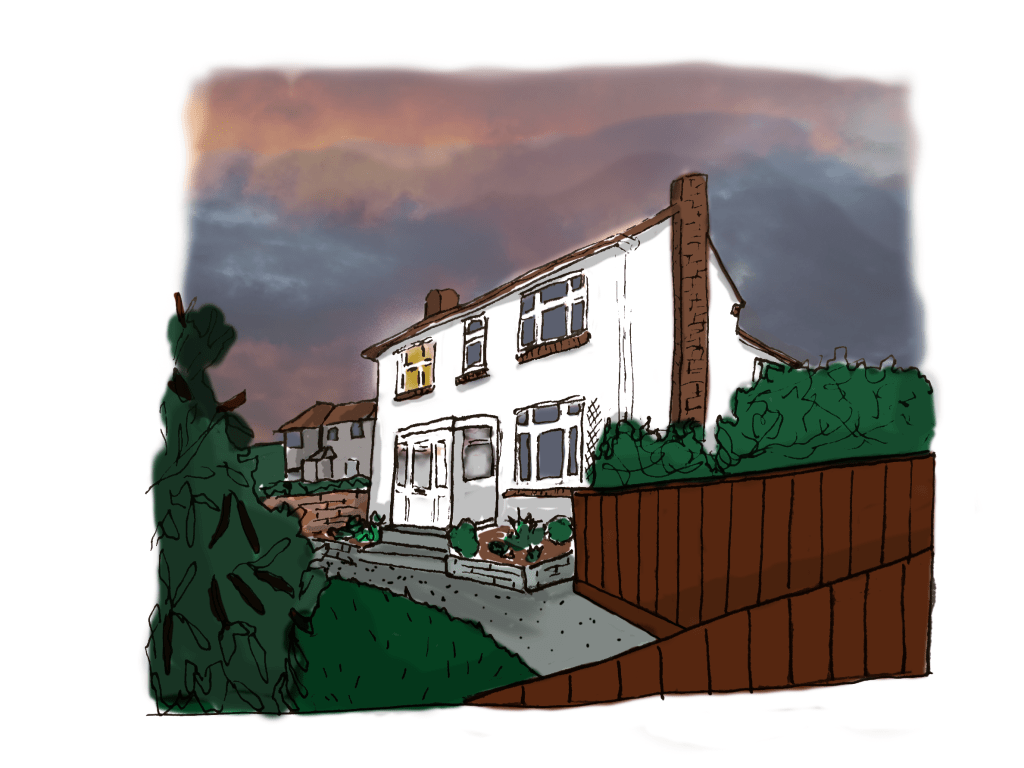
Next, I began sketching out some more detailed drawings for each panel before creating detailed visuals.

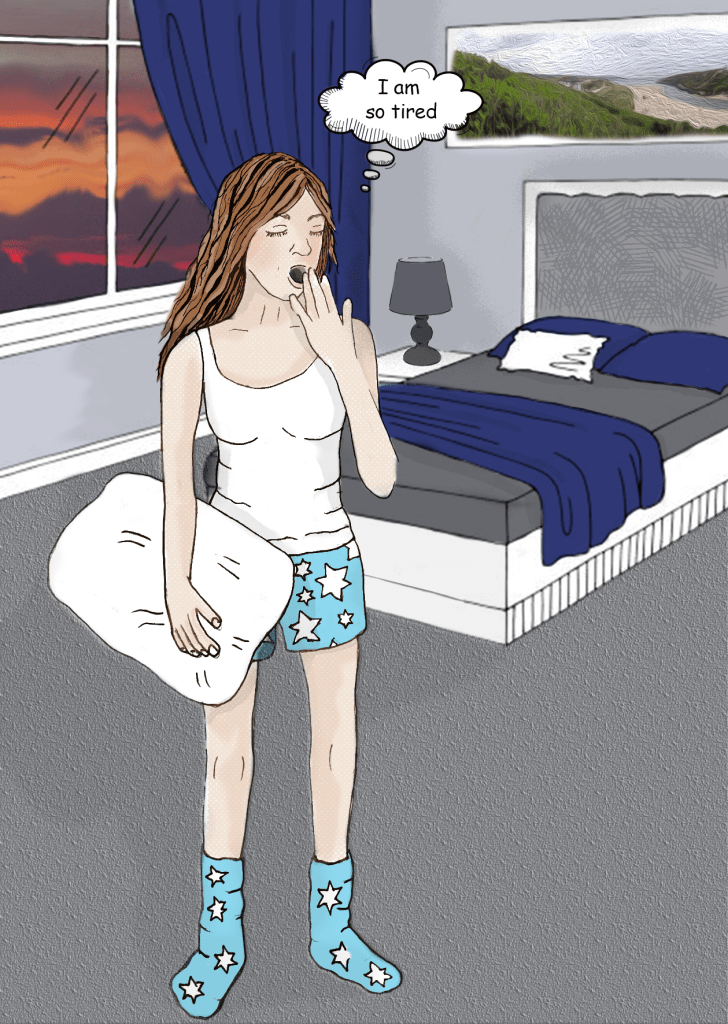
Visuals for page one

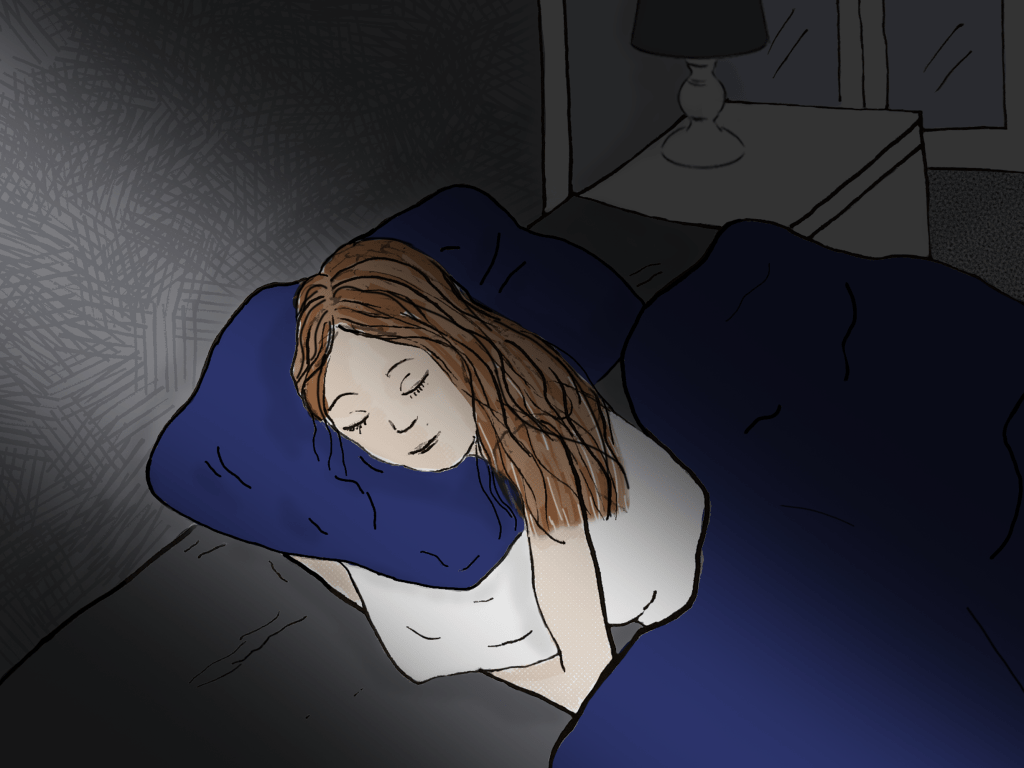
Using my sketches I then enhanced them using Adobe Photoshop by adding colour, highlights and shadows. After getting used to using Photoshop I managed to do some further drawing using the brush tool with a Manga Crisp brush to do the other drawings.

Visuals for page two

Visuals for page three

Final design

Please press the arrows on the slideshow to see the final design.

Reflection

What did you find most challenging?

This exercise was rather challenging because aside from my earliest memories of reading comics like Dandy, Beano, and Garfield, I had yet to find adult comics very appealing. Subsequently, I’m not used to seeing comic book formats and have had trouble with similar exercises in the past.  
Yet, as I began comic book research, I recognised I ought to be more open-minded of the various inspirations available to me. For example,  I liked reading Richard McGuire’s graphic novel Here,  and I’m sure there are many other comics and graphic novels I’d like to read.

Creating comic book-style artwork posed another significant challenge for me. I delved into various digital drawing software options, such as Procreate, Adobe Illustrator, and Clip Studio Paint, under the assumption that digital tools were the optimal choice for this style of work. However, my lack of experience with these programs led to unsuccessful attempts at drawing. Consequently, the majority of my illustrations were created by hand and subsequently enhanced using Photoshop. Despite this setback, I gradually gained confidence as I refined my drawing skills and identified a suitable digital brush for sketching. Towards the end of the comic, I successfully produced several drawings entirely through digital means. This experience has boosted my confidence to explore other software programs and embark on tutorials, particularly focusing on improving my skills in Procreate.

Is establishing a particular pace something that you have experimented with before?

Yes, I have experimented establishing a particular pace before in the past. This was achieved in the unit, Key Steps in Illustration where I illustrated making a cup of tea over a small time frame. This work can be seen by clicking the following link. https://kolb2016.wordpress.com/2016/10/14/giving-instructions/ . Also for the same unit in Assignment five I had to produce a series of illustrations for a poster entitled “How to train your dog in seven days” again this can be seen by clicking the following link. https://kolb2016.wordpress.com/2018/03/24/assignment-5/ In both of these previous exercises I remember struggling with creating successful layouts but reflecting on my previous work I am happy that my technical skills and illustrations have since improved.

Would you attempt this again and if so how would you change your approach?

Absolutely, I would try this again. I really loved making the final comic strip, and the people I showed it to—friends, family, and fellow students enjoyed reading it.

Before embarking on a similar project however, I would like to read more graphic novels, and attend more tutorials on comics. As this can only improve upon the outcome and teach me more about comic styles.

During this exercise, I did take part in a study event with the university called Creating Comics for Beginners Workshop.

It was helpful to hear other peoples questions and ask a professional in the industry questions. I showed Julian Gray who is a comic artist one of my illustrations and he said he really liked it and would be interested to see the final outcome. He also said not to include speech bubbles like the one shown below because he said they are dated and to stick to a six panel layout if I am new to designing a comic.

I received several helpful resources from the session, which I will review later and utilise some of the advice for my future work.

References

https://www.facebook.com/CreativeBloQ (2018). The designer’s guide to Gestalt Theory. [online] Creative Bloq. Available at: https://www.creativebloq.com/graphic-design/gestalt-theory-10134960.

Kukkonen, K. (2013). Studying Comics and Graphic Novels. Chichester: Wiley Blackwell.

McGuire, R. (n.d.). Here. [online] Richard McGuire. Available at: https://www.richard-mcguire.com/new-page-4.

McGuire, R. (2020). Here. Pantheon.

Wikipedia. (2022). Jimmy Corrigan, the Smartest Kid on Earth. [online] Available at: https://en.wikipedia.org/wiki/Jimmy_Corrigan.

Categories
Coursework Part Three: Making

Exercise 1: Fast 

WARNING!

CONTENT CONTAINS SOME EXPLICIT IMAGES DUE TO LIFE DRAWINGS OF NAKED MODELS.

Option one: Rapid Portraits

Brief:

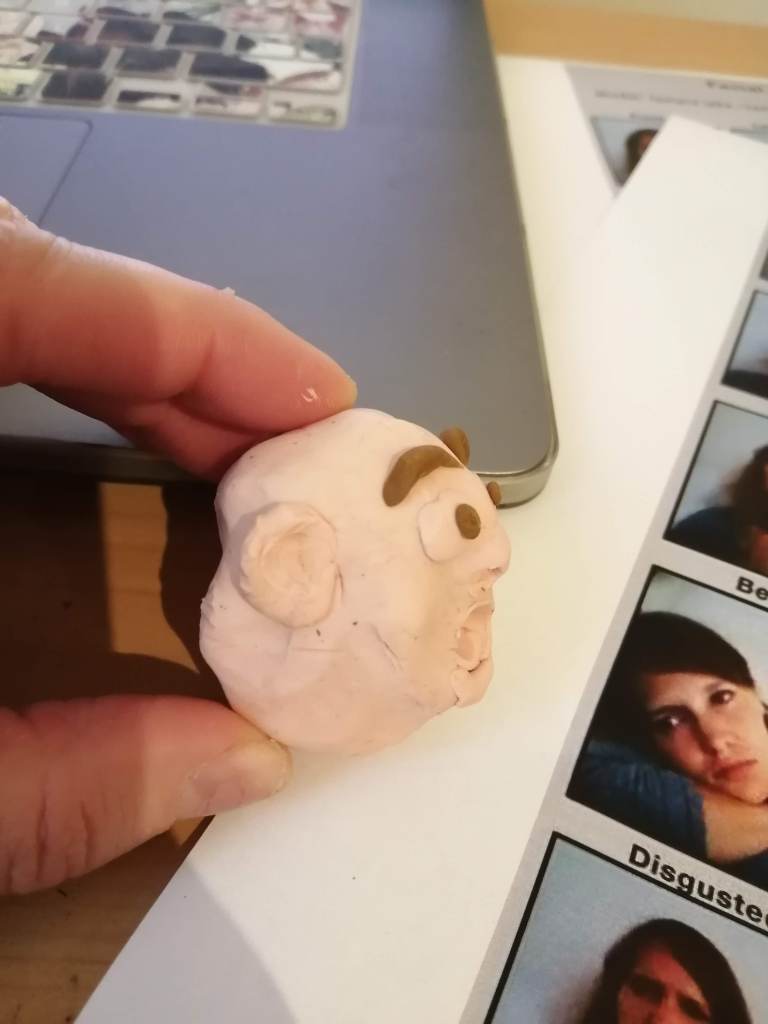
For this exercise, I had to use a modelling material to produce a range of rapid portraits. With a maximin time of three minutes for each model.

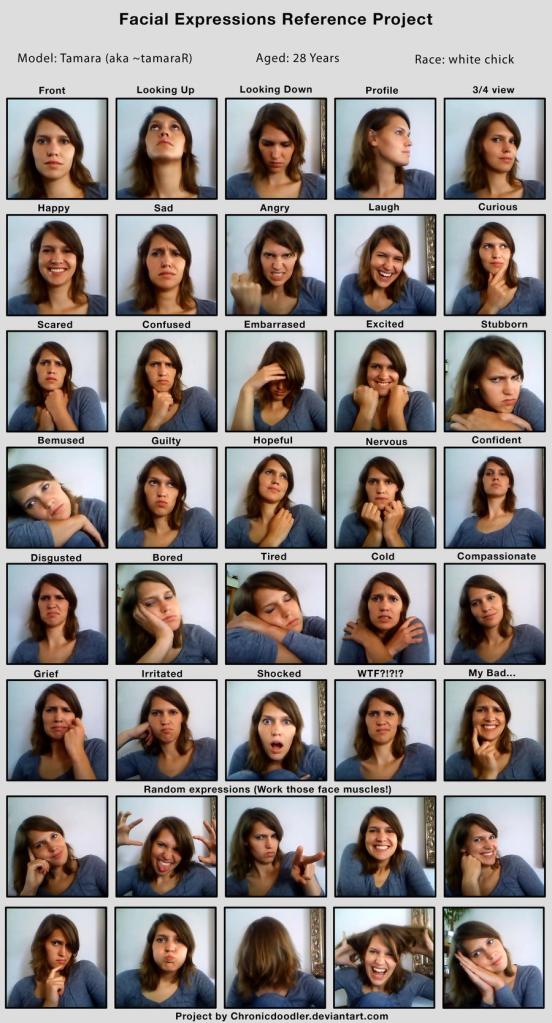
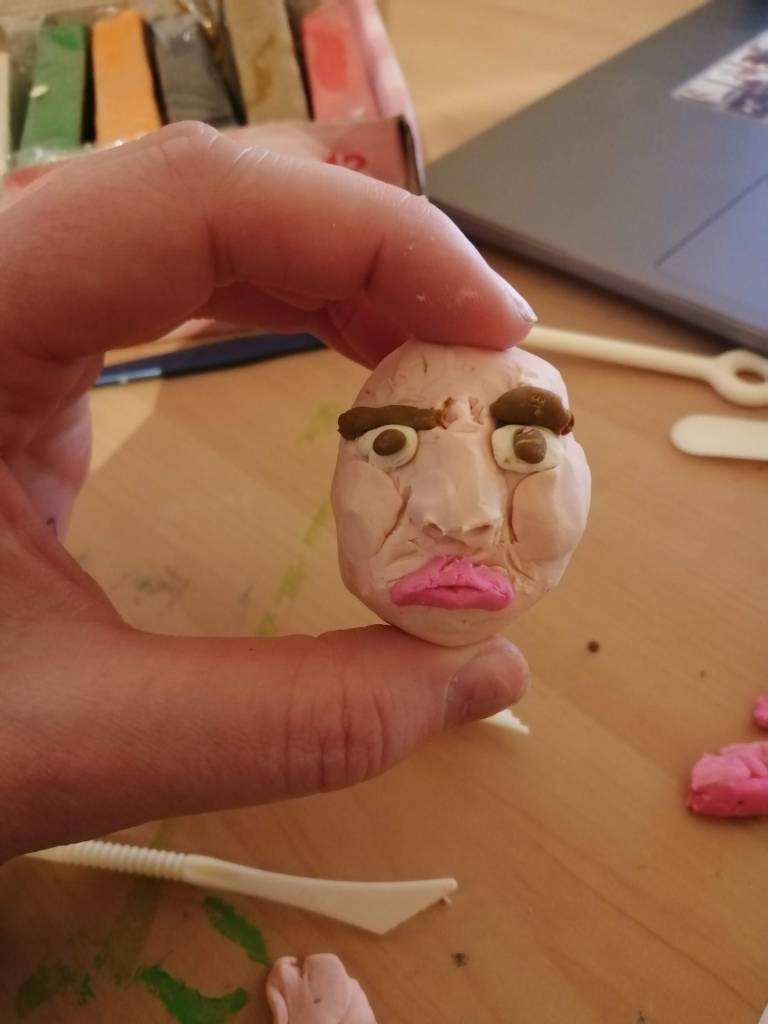
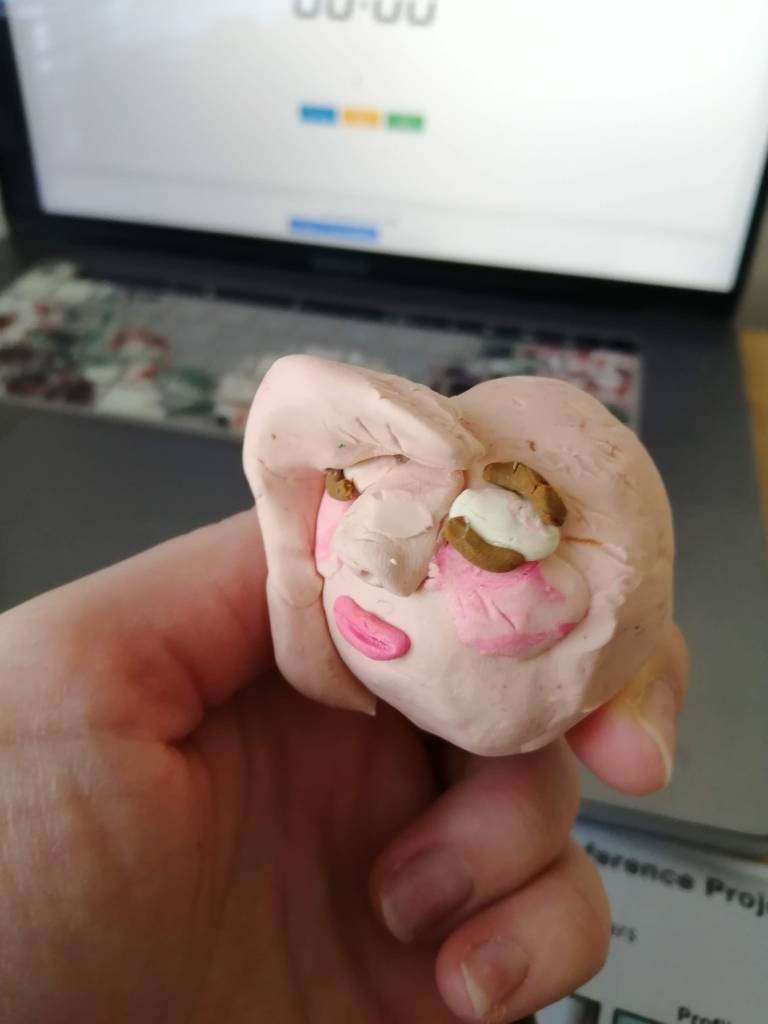
To begin the exercise, I printed off a selection of portrait expressions from the internet that I wanted to try and capture. From this reference photo, I picked ten to try and model with my selected material.

Fig. 1 Facial Expressions reference project (2012)

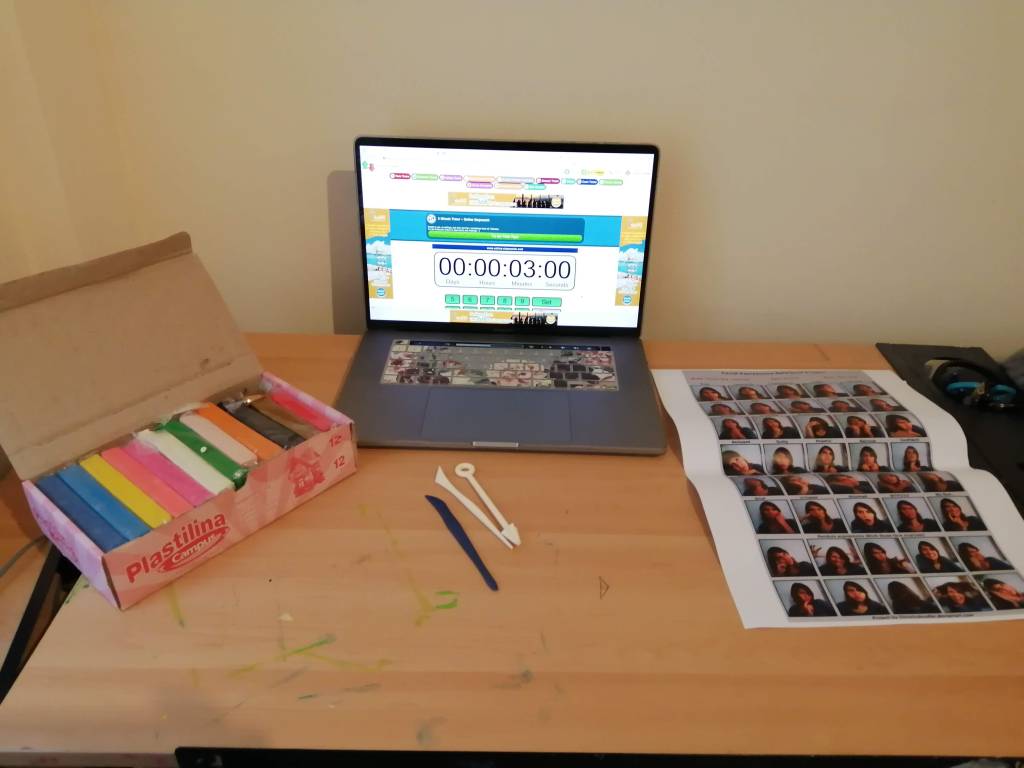
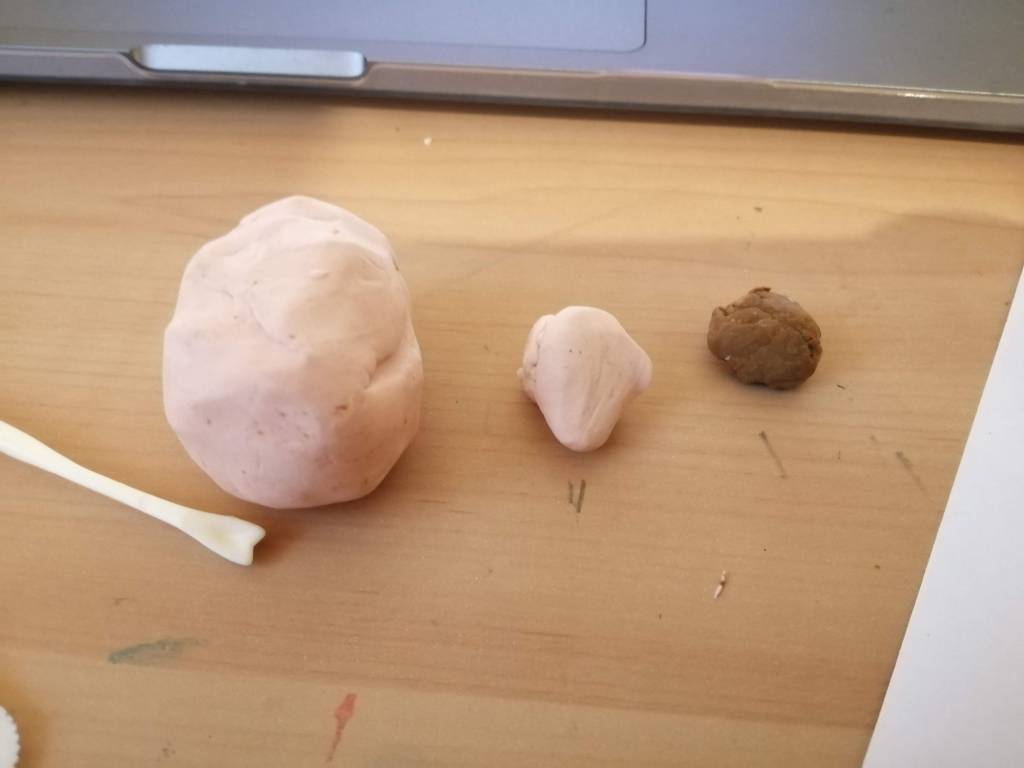
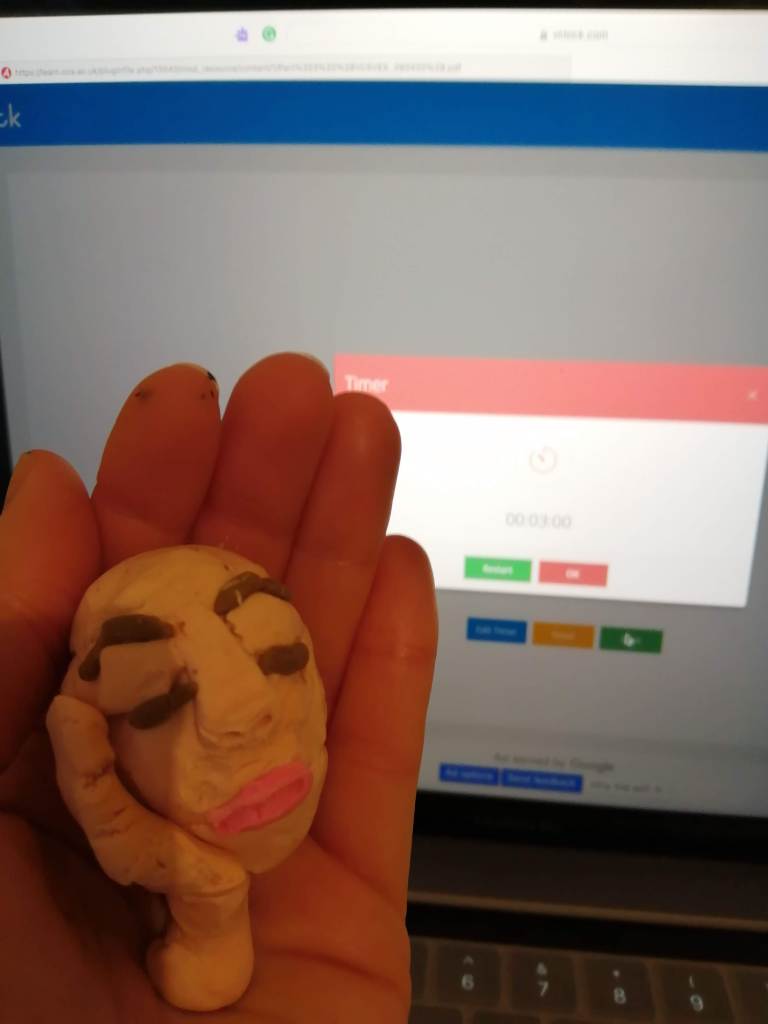
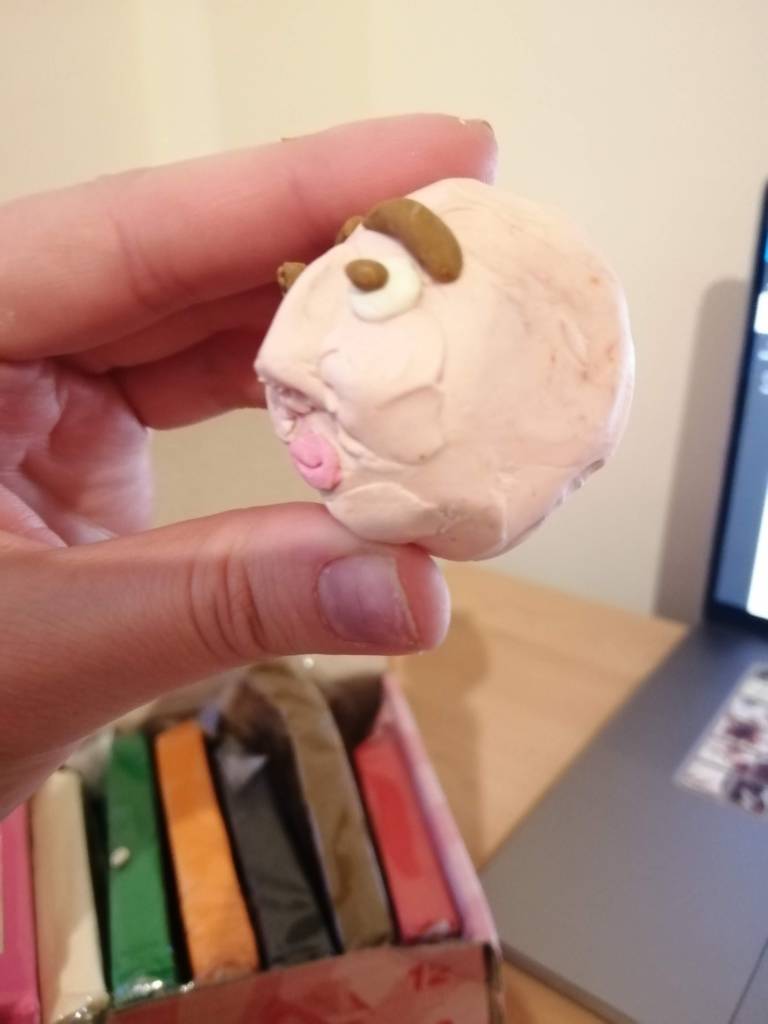
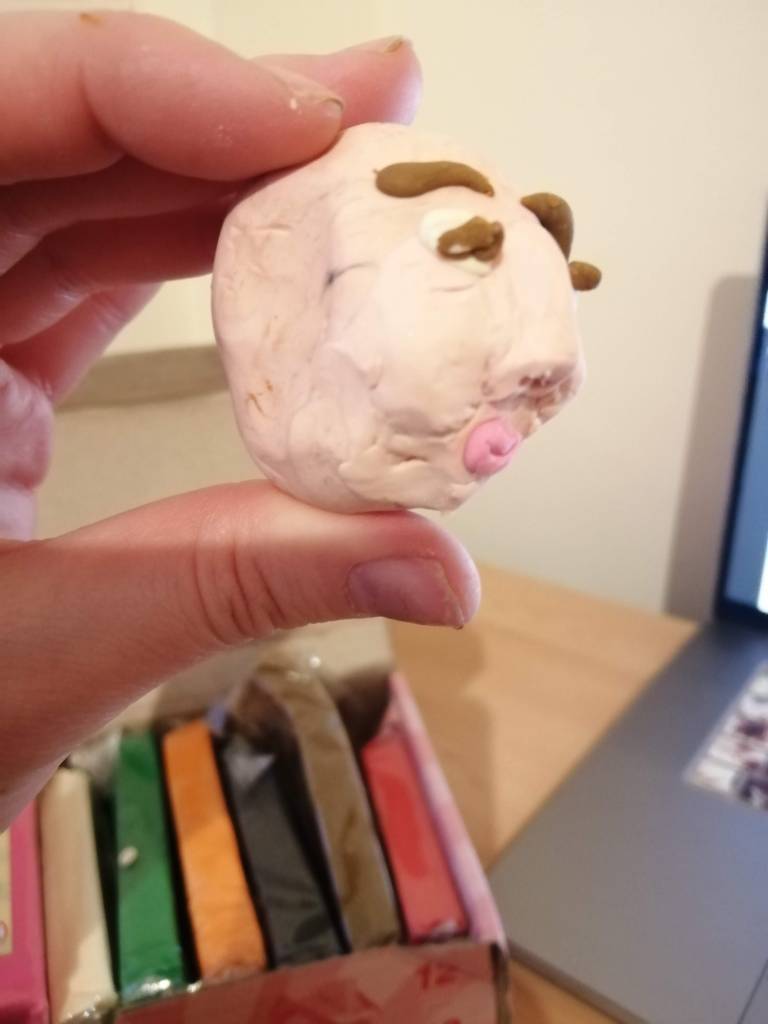
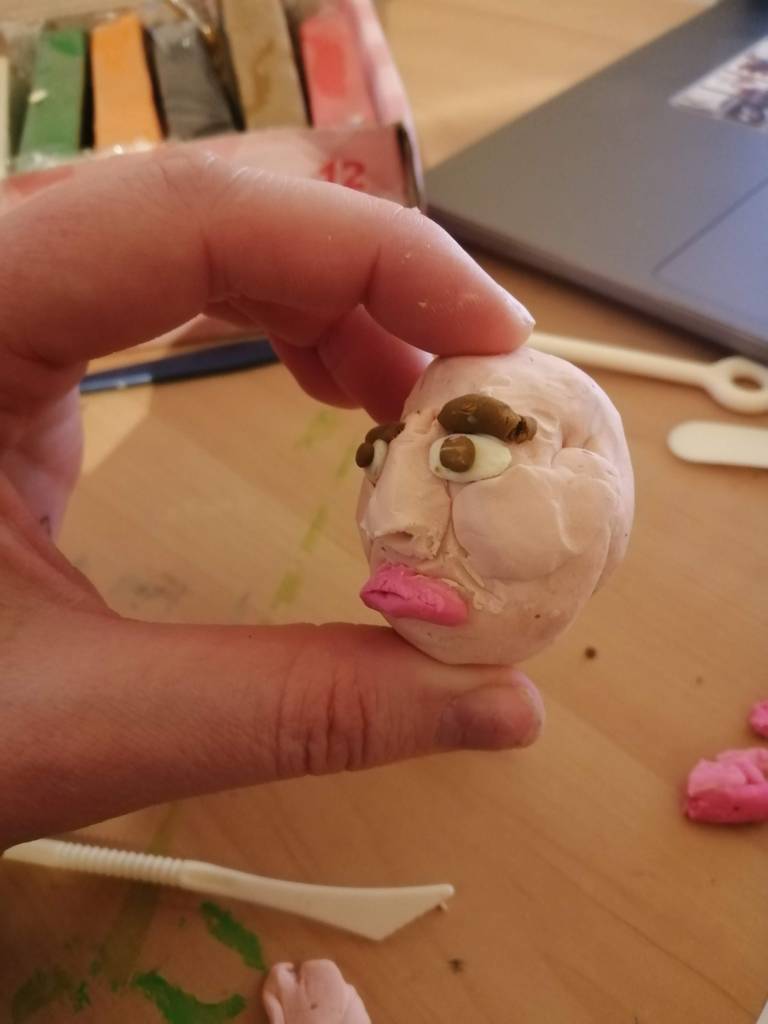
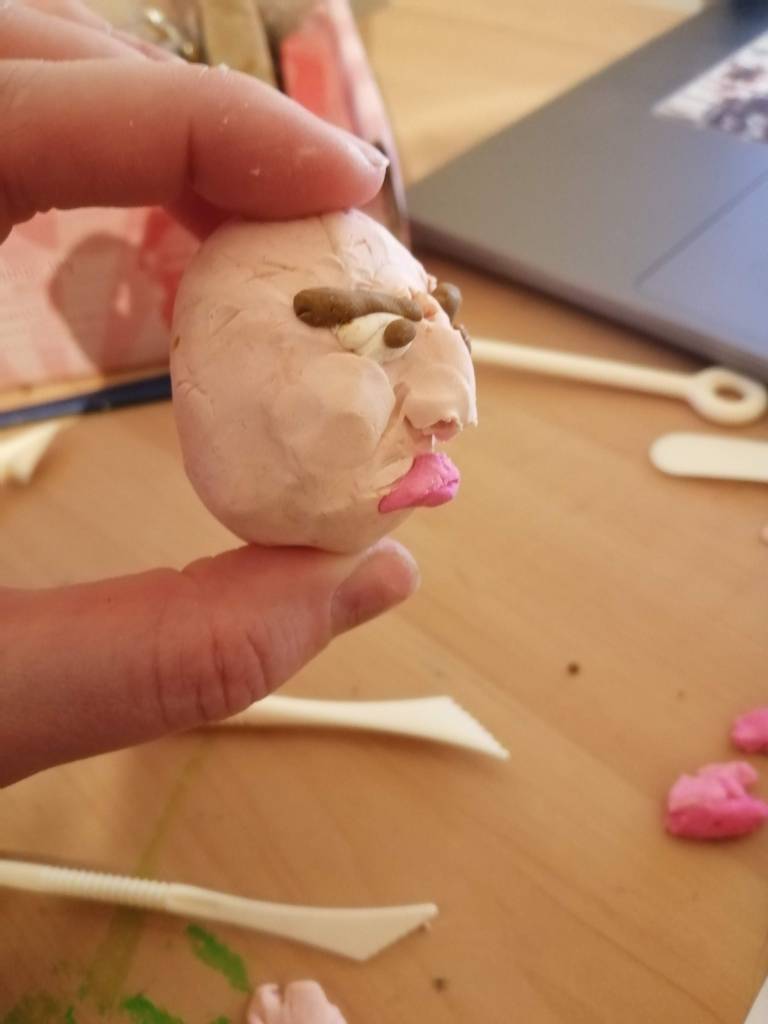
Next, I gathered some of my son’s plasticine modelling clay that he uses for animation purposes, some modelling tools and put a three-minute timer on my laptop.

Fig. 2 Materials (2024)

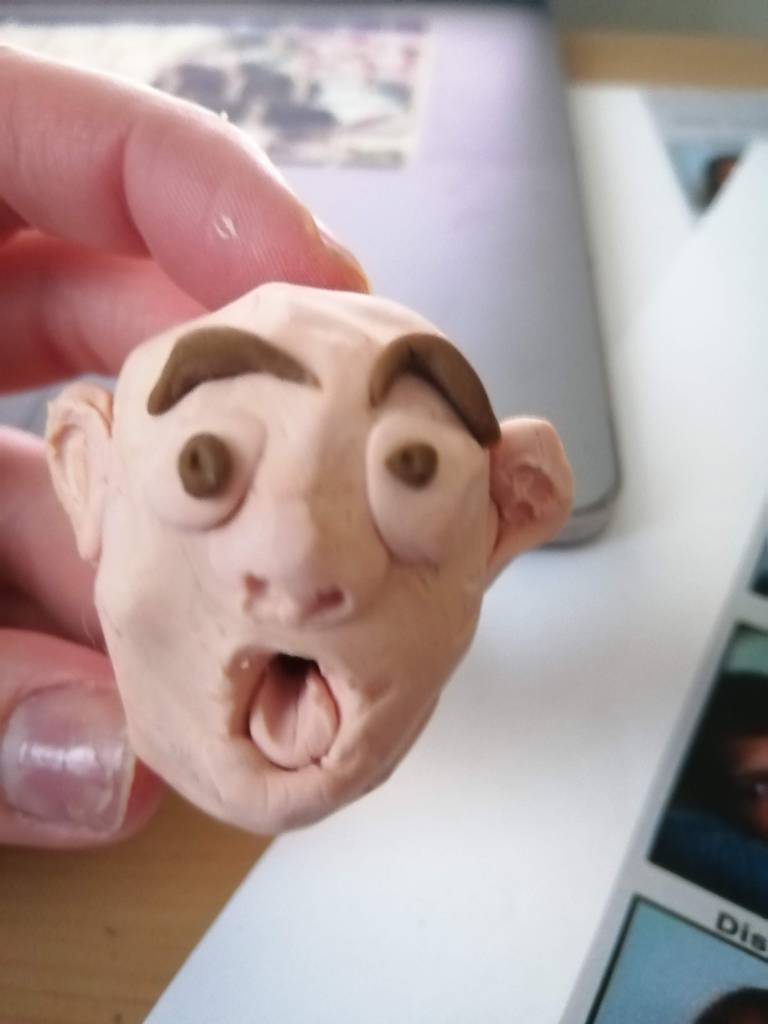
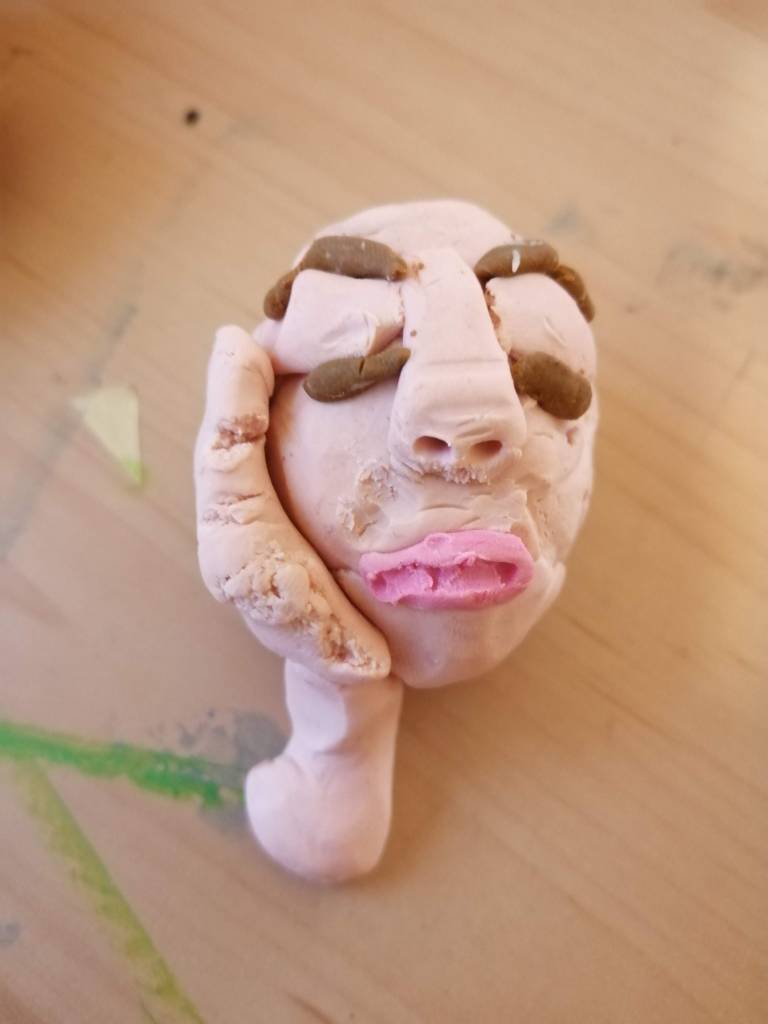
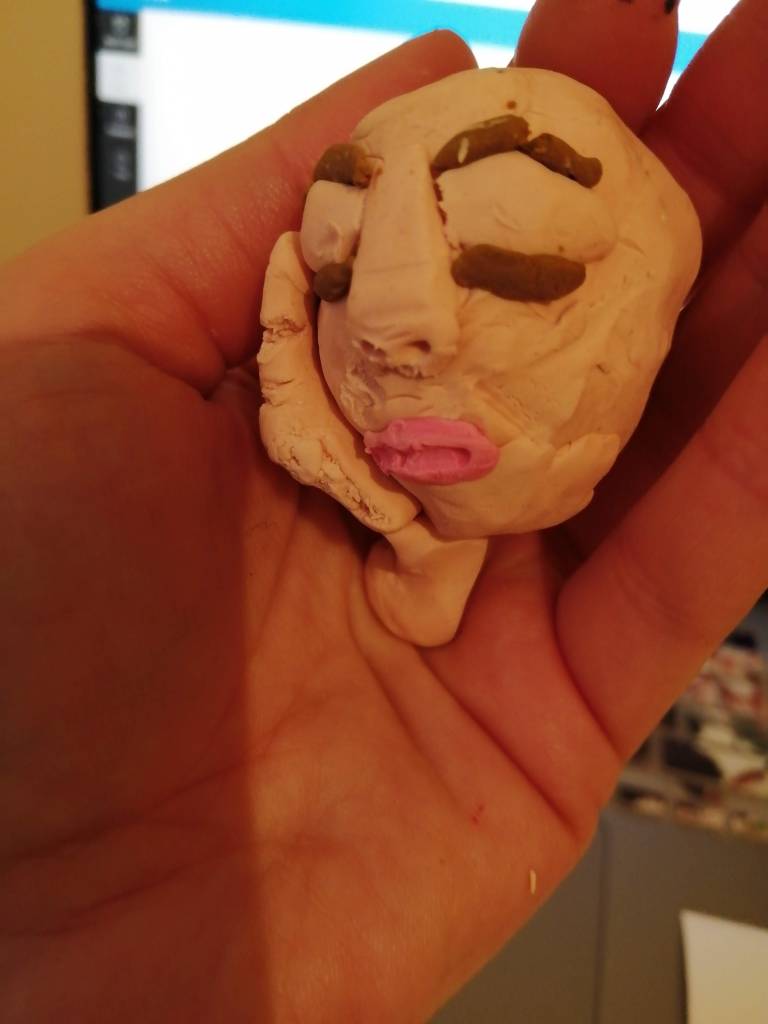
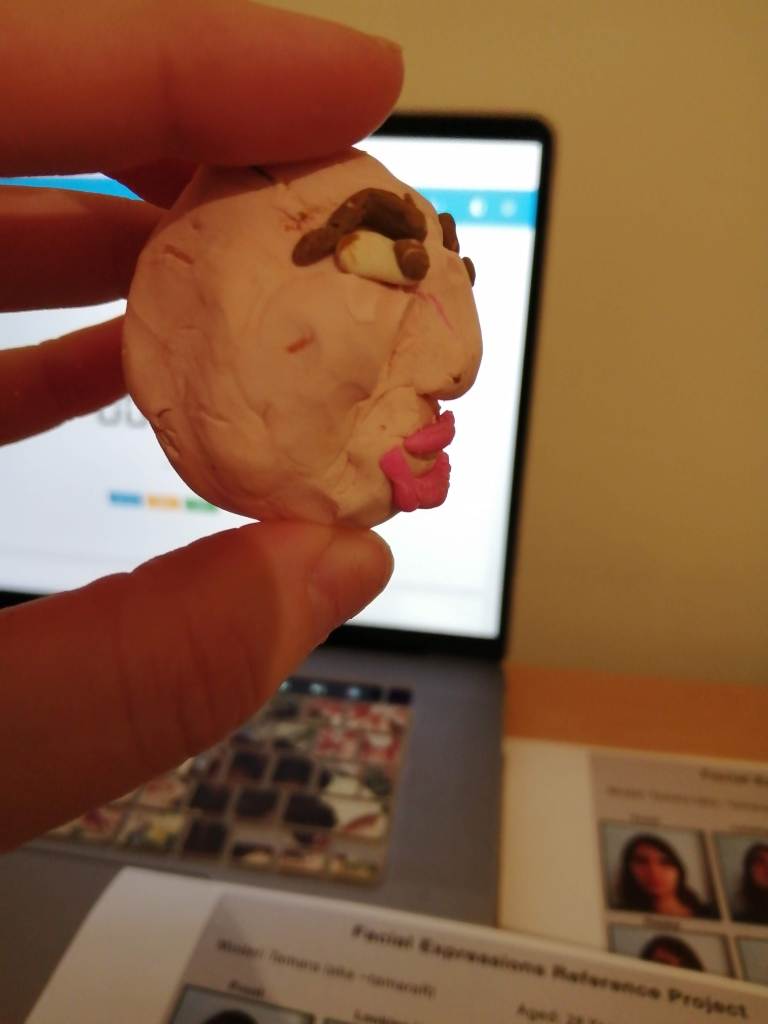
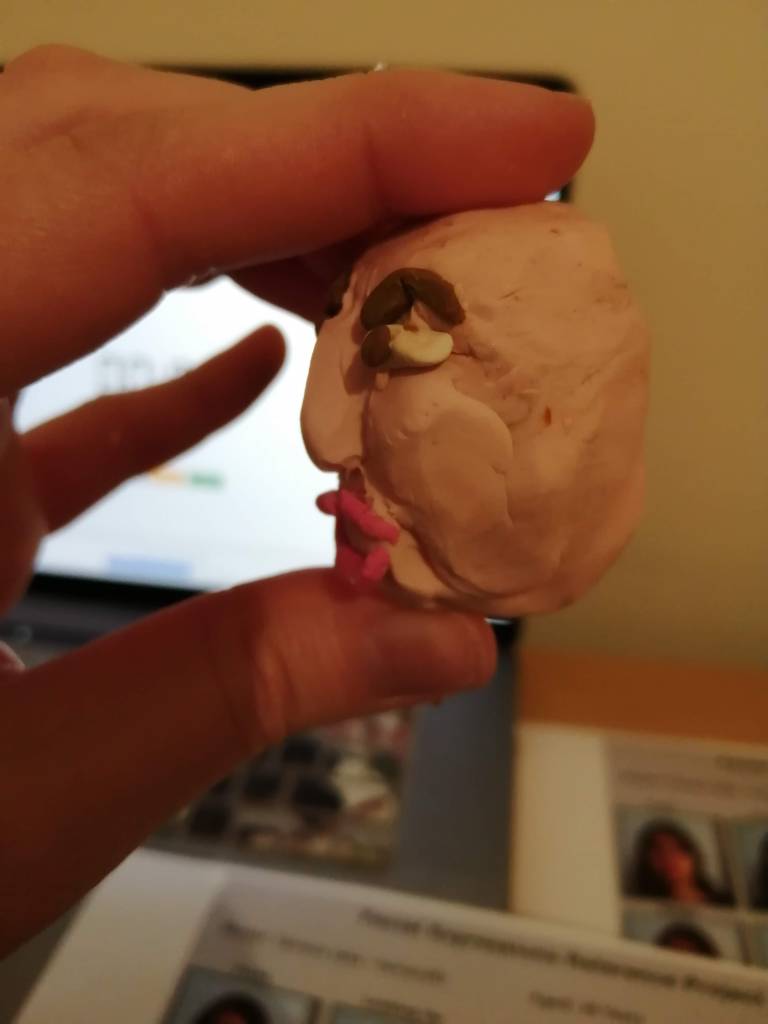
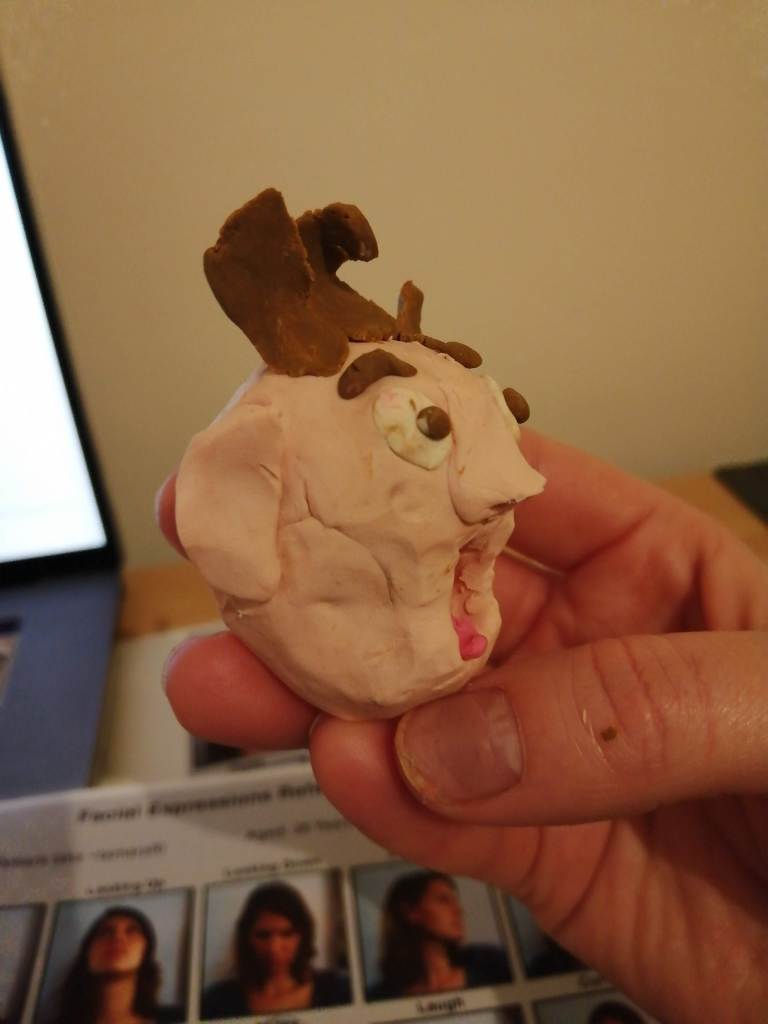
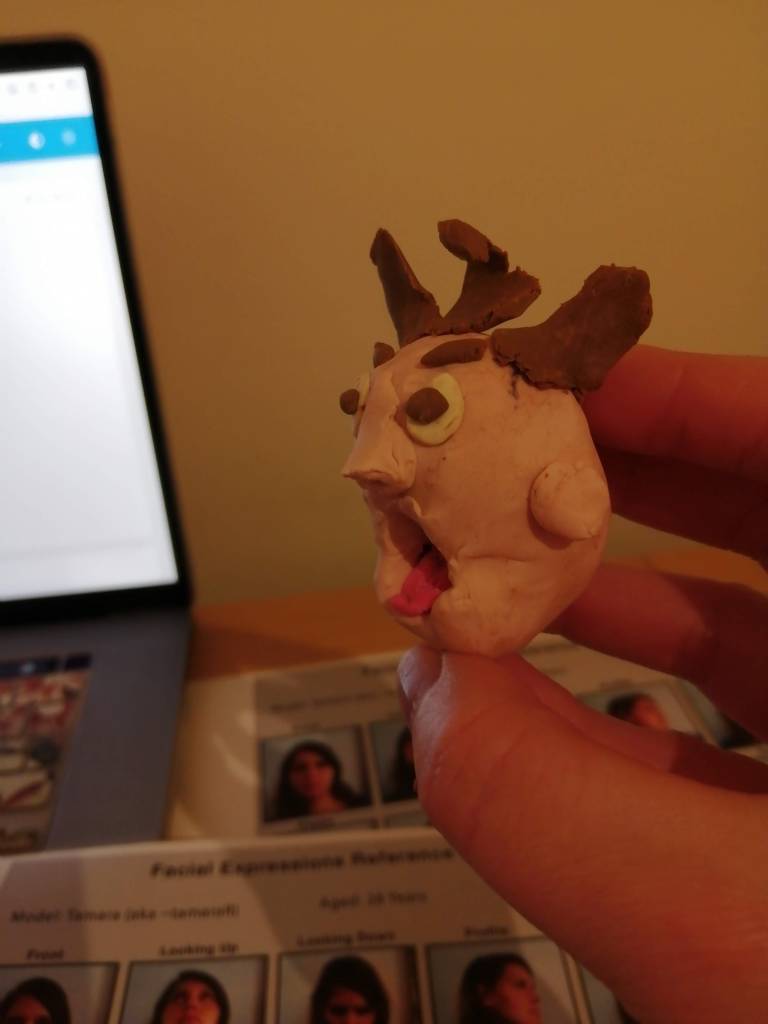
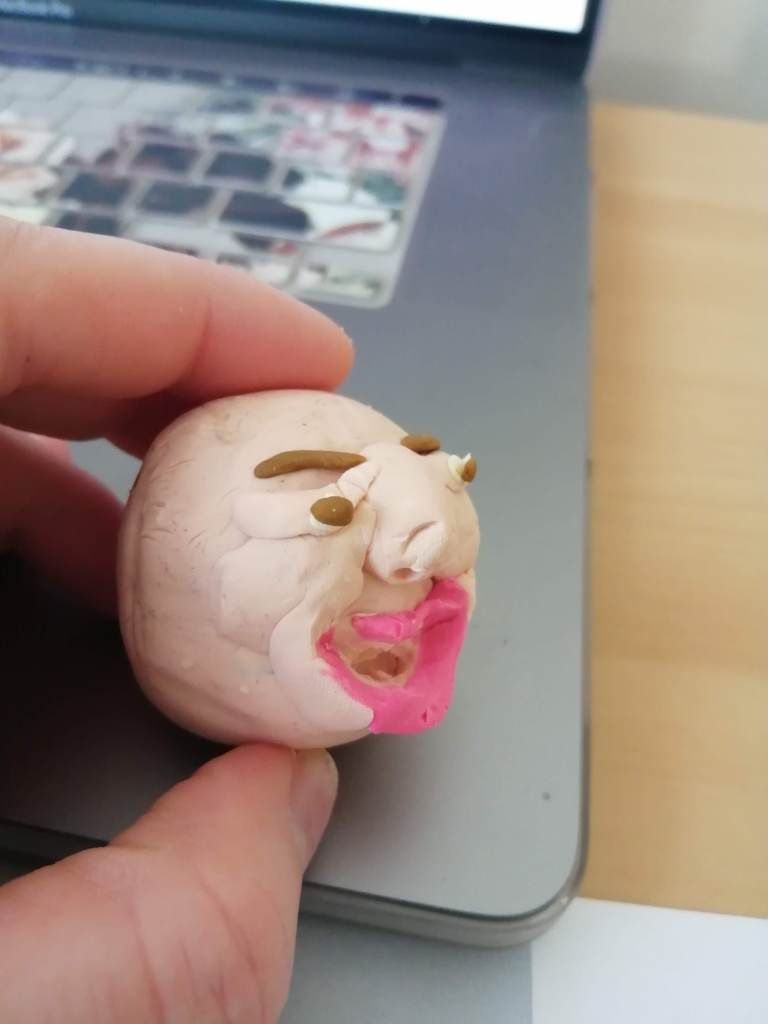
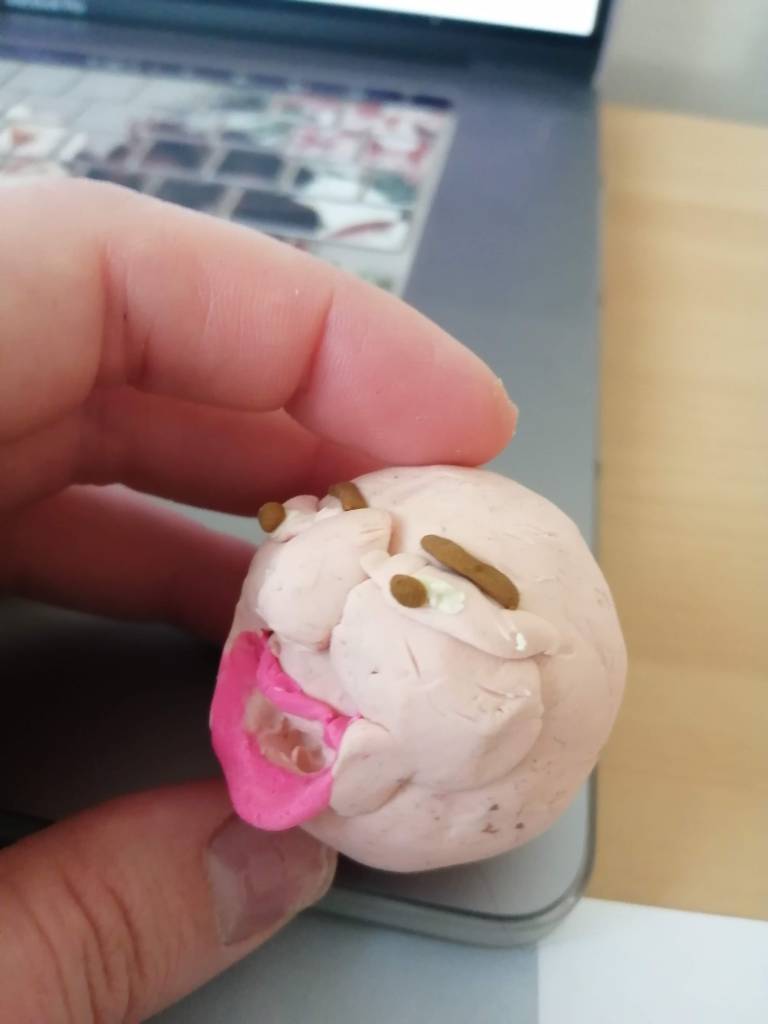
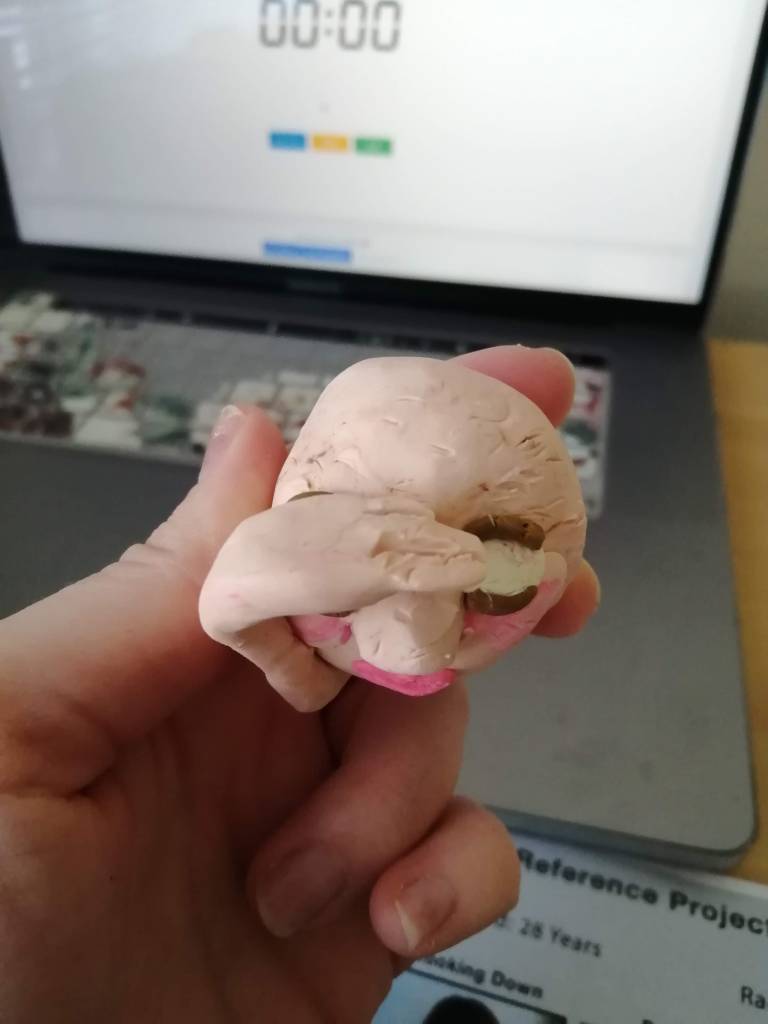
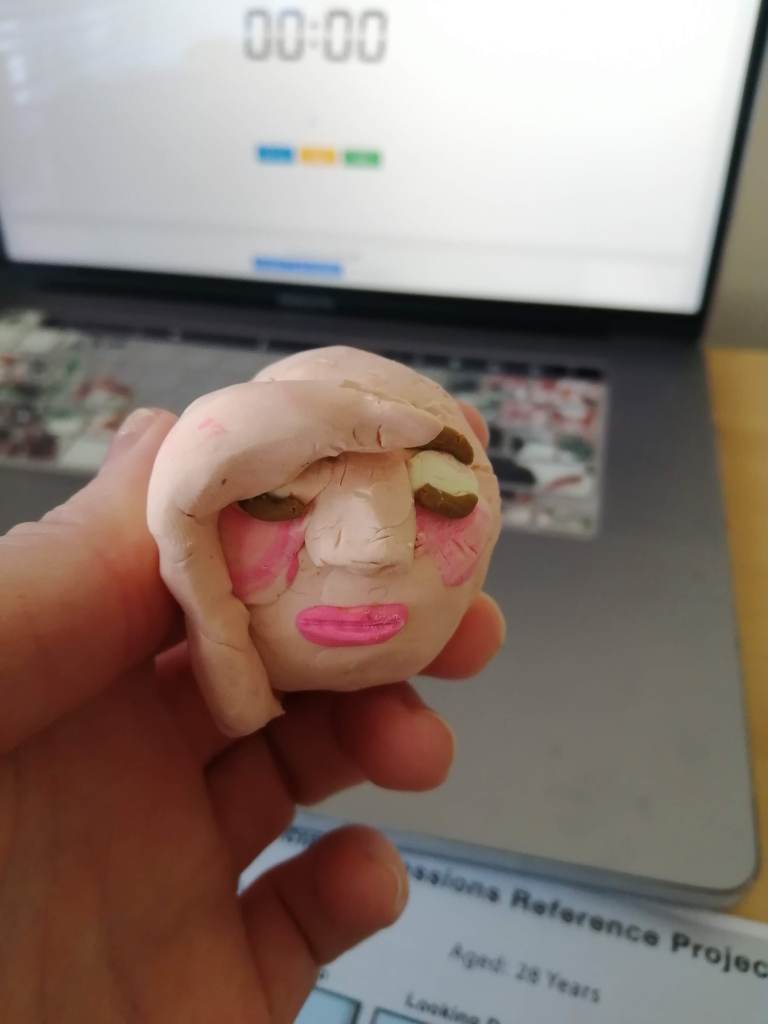
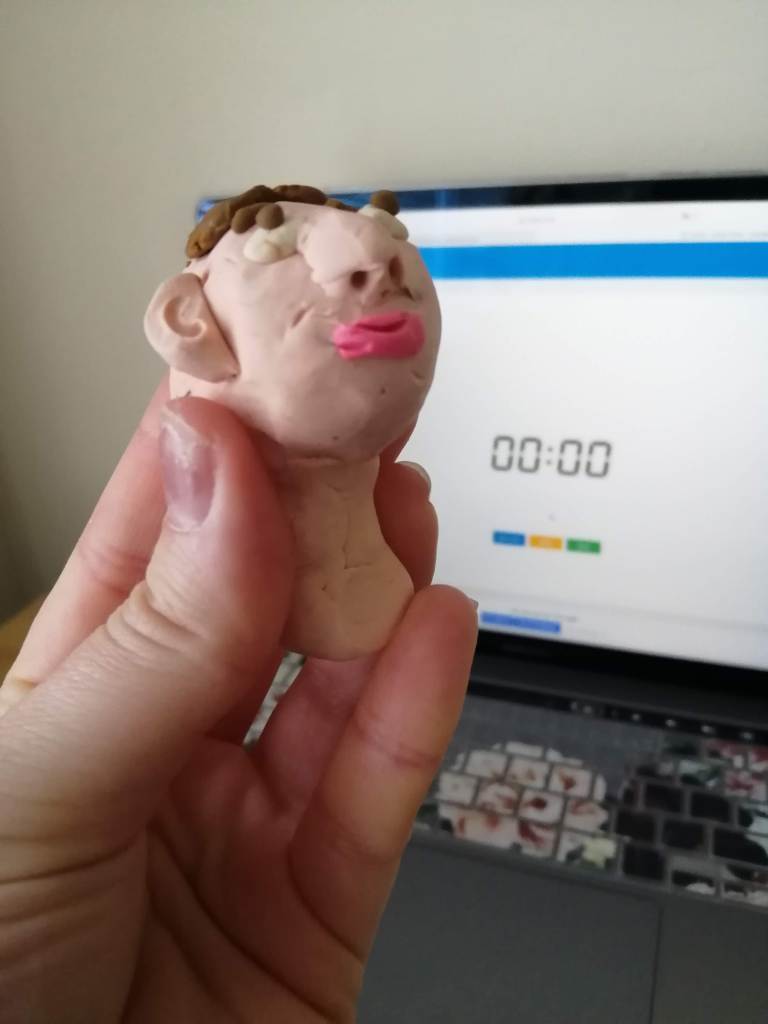
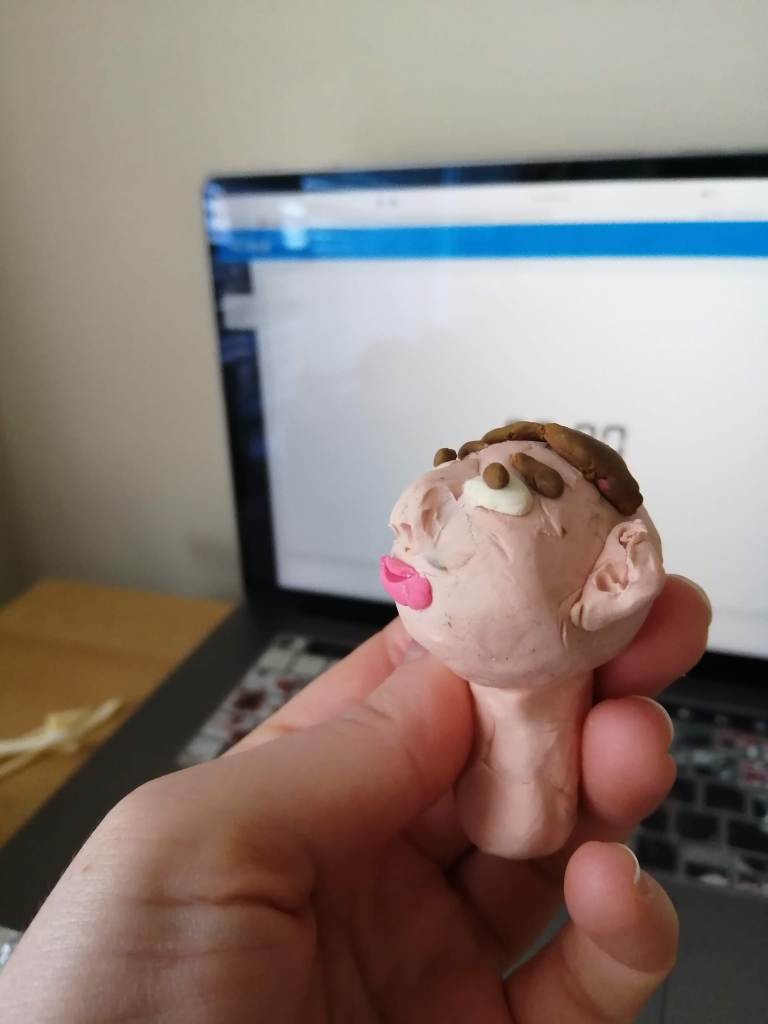
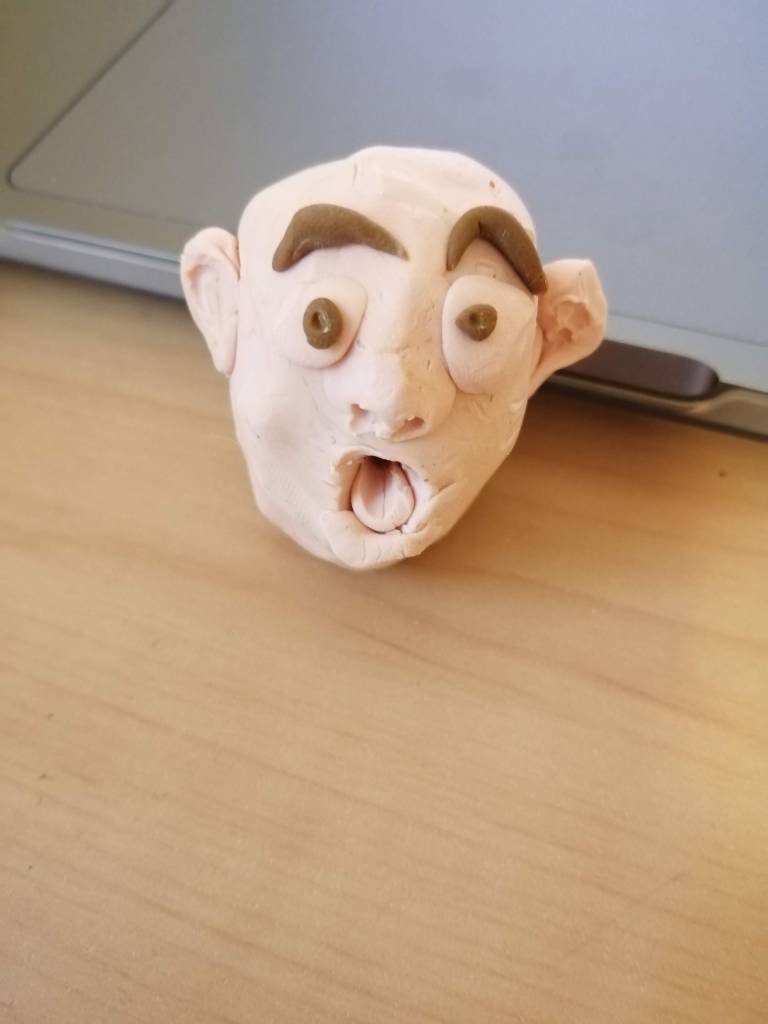
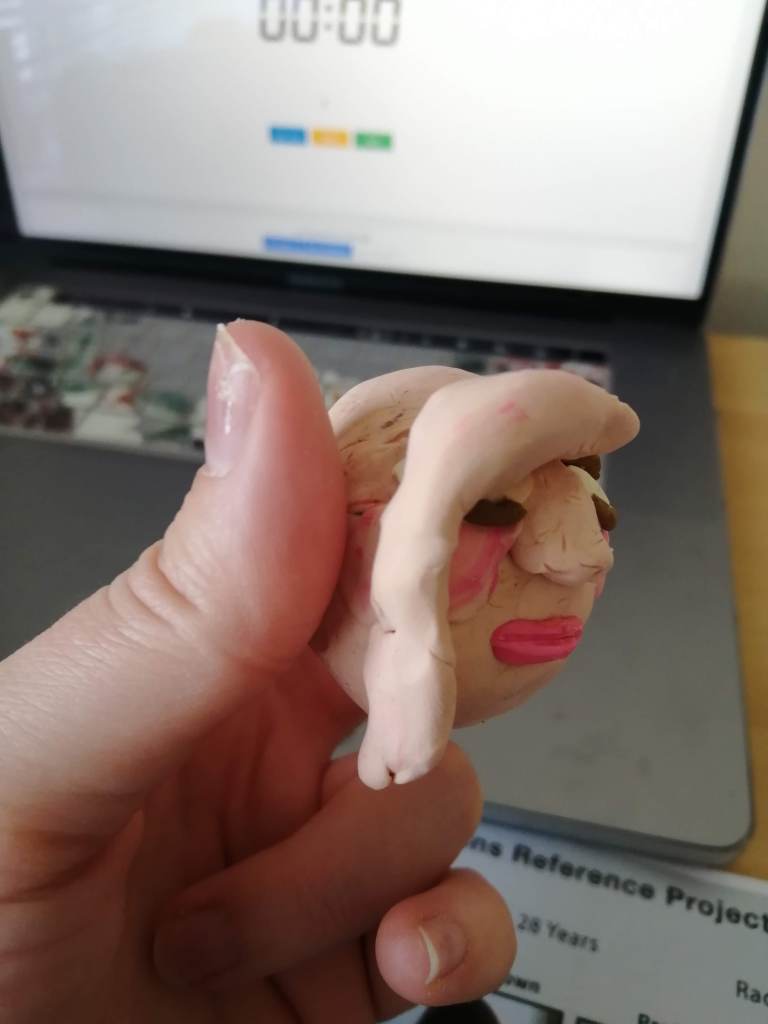
Below are ten facial expressions I tried to capture with my portrait models.

Shocked

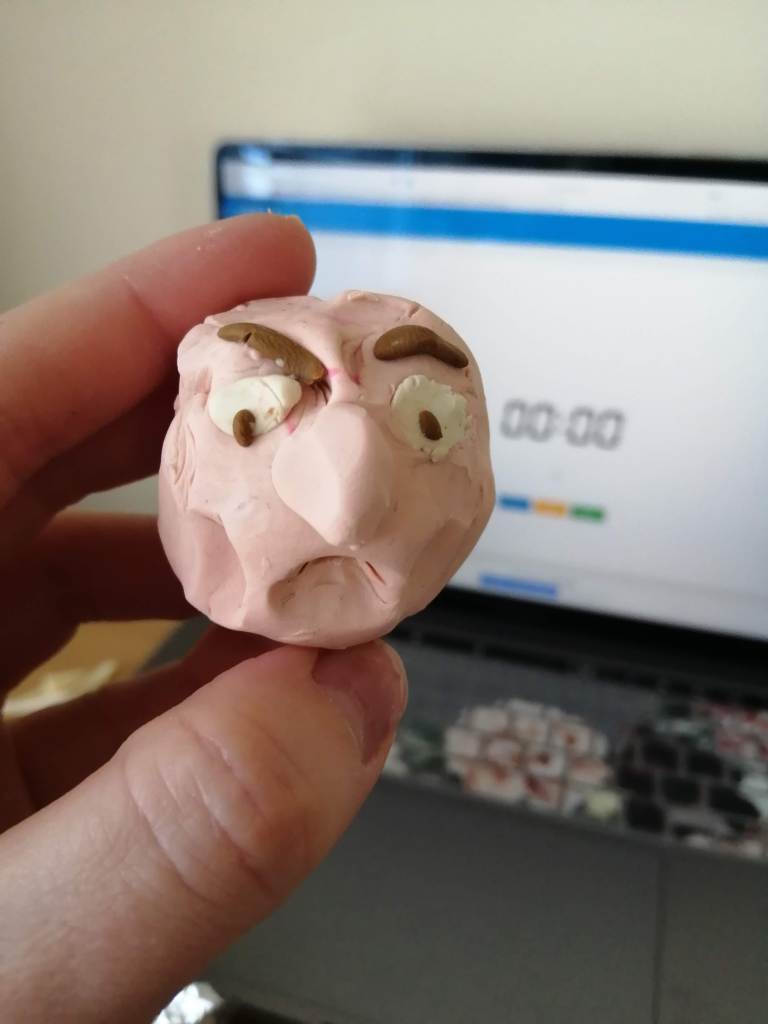
Fig.3 Shocked (2024)

Tired

Fig.4 Tired (2024)

Holding breath

Fig. 5 Holding Breath (2024)

Angry

Fig. 6 Angry (2024)

Resting face

Fig. 7 Resting face (2024)

Scared

Fig.8 Scared (2024)

Laughing

Fig.9 Laughing (2024)

Embarrassed

Fig. 10 Embarrassed (2024)

Looking up

Fig. 11 Looking up (2024)

Looking down

Fig. 12 Looking down (2024)

For an extra challenge, I tried to capture a confused facial expression with a one-minute time limit.

Fig.13 Confused (2024)

Reflection

I really enjoyed this exercise. I often find I don’t leave enough time to play in my work and this was just that playing. As an older child, my favourite hobby was sculpture and making pots on my refurbished potter’s wheel. So, to be able to sit and sculpt portrait models was not only fun but I was able to reminice.

Working with the clay rapidly was made challenging by the three-minute timer.  I haven’t used plasticine since I was maybe seven years old, and I forgot that it’s fairly hard and requires hand warming before handling. Therefore this was an extra challenge.

Seeing how much expression I could achieve in the allotted time was interesting but I was happy with how much information I could portray with each sculpture. The ones that I struggled with the most were the ones that were smiling and looking down. It’s interesting to see that I also have difficulty when I try and draw these angles. So maybe to get better at them, I need to study them more in my sketchbook.

If I was to try this again it would be interesting to see how the sculptures would look using a single-colour clay. Would I still capture all of the expressions?

Another option

Option two’s brief appealed to me too and I believed it would enhance my illustration capabilities, even though I could have completed Option One alone for this task. It meant I would have the opportunity to do some more exploring.

Option 2:​ Continuous Line Drawing

Brief

For this exercise, I had to create various continuous line drawings. (This means making drawings without taking my drawing tool off the paper until it is complete. ) With an added challenge of a maximum time limit of three minutes for each.

Research

Before starting to draw, I researched some examples of artists who use this technique in their practice.

Pablo Picasso 

One of the masters of art during the 20th century was Picasso. During this time he drew many pictures using continuous lines. It is quite amazing to see the amount of detail and complexity he can convey, in what appears at first to be a simple drawing. When looking at the drawing of the horse below I enjoy how he has captured the sense of movement with his fluid use of line.

Next, I watched the short film below which is about an exhibition of Picasso’s line work dating from his first to last drawings (1901-1969). There are 100 sketches in total some never seen by the public before. What I like about his line work is how expressive and creative he is. In the video, you can see how he challenges himself to look at things in new ways and experiments with lines.

Other well-known artists who use lines are Egon Schiele, Sherrie Levine, Andy Warhol, and Henri Matisse.

Henri Matisse

Matisse produced artwork during the same time as Picasso and there are some similarities in their artwork such as how they used line. Yet, there are some differences I think Picasso’s work was a little more complex especially when he started experimenting with cubism where his lines become much more angular and intricate. Where as Matise’s work was much more decorative and simplistic.

Al Hirschfeld

Al Hirschfeld was a 20th century illustrator best known for his black and white line drawings of caricatures. He had an impressive nine decades of illustrative work, including working for the New York Times. On the website https://www.alhirschfeldfoundation.org I found many examples of his work to study. I really enjoyed researching his work they are full of movement, humour, expression and cheekiness.

DFT

Next, I wanted to see what illustrators today may be using the continuous line technique in their practice and came across a French duo of artists called DFT (differantly). It excited me to see that their work has attracted interest from world famous brands such as Apple, Hermès, Nike and Adidas.

Below is a video of one of the artist showing how they create their work. I found it incredible how quickly the illustrations were drawn but amazingly there is still such large amounts of detail.

After, researching past and present-day artists that have used this method I have to say I am a little apprehensive at what I will be able to achieve especially with a maximum time-limit of three minutes but looking forward to experimenting.

Continuous line sketches

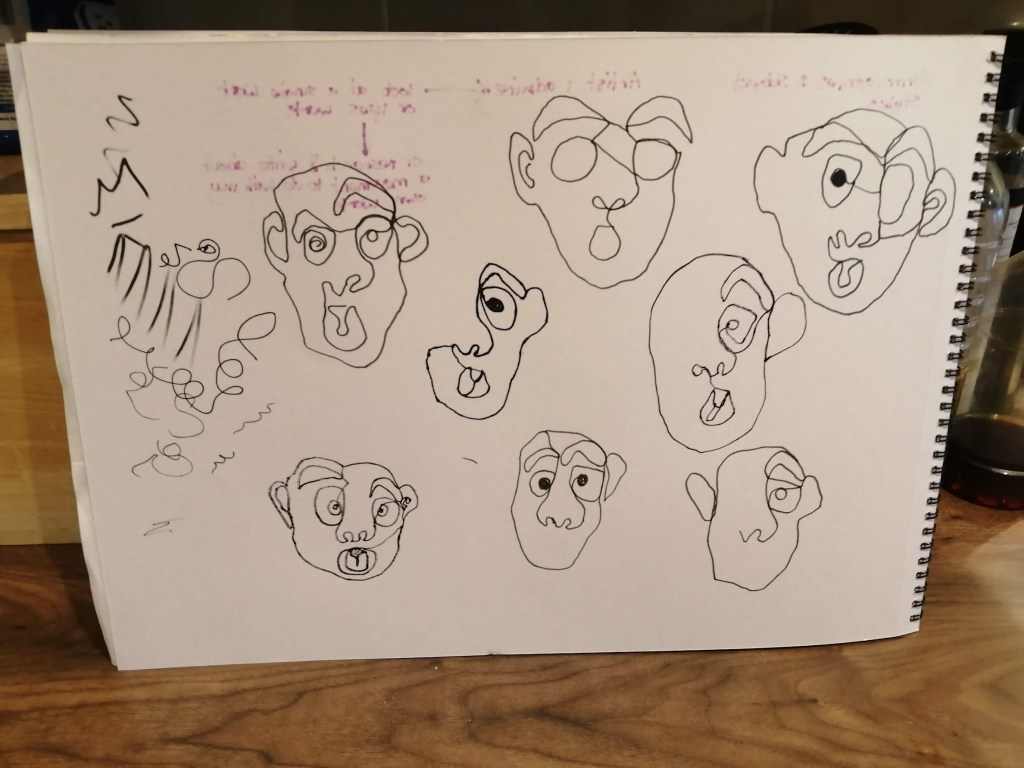
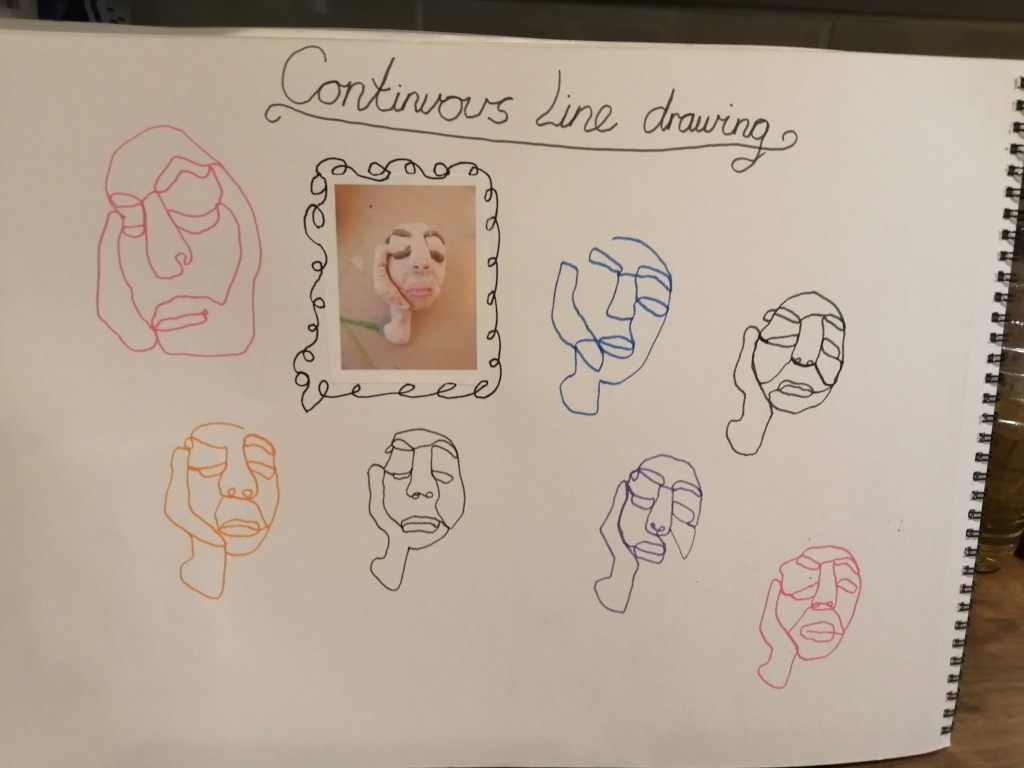
To begin the continuous line sketches I began with a sheet from my sketchbook and used one of my clay models as a still life to draw from. This was a warm up sheet before starting properly as it has been some time since I have sketched anything.

Fig. 14 Warm up sketches (2024)

I was surprised at how difficult it was to record information quickly without lifting my pen off the paper and found that I seemed to be only able to record half the face unless I went back over some of the lines I had previously drawn.

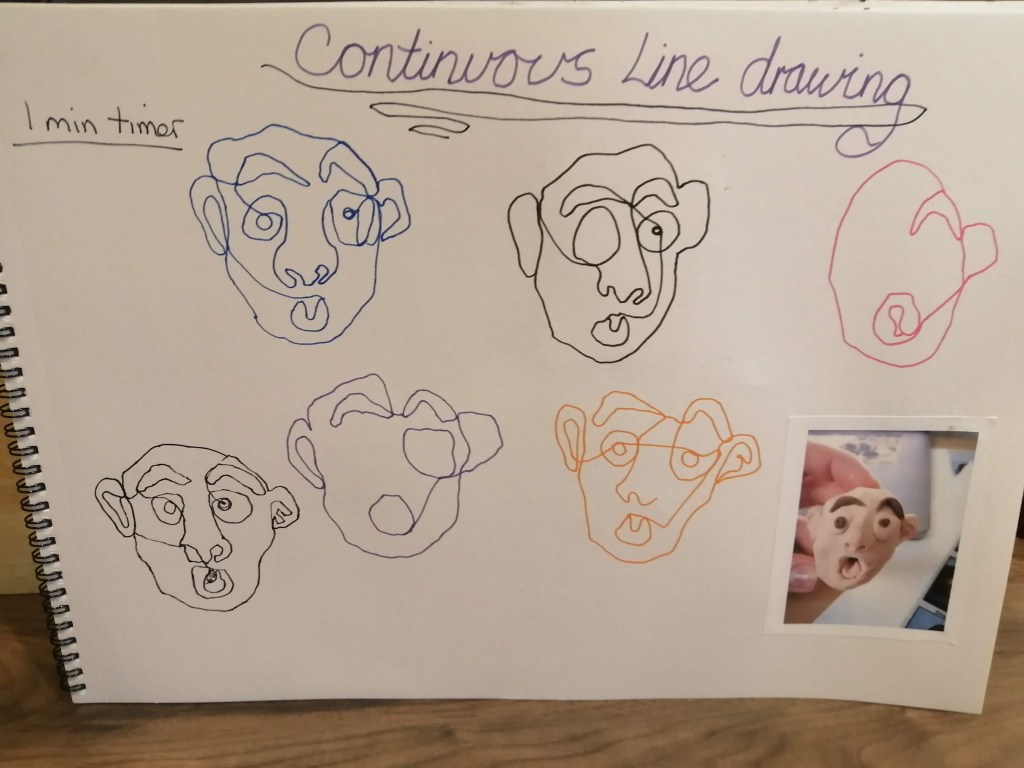
Now that my hand and eye coordination had warmed up, I set my timer for one minute and began sketching the same clay model.

Fig. 15 Shocked line drawing (2024)

Interestingly, with more practicie the lines to each of the drawings are now much more fluid and I am able to record more information.

Fig. 16 Tired line drawing (2024)

Again, setting my timer I practiced more continuous line drawings. Once more, I used one of my sculptures to practise this. The hand added an additional element to the face’s shape, making it more difficult to capture, but overall, I believe the sketches capture the essence of the sculpture.

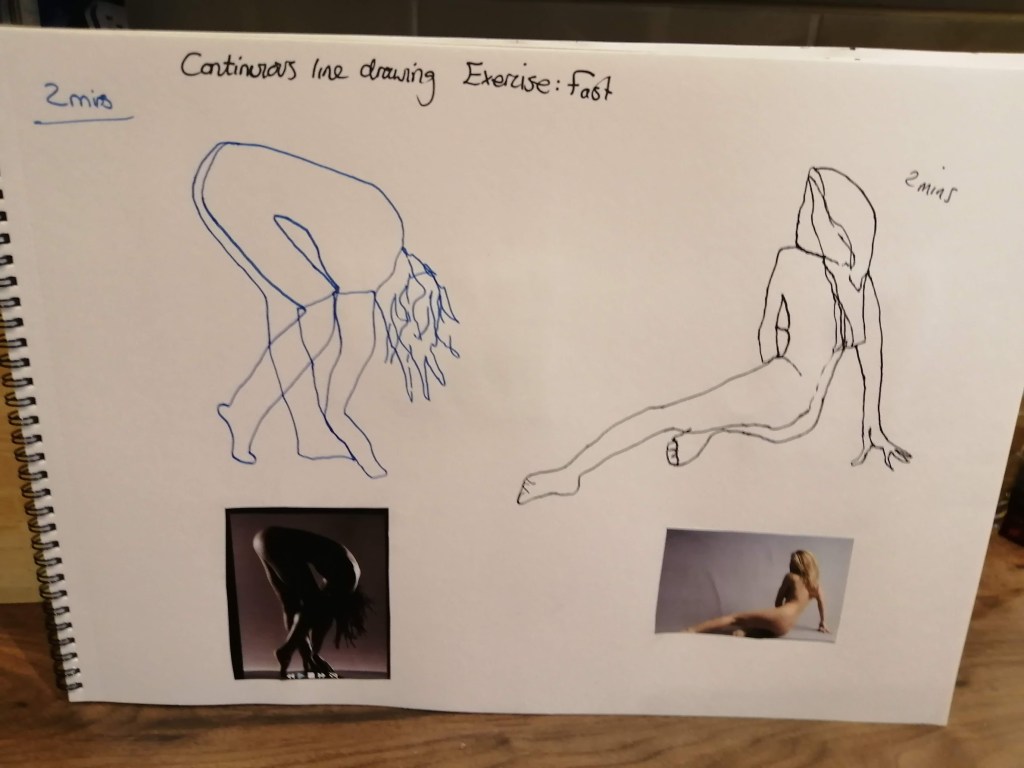
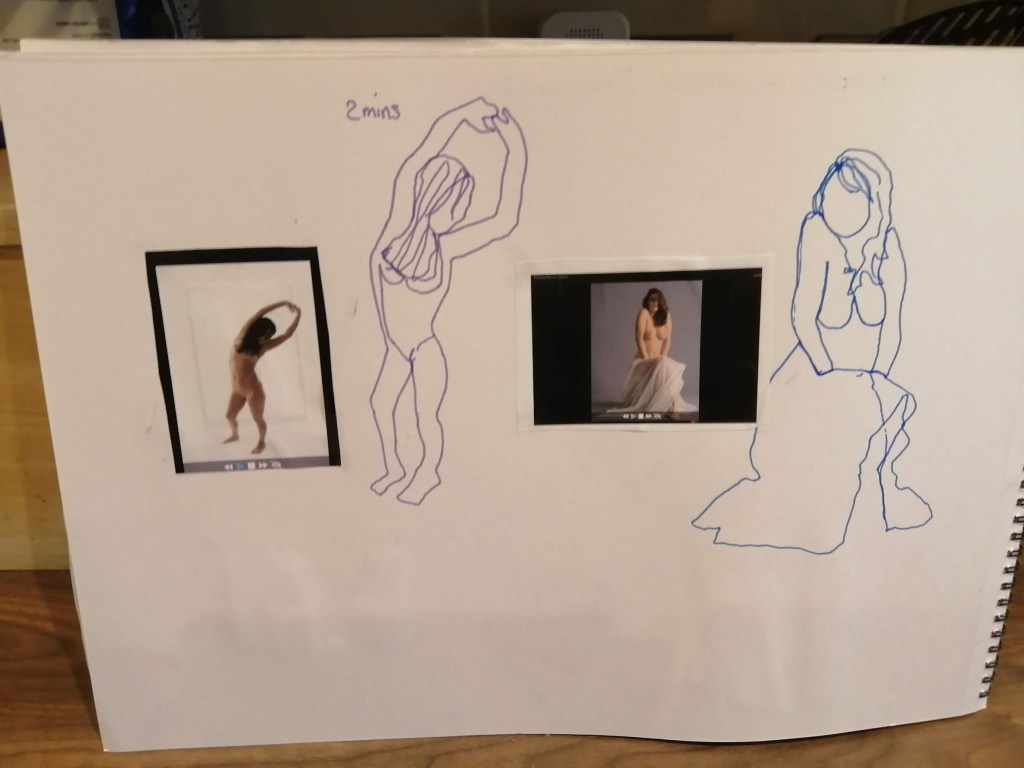
Following my attempts at drawing expressions in lines, I wondered what it would be like to sketch an actual person. Researching online  I came to a website that assists artists by providing images of models in different poses. The webpage also allows you to set a timer, so I used the two-minute setting for each of the upcoming line drawings. Here are some of my sketches.

Fig. 18 Life drawing pose 1 (2024)

Fig. 19 Life drawing pose 2 (2024)

The sketches are not exactly true to scale or have captured every detail but I am pleased I have managed to capture the women’s poses.

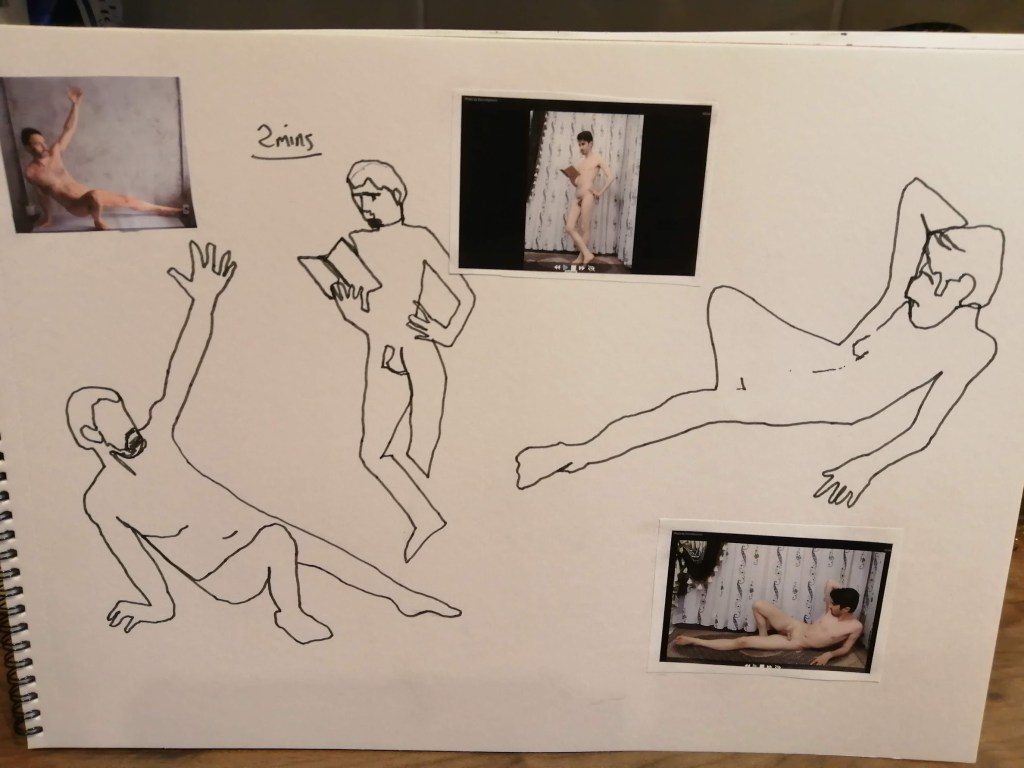
After, I thought would I be able to do the same for a male model? Searching on the website I found three photos of male models to use for reference.

Fig.20 Life drawing pose 3 (2024)

The first sketch I did was the middle one, the second was the one to the right and finally the one to the left was the last sketch I drew. It was interesting to see the line become more fluid the more I practiced and that the last drawing has recorded more information and done so more accurately.

Reflection

This continious line drawing exercise has been an enjoyable one. Having a short time limit has made me not worry about making mistakes but think quickly about what is the best way to convey what is in front of me.

It has been beneficial for strengthening my hand and eye coordination and has made me make deliberate choices in the placement of each mark. This exercise will undoubtedly help improve my drawings if I practice this exercise often.

References

About – DFT – minimalist line art (no date) DFT. Available at: https://www.dft.art/about (Accessed: 01 February 2024). 

Al Hirschfeld (no date) Bio. Available at: https://www.alhirschfeldfoundation.org/bio (Accessed: 01 February 2024). 

Brilliant single line drawings by differantly (aka DFT) (2018) YouTube. Available at: https://youtu.be/xaiUyI9OB5w (Accessed: 01 February 2024). 

Figure study tool (no date) Line of Action. Available at: https://line-of-action.com/practice-tools/figure-drawing (Accessed: 01 February 2024). 

Gallery, G. (2018) Who’s next? – DFTart-director-portfol. Available at: https://www.geneycleegallery.com/post/who-s-next-dft (Accessed: 01 February 2024). 

Picasso the line (2016a) YouTube. Available at: https://youtu.be/OrPwBPwqI3Y (Accessed: 01 February 2024). 

Picasso the line (2016b) YouTube. Available at: https://youtu.be/OrPwBPwqI3Y (Accessed: 01 February 2024). 

R, T. (2012) Facial Expressions Reference ProjectDeviant Art. Available at: https://www.deviantart.com/tamarar/art/Tammy-s-facial-expressions-313627461 (Accessed: 01 February 2024). 

List of illustrations

Fig. 1 Tamara, R. (2012) Facial Expressions reference project. [Photograph, Portrait] At: https://www.deviantart.com/tamarar/art/Tammy-s-facial-expressions-313627461 (Accessed 01/01/2024). 

Fig. 2 Fowler, G (2024) Materials. [Photograph, landscape] In possession of: the author: Forest of Dean. 

Fig. 3 Fowler, G (2024) Shocked. [Photograph, portrait] In possession of: the author: Forest of Dean. 

Fig. 4 Fowler, G (2024) Tired. [Photograph, portrait] In possession of: the author: Forest of Dean.  

Fig. 5 Fowler, G (2024) Holding breath. [Photograph, portrait] In possession of: the author: Forest of Dean. 

Fig. 6 Fowler, G (2024) Angry. [Photograph, portrait] In possession of: the author: Forest of Dean. 

Fig. 7 Fowler, G (2024) Resting face. [Photograph, portrait] In possession of: the author: Forest of Dean. 

Fig. 8 Fowler, G (2024) Scared. [Photograph, portrait] In possession of: the author: Forest of Dean. 

Fig. 9 Fowler, G (2024) Laughing. [Photograph, portrait] In possession of: the author: Forest of Dean. 

Fig. 10 Fowler, G (2024) Embarrassed. [Photograph, portrait] In possession of: the author: Forest of Dean. 

Fig. 11 Fowler, G (2024) Looking up. [Photograph, portrait] In possession of: the author: Forest of Dean. 

Fig. 12 Fowler, G (2024) Looking down. [Photograph, portrait] In possession of: the author: Forest of Dean. 

Fig. 13 Fowler, G (2024) Confused. [Photograph, portrait] In possession of: the author: Forest of Dean. 

Fig. 14 Fowler, G (2024) Warm up sketches. [Drawing] In possession of: the author: Forest of Dean. 

Fig. 16 Fowler, G (2024) Tired line drawing [Drawing] In possession of: the author: Forest of Dean. 

Fig. 17 Fowler, G (2024) Warm up sketches. [Drawing] In possession of: the author: Forest of Dean. 

Fig. 18 Fowler, G (2024) Life drawing pose 1. [Drawing] In possession of: the author: Forest of Dean. 

Fig. 19 Fowler, G (2024) Life drawing pose 2. [Drawing] In possession of: the author: Forest of Dean. 

Fig. 20 Fowler, G (2024) Life drawing pose 3. [Drawing] In possession of: the author: Forest of Dean.