Categories
Coursework Research Points, Part Three: Making

Research task: ​Paper Toys

Brief

Paper toys are essentially what their name suggests; they are toys made of paper. Find some specific artists who design paper toys and document examples of their work in your log. What is the purpose of paper toys? Who is their target audience? What is the draw to making paper toys as opposed to buying pre-made toys?

Visual Skills 2: Visual Exploration p106

Keywords from the brief

  • Find some specific artists who design paper toys and document examples of their work in your log
  • What is the purpose of paper toys?
  • Who is their target audience?
  • What is the draw to making paper toys as opposed to buying pre-made toys?

Seth

The first artist I examined was Gregory Gallant, a Canadian cartoonist better known by his cartoon name Seth. After seeing a few documentaries and reading about him, I realised that he is an artist who frequently writes graphic novels on the ordinary issues of life, such as people attempting to determine whether their lives have been successful.

Here’s one of the documentaries I watched in which he talks about his artworks. His large collection of projects caught my interest because he not only does commission work, but he also explores a variety of other artistic interests for personal enjoyment. These include a rubber stamp diary, a sketchbook, and he is developing a model city called The City of Dominion.

Throughout the documentary, I enjoyed his short animated film called The Creek. It reminded me of a local site called Soudley Ponds. In the 1930s and 1940s, villagers used man-made diving boards to swim during hot summer days. Today, however, it is a nature reserve full of fish and crayfish, as well as a place where people may take a stroll and view the stunning scenery.

I wanted to post a photo of people swimming in the ponds, but couldn’t find one. However, I was able to find some old images of the surrounding area and a woman describing what it used to be like on Facebook.
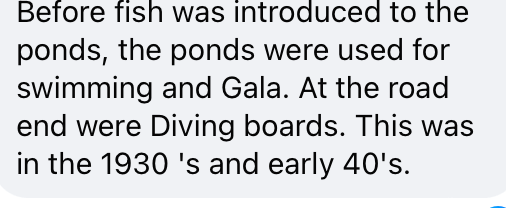
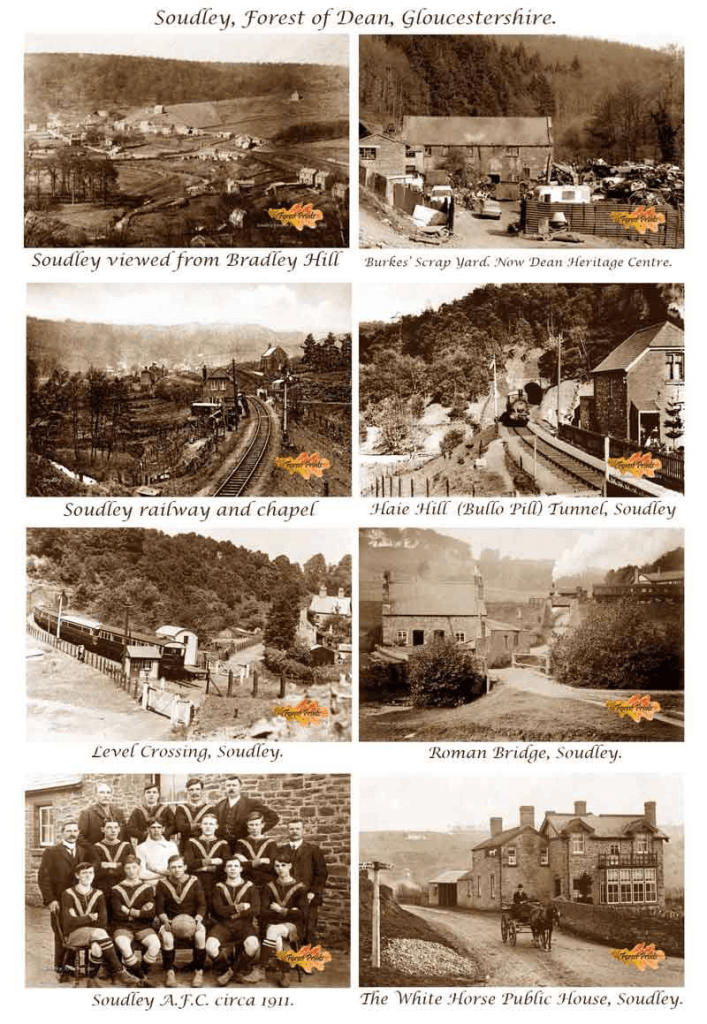
Fig. 1 Facebook post (2017)
Fig. 2 Old photos of Soudley village. (2017)

Below is an a photograph I took recently of Soudley ponds.
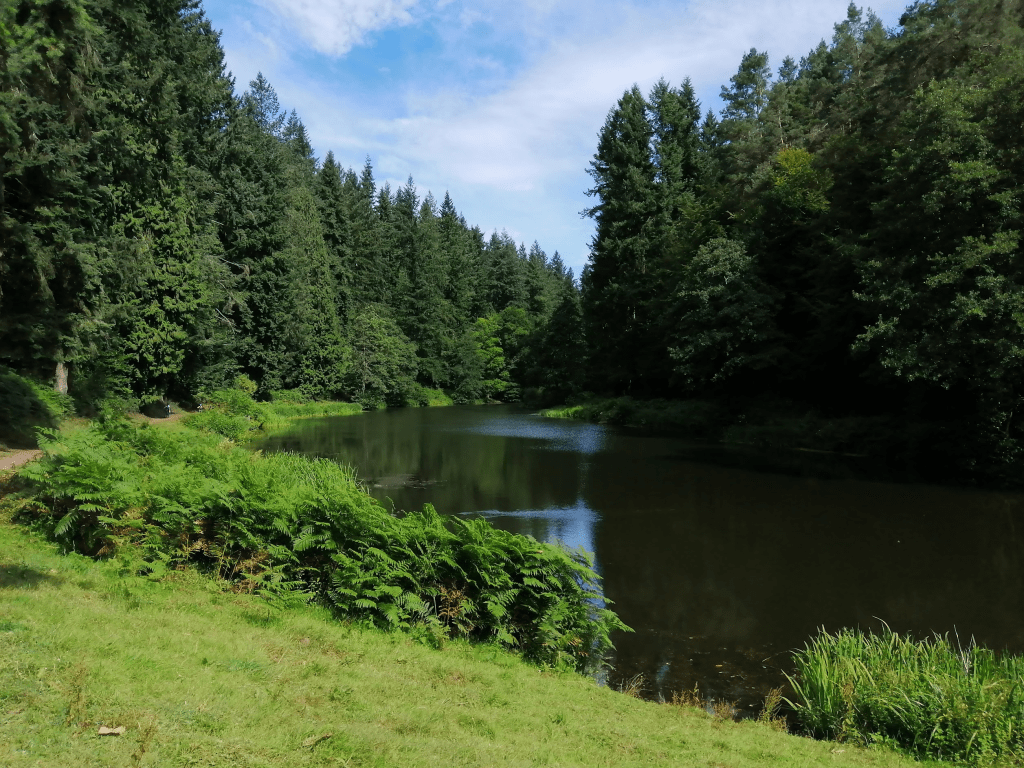
Fig. 3 Soudley ponds (2024)

Reflecting on Seth’s work, I think he is so successful because of his sheer determination and he is alway developing his artistic practice. Also, his written storytelling is as good as his artwork, which brings emotional depth to his graphic novels. The combination of the two enhances the overall storytelling experience. Looking at his artistic technique, he employs clean lines and a muted colour palette to create a vintage feel to his work.

Steve Monger

The next artist I have the pleasure of researching is one of my former tutors from one of my previous units at the OCA.  Not only is he an OCA tutor, but also a Graphics and Senior Lecturer at Bristol University. In his spare time, Stephen investigates photographic representations of location and is particularly interested in how photography might overlap and merge with other types of representation such as digital drawing and 3D modelling.

This leads me to the model making of buildings Stephen has produced using cardboard. Although part of his work included photography he also created many sculptures of building to show the viewer the different details that was otherwise inaccessible by the use of photography alone. Below are some photographs of one of these paper sculptures.

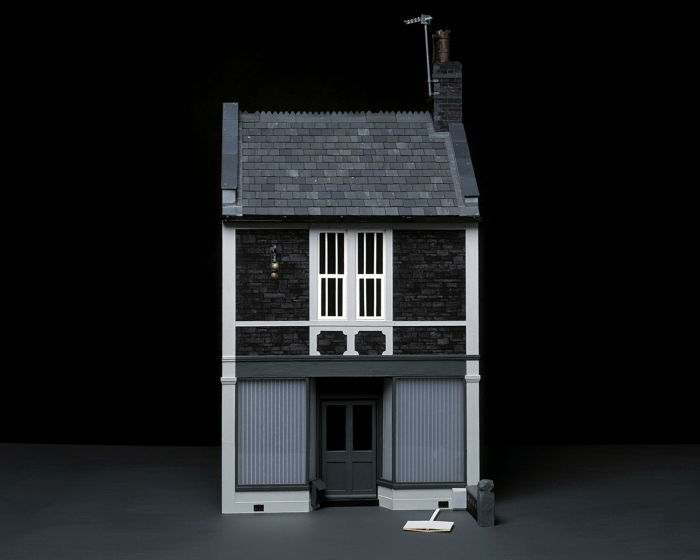
Fig.4 The making process of Pawnbroker (2008)
Fig. 5 The Pawnbroker (2008)

Thomas Demand

Similarly to Stephen, Thomas is a an artist who also builds realistic models of buildings. However, these are life-sized models of spaces and buildings using a selection of paper and cardboard. Interestingly, he then photographs these models and after destroys them so the photograph is the only record left.

Below is an interesting documentary I watched about Thomas’s work.

After watching it I was quite amazed at the sheer dedication and detail he puts into his art work, often taking weeks to construct them. What sets his work apart from other artists is not just the craftsmanship but also the depth of meaning within each piece. One example is called “Yellowcake”.

For this project, Thomas meticulously reconstructed the scene of the 2001 event involving the Embassy of the Republic of Niger in Rome, using paper and cardboard. It was at the Embassy information regarding Saddam Hussein’s alleged attempt to purchase uranium “yellowcake” was stolen.

Below is one of the photographs of his reconstruction.
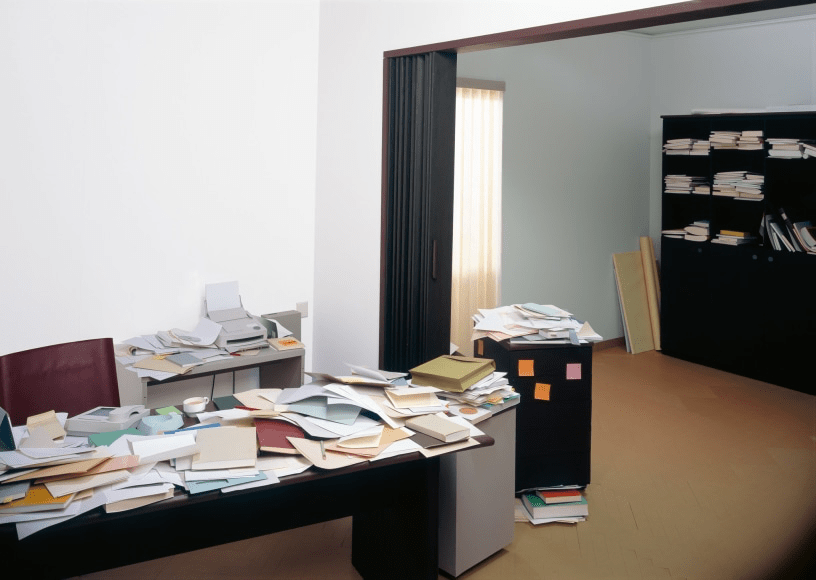
Fig. 6 ‘Lemoncake’ (2007)

Through Demands craftsmanship and series of photography he invites viewers to think about the narrative and subsequent consequences of the event, which was the invasion of Iraq by the U.S. The fact that the alleged proof of Saddam’s attempt was later revealed to be forged adds a sense of tragedy to the narrative.

Looking at Demand’s interpretation of this event through his artwork offers people a different kind of engagement compared to a brief news report. I personally find it more thought provoking, intimate and memorable.

Amy Bennett

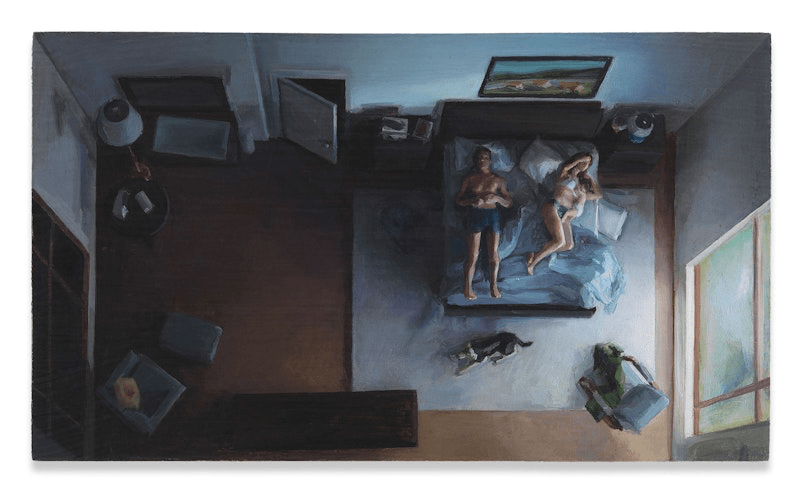
The final artist I researched is Amy Bennett, an American artist who has a unique approach when creating narrative paintings. This consists of constructing paper models and using them as reference material to observe and paint from. She often uses these models to create detailed and surreal scenes that explore themes of suburban life. By using these paper models, Bennett can explore different viewpoints and compositions before starting her painting. 

Each painting shows a different aspect of everyday life in a way that is both familiar and thought-provoking. In the video I watched below she states ” It’s a bit like being a fly on the wall, observing people and their interactions without them knowing.” (Bennett, 2011). This gives her paintings a vulnerability that is both captivating and intimate.

As a mother and wife, she has used the many challenges this brings, as well as the joys of life, as inspiration for her artwork. This can be seen in her work called “Nuclear Family,” which captures the complexity of love and relationships as well as the difficulties of family struggles. 

Below is a photograph of one of the paintings from the series “Nuclear Family.

Fig. 7 Animals (2018)

Her artistic style often features bold colours, abstract shapes, buildings and people. These elements combine to create a unique and engaging image. Looking at these works reminds me of my own experiences as a mother and wife and has prompted me and I should think others to reflect on everyday life.

What is the purpose of paper toys?

The purpose of paper toys is to provide entertainment and creative expression for children and adults alike. Not only is it easily accessible but as shown in this research task it also allows for endless creative possibilities.

Who is their target audience?

It depends on the artist who is making the paper toys and their intention for them. The target audience could be any age. It could be designed for pure enjoyment. On the other hand, the target audience might be to engage viewers in a political or cultural matter. To spread important messages and spark conversations. The artist may also aim to promote social change and awareness through their work.

What is the draw to making paper toys as opposed to buying pre-made toys?

There are many benefits to making paper toys, which are: 

  • The pure satisfaction of making something with your own hands that can be played with or explored.
  • Making paper toys allows for customisation and creativity in design, as discussed in Amy Bennett’s research.
  • From an environmental perspective, paper toys are more sustainable than plastic alternatives and can be easily recycled at the end of their life cycle.
  • Personally I would appreciate a handmade paper toy skilfully made, more than a bought plastic toy because to me it would hold more sentimental value.
  • In some cultures paper toys hold significance values for example the long-standing tradition of origami that originating from Japan.

References

Bennett, Amy. “Amy Bennett.” Www.amybennett.com, 2021, http://www.amybennett.com/home.html.

Bennett, Amy . “Artist Amy Bennett.” Www.youtube.com, Anthony Paget , 26 July 2011, youtu.be/yodJPR5hGic. Accessed 28 Mar. 2024.

Brownstein, Bill. “Film Animates the Life of Comic Book Creator Seth.” The Gazette, Bill Brownstein, 8 Oct. 2014, montrealgazette.com/entertainment/arts/film-animates-the-life-of-comic-book-creator-seth. Accessed 26 Mar. 2024.

Chamberland, luc. “Seth’s Dominion.” Www.youtube.com, 13 Mar. 2024, youtu.be/EJMKBiJuO6I. Accessed 28 Mar. 2024.

Demand, Thomas . “Thomas Demand: Animations | Exhibition | DHC/ART.” Www.youtube.com, 18 Jan. 2013, youtu.be/M-itI67quhE. Accessed 28 Mar. 2024.

Hoffman, Eric, et al. Seth: ConversationsPerlego, University Press of Mississippi, 4 Feb. 2015, http://www.perlego.com/book/561986/seth-conversations-pdf. Accessed 28 Mar. 2024.

kurkdjian, guillaume. “Amy Bennett.” Wertn.com, 22 May 2019, wertn.com/2019/05/amy-bennett/.

Maher, Daniel. “Amy Bennett Looks at the Complexities of Suburban Family Life in Her Miniature Paintings.” Www.itsnicethat.com, 10 Apr. 2019, http://www.itsnicethat.com/articles/amy-bennett-nuclear-family-art-100419. Accessed 28 Mar. 2024.

Monger, Stephen. “About : Stephen Monger.” Www.stephenmonger.com, 1995, http://www.stephenmonger.com/index.php/info/about/. Accessed 28 Mar. 2024.

—. “Mr Stephen Monger – UWE Bristol.” People.uwe.ac.uk, people.uwe.ac.uk/Person/StephenMonger. Accessed 28 Mar. 2024.

Shane, Robert R. “Amy Bennett: Nuclear Family.” The Brooklyn Rail, 4 Sept. 2019, brooklynrail.org/2019/09/artseen/Amy-Bennett-Nuclear-Family. Accessed 28 Mar. 2024.

Tylec, Laurie . “Acquisition: Thomas Demand “Embassy I,” from the Series “Yellowcake.”” Www.nga.gov, 30 Oct. 2020, http://www.nga.gov/press/acquisitions/2020/demand.html. Accessed 26 Mar. 2024.

Wehr, Anne. “Thomas Demand.” Frieze, 1 Apr. 2008, http://www.frieze.com/article/thomas-demand-1. Accessed 28 Mar. 2024.

Illustration list

Fig. 1 Facebook post (2017) [Facebook, screenshot] At:https://www.facebook.com/ForestBygoneHistory/photos/a.10150369899392595/10154391365347595/?type=3 (Accessed 26/03/2024).

Fig. 2 Old photos of Soudley village. (2017) [Facebook, screenshot] At:https://www.facebook.com/ForestBygoneHistory/photos/a.10150369899392595/10154391365347595/?type=3 (Accessed 26/03/2024).

Fig. 3 Fowler, G. (2024) Soudley ponds [Photograph, landscape] In possession of the author: Forest of Dean.

Fig.4 Monger, S. (2008) The making process of Pawnbroker [Paper sculpture] At: http://www.stephenmonger.com/index.php/the-prawnbroker/ (Assessed 26/03/2024).

Fig.5 Monger, S. (2008) The Pawnbroker [Paper sculpture] At: http://www.stephenmonger.com/index.php/the-prawnbroker/ (Assessed 26/03/2024).

Fig. 6 Demand, T (2007) Lemoncake [Paper sculpture] At: https://www.303gallery.com/gallery-exhibitions/thomas-demand?view=slider#7 (Accessed 25/03/2024)

Fig. 7 Bennett, A (2018) Animals [Painting] At: www.itsnicethat.com/articles/amy-bennett-nuclear-family-art-100419. (Accessed 26/03/2024).
Categories
Research Points, Part Three: Making

​Research Task:​ Large Scale Image-Making

Brief

For this research task, I have been asked to look at a one-day conference called ‘The Embodied Experience of Drawing’, held in 2018, in Plymouth. After, I was asked to make some notes about the participants different drawing techniques and physical processes.

To do this, I watched a short video that observed the participants drawing and took screenshots of people’s different approaches.

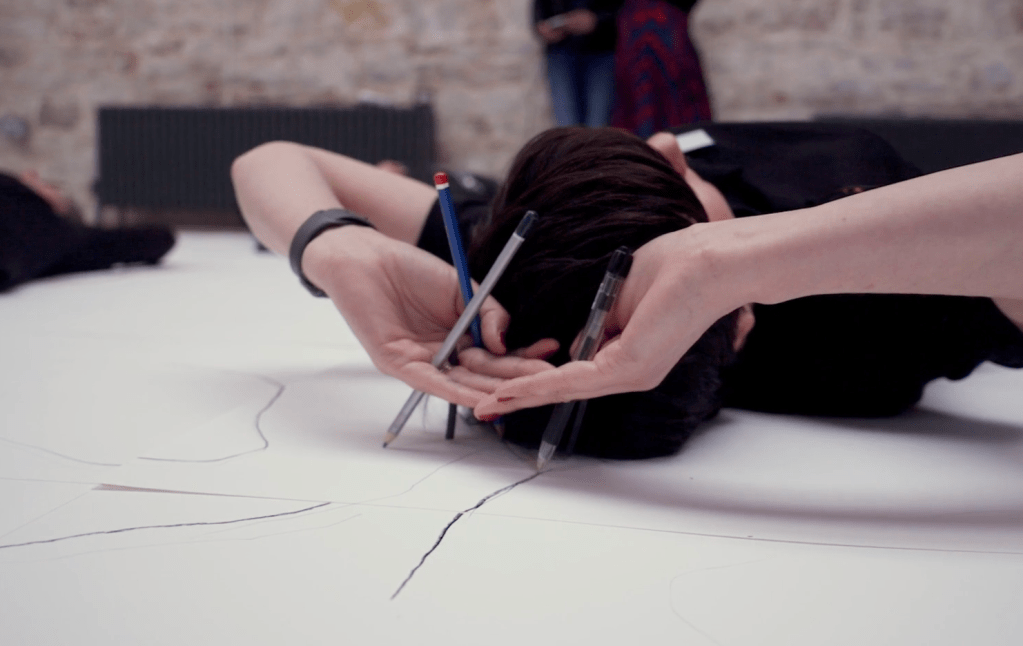
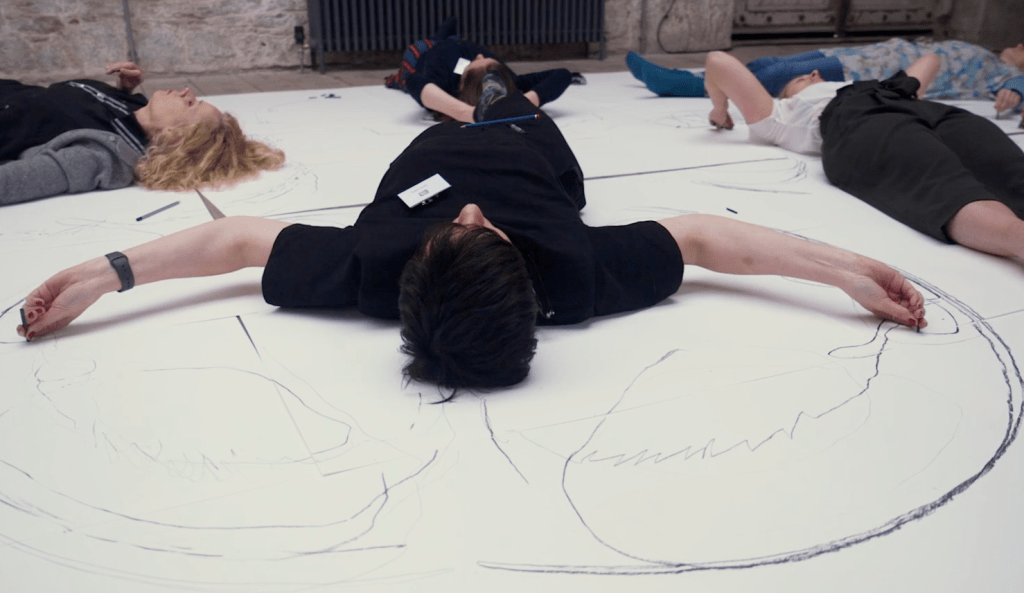
Here’s a picture of one of the conference women, lying on her back. Taking different pens and pencils and making marks on the page without looking at it. The marks made will be limited by the extension from her elbow upwards.

Approach one

Fig. 1 Drawing approach one extension of elbows (2018).

The next image, is the same approach as above but allows a full extension from the shoulders into both arms. This creates a more flowing line work, especially with the medium charcoal as it makes bold expressive lines.

Fig. 2 Drawing approach one, full extension of arms (2018).

Approach two

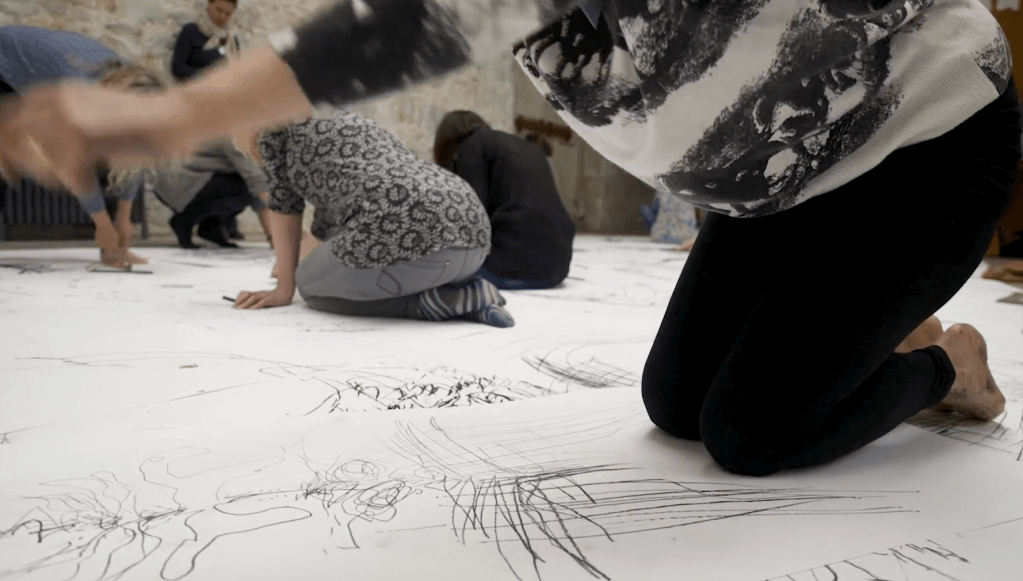
With the next approach, this lady is sitting looking at the paper on her knees. Again using charcoal but this time using the motion of her arms to swish back and forth in front and behind her.

Fig. 3 Drawing approach two, drawing kneeling (2018) [vimeo, screenshot] At https://vimeo.com/267261033# (Accessed 13/03/2024).

Approach three

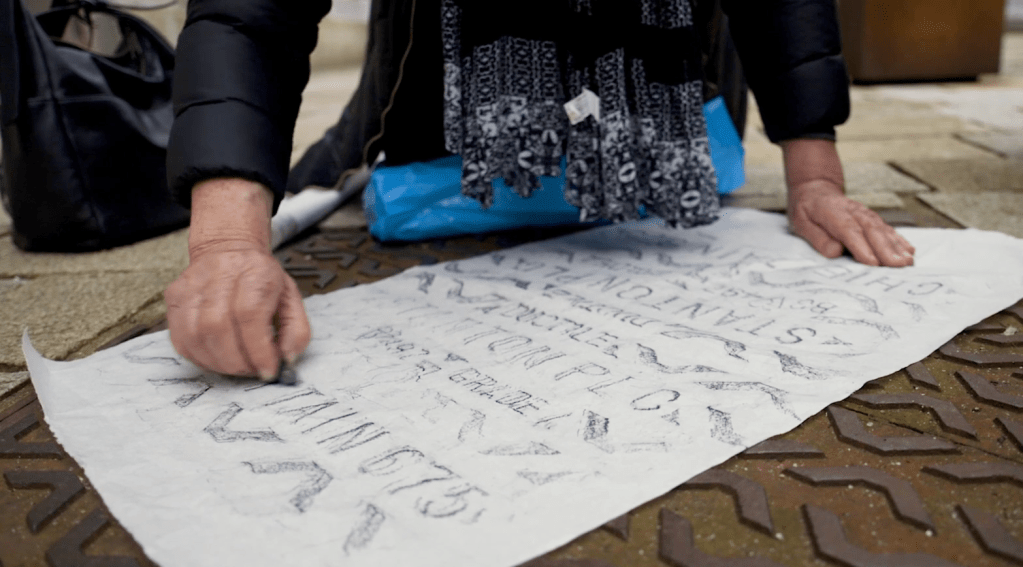
In the next image, the lady is making marks by creating rubbings from various surfaces.

Fig. 4 Drawing approach three, rubbings (2018).

Approach four

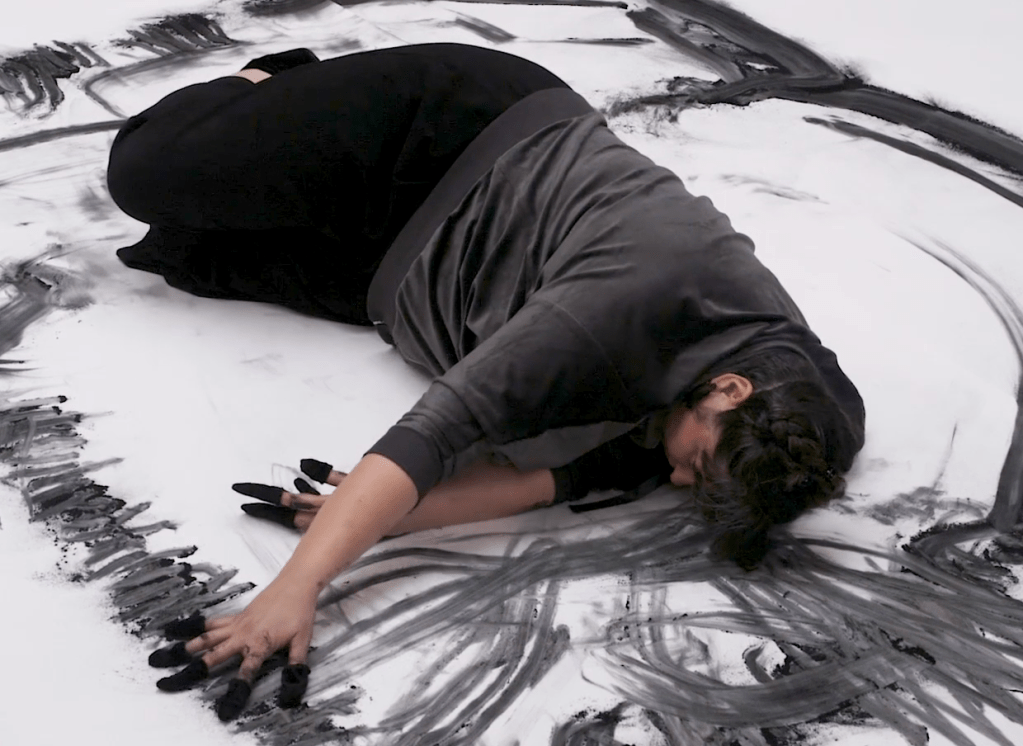
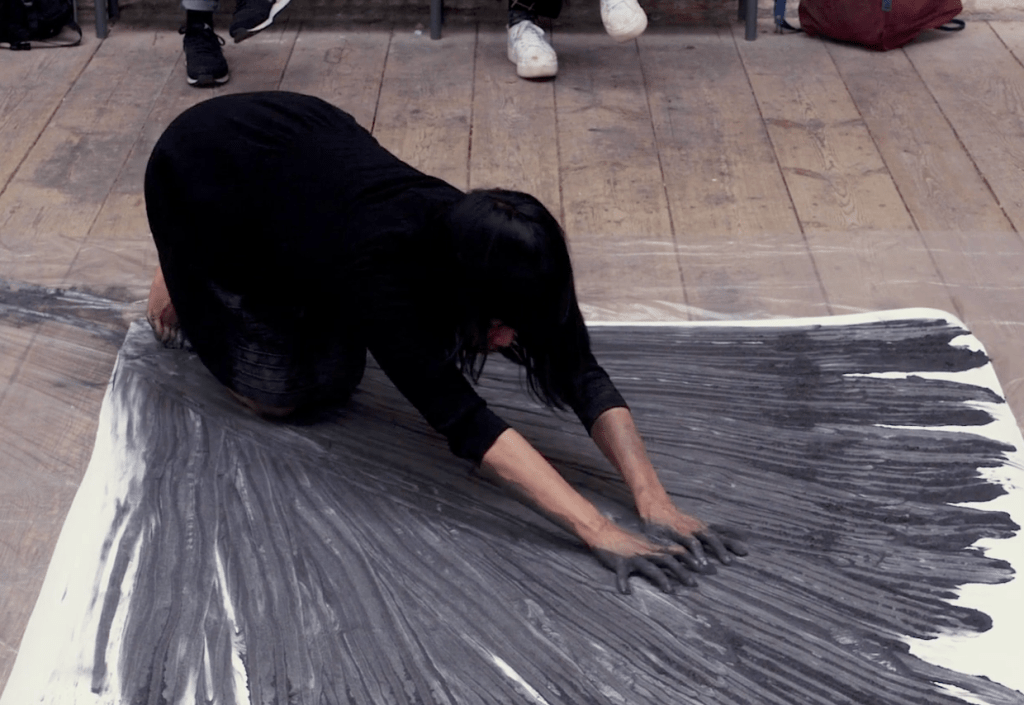
In the next two images, the participants are using their whole bodies to create marks with what I think is graphite powder. This is a more physical approach than the previous ones and will make the most expressive marks.

Fig. 5 Drawing approach four, whole body 1 (2018).
Fig. 6 Drawing approach four, whole body 2 (2018).

Approach five

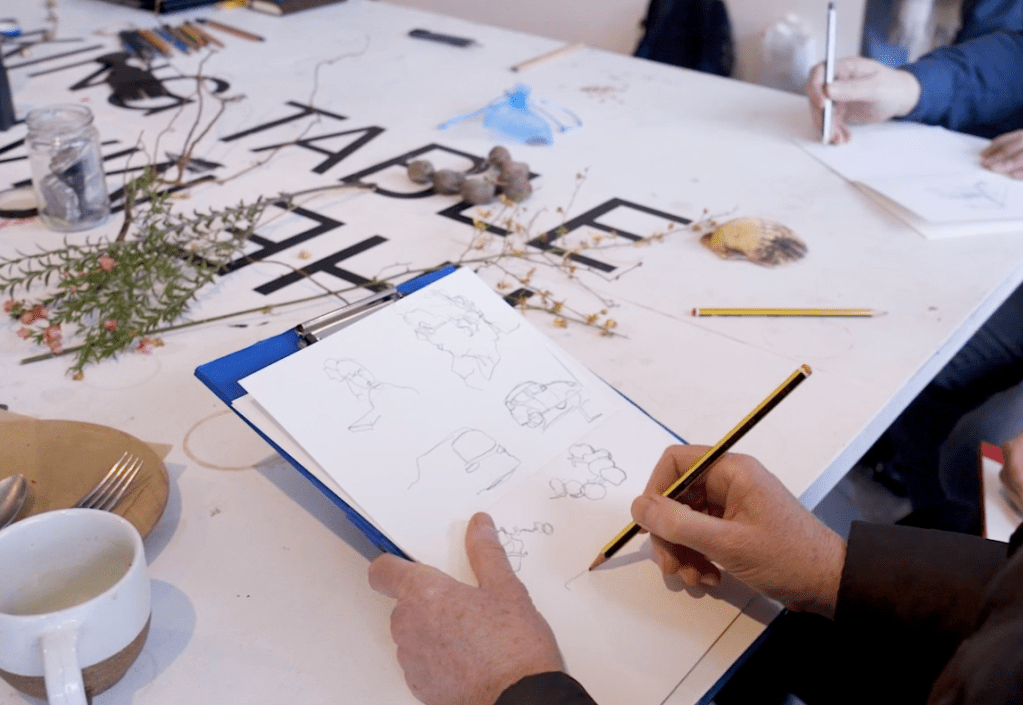
Finally, many artists were practising their observational skills by drawing still lifes.

Fig. 7 Drawing approach five, observation (2018).

From watching the video, I can see the purpose of the day was to explore the relationship between drawing and using various parts of the body or the whole body. It would be a beneficial exercise that will help to explore new ways of approaching drawing.

Next, I was asked to search for and record my thoughts on some of the listed artists in the OCA textbook who make large-scale images.

The following artists from the textbook appealed to me:

  • Emma Stibbon
  •  John Vertue
  • The Boyle Family

Emma Stibbon

Before starting the previous exercise, which was to create a large landscape scene, I began first, with this research task. One reason I selected Emma, is because Emma is a British artist known for her large-scale drawings and prints that often depict dramatic landscapes and environmental events. This is therefore an appropriate research task before embarking on the previous exercise and I thought I may find inspiration from Emma’s work.

Stibbon has visited remote and environmentally significant places all over the world, such as Antarctica, the Arctic, Iceland, and volcanic regions. Emma creates reference sketches of these natural landscapes, glaciers, volcanoes and polar regions while on location, which she then refers to when creating her finished pieces in her studio. The drawings and prints serve as visual records of her observations and encounters whilst on her expeditions. As she states on her website,

Many of the environments and landscapes I depict are changing rapidly. As an artist, I feel committed to representing the impact of these changes, be they natural or human. My impulse is to draw, in an effort to act as a witness.” (Stibbon, n.d.)

Stibbon’s drawings and prints are full of detail and powerful compositions. She often works in monochrome, using charcoal, graphite, ink, and other media to create intricate pictures.

Her creations evoke awe; they make me feel as though I’m there, experiencing the moment she has captured.

John Vertue

John Virtue, is a contemporary British artist, known for his distinctive monochromatic landscape paintings, primarily in black and white. Many of his large-scale works consist of dramatic landscapes, often depicting urban scenes, coastal views, and rural landscapes.

Researching online, I found a very interesting documentary where Virtue discusses the makings of his artworks.

(The Culture Show: John Virtue, 2012)

He explains his work consists of abstract compositions from the way he perceives the world. In order to do this he is very experimental with the materials he choses to use, such as many different types of brushes, rags, his own hand, black ink mixed with shellac and titanium acrylic. (Virtue, J, 2012)

His artworks consist of bold brushwork, strong contrasts, and are full of movement and energy. What I find interesting about his work is there is a powerful sense of atmosphere and mood even without the use of colour.

Below are some examples of his work.

The Boyle family

The Boyle Family is a group of artists consisting of Mark Boyle, Joan Hills, and their children Sebastian Boyle and Georgia Boyle. It began originally with the mother and father in the early 1960s, when they started to visit demolition sites in London and gathered materials to use in their artwork.

To get a better understanding of who the family are and their artistic approaches I watched the following documentary.

(‘Boyle Family’ documentary, 2015)

The documentary is very informative and is interesting to see the artist’s approach and visions for their works and the many different projects they have embarked upon. It was also interesting to hear the objective of the works, Mark said :

The objective is to teach ourself to see“.

I found this statement quite thought provoking as an artist myself, this is what I constantly strive to do, to see exactly what is in front of me and portray it to the viewer as I would like them to see it.

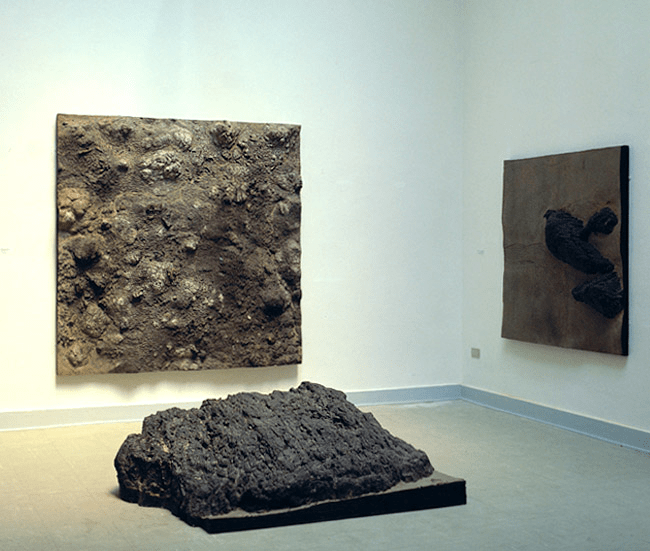
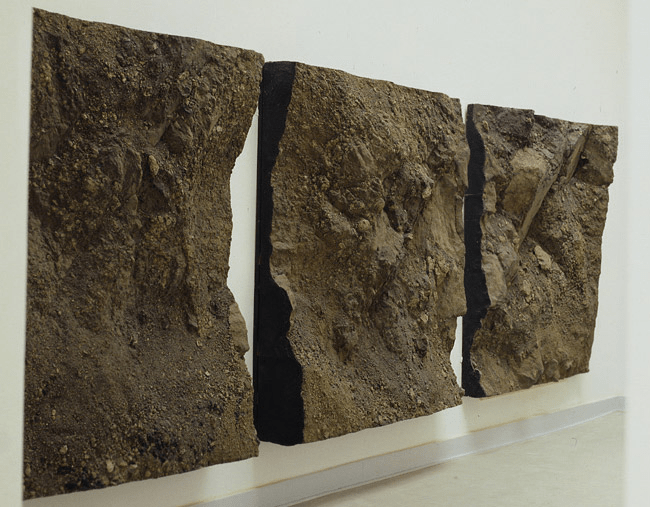
The Boyle Family, all have an innovative approach to art-making, which involves the replication of real-life surfaces and landscapes. They are particularly renowned for their “Earth Studies” series, where they recreate sections of the Earth’s surface in three-dimensional relief, capturing the texture, composition, and detail of specific locations.

Fig.8 Bergheim Mine Study (1974)
Fig.9 Rock and Scree Series (1977)

Another study which I found interesting is called “The Multi Human Being series”. Which was the study of different parts of the body. Mark himself took top layers of skin from different parts of his body and then created images from them using a projector.

Fig. 10 Skinchart for Body Work (1969)
Fig. 11 Skin Series, Left Heel Study (1969)
Fig. 12 Skin Series, Small Back Study (1973)

Overall, I find their work challenges traditional notions of what constitutes art and encourages viewers to reconsider their perception of the world around them. I also think, there is a fine line with some of their work. Is it art? or a contribution to science? Is it the study of our planet and everything that resides within it?

After researching these artists I chose Emma Stibbon to ask myself the following questions about her artwork:

How do they choose their subjects?

Emma has a strong desire to document the impact of both natural and human-caused events either on large-scale canvas or via printing methods. In her work, she captures the stunning scenery of the places she visits, but she also records the environmental changes that are taking place. For example, glaciers have broken down before her very eyes as she watched from her moving boat.

How do their creative and material approaches differ?

Emma’s creative approach differs from working in the field to working in her studio. Whilst in the field she often collaborates with scientists and geologists that give her information on why something is happening and she has to work at speed to capture the information.

When back in the studio, Emma can use her sketches and digital photos she has taken as reference for her large-scale artworks, and she can be much more experimental and spend longer on fine details. Often, she will incorporate materials taken from the environment she was in. Such as volcanic ash, which she then mixes into ink and uses in some of her artworks.

Below is an example of one of these artworks, this particular one is from a volcanic scene.

Fig. 13 Broken Terrain (2017).

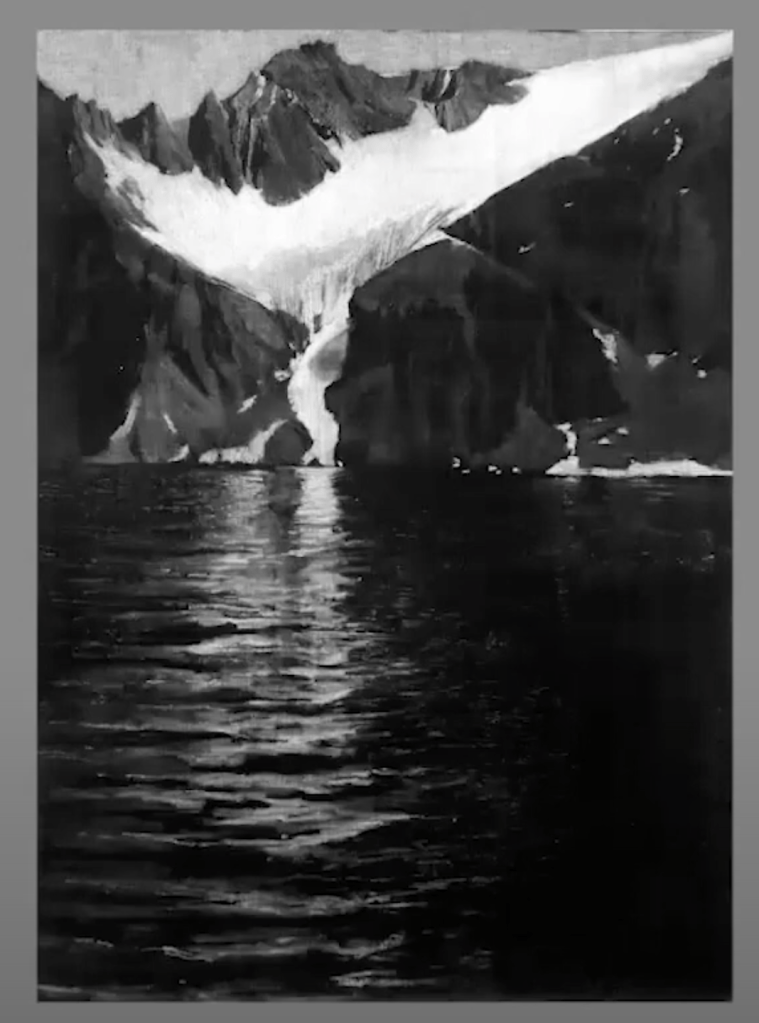
The reason Emma includes materials from the environment she study’s are to create a metaphor in her artworks. Another example where she has done this is in her work, “Tidewater Glacier chalk on Blackboard“.

Fig. 14 Tidewater glacier chalk on blackboard (n.d.)

This image is created using chalk on a blackboard. The irony is in the possibility that the chalk could vanish in an instant, much like a glacier melting away.

There is something quite special about looking at Emma’s large-scale images. The places Emma chooses to draw are places that not many people will ever get to see in their lifetime and being able to look at these works allows each viewer to experience some of the magic that Emma must have witnessed whilst out in the field.

Why do they make their work at a large scale?

While watching the film below, Emma revealed why she does her art on such a massive scale. In the documentary, she stated:

I sort of want the reason for the big scale is that sort of sense of encounter for the viewer. I really want the sort of sense about being immersed in something for an audience that might sort of see that in a space to give a sense of the physicality of being in front of it.” (Stibbon, E 2023)

It was nice to hear her say this. As I had previously mentioned, I felt the pieces were for the viewer to get a better understanding of the places she had been witness to. The vast scale allows the viewer to fully immerse themselves in the scene, which is similar to watching a film at the cinema.

(at home: Artists in Conversation | Emma Stibbon, 2023)

What hurdles have they encountered or initiatives have they had to develop in order to produce their work?

Whilst in the field, Emma is faced with many obstacles that hinder her such as the cold, seasickness, the wind, the fear of a volcano eruption and the many other elements that the places she visits throughs at her. Therefore, she has to work fast using sheets of carriage paper, inks and watercolour. These mediums are chosen for there ease of use and they are good at capturing the characteristics of the environment at speed. Emma, also said in a documentary that “The paper is a witness of the weather, and it is embedded into the media” (Stibbon, E 2023) Additionally, she will use a digital camera to record information for later use.

Reflection

It has been interesting to see the different style and approaches that theses three artist have used whilst creating their large scale works. Out of all of them, I have to say my favourite is Emma’s work. The whole process from start to finish is quite fascinating. Being able to visit remote countries, recording information whilst there and then coming home and capturing the scenes at such a large scale but with such realism is remarkable.

References

“Boyle Family.” Www.boylefamily.co.uk, http://www.boylefamily.co.uk/boyle/works/index.html.

Davies, Patrick. “John Virtue (Paintings).” Patrick Davies Contemporary Art, http://www.patrickdaviesca.com/artists/46-john-virtue. Accessed 18 Mar. 2024.

“Emma Stibbon | Artist | Royal Academy of Arts.” Www.royalacademy.org.uk, http://www.royalacademy.org.uk/art-artists/name/emma-stibbon-ra.

Gallery, Rabley. “Emma Stibbon RA – Broken Terrain.” Rabley Gallery, 2 Aug. 2020, rableygallery.com/shop/artists/emma-stibbon/emma-stibbon-ra-broken-terrain/. Accessed 18 Mar. 2024.

Robbins, Andy. “The Culture Show: John Virtue.” Vimeo, 6 July 2012, vimeo.com/45322786. Accessed 18 Mar. 2024.

Roberts, Cristea. “Emma Stibbon.” Cristea Roberts Gallery, cristearoberts.com/artists/33-emma-stibbon. Accessed 18 Mar. 2024.

Spira, Freyda , and Robert l. “At Home: Artists in Conversation | Emma Stibbon.” Www.youtube.com, 16 June 2023, youtu.be/l3PtnhGeVyI. Accessed 18 Mar. 2024.

Stibbon, Emma. “About.” Emma Stibbon, http://www.emmastibbon.com/biography.

Illustration List

Fig. 1 Drawing approach one extension of elbows (2018) [vimeo, screenshot] At https://vimeo.com/267261033# (Accessed 13/03/2024).

Fig. 2 Drawing approach one, full extension of arms (2018) [vimeo, screenshot] At https://vimeo.com/267261033# (Accessed 13/03/2024).

Fig. 3 Drawing approach two, drawing kneeling (2018) [vimeo, screenshot] At https://vimeo.com/267261033# (Accessed 13/03/2024).

Fig. 4 Drawing approach three, rubbings (2018) [vimeo, screenshot] At https://vimeo.com/267261033# (Accessed 13/03/2024).

Fig. 5 Drawing approach four, whole body 1 (2018) [vimeo, screenshot] At https://vimeo.com/267261033# (Accessed 13/03/2024).

Fig. 6 Drawing approach four, whole body 2 (2018) [vimeo, screenshot] At https://vimeo.com/267261033# (Accessed 13/03/2024).

Fig. 7 Drawing approach five, observation (2018) [vimeo, screenshot] At https://vimeo.com/267261033# (Accessed 13/03/2024).

Fig.8 Boyle M, Hills J (1974 )Bergheim Mine Study [Resin and fibreglass impression] At:https://www.boylefamily.co.uk/boyle/works/index.html (Accessed 13/03/2024)

Fig. 9 Boyle M, Hills J (1977 ) Rock and Scree Series [Resin and fibreglass impression] At:https://www.boylefamily.co.uk/boyle/works/index.html (Accessed 13/03/2024)

Fig. 10 Boyle M, (1969 ) Skinchart for Body Work [Negative photograph] At:https://www.boylefamily.co.uk/boyle/works/index.html (Accessed 13/03/2024)

Fig. 11 Boyle M, (1969 ) Skin Series, Left Heel Study [Negative photograph] At:https://www.boylefamily.co.uk/boyle/works/index.html (Accessed 13/03/2024)

Fig. 12 Boyle M, (1973 ) Skin Series, Small Back Study [Negative photograph] At:https://www.boylefamily.co.uk/boyle/works/index.html (Accessed 13/03/2024)

Fig. 13 Stibbons E, (2017 ) Broken Terrain. [Intaglio] At:https://rableygallery.com/shop/artists/emma-stibbon/emma-stibbon-ra-broken-terrain/ (Accessed 13/03/2024)

Fig. 14 Tidewater glacier chalk on blackboard (n.d.) [YouTube, screenshot] At https://youtu.be/l3PtnhGeVyI (Accessed 13/03/2024).

Categories
Part Three: Making Research Points, Part Three: Making

Research Task:​ ‘Fast’ and ‘Slow’ Art

Brief

Search for and record your thoughts on the production of both ‘Fast’ and ‘Slow’ artworks in your learning log. What are some of the arguments for and against this kind of real-time viewing? Research these artworks and artists for different approaches in different creative contexts:

89
Visual Skills 2: Visual Exploration

I started doing research on the list of artists provided in the brief by googling them online.

Koyaanisqatsi

The first person I researched was Godfrey Reggio, who directed a film called Koyaanisqatsi in 1982. The title of the film I did not understand so I researched what the word Koyaanisqatsi means and discovered it is taken from the Hopi which are the westernmost group of Pueblo Indians, situated in what is now northeastern Arizona. The word means “life out of balance”.

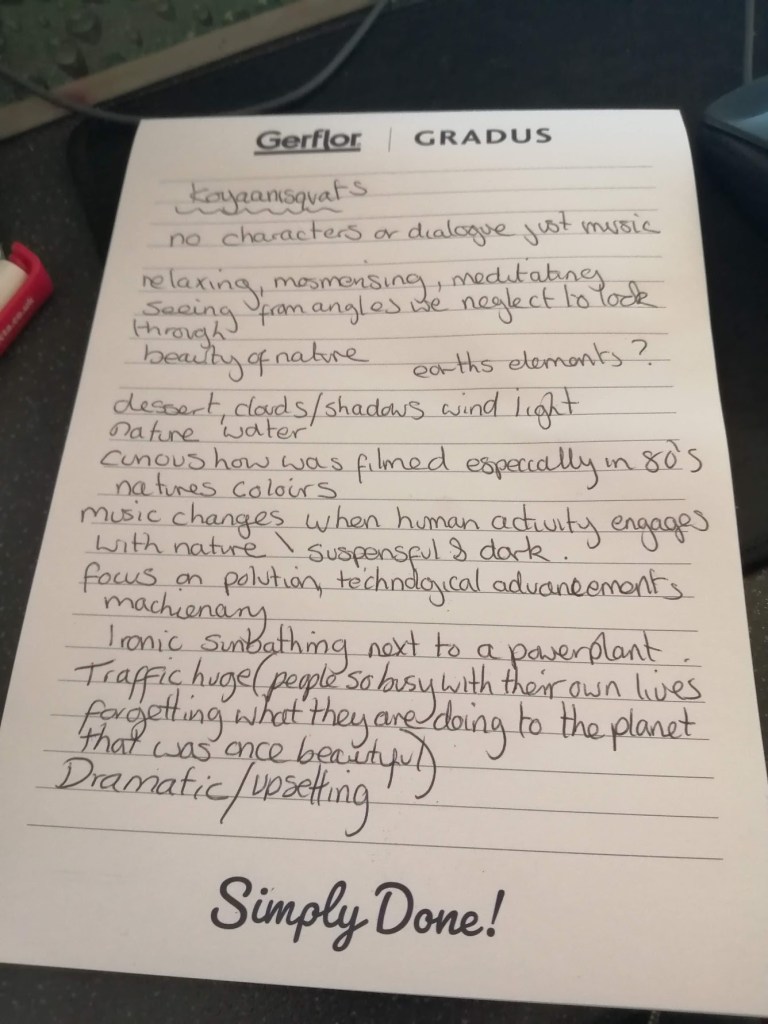
Next, I watched the film that is available at this link, https://watchdocumentaries.com/koyaanisqatsi/ and made notes whilst watching it.

Fig. 1 notes (2024)

The film is about a collection of visuals that capture a mix of natural landscapes, displaying all the different elements on our planet. It then transitions to scenes of human civilisation. From striking architecture to various technology advancements. The imagery I felt emphasises the profound impact of human activity. Throughout the film, there is a saddening emphasis on the damaging effects of pollution, warfare, and sights of abandoned structures. Sometimes parts of the film are sped up or slowed down which made it even more dramatic. Initially, I was apprehensive about how long the film is especially with it being only visuals and music. However, I found myself fascinated by the united relationship of the visuals and music.

Upon reaching the end of the film, I had a sense of sadness. It dawned on me how unknowingly, some of our actions over the years have brought devastation upon our world.

Next, whilst researching I found a documentary with Godfrey Reggio and Philip Glass explaining the making of the film.

It is an interesting video and it is clear Godfrey is a clever man with a high intellect. It was mentioned during the video “It is up to the viewer to decide on what they think about the film”. Godfrey also said “We live technology it is the air we breath, we are no longer conscious of its presents.” (Reggio, 2018).This statement is true and its is saddening to realise how we are so proud of our technological advancements but neglect to see the implications they are having.

Longplayer

Next, I looked at the work of Jem Finer’s project ‘Longplayer​’.

Researching the project Longplayer I discovered it is a unique piece of music designed to last 1,000 years, composed by Jem Finer, who is a musician and artist. It began playing by an algorithm played through a computer and was first played on 31st December in 1999 and will continue to play without any repetition until the year 2999. Apparently, the idea of the project was not about music but more about the experience of time. Longplayer resides in a lighthouse in Trinity Buoy Wharf in London.

Given the length of time this project is expected to last for causes various arguments for and against real-time viewing of Longplayer:

Arguments for real-time viewing of Longplayer.

Having music played nonstop for a millennium and considering the countless individuals who will have come and gone, who have heard and seen the music is quite remarkable. It’s a truly unique experience. Throughout the next millennium, viewers will be able to observe its progress. Experiencing Longplayer in real time might help people establish a relationship with time, as well as giving people space to reflect. It is evident from online research that people frequently travel great distances to visit Longplayer.

As can be seen in the video above, people are sitting about the bowls, enjoying the music, and even meditating there. As such, it provides a chance for people to join together and it makes it possible for people to gather, listen to the music, and converse about it. As a student myself, it is also a valuable educational tool allowing students to investigate and evaluate the artwork.

Arguments against real-time viewing:

Although I hope the project works, I don’t think the concept will last a millennium. People’s time will need to be dedicated to maintaining it. It’s also questionable if people will grow tired of the concept. One of the biggest issues I can see is the technical challenges that will come up. For instance, ensuring that it continues to play, adjusting to new technologies, and maintaining Longplayer.

Andy Goldsworthy’s sculptural practice.

Andy Goldsworthy is a British sculptor, photographer, and environmental artist known for his distinct sculptures and land art projects. His creations are often created in natural settings, including forests, riversides, and coastlines, and he frequently works with the environment, using materials sourced directly from the landscape such as rocks, leaves, branches, and ice. Through his art, Goldsworthy explores themes such as the relationship between humanity, nature and the passage of time.

Arguments For real-time viewing of Andy Goldworth’s artwork:

Goldsworthy’s art is about the concept of not lasting forever. People who viewing his work, with such a short time frame are reminded of the beauty of nature and its lifecycle and are given time to appreciate the natural world around them. Watching Andy work in realtime allows the viewer to understand his working practice and therefore gain an appreciation for his art. Also, stumbling across his work would create more of a sense of excitement. A friend of mine has been doing similar art whilst on her walks in the Forest of Dean, people are always excited to see and find her designs.

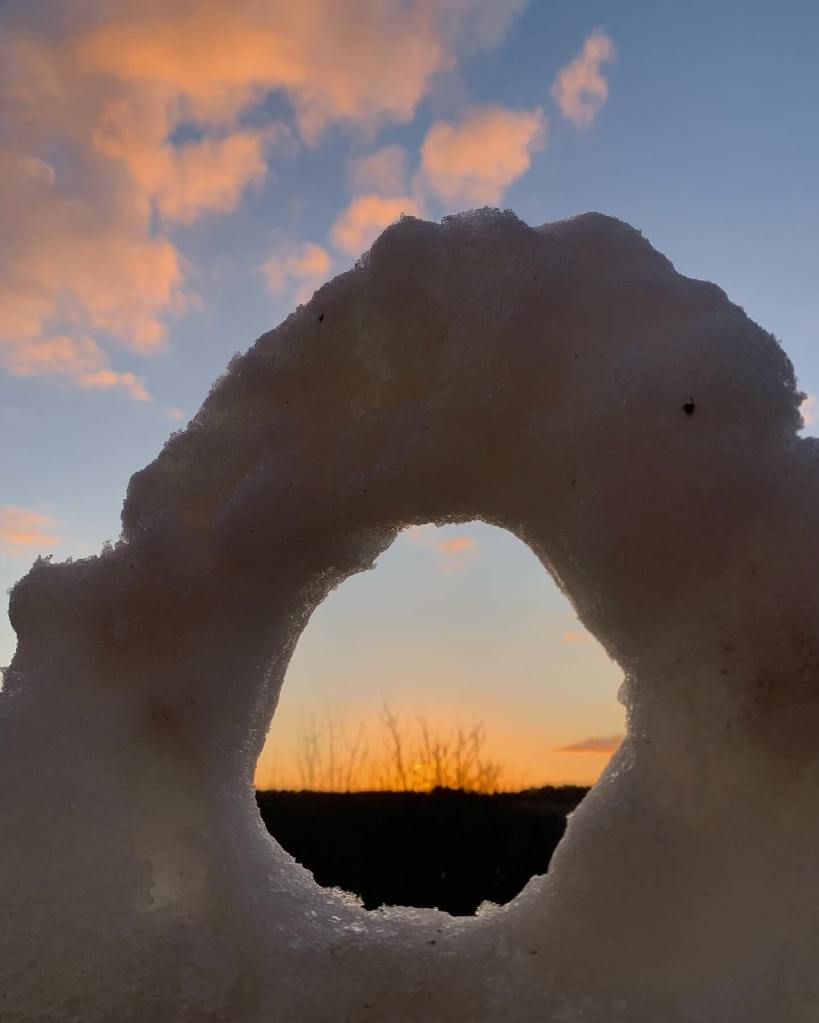
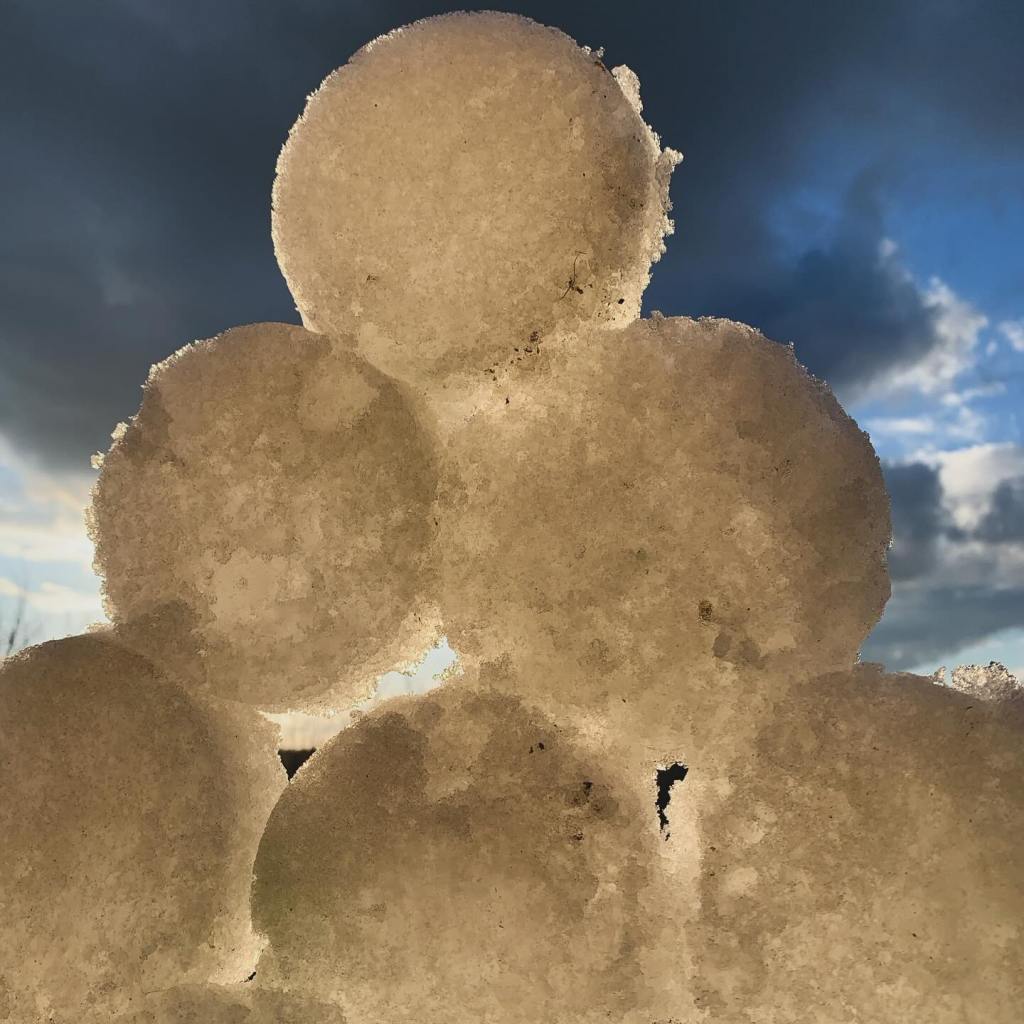
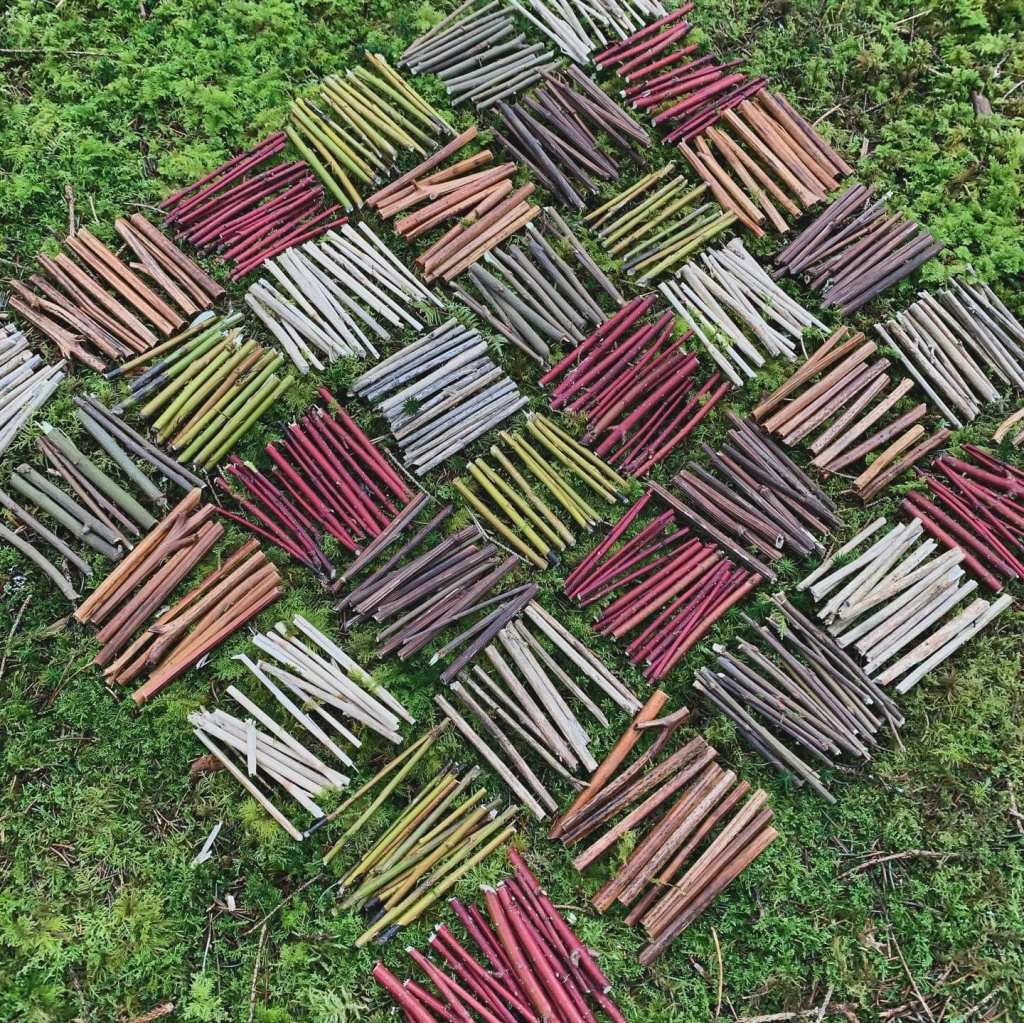
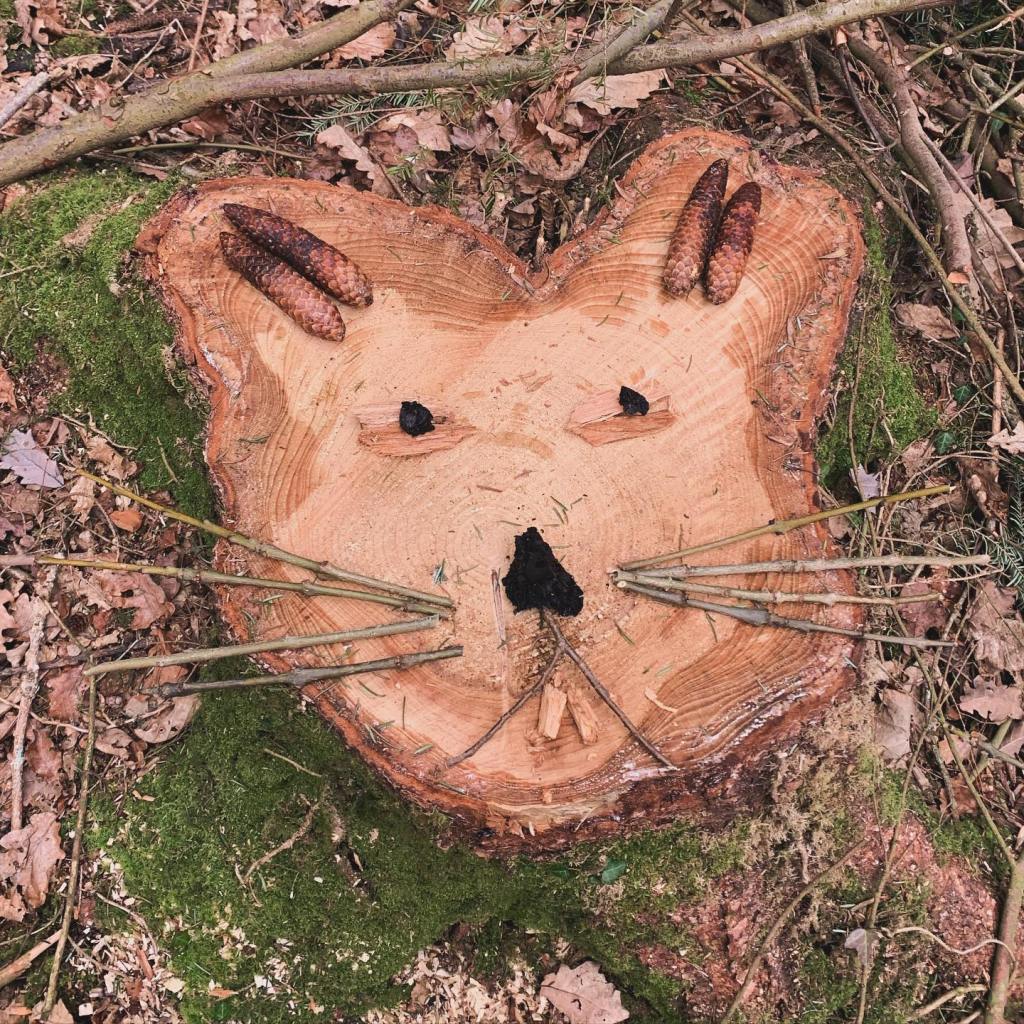
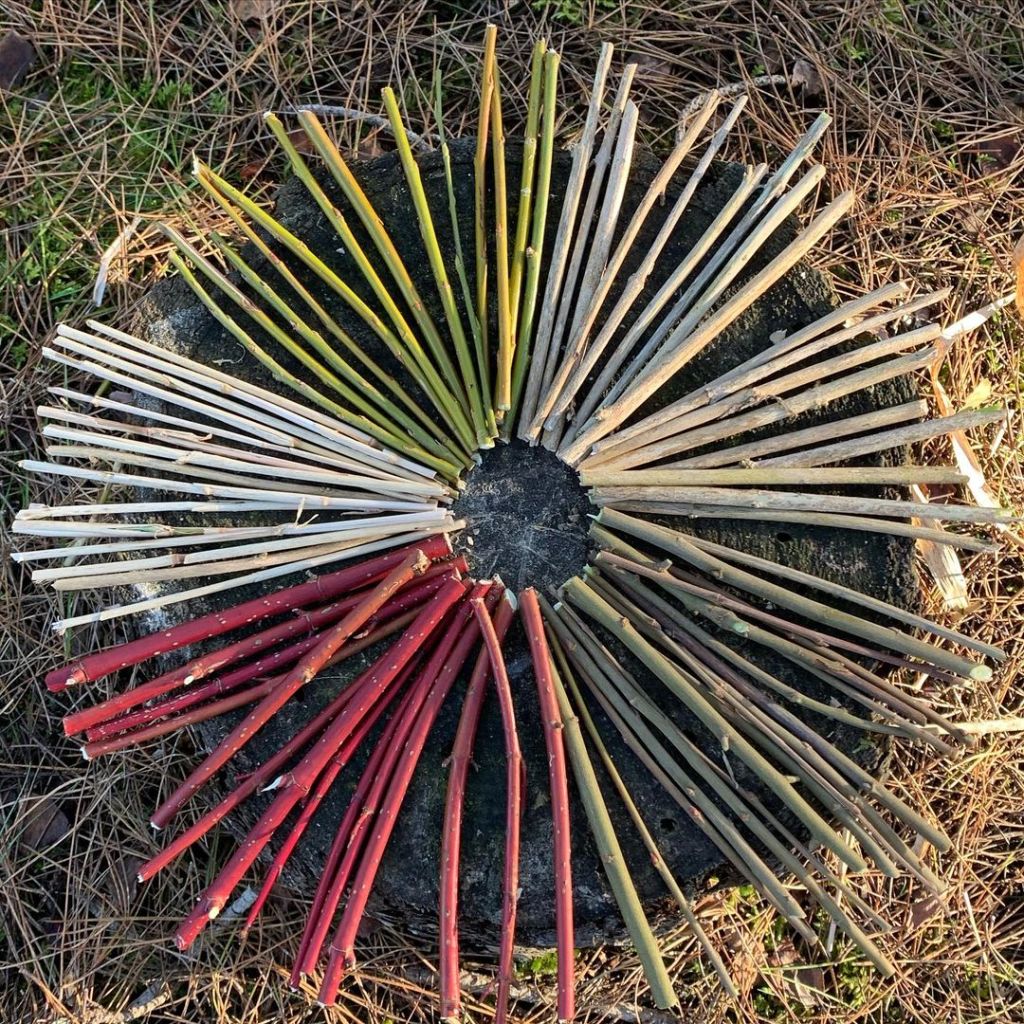
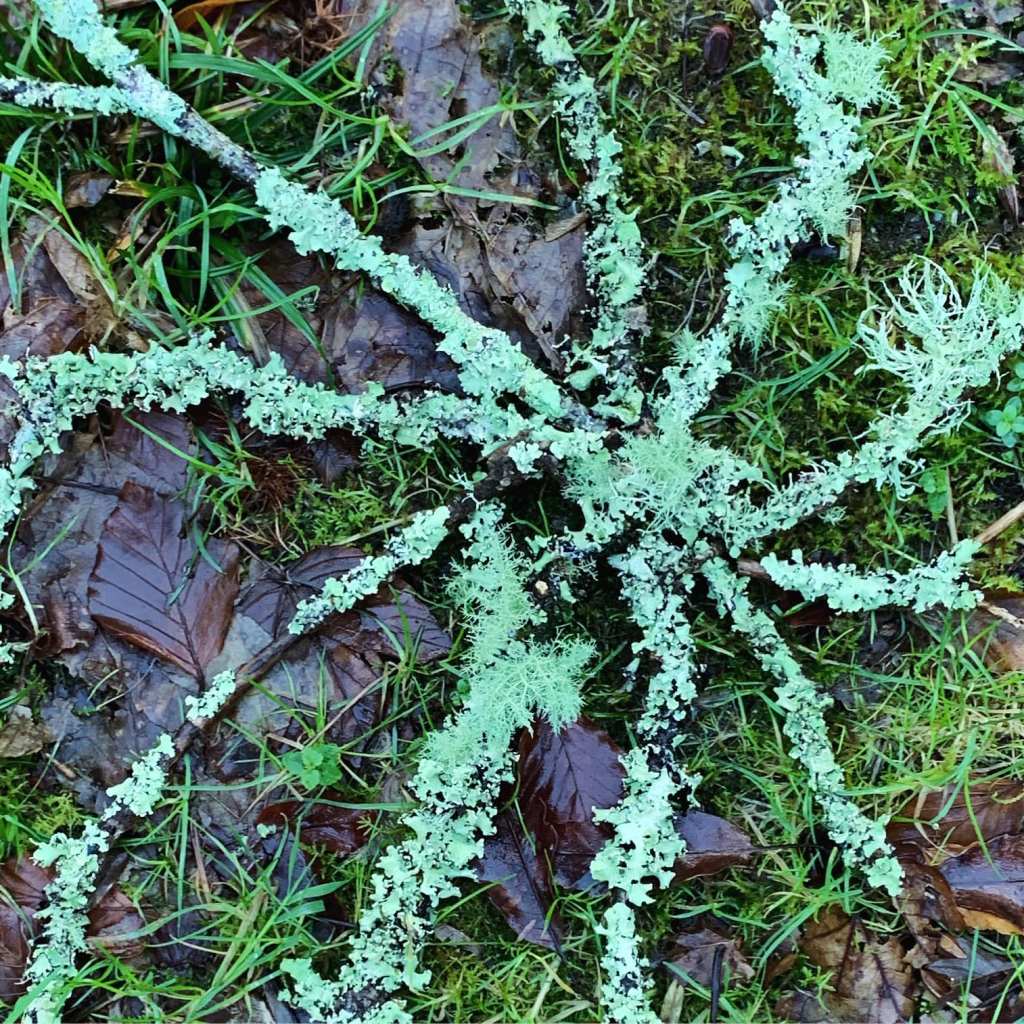
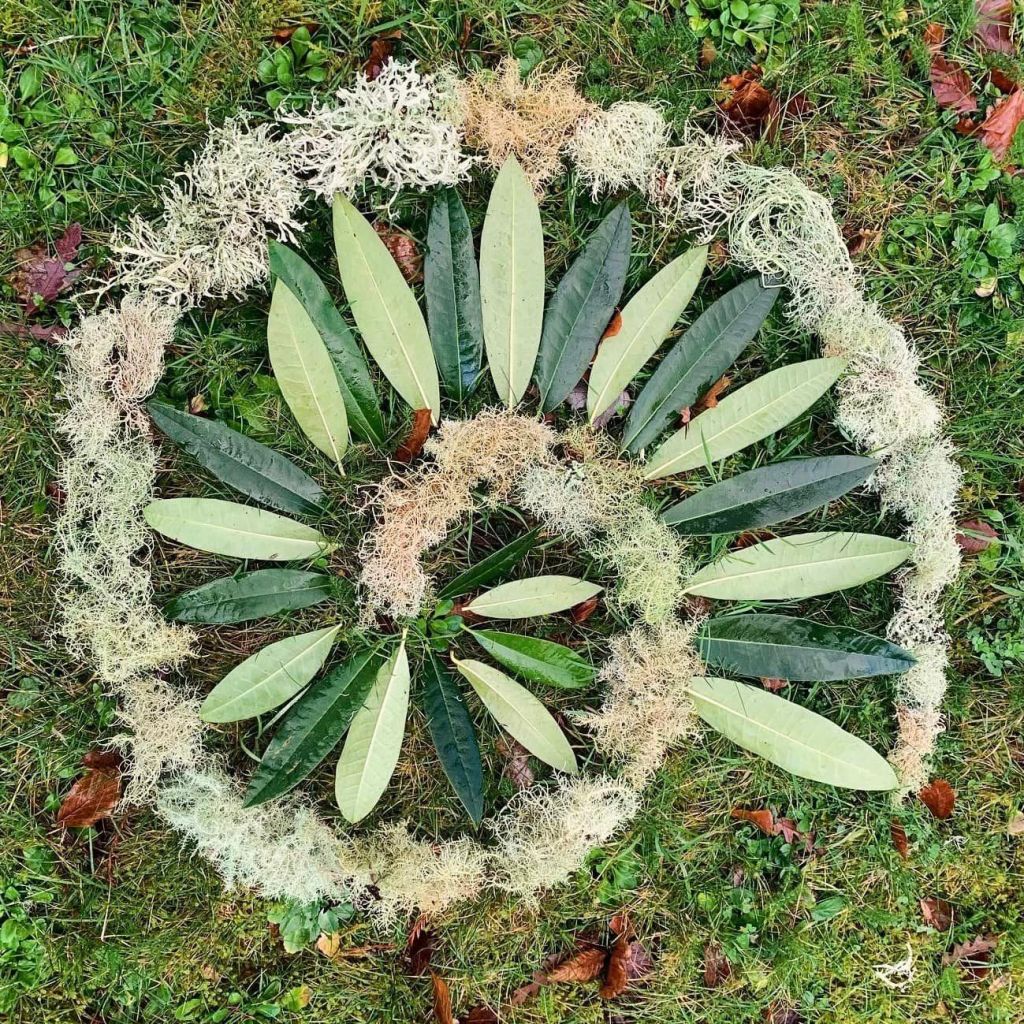
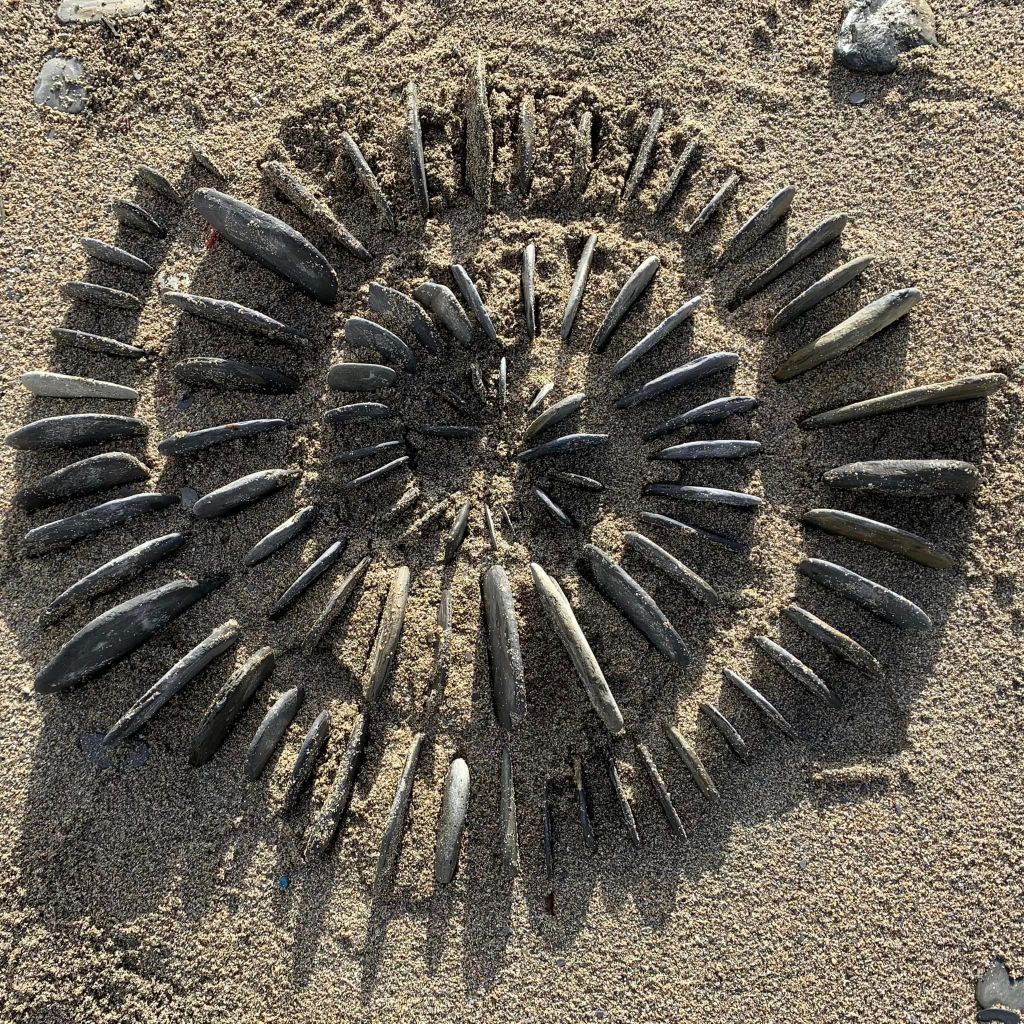
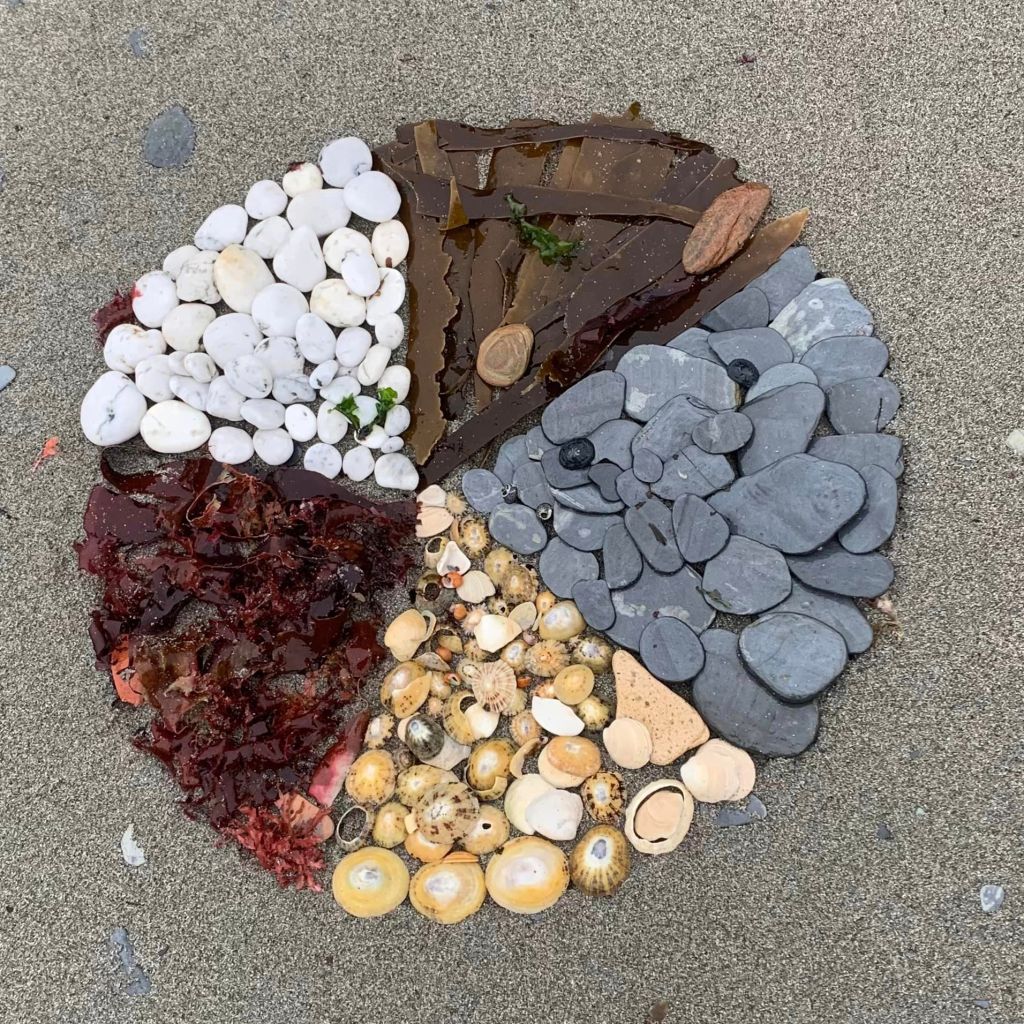
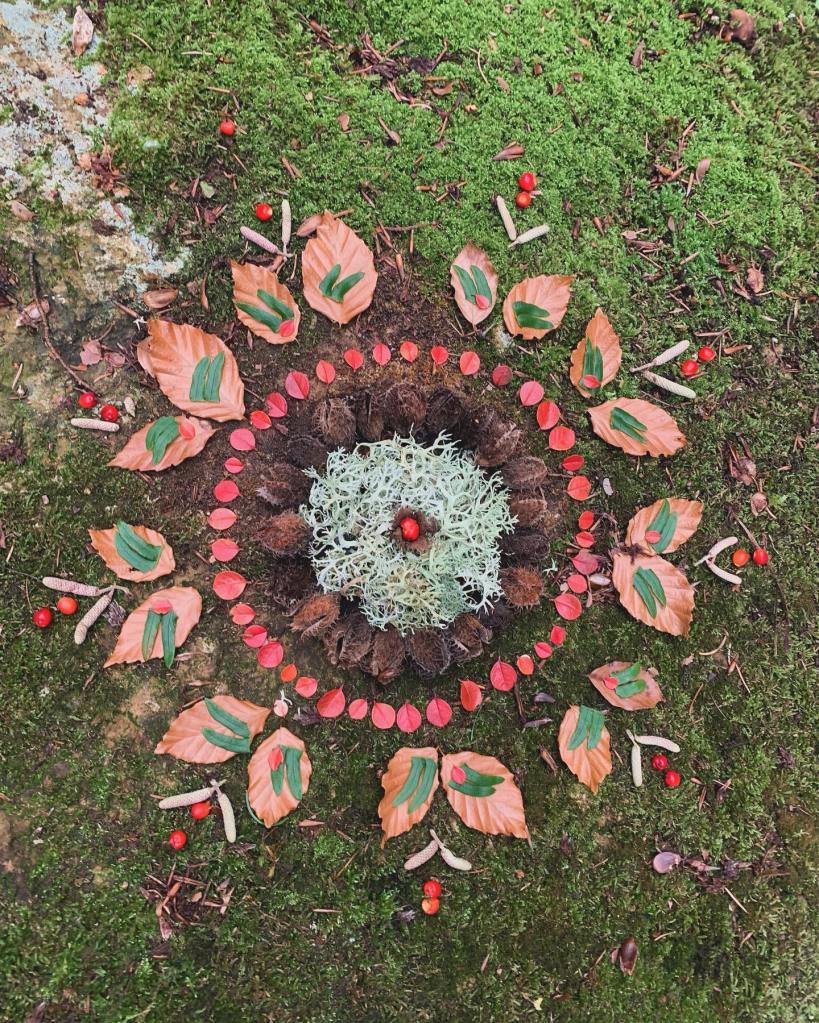
Below shows photographs of my friend Alisa Swanson’s artwork which I think is similar to Andy Goldsworth’s style.

Alisa Swanson’s artworks

Fig. 2 Snow circle (2024)
Fig. 3 Snowballs (2024)
Fig. 4 Patchwork sticks (2024)
Fig. 5 Animal face (2024)
Fig. 6 Coloured stems (2024)
Fig. 7 Moss (2024)
Fig.8 Leaf snail (2024)
Fig. 9 Pebbles (2024)
Fig. 10 Seaside circle (2024)
Fig. 11 Autumn (2023)

Arguments Against Real-Time Viewing:

Focusing on Goldsworthy’s real-time process may distract from the final artwork itself. Instead of appreciating the completed piece, viewers may become fixated on the artist’s actions.

From my own experience when I have had people watch me in real time create art work I have found it disrupting and distracting. Which possibly could affect his final artwork. The presence of an audience or observers may influence the artist’s decisions or alter the intended outcome of the artwork. However, this is a personal thought, and he may not feel this way when creating his works. Also, by watching him work there would be no mystery or excitement compared to stumbling upon it.

Marina Abramovic performance The Artist is Present’​ 

Out of all the people and creations I have researched this one personally is the most bizarre. The artist Marina Abramovic, sat motionless at a wooden table in a museum located in New York City, in 2010. Visitors were invited to sit across from her one at a time. The visitors were free to sit with her for as long as they wished, and they were encouraged to make eye contact with Abramović during their time together. This performance lasted 8 hours a day for three months.

However, when I watched the clip below, it made me reconsider my initial impressions of the performance. It was truly emotional and made me think is there more about the whole process of this project then I first thought. As Marina sat ready to meet her first guest she was unexpectedly greeted by her ex boyfriend and they sat for a minute gazing into each other’s eyes.

After careful consideration, I now believe through her art she is teaching people to be present in the moment, quiet their minds and to find time to connect with themselves and others. As most of the time people are so busy in their own fast pace lives they do not experience times like these. I also think it shows dedication and endurance from Marina to do such a project. After the effects of Covid it would be good to see how the same experience would affect people if they took part in the performance in 2024.

 While I was researching, I discovered some of Abramovic’s earlier works. One was her performance in the 1974 production of Rhythm 0. This performance scared and stunned me possibly even contributed to a nightmare I had the following night of reading about it. Without getting into specifics of the performances, I can say that she is devoted to her work as a performance artist and is willing to push herself to the limit.

Tehching Hsieh

Again, I was surprised by the next artist and his dedication to his art. Tehching Hsieh, is a Taiwanese artist most known for his five One Year Performances’​  These works are known as the following:

  • Cage
  • Time Clock
  • Outdoor
  • Rope
  • No Art

Time Clock

Below is a small documentary, discussing the work produced while creating the project, Time Clock. For this performance Tehching, punched a time clock every hour, for a whole year. Each hour he photographed himself which resulted in thousands of photos documenting the process. These photos were then sped up using film, that gave a better idea of the hardships he faced. Such as never having slept longer than fifty minutes, in a whole year. The philosophy of this piece was to document the passage of time. In his own words “You consume time until you die, every minute, every hour is different, you cannot go back, every time is different but also the same thing.” (Hsieh, 2014). In all of his performances he has pushed the boundaries of art and endurance, provoking viewers to consider the nature of time.

Next, I watched an interesting documentary of Tehching Hsieh, talking about all of the above works and his life story.

Reflection

From researching all of the above creators, a similarity can be seen between them all which is, their intention for the viewers to slow down and engage in a moment of shared presence, allowing for a deeper exploration of either the environment, time elapsing or the human experience within our world.

References

Berry, M. (2022). The Path of Performance: in Conversation with Tehching Hsieh. [online] http://www.youtube.com. Available at: https://youtu.be/DI7TjiHdEOQ [Accessed 11 Mar. 2024].

Blumberg, N. (2018). Andy Goldsworthy | Biography, Art, & Facts. In: Encyclopædia Britannica. [online] Available at: https://www.britannica.com/topic/Andy-Goldsworthy.

Borges, D. (2023). Marina Abramovic and Ulay – a Minute of Silence / the Artist Is Present (MoMA 2010 Performance HD). [online] http://www.youtube.com. Available at: https://youtu.be/op_AGbEBMro [Accessed 11 Mar. 2024].

Cohen, A. (2023). Andy Goldsworthy: Co-Authorship With the Earth through Land Art. [online] TheCollector. Available at: https://www.thecollector.com/who-is-andy-goldsworthy/.

Lader, R. (2013). The Artist Is Present and the Emotions Are Real: Time, Vulnerability, and Gender in Marina Abramovic’s Performance Art» Writing Program» Boston University. [online] http://www.bu.edu. Available at: https://www.bu.edu/writingprogram/journal/past-issues/issue-6/lader/.

Levin, J., Eshun, K., Wertheim, C. and Wertheim, M. (2019). Longplayer. [online] Longplayer.org. Available at: https://longplayer.org.

Mramoeba (2023). Longplayer. [online] Wikipedia. Available at: https://en.wikipedia.org/wiki/Longplayer [Accessed 10 Mar. 2024].

O’Hagan, S. (2010). Interview: Marina Abramović. [online] The Guardian. Available at: https://www.theguardian.com/artanddesign/2010/oct/03/interview-marina-abramovic-performance-artist [Accessed 11 Mar. 2024].

Payne, C. (2009). LongPlayer Live. [online] http://www.youtube.com. Available at: https://youtu.be/NhEI3FEvxU0 [Accessed 11 Mar. 2024].

Qatsi, K. (2001). Koyaanisqatsi. [online] Wikipedia. Available at: https://en.wikipedia.org/wiki/Koyaanisqatsi [Accessed 10 Mar. 2024].

Reggio, G. (1982). Koyaanisqatsi (1982) | Watch Free Documentaries Online. [online] Watchdocumetaries. Available at: https://watchdocumentaries.com/koyaanisqatsi/.

Reggio, G. and Glass, P. (2018). Godfrey Reggio & Phillip Glass on ‘Koyaanisquatsi’Filmschoolarchive. Available at: https://youtu.be/PK03KKcdzl0?si=rRnSmHL67r0hbLLg [Accessed 10 Feb. 2024].

Royal Academy of Arts (2023). Marina Abramović | Exhibition | Royal Academy of Arts. [online] http://www.royalacademy.org.uk. Available at: https://www.royalacademy.org.uk/exhibition/marina-abramovic [Accessed 11 Mar. 2024].

Sheetz, K. (2019). Hopi | People. In: Encyclopædia Britannica. [online] Available at: https://www.britannica.com/topic/Hopi.

Tehching Hsieh: One Year Performance 1980-1981 (201). Tehching Hsieh: One Year Performance 1980-1981. [online] YouTube. Available at: https://youtu.be/tvebnkjwTeU.

Tehching Hsieh: One Year Performance 1980-1981 (2014b). Tehching Hsieh: One Year Performance 1980-1981. [online] YouTube. Available at: https://youtu.be/tvebnkjwTeU.

Illustration list

Fig. 1 Fowler, G (2024) Notes. [Photograph] In possession of: Fowler, G: Forest of Dean, Gloucestershire.

Fig. 2 Swanson, A (2024) Snow circle. [Photograph] In possession of: Swanson, A: Forest of Dean, Gloucestershire.

Fig. 3 Swanson, A (2024) Snowballs. [Photograph] In possession of: Swanson, A: Forest of Dean, Gloucestershire.

Fig. 4 Swanson, A (2024) Patchwork sticks. [Photograph] In possession of: Swanson, A: Forest of Dean, Gloucestershire.

Fig. 5 Swanson, A (2024) Animal face. [Photograph] In possession of: Swanson, A: Forest of Dean, Gloucestershire.

Fig. 6 Swanson, A (2024) Coloured stems. [Photograph] In possession of: Swanson, A: Forest of Dean, Gloucestershire.

Fig. 7 Swanson, A (2024) Moss. [Photograph] In possession of: Swanson, A: Forest of Dean, Gloucestershire.

Fig. 8 Swanson, A (2024) Leaf snail. [Photograph] In possession of: Swanson, A: Forest of Dean, Gloucestershire.

Fig. 9 Swanson, A (2024) Pebbles. [Photograph] In possession of: Swanson, A: Forest of Dean, Gloucestershire.

Fig. 10 Swanson, A (2024) Seaside circle. [Photograph] In possession of: Swanson, A: Forest of Dean, Gloucestershire.

Fig. 11 Swanson, A (2024) Autumn. [Photograph] In possession of: Swanson, A: Forest of Dean, Gloucestershire.