WARNING!
CONTENT CONTAINS SOME EXPLICIT IMAGES DUE TO LIFE DRAWINGS OF NAKED MODELS.
Option one: Rapid Portraits
Brief:
For this exercise, I had to use a modelling material to produce a range of rapid portraits. With a maximin time of three minutes for each model.
To begin the exercise, I printed off a selection of portrait expressions from the internet that I wanted to try and capture. From this reference photo, I picked ten to try and model with my selected material.
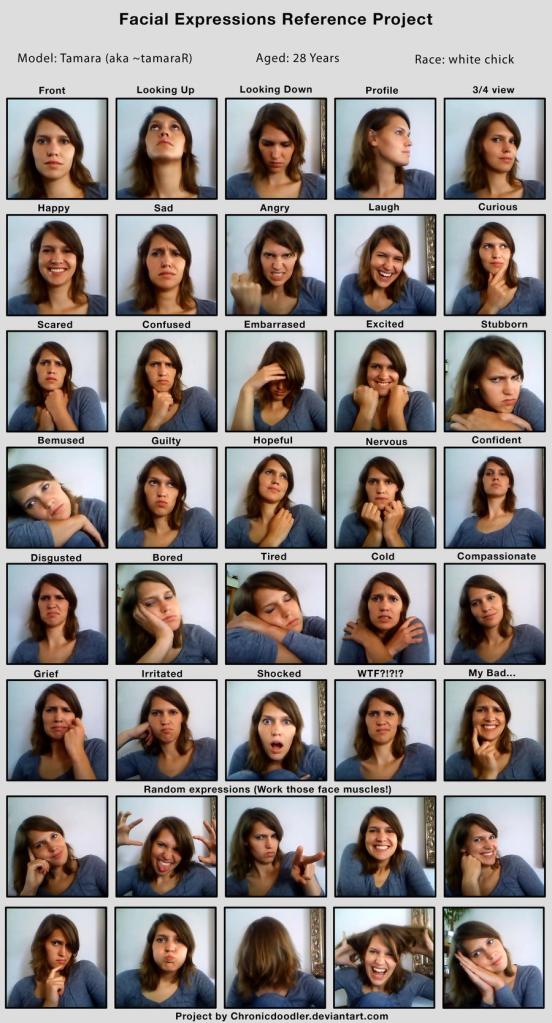
Fig. 1 Facial Expressions reference project (2012)
Next, I gathered some of my son’s plasticine modelling clay that he uses for animation purposes, some modelling tools and put a three-minute timer on my laptop.
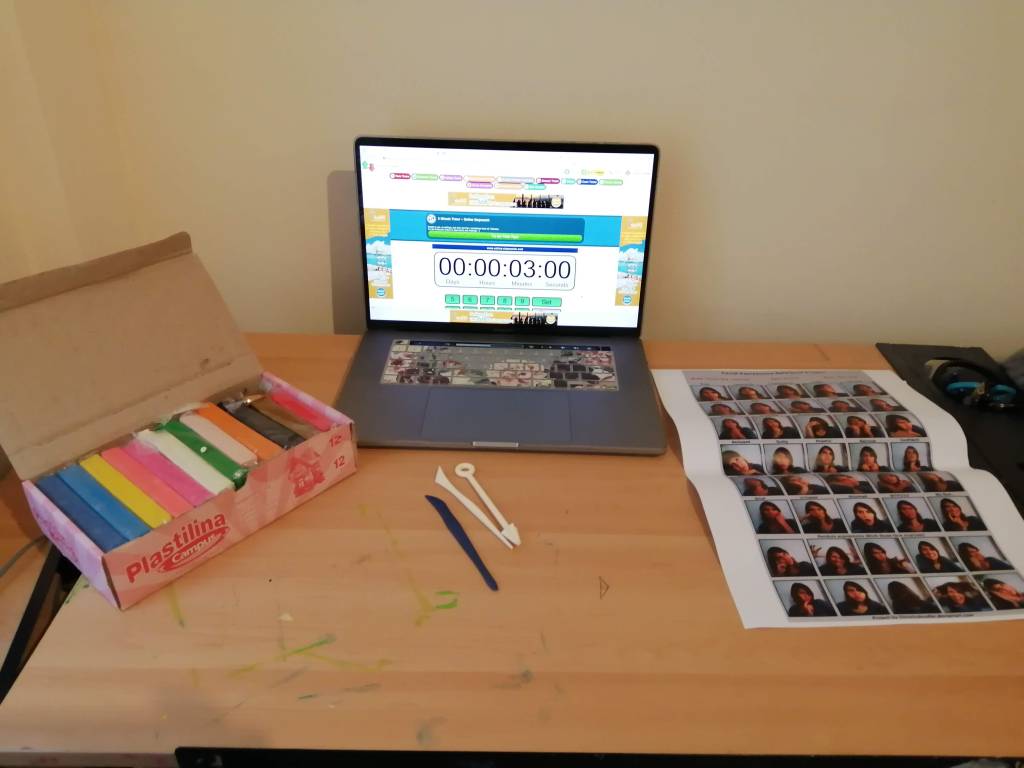
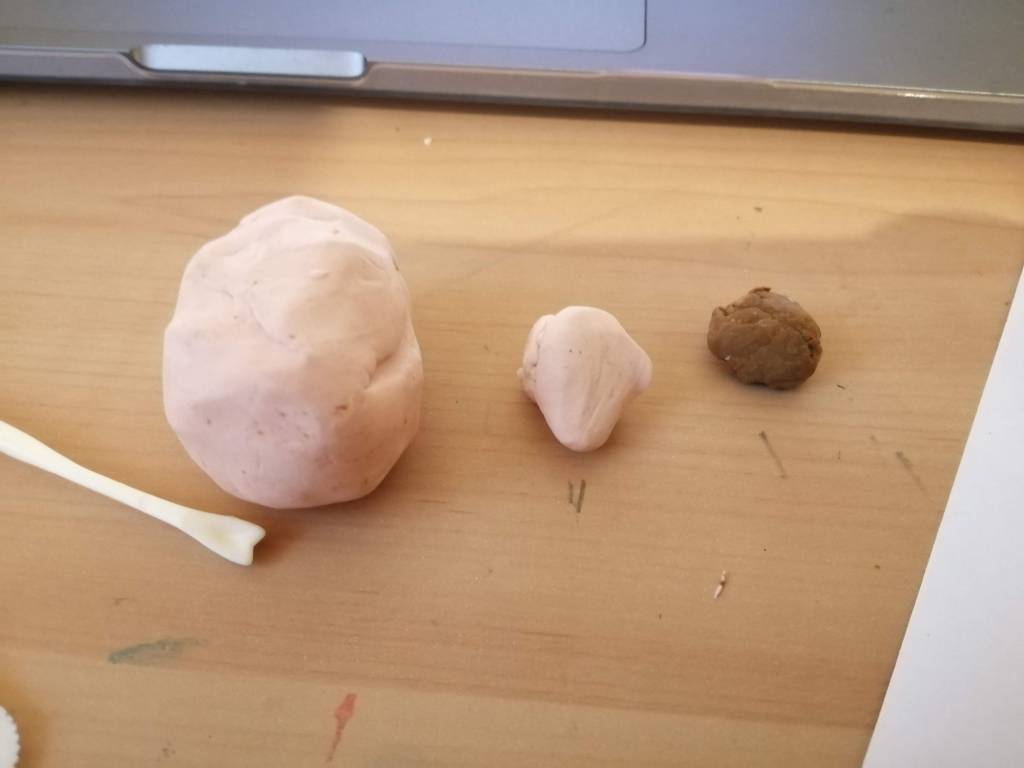
Fig. 2 Materials (2024)
Below are ten facial expressions I tried to capture with my portrait models.
Shocked


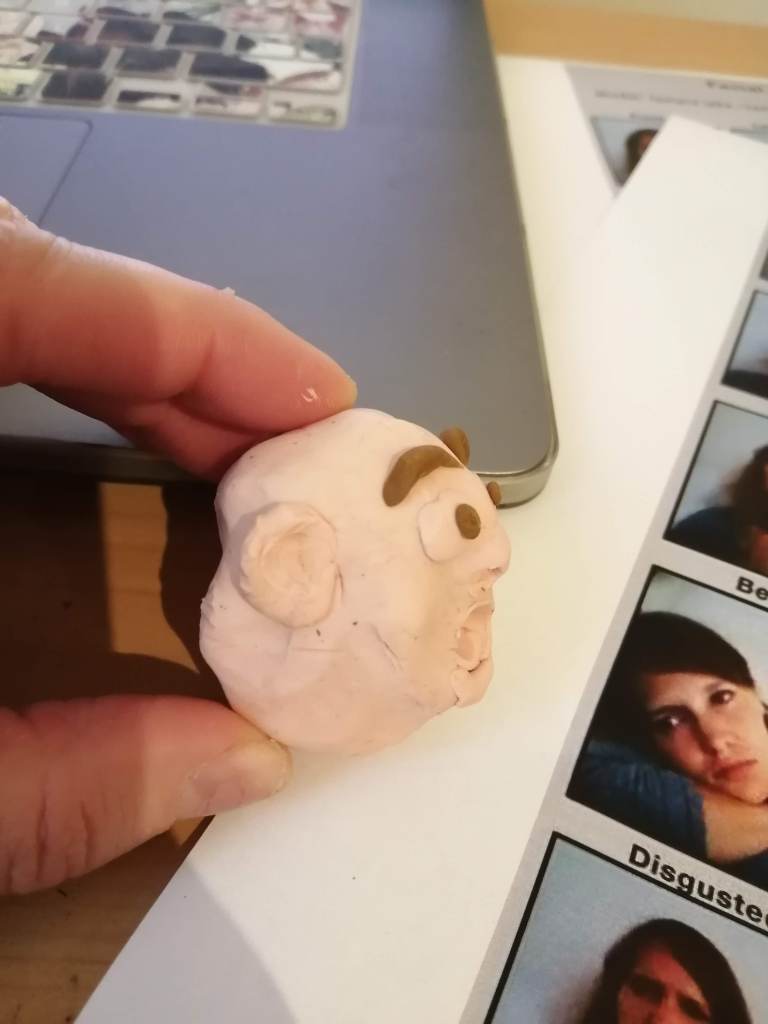
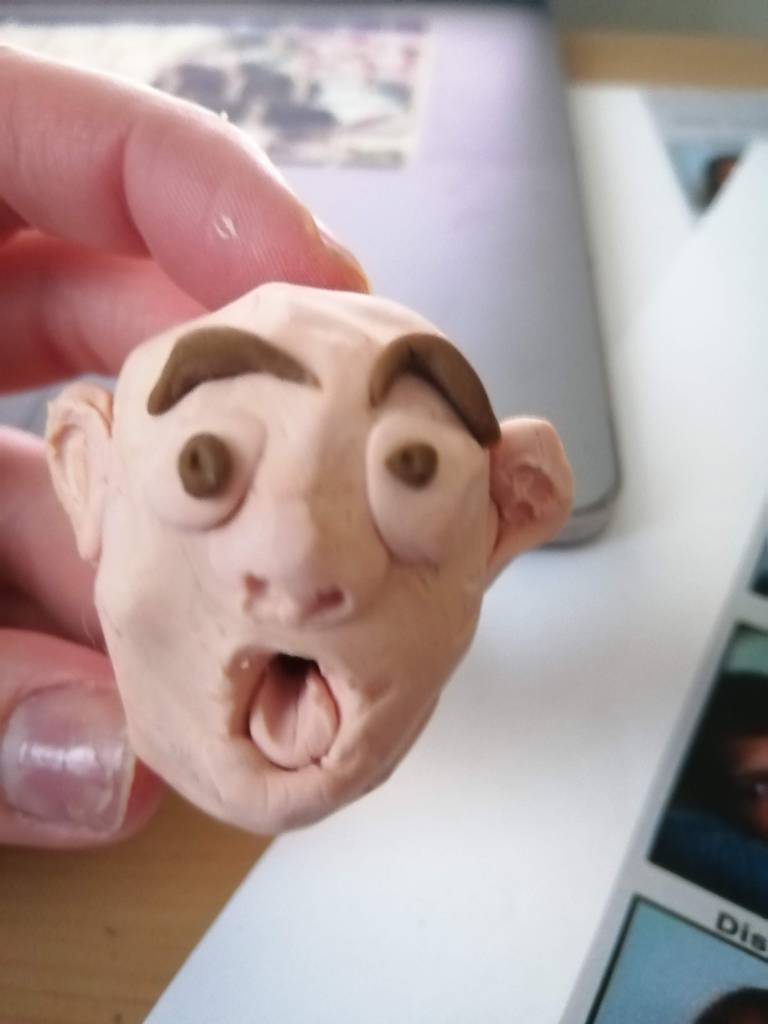
Fig.3 Shocked (2024)
Tired
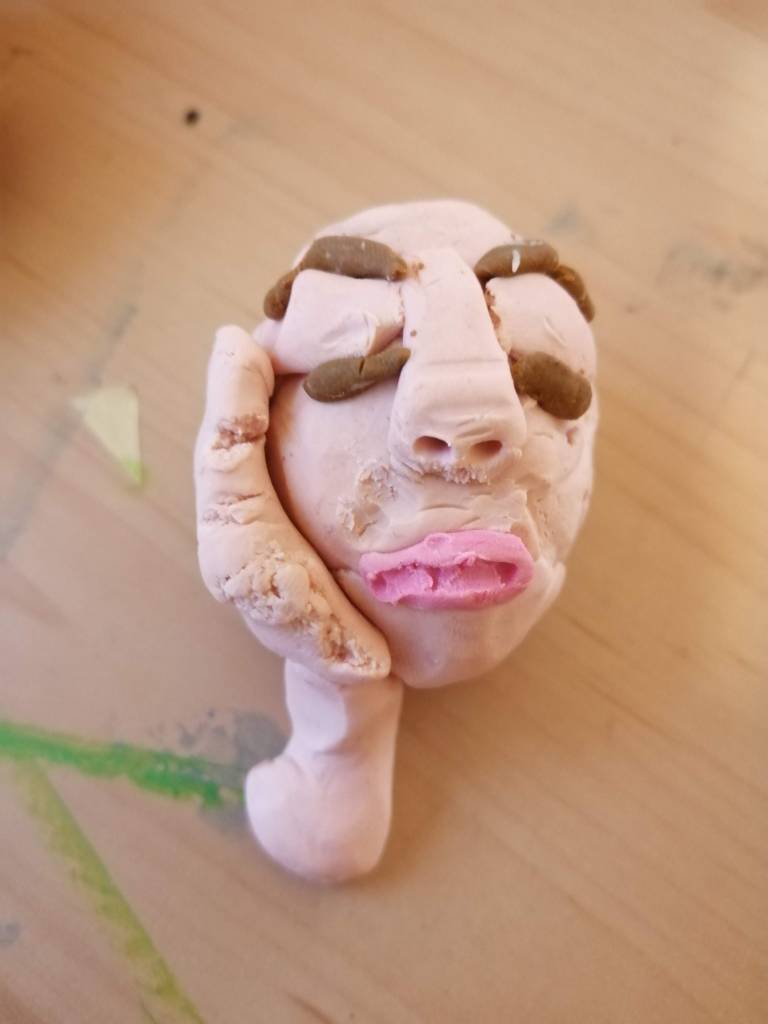
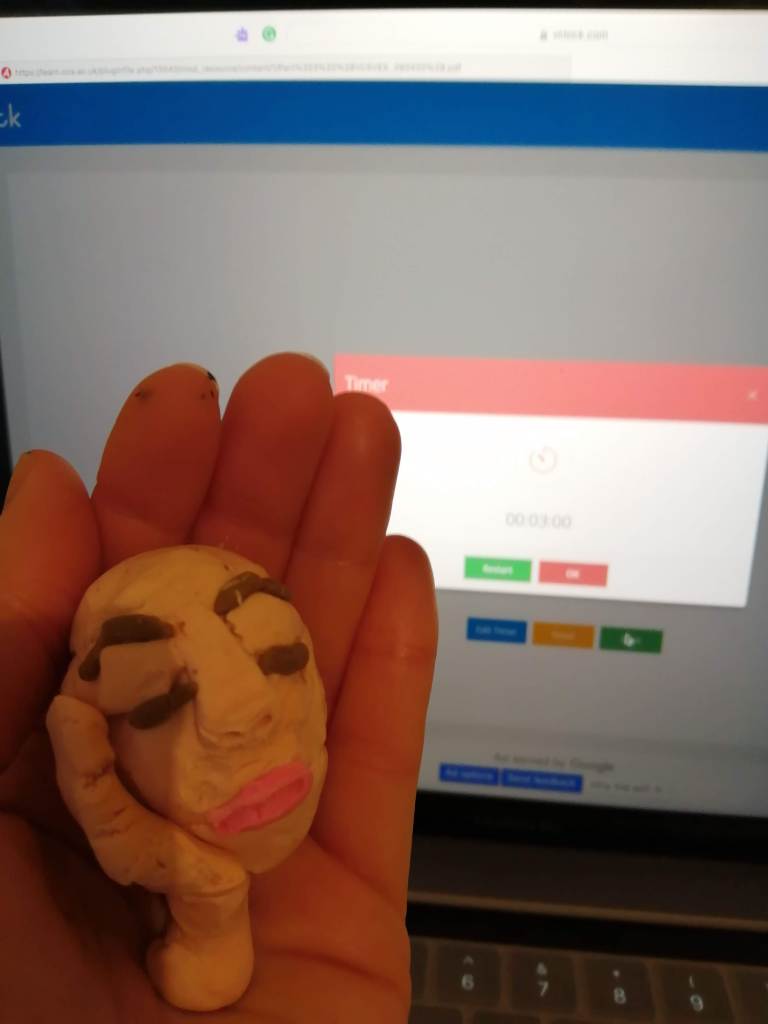
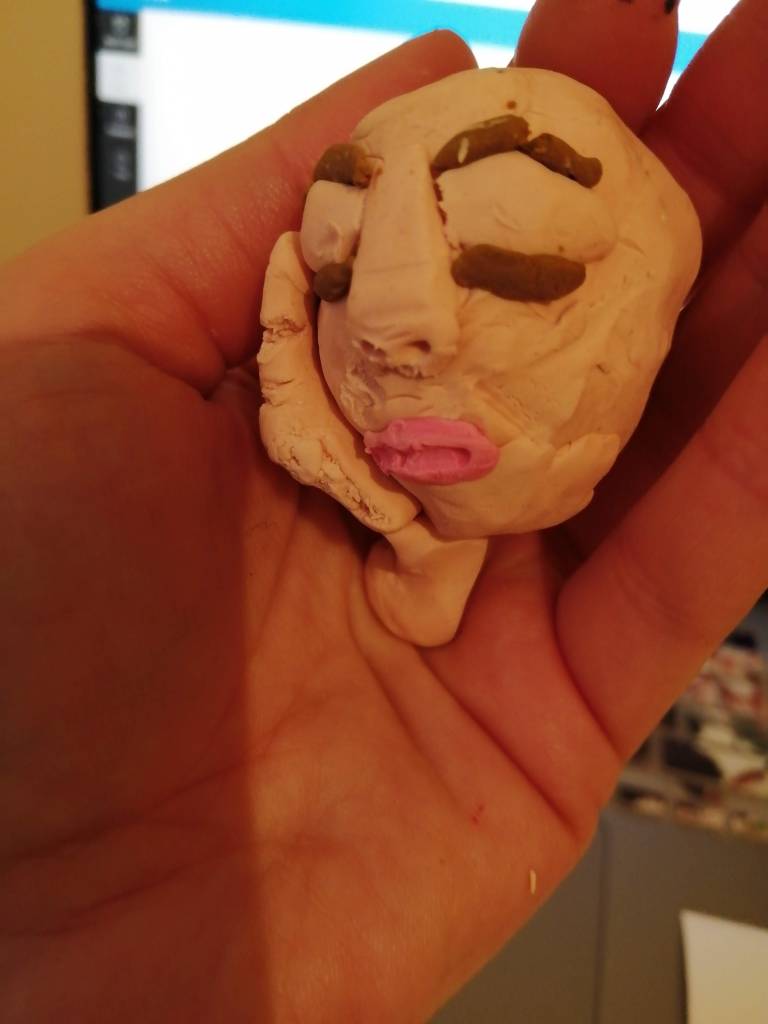
Fig.4 Tired (2024)
Holding breath
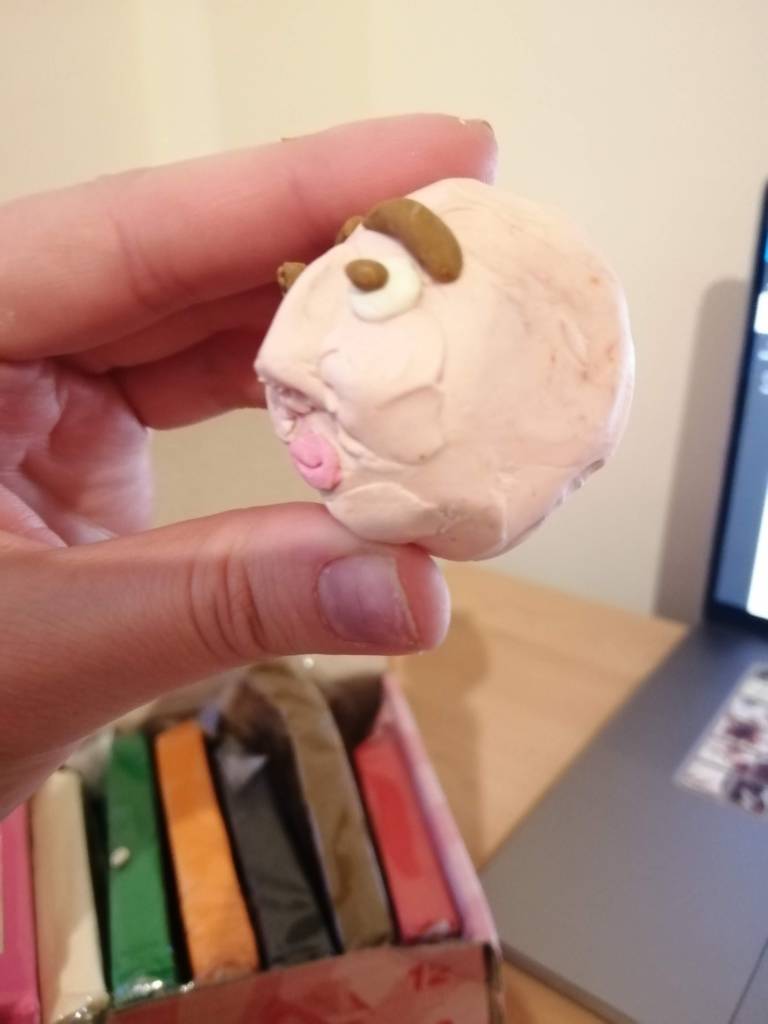
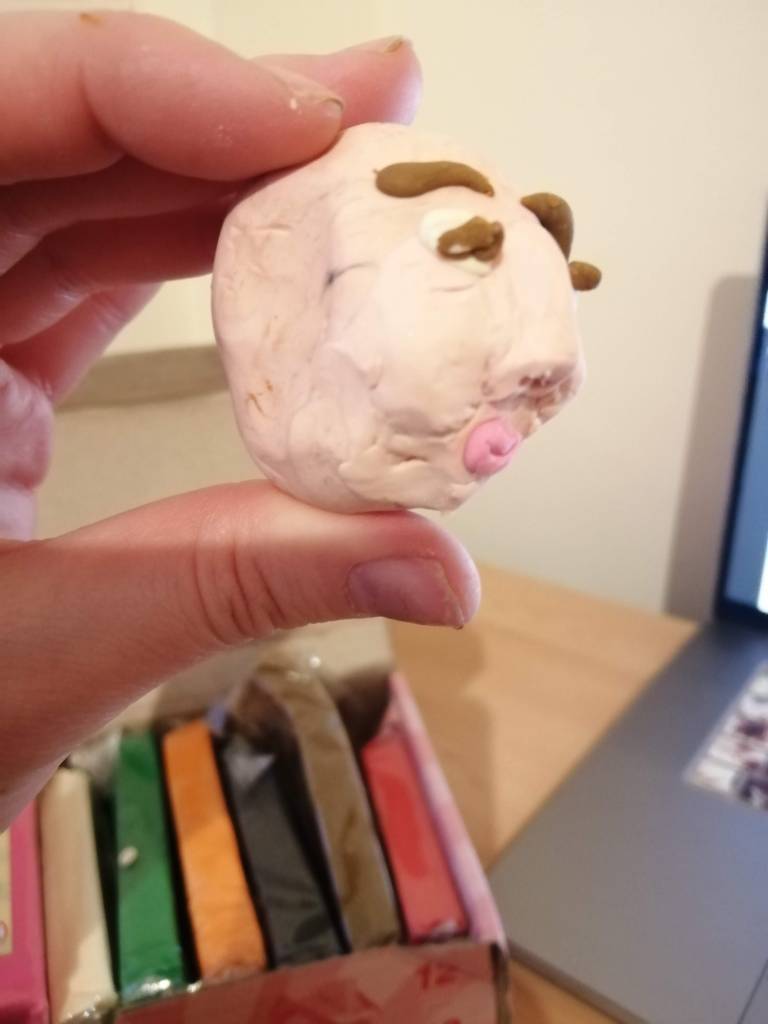

Fig. 5 Holding Breath (2024)
Angry
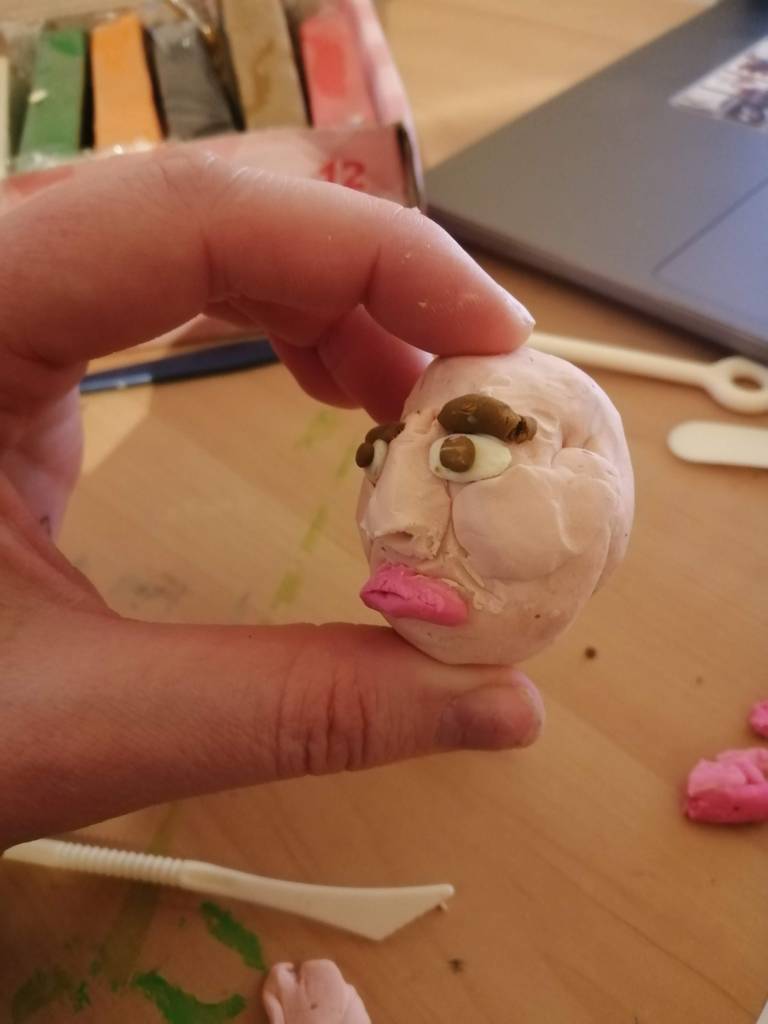
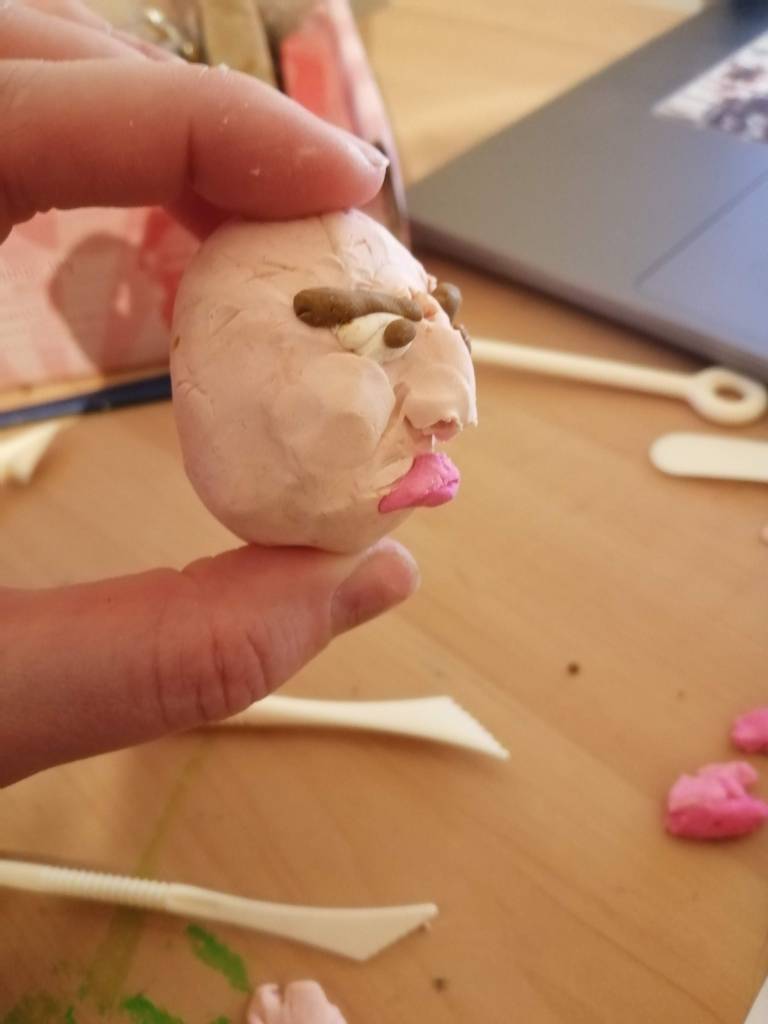
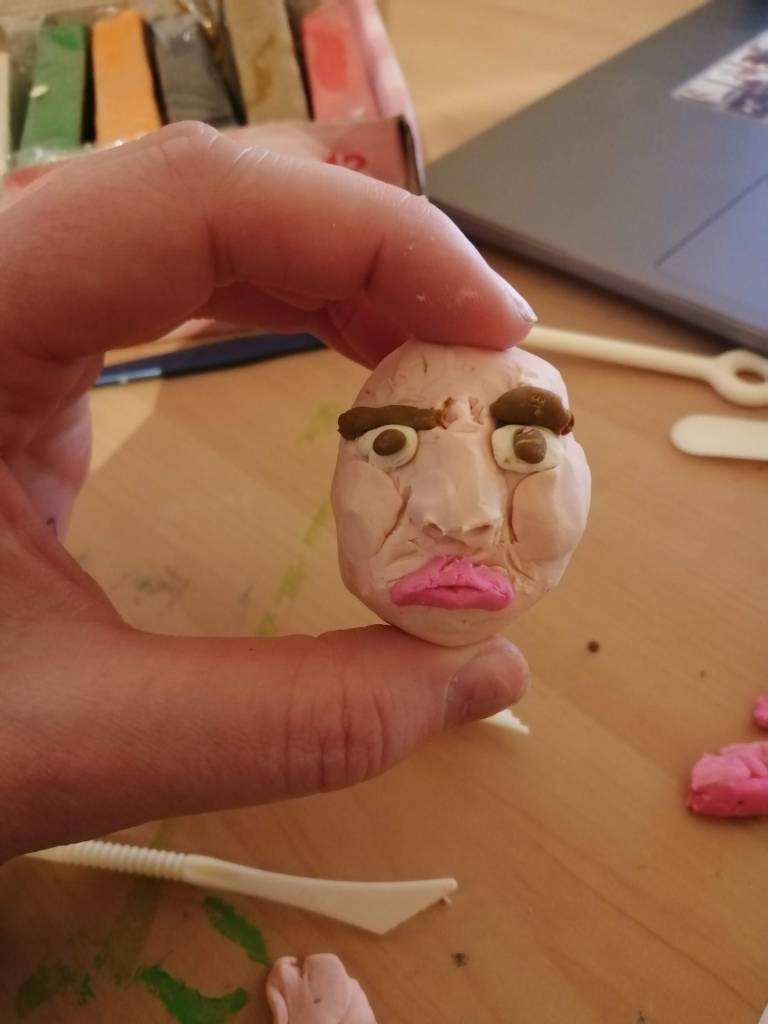
Fig. 6 Angry (2024)
Resting face
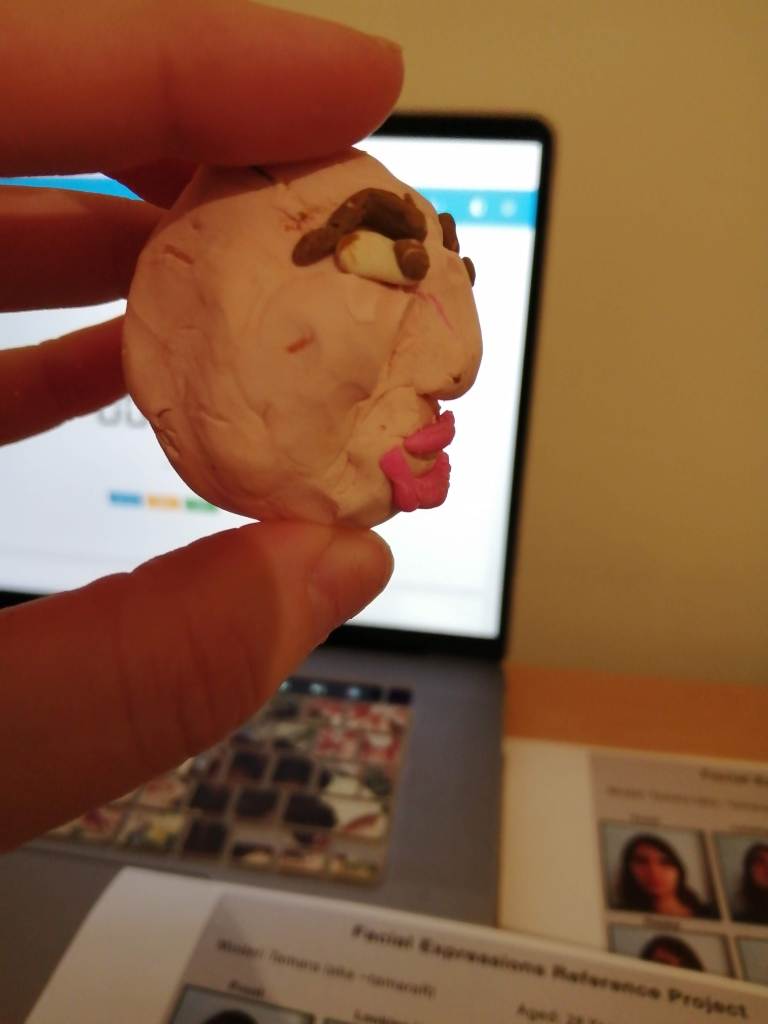
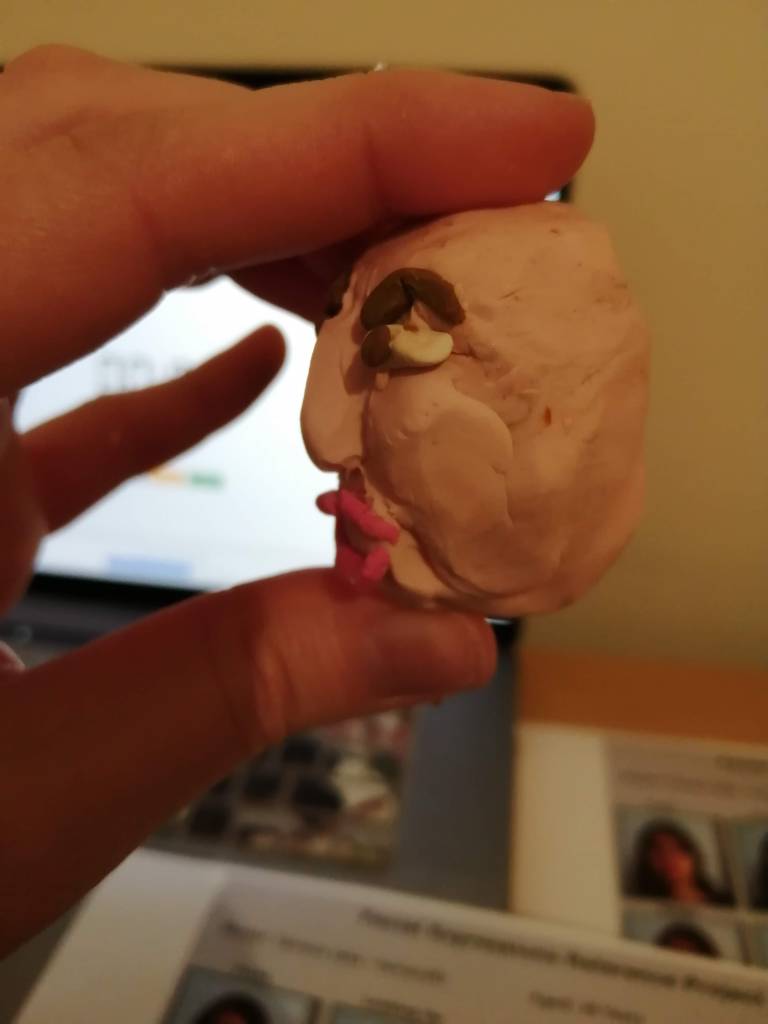

Fig. 7 Resting face (2024)
Scared
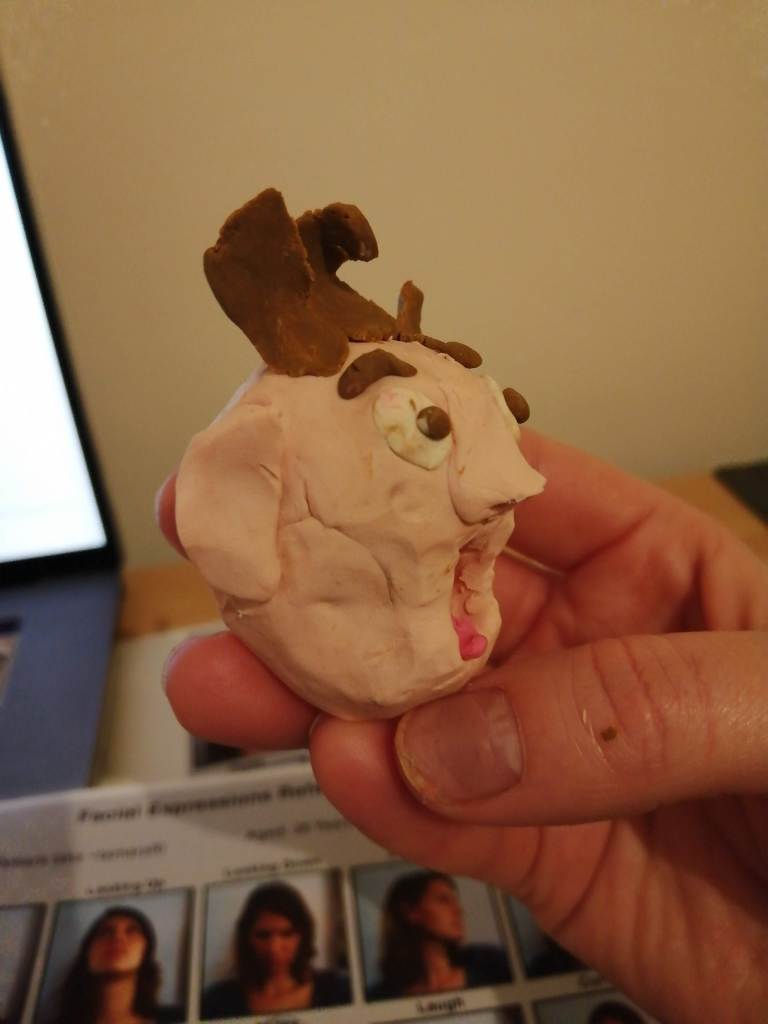
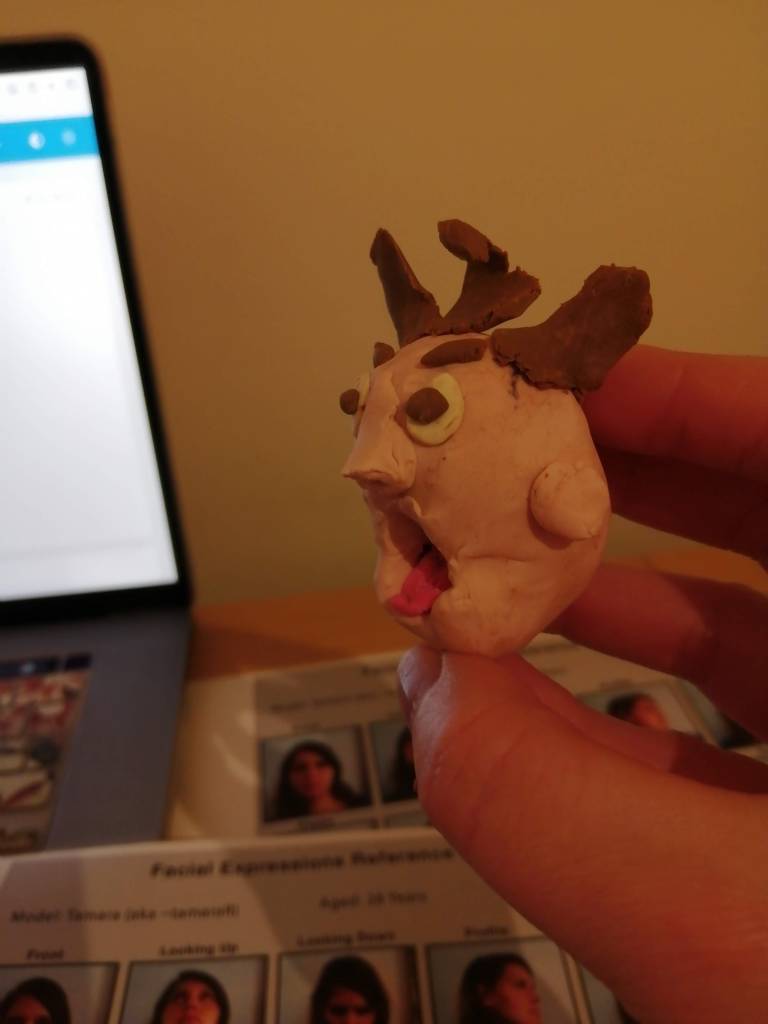

Fig.8 Scared (2024)
Laughing
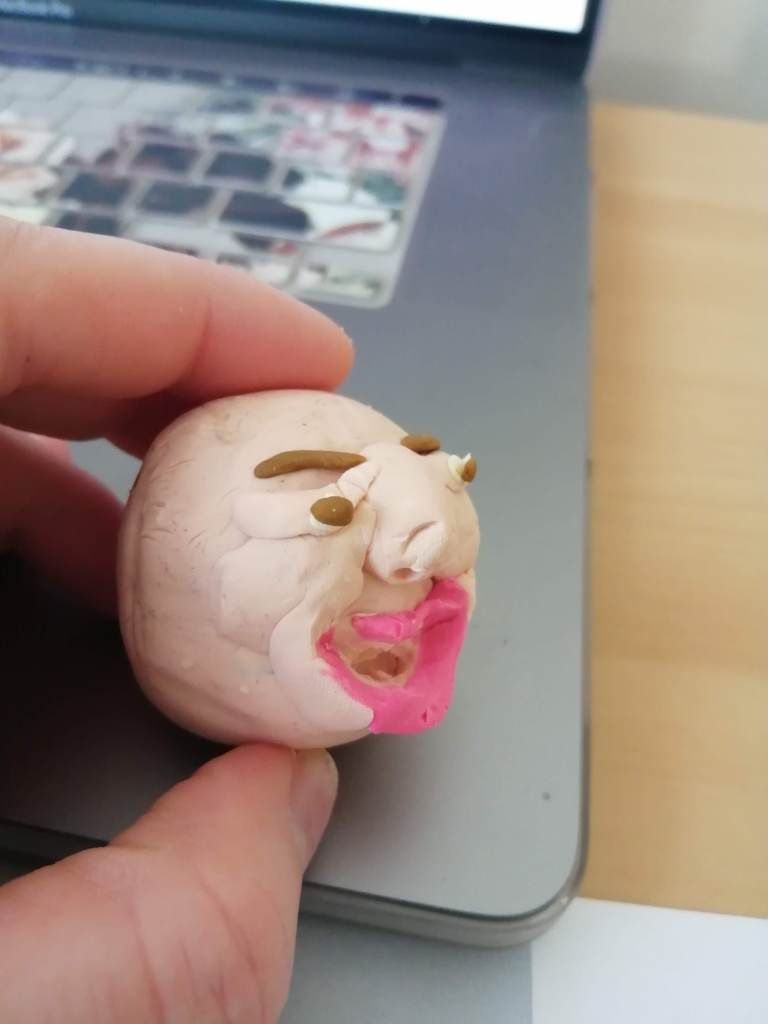
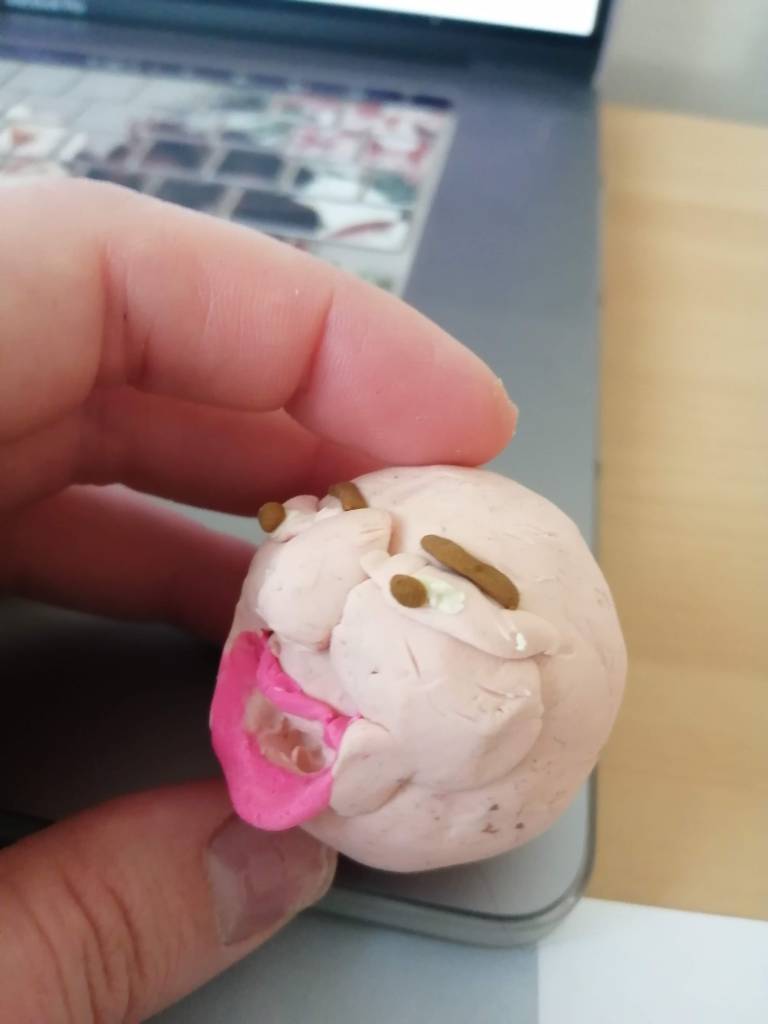

Fig.9 Laughing (2024)
Embarrassed
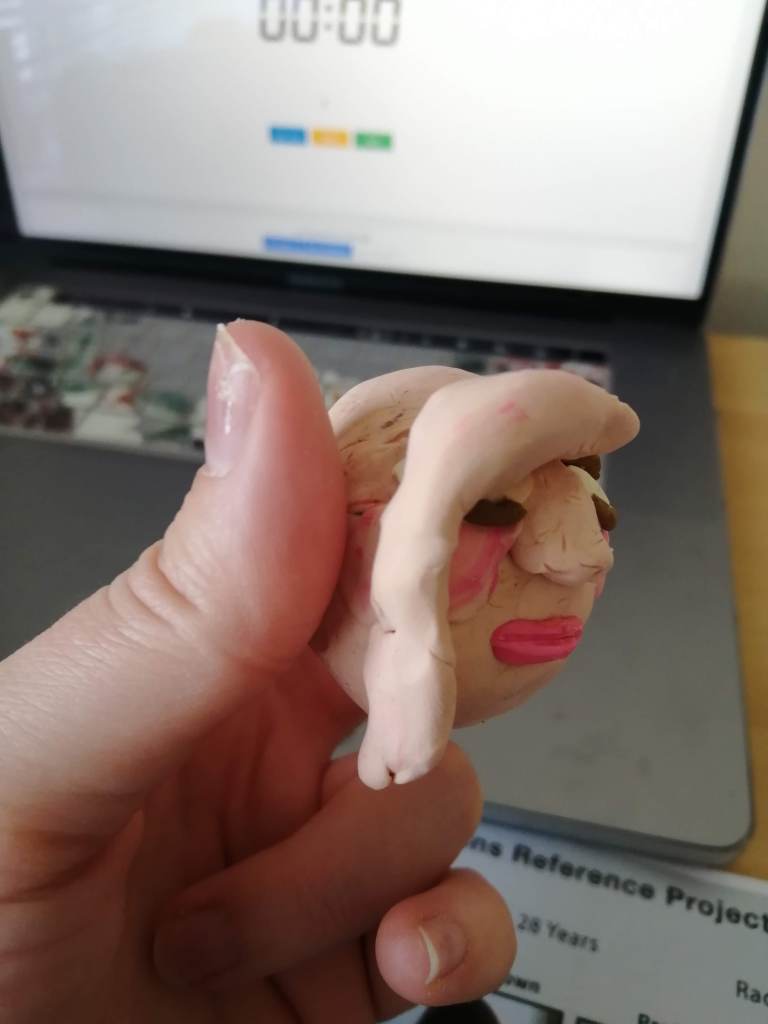
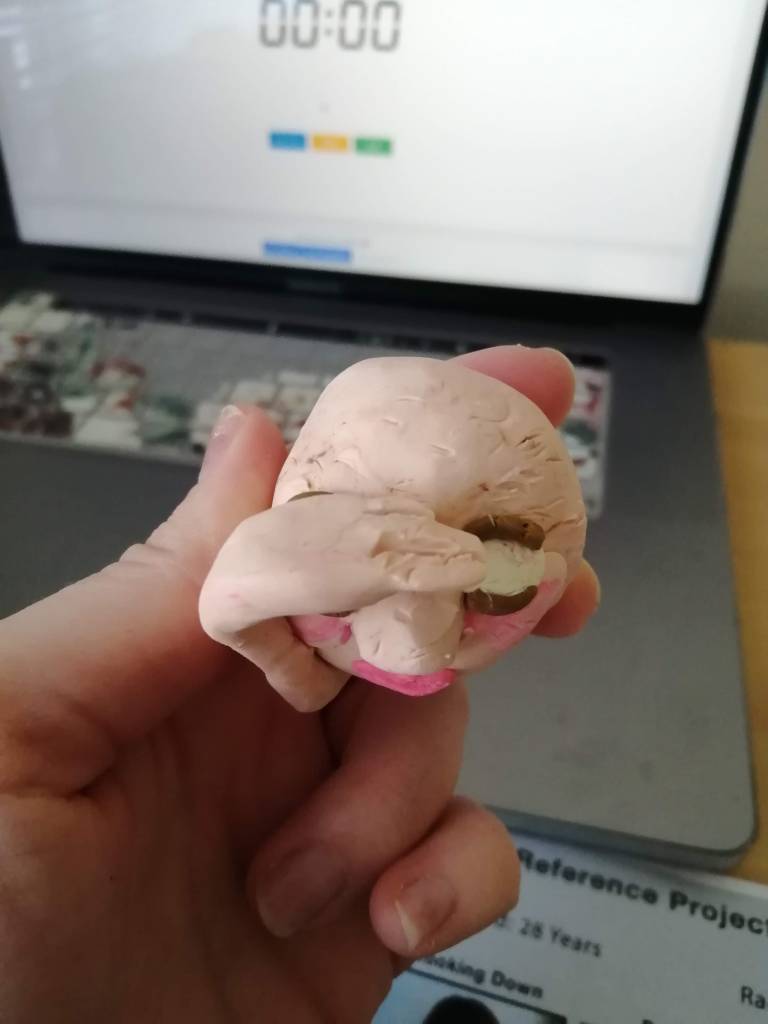
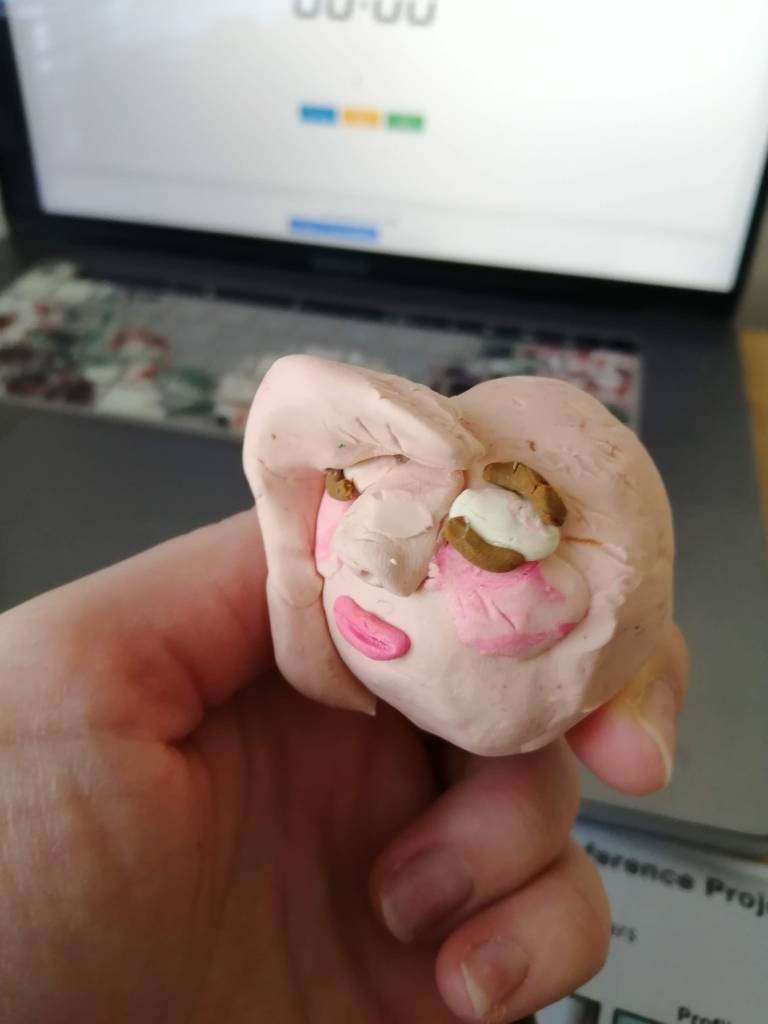
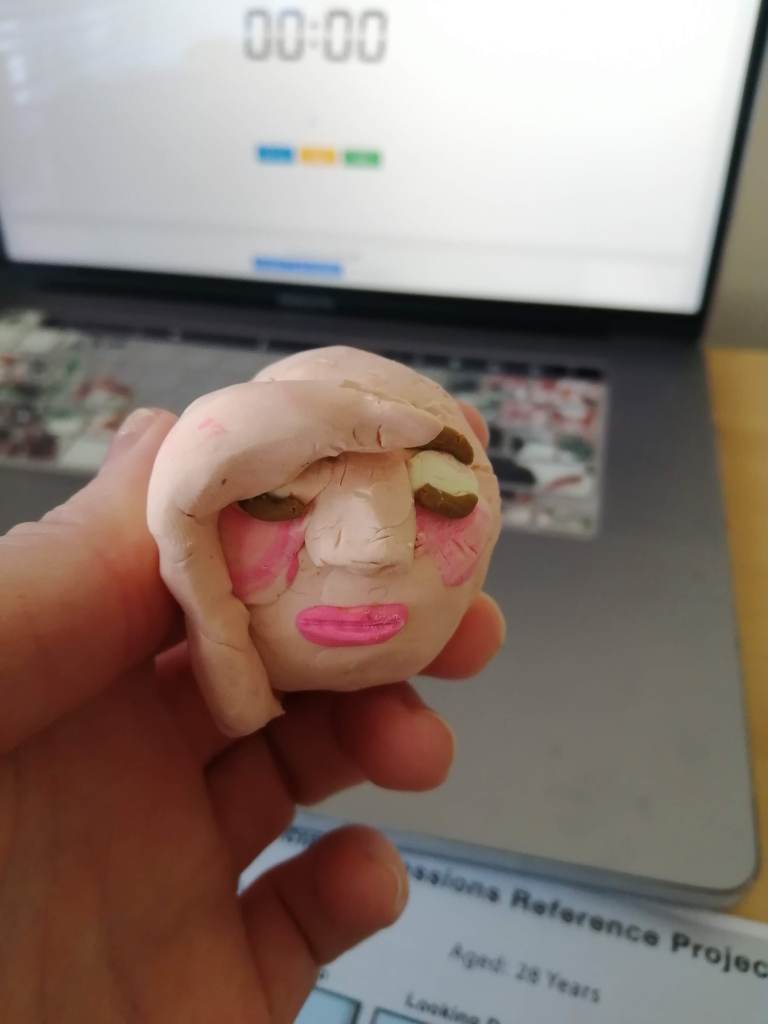
Fig. 10 Embarrassed (2024)
Looking up
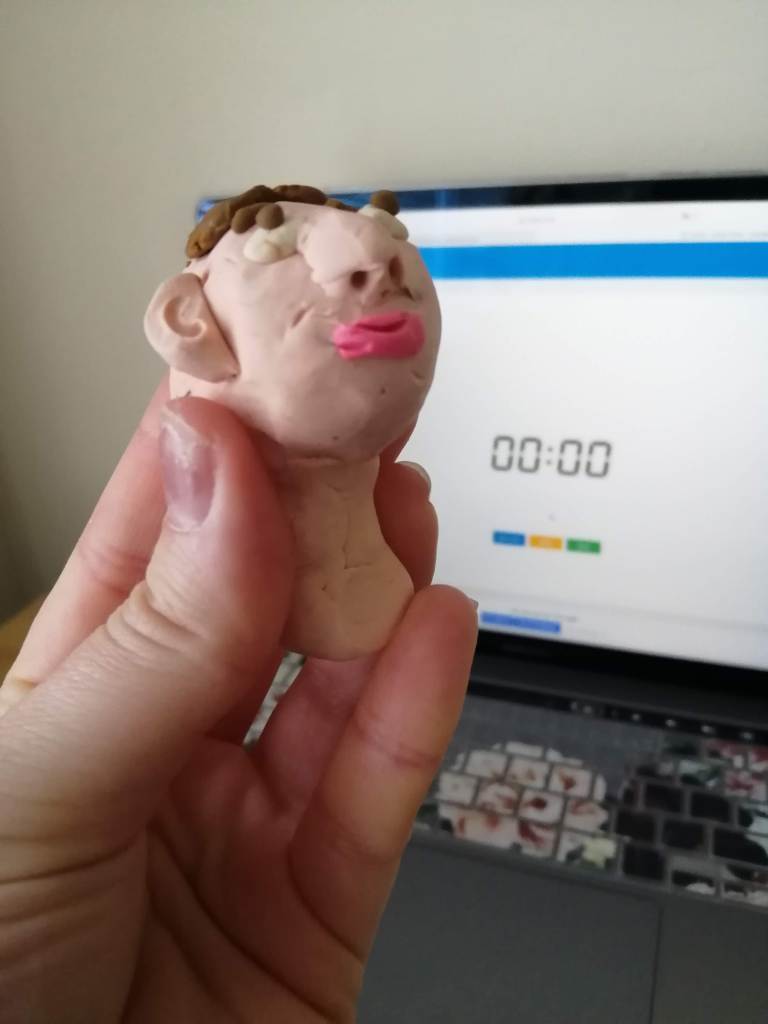
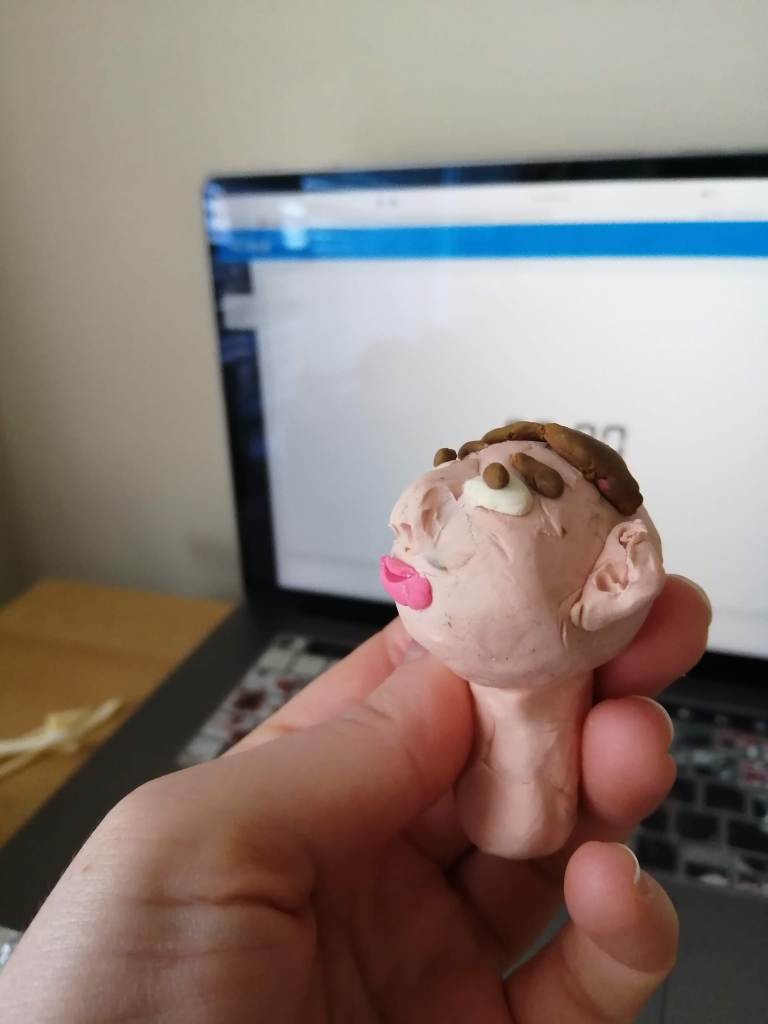
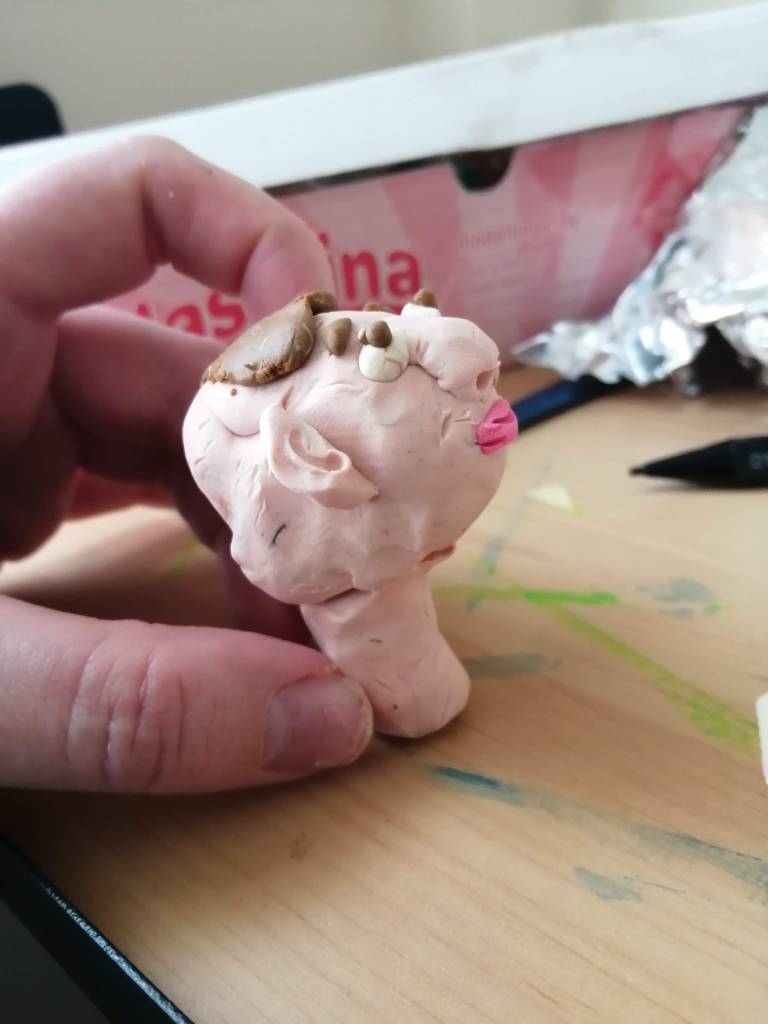
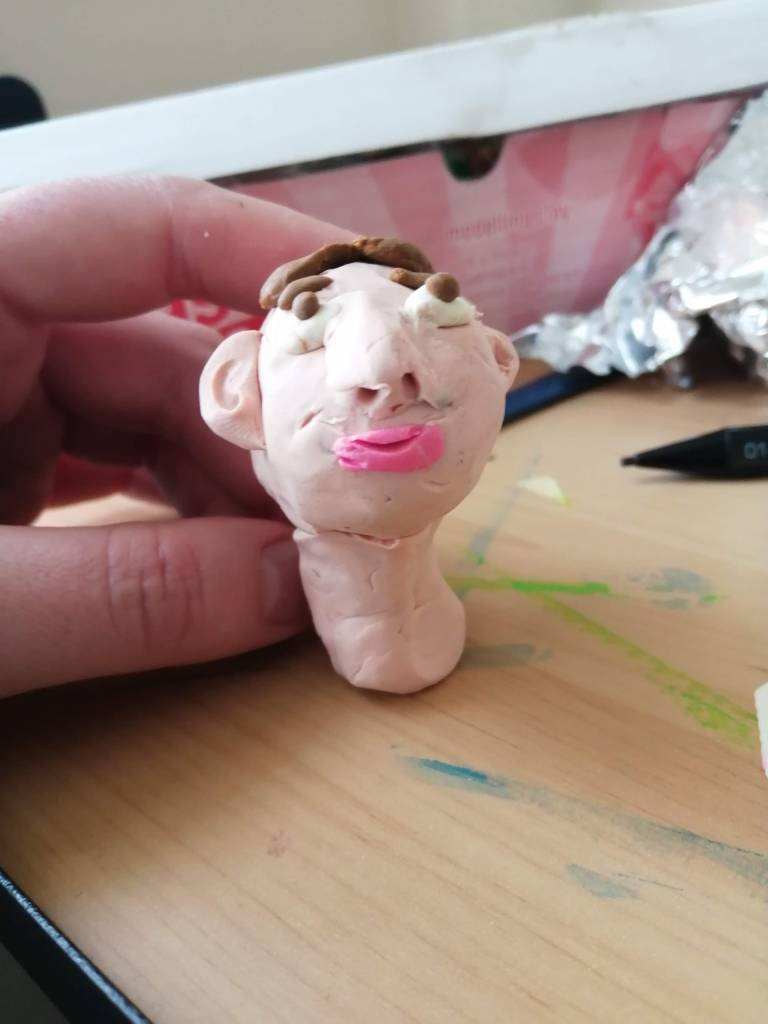
Fig. 11 Looking up (2024)
Looking down

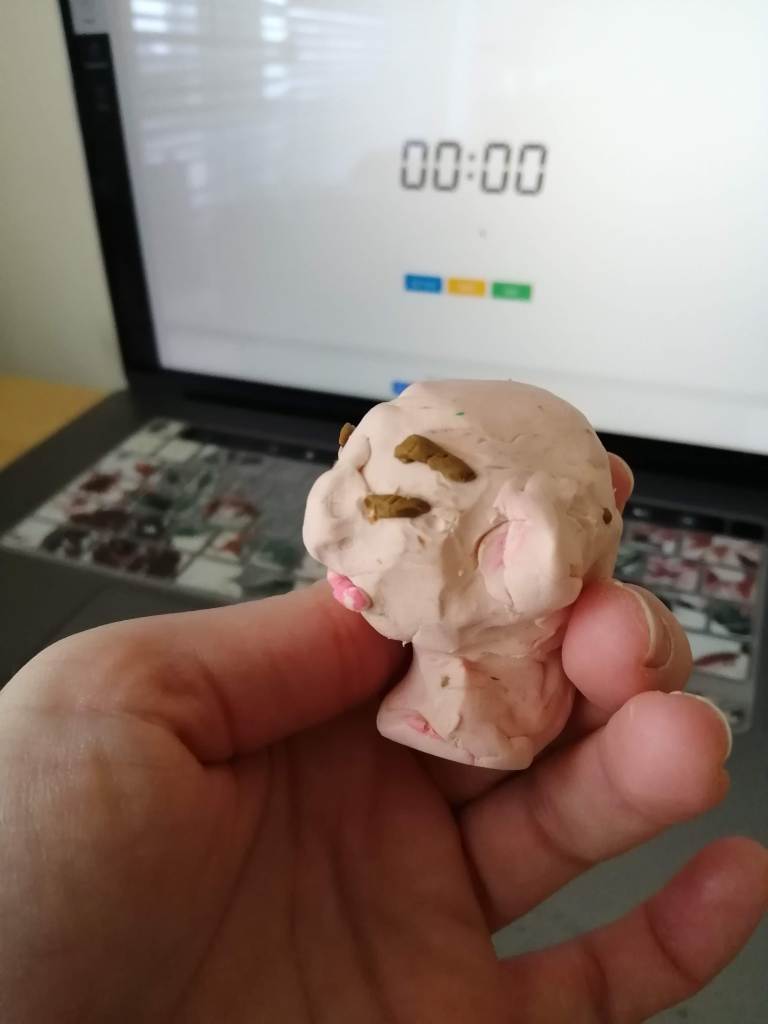
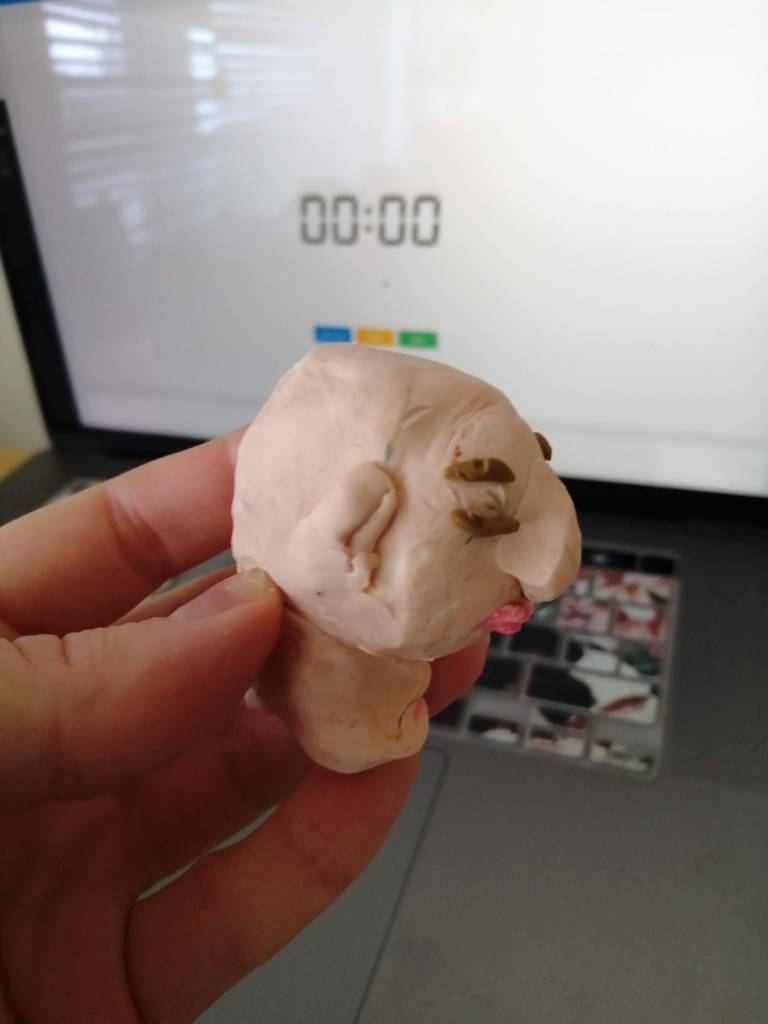
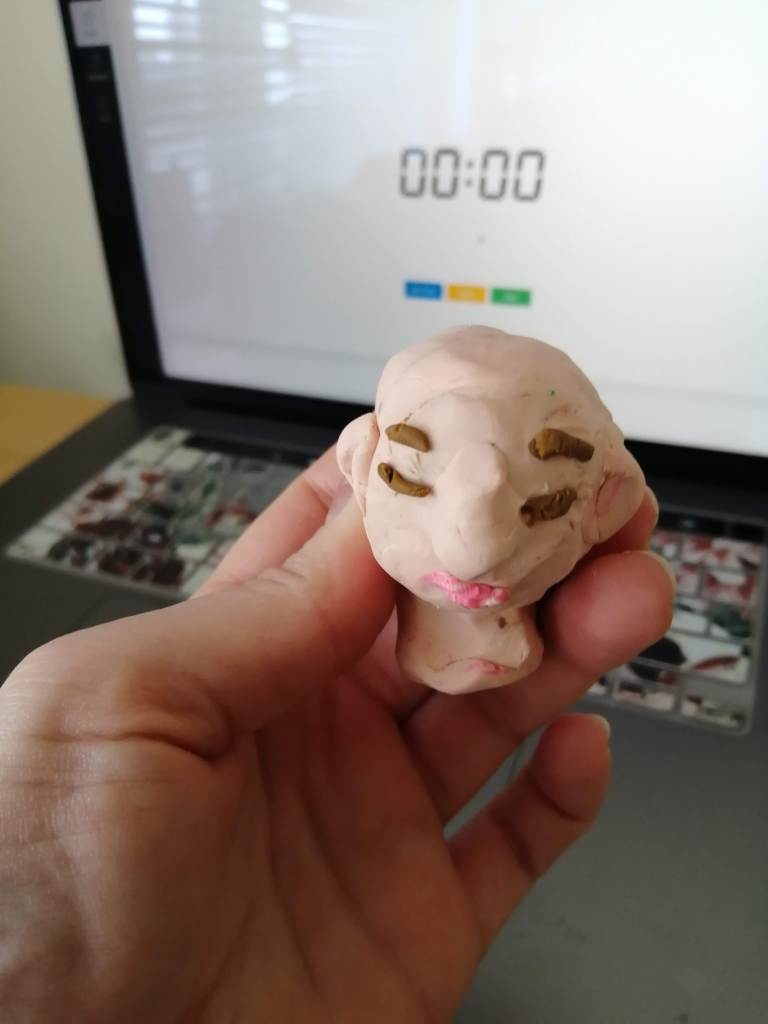
Fig. 12 Looking down (2024)
For an extra challenge, I tried to capture a confused facial expression with a one-minute time limit.
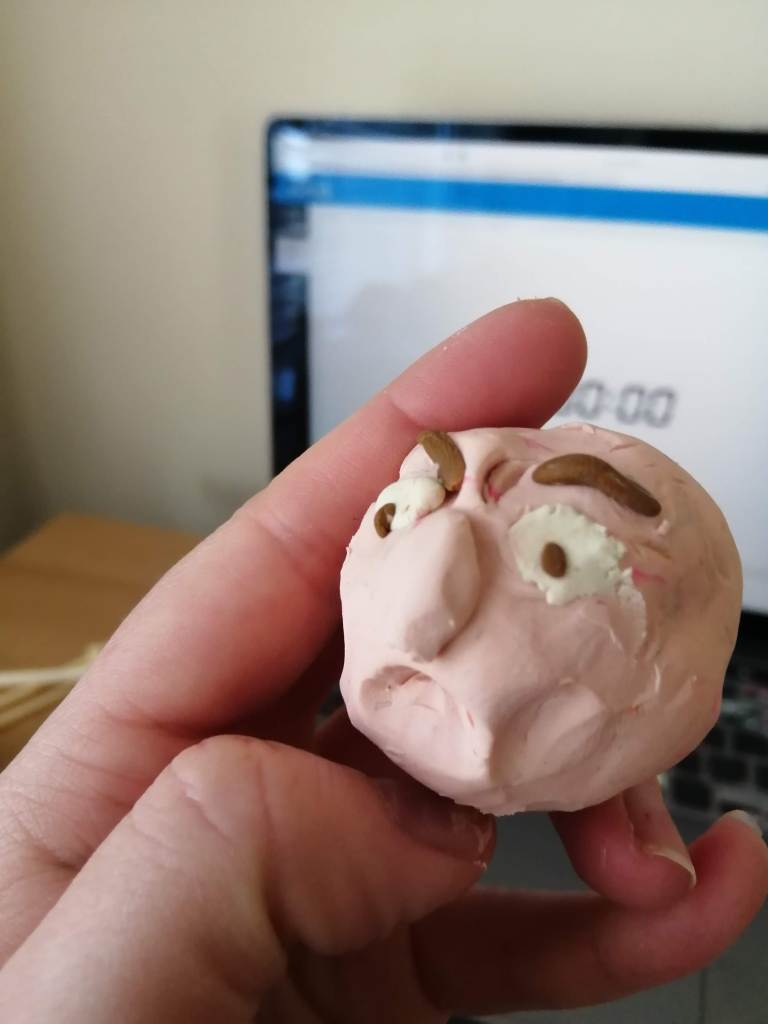
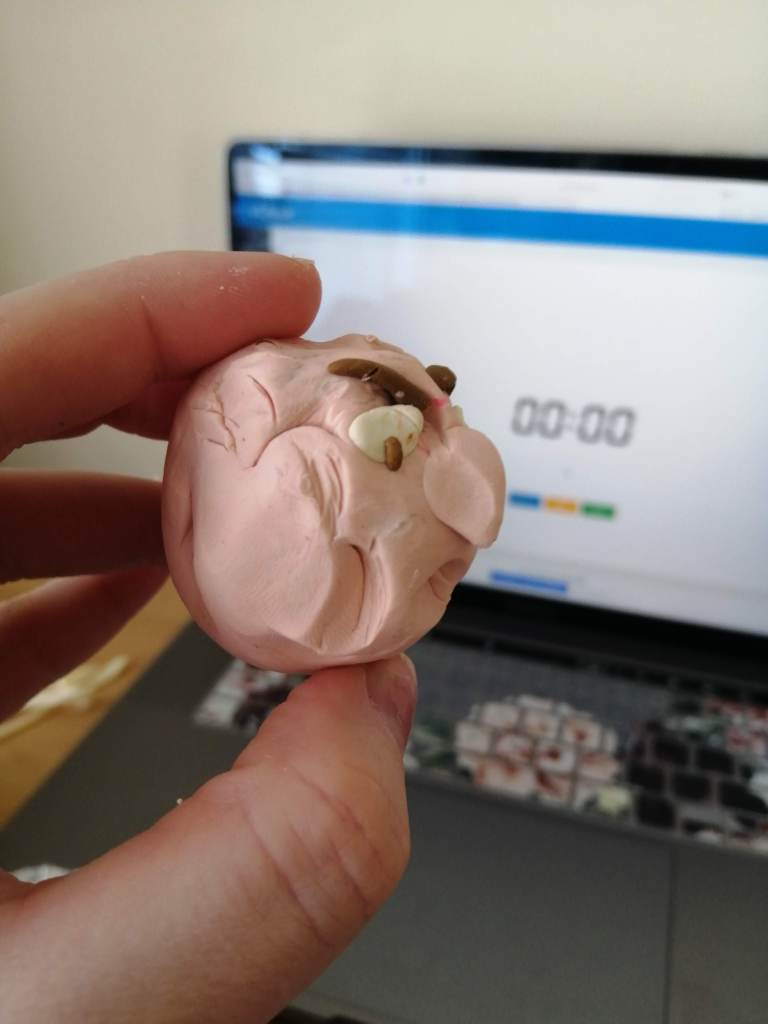
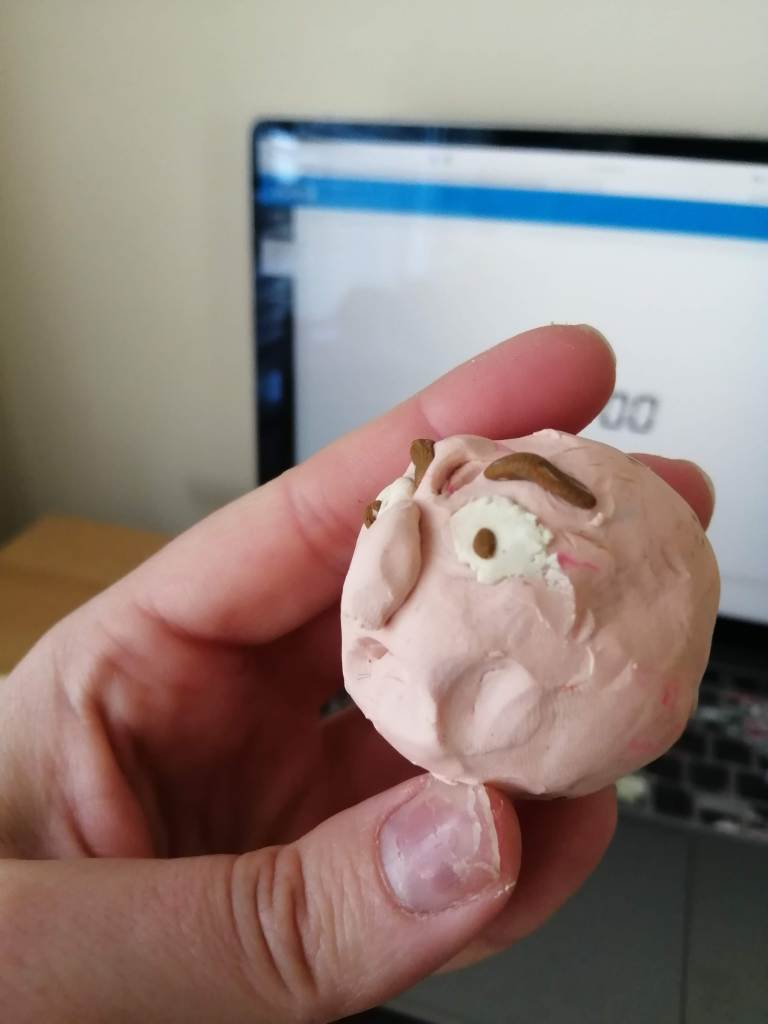
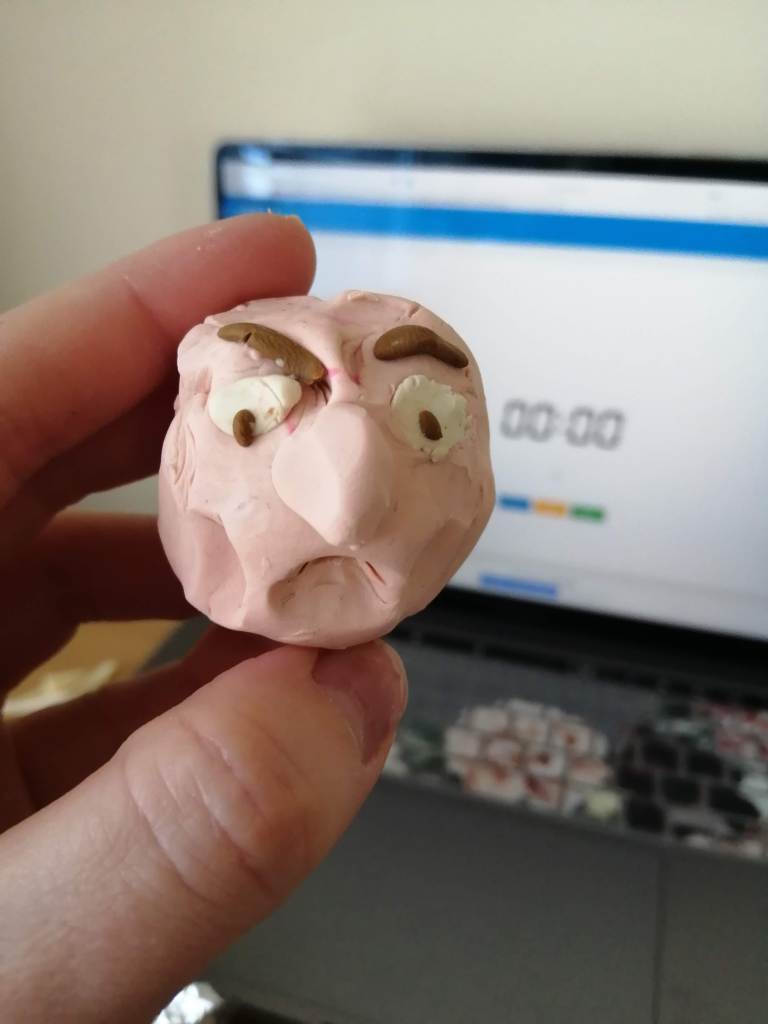
Fig.13 Confused (2024)
Reflection
I really enjoyed this exercise. I often find I don’t leave enough time to play in my work and this was just that playing. As an older child, my favourite hobby was sculpture and making pots on my refurbished potter’s wheel. So, to be able to sit and sculpt portrait models was not only fun but I was able to reminice.
Working with the clay rapidly was made challenging by the three-minute timer. I haven’t used plasticine since I was maybe seven years old, and I forgot that it’s fairly hard and requires hand warming before handling. Therefore this was an extra challenge.
Seeing how much expression I could achieve in the allotted time was interesting but I was happy with how much information I could portray with each sculpture. The ones that I struggled with the most were the ones that were smiling and looking down. It’s interesting to see that I also have difficulty when I try and draw these angles. So maybe to get better at them, I need to study them more in my sketchbook.
If I was to try this again it would be interesting to see how the sculptures would look using a single-colour clay. Would I still capture all of the expressions?
Another option
Option two’s brief appealed to me too and I believed it would enhance my illustration capabilities, even though I could have completed Option One alone for this task. It meant I would have the opportunity to do some more exploring.
Option 2: Continuous Line Drawing
Brief
For this exercise, I had to create various continuous line drawings. (This means making drawings without taking my drawing tool off the paper until it is complete. ) With an added challenge of a maximum time limit of three minutes for each.
Research
Before starting to draw, I researched some examples of artists who use this technique in their practice.
Pablo Picasso
One of the masters of art during the 20th century was Picasso. During this time he drew many pictures using continuous lines. It is quite amazing to see the amount of detail and complexity he can convey, in what appears at first to be a simple drawing. When looking at the drawing of the horse below I enjoy how he has captured the sense of movement with his fluid use of line.
Next, I watched the short film below which is about an exhibition of Picasso’s line work dating from his first to last drawings (1901-1969). There are 100 sketches in total some never seen by the public before. What I like about his line work is how expressive and creative he is. In the video, you can see how he challenges himself to look at things in new ways and experiments with lines.
Other well-known artists who use lines are Egon Schiele, Sherrie Levine, Andy Warhol, and Henri Matisse.
Henri Matisse
Matisse produced artwork during the same time as Picasso and there are some similarities in their artwork such as how they used line. Yet, there are some differences I think Picasso’s work was a little more complex especially when he started experimenting with cubism where his lines become much more angular and intricate. Where as Matise’s work was much more decorative and simplistic.
Al Hirschfeld
Al Hirschfeld was a 20th century illustrator best known for his black and white line drawings of caricatures. He had an impressive nine decades of illustrative work, including working for the New York Times. On the website https://www.alhirschfeldfoundation.org I found many examples of his work to study. I really enjoyed researching his work they are full of movement, humour, expression and cheekiness.
DFT
Next, I wanted to see what illustrators today may be using the continuous line technique in their practice and came across a French duo of artists called DFT (differantly). It excited me to see that their work has attracted interest from world famous brands such as Apple, Hermès, Nike and Adidas.
Below is a video of one of the artist showing how they create their work. I found it incredible how quickly the illustrations were drawn but amazingly there is still such large amounts of detail.
After, researching past and present-day artists that have used this method I have to say I am a little apprehensive at what I will be able to achieve especially with a maximum time-limit of three minutes but looking forward to experimenting.
Continuous line sketches
To begin the continuous line sketches I began with a sheet from my sketchbook and used one of my clay models as a still life to draw from. This was a warm up sheet before starting properly as it has been some time since I have sketched anything.
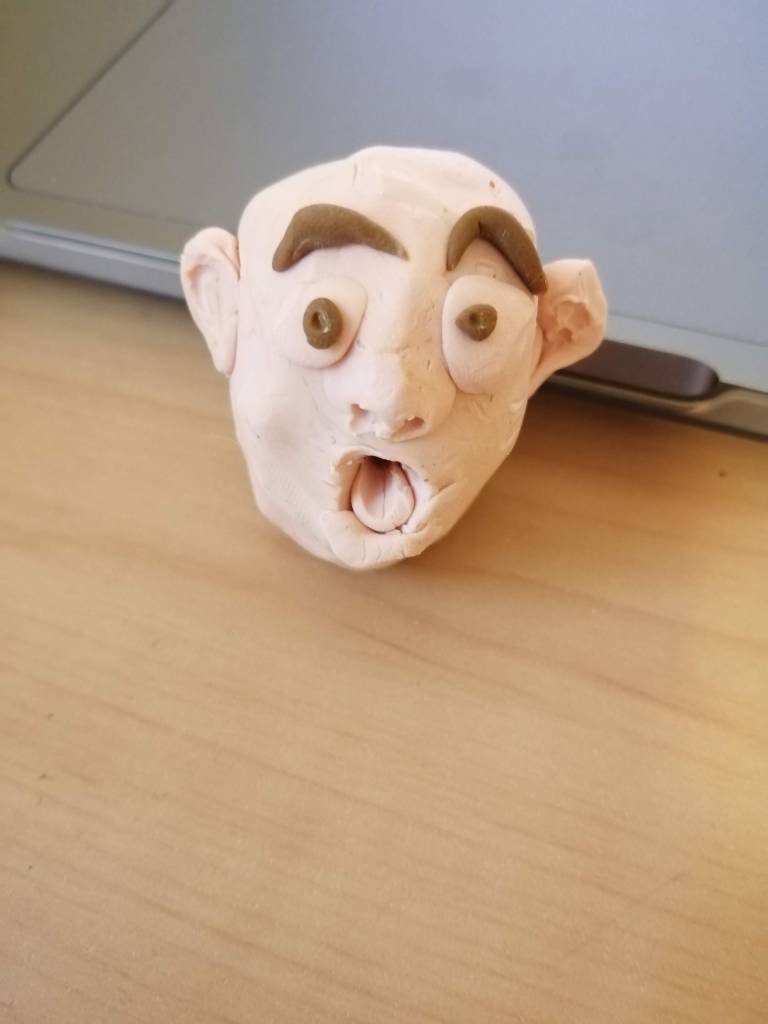
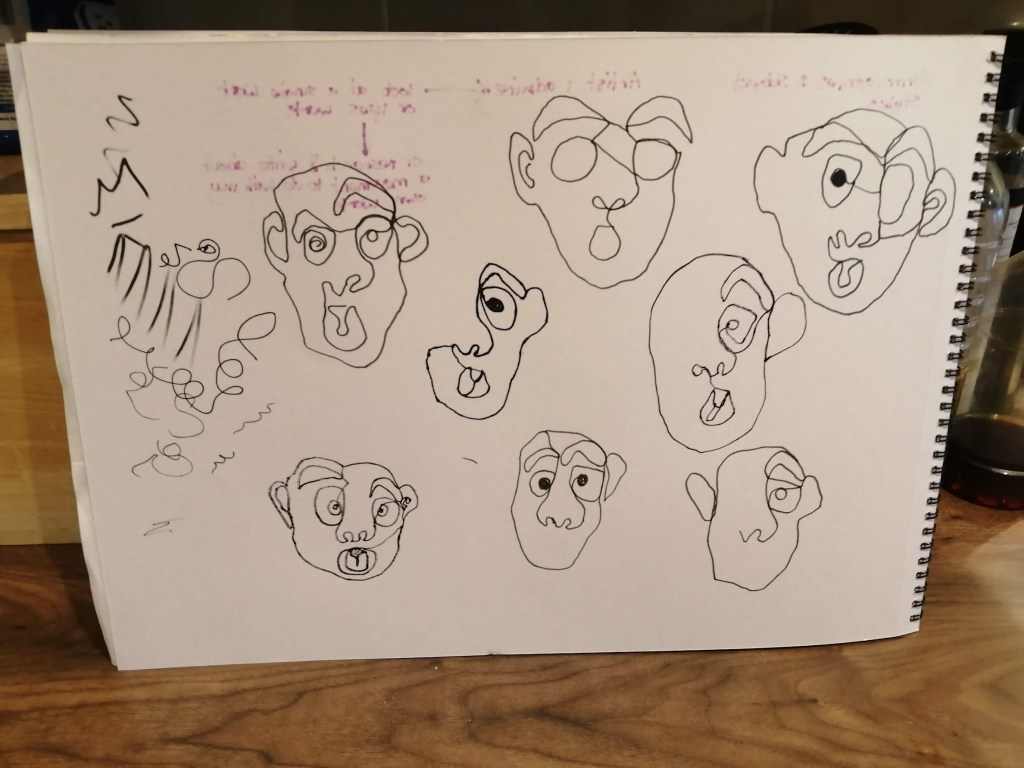
Fig. 14 Warm up sketches (2024)
I was surprised at how difficult it was to record information quickly without lifting my pen off the paper and found that I seemed to be only able to record half the face unless I went back over some of the lines I had previously drawn.
Now that my hand and eye coordination had warmed up, I set my timer for one minute and began sketching the same clay model.
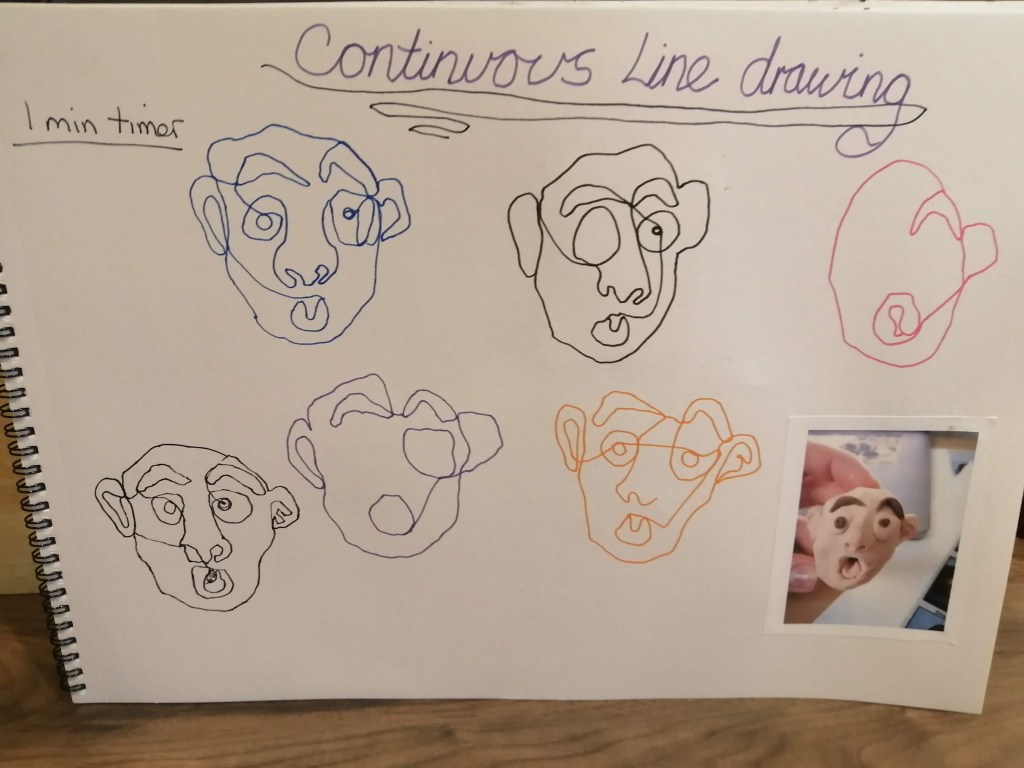
Fig. 15 Shocked line drawing (2024)
Interestingly, with more practicie the lines to each of the drawings are now much more fluid and I am able to record more information.

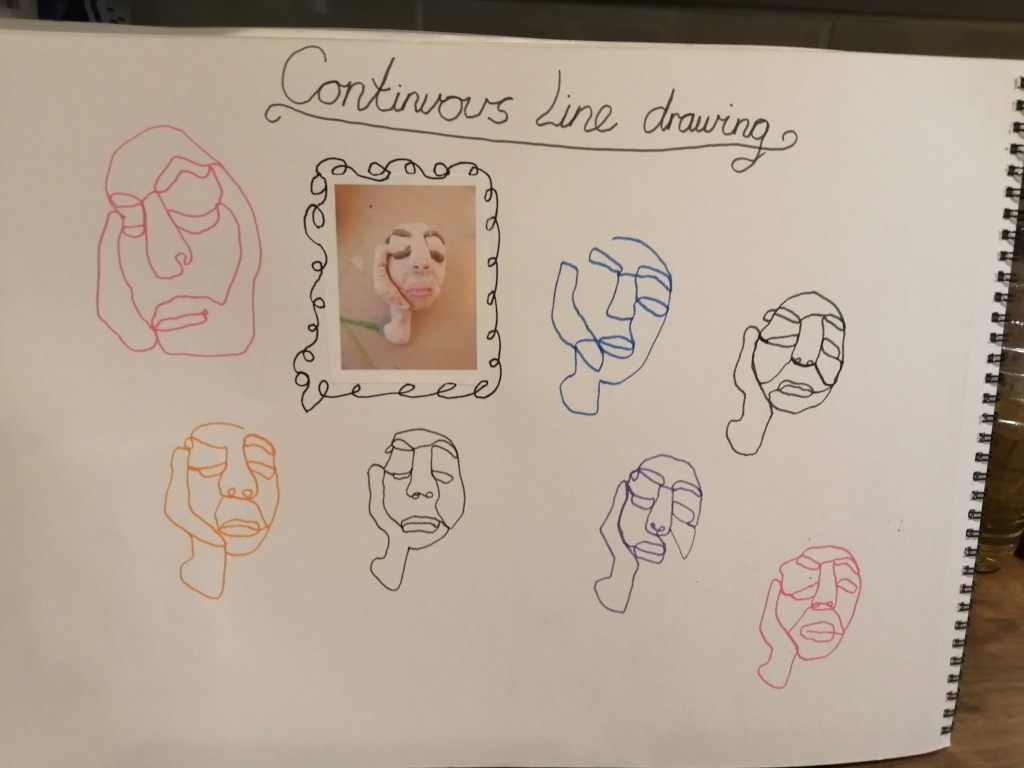
Fig. 16 Tired line drawing (2024)
Again, setting my timer I practiced more continuous line drawings. Once more, I used one of my sculptures to practise this. The hand added an additional element to the face’s shape, making it more difficult to capture, but overall, I believe the sketches capture the essence of the sculpture.
Following my attempts at drawing expressions in lines, I wondered what it would be like to sketch an actual person. Researching online I came to a website that assists artists by providing images of models in different poses. The webpage also allows you to set a timer, so I used the two-minute setting for each of the upcoming line drawings. Here are some of my sketches.
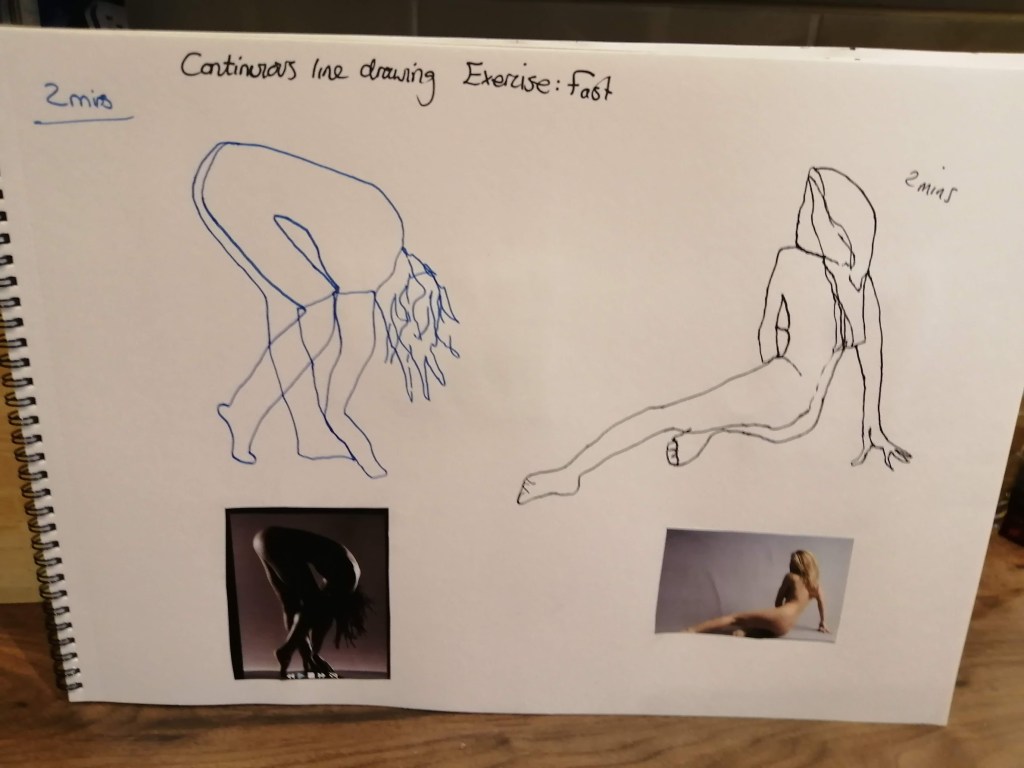
Fig. 18 Life drawing pose 1 (2024)
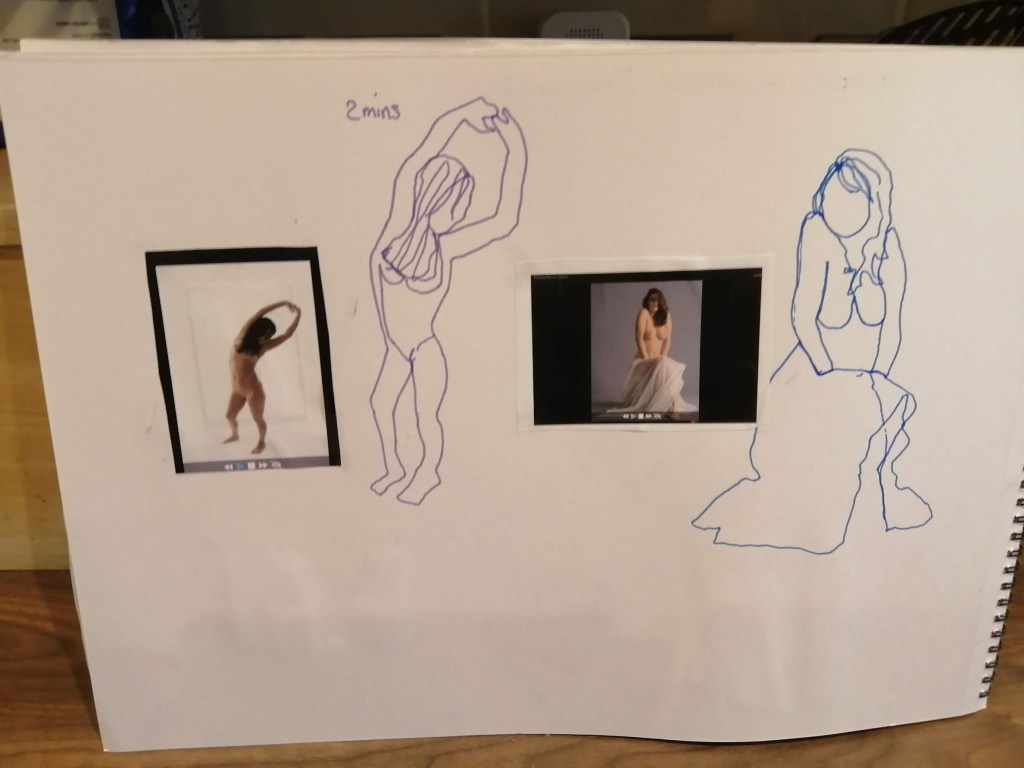
Fig. 19 Life drawing pose 2 (2024)
The sketches are not exactly true to scale or have captured every detail but I am pleased I have managed to capture the women’s poses.
After, I thought would I be able to do the same for a male model? Searching on the website I found three photos of male models to use for reference.
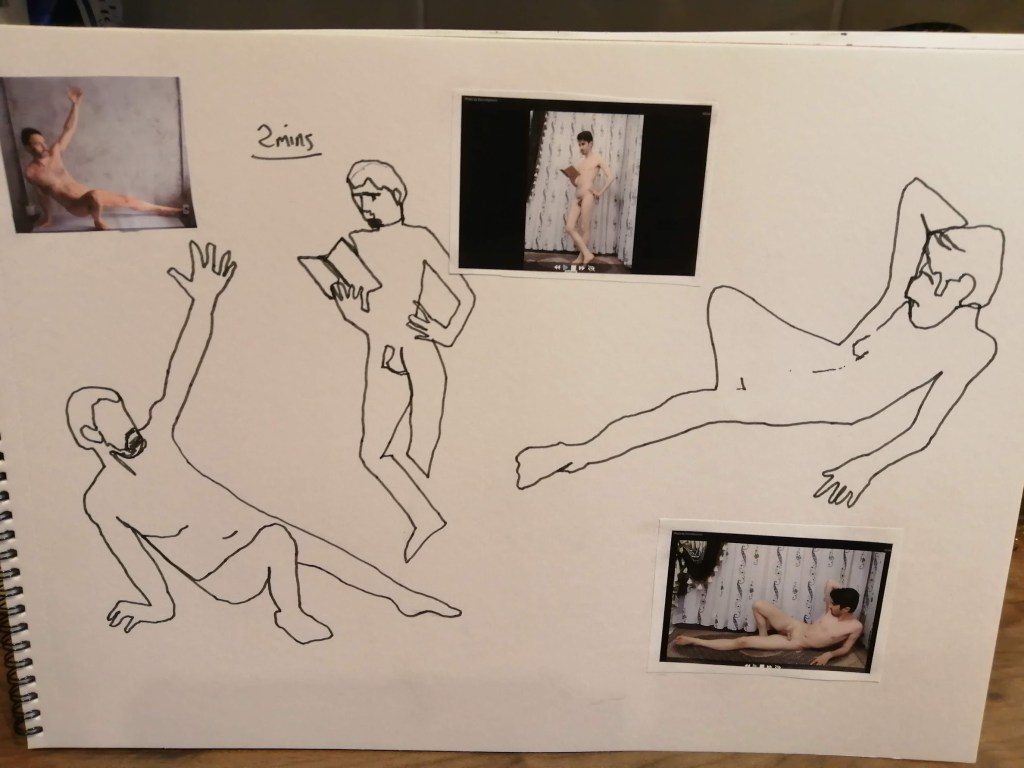
Fig.20 Life drawing pose 3 (2024)
The first sketch I did was the middle one, the second was the one to the right and finally the one to the left was the last sketch I drew. It was interesting to see the line become more fluid the more I practiced and that the last drawing has recorded more information and done so more accurately.
Reflection
This continious line drawing exercise has been an enjoyable one. Having a short time limit has made me not worry about making mistakes but think quickly about what is the best way to convey what is in front of me.
It has been beneficial for strengthening my hand and eye coordination and has made me make deliberate choices in the placement of each mark. This exercise will undoubtedly help improve my drawings if I practice this exercise often.
References
About – DFT – minimalist line art (no date) DFT. Available at: https://www.dft.art/about (Accessed: 01 February 2024).
Al Hirschfeld (no date) Bio. Available at: https://www.alhirschfeldfoundation.org/bio (Accessed: 01 February 2024).
Brilliant single line drawings by differantly (aka DFT) (2018) YouTube. Available at: https://youtu.be/xaiUyI9OB5w (Accessed: 01 February 2024).
Figure study tool (no date) Line of Action. Available at: https://line-of-action.com/practice-tools/figure-drawing (Accessed: 01 February 2024).
Gallery, G. (2018) Who’s next? – DFT, art-director-portfol. Available at: https://www.geneycleegallery.com/post/who-s-next-dft (Accessed: 01 February 2024).
Picasso the line (2016a) YouTube. Available at: https://youtu.be/OrPwBPwqI3Y (Accessed: 01 February 2024).
Picasso the line (2016b) YouTube. Available at: https://youtu.be/OrPwBPwqI3Y (Accessed: 01 February 2024).
R, T. (2012) Facial Expressions Reference Project, Deviant Art. Available at: https://www.deviantart.com/tamarar/art/Tammy-s-facial-expressions-313627461 (Accessed: 01 February 2024).
List of illustrations
Fig. 1 Tamara, R. (2012) Facial Expressions reference project. [Photograph, Portrait] At: https://www.deviantart.com/tamarar/art/Tammy-s-facial-expressions-313627461 (Accessed 01/01/2024).
Fig. 2 Fowler, G (2024) Materials. [Photograph, landscape] In possession of: the author: Forest of Dean.
Fig. 3 Fowler, G (2024) Shocked. [Photograph, portrait] In possession of: the author: Forest of Dean.
Fig. 4 Fowler, G (2024) Tired. [Photograph, portrait] In possession of: the author: Forest of Dean.
Fig. 5 Fowler, G (2024) Holding breath. [Photograph, portrait] In possession of: the author: Forest of Dean.
Fig. 6 Fowler, G (2024) Angry. [Photograph, portrait] In possession of: the author: Forest of Dean.
Fig. 7 Fowler, G (2024) Resting face. [Photograph, portrait] In possession of: the author: Forest of Dean.
Fig. 8 Fowler, G (2024) Scared. [Photograph, portrait] In possession of: the author: Forest of Dean.
Fig. 9 Fowler, G (2024) Laughing. [Photograph, portrait] In possession of: the author: Forest of Dean.
Fig. 10 Fowler, G (2024) Embarrassed. [Photograph, portrait] In possession of: the author: Forest of Dean.
Fig. 11 Fowler, G (2024) Looking up. [Photograph, portrait] In possession of: the author: Forest of Dean.
Fig. 12 Fowler, G (2024) Looking down. [Photograph, portrait] In possession of: the author: Forest of Dean.
Fig. 13 Fowler, G (2024) Confused. [Photograph, portrait] In possession of: the author: Forest of Dean.
Fig. 14 Fowler, G (2024) Warm up sketches. [Drawing] In possession of: the author: Forest of Dean.
Fig. 16 Fowler, G (2024) Tired line drawing [Drawing] In possession of: the author: Forest of Dean.
Fig. 17 Fowler, G (2024) Warm up sketches. [Drawing] In possession of: the author: Forest of Dean.
Fig. 18 Fowler, G (2024) Life drawing pose 1. [Drawing] In possession of: the author: Forest of Dean.
Fig. 19 Fowler, G (2024) Life drawing pose 2. [Drawing] In possession of: the author: Forest of Dean.
Fig. 20 Fowler, G (2024) Life drawing pose 3. [Drawing] In possession of: the author: Forest of Dean.
 Visual Skills 2